
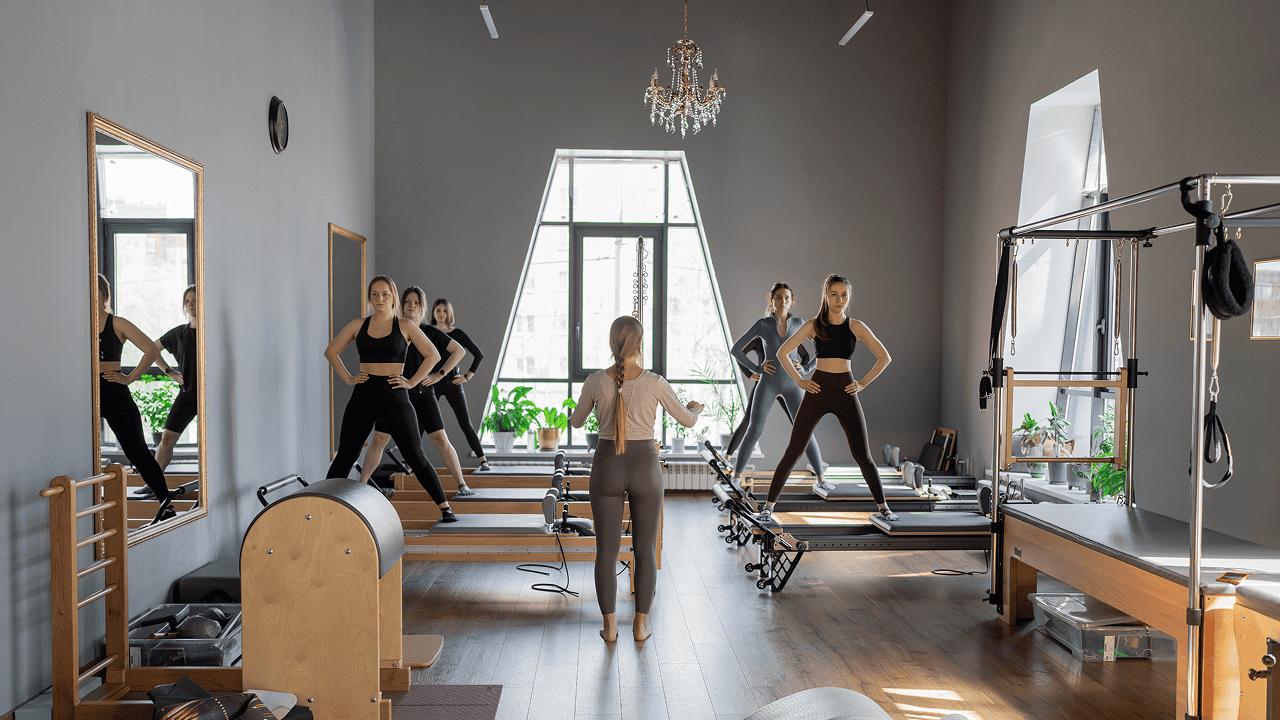
Community Events and Workshops: Turning Your Gym into a Local Hub
People rarely join a gym only for machines or square footage. What many are really looking for is a sense of belonging, motivation, and shared identity. In an increasingly digital and isolated world, gyms have the opportunity to become physical gathering spaces where people connect around health, movement, and lifestyle. Community focused initiatives transform gyms from transactional fitness facilities into meaningful local hubs.
Gym community events and educational sessions create experiences that extend beyond workouts. They encourage members to interact, learn, and support one another, which deepens loyalty and strengthens retention. When done consistently, member workshops and social activities build emotional ties that standard memberships cannot.
Why Community Matters More Than Ever for Gyms
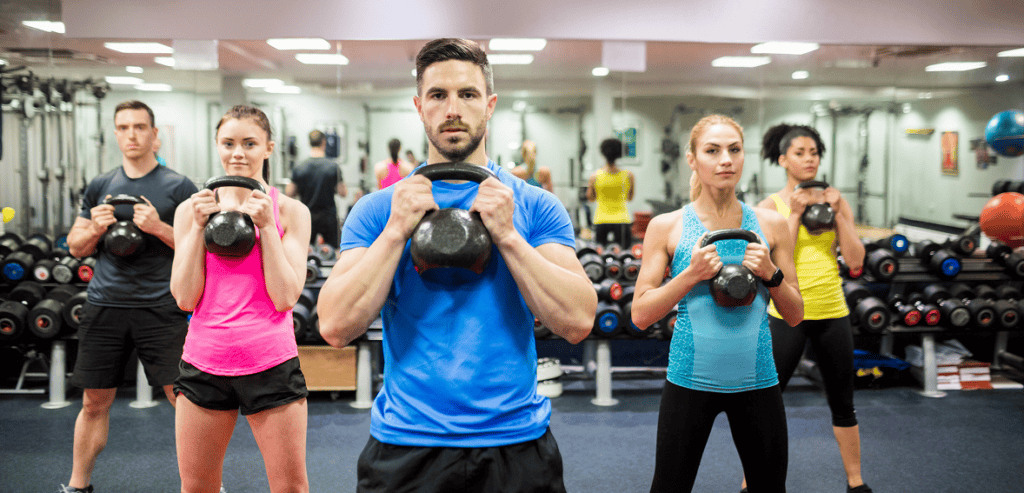
Modern gym members have countless fitness options, from at home workouts to boutique studios and digital subscriptions. What differentiates a local gym is not just equipment variety but the relationships built inside the space. Community driven gyms offer accountability, encouragement, and familiarity, which are powerful motivators for consistency.
Gym community events help narrow the gap between personal workouts and shared experiences. When members come across familiar faces outside their normal schedules, the gym becomes a more inviting and personal place. These ties not only make the gym less scary for newcomers but also give fresh energy to old-timers. In fact, the feeling of being a part of a community actually becomes the main reason why people continue to go in spite of having other options.
From a business perspective, community creates resilience. Members who feel connected are less price sensitive and more forgiving during challenges. Investing in events and workshops is therefore not an extra activity but a strategic approach to retention and brand strength.
Types of Gym Community Events Members Respond To
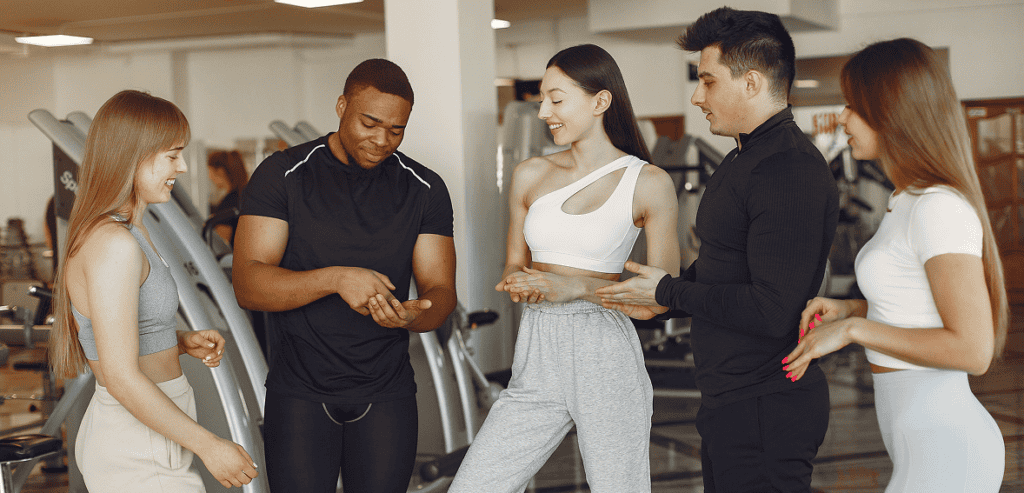
Successful gym community events strike a balance between fun, accessibility, and purpose. Social focused activities such as member appreciation nights, anniversary celebrations, or seasonal get togethers allow members to relax and interact without performance pressure. These events humanize the gym environment and encourage friendships that extend beyond workouts.
Fitness focused initiatives such as challenges, themed workout days, or friendly competitions bring a sense of structure and fun. Team based challenges not only promote working together and sharing responsibility but also help when the focus of the goals is on participation rather than performance only. These kinds of events are attractive to people with different fitness levels and foster an atmosphere of inclusivity.
Educational member workshops complement social and fitness events by providing practical value. Nutrition talks, injury prevention sessions, mobility clinics, and mindset workshops reinforce the gym’s role as a trusted wellness resource. Together, these varied formats keep engagement fresh while supporting different member interests.
How Fitness Workshops Add Value Beyond Workouts
Fitness workshops allow gyms to demonstrate expertise beyond programming classes. They provide structured learning experiences that empower members with knowledge they can apply immediately. Topics such as proper lifting technique, recovery strategies, or goal setting help members feel more confident and supported.
Unlike regular classes, workshops create space for questions and discussion. This interactive format strengthens trust between members and staff, positioning trainers as approachable guides rather than distant instructors. Over time, this trust supports upsells into personal training, specialty programs, or advanced services.
Fitness workshops also appeal to potential members who may not be ready to commit to a membership. Hosting open workshops introduces the gym to the wider community in a low pressure way. This makes workshops a powerful tool for both education and local gym outreach.
Planning Gym Events Without Overwhelming Your Team
Effective planning keeps events sustainable rather than stressful. Start with clear objectives, whether the goal is member retention, new lead generation, or community goodwill. This clarity shapes decisions around format, budget, and promotion.
Scheduling is of great importance. The events should be actually scheduled when the people are highly available rather than at the time of highest work stress. Most of the time evenings and weekends are the most convenient time, however, the regularity is more important than the number of times. A monthly or quarterly pattern keeps the excitement of the meeting going without overloading the employees.
Staff involvement should feel collaborative rather than burdensome. Assign roles based on strengths, such as promotion, hosting, or logistics. When teams feel ownership, energy and execution improve. Thoughtful planning ensures gym social events enhance operations rather than disrupt them.
Promoting Events to Maximize Attendance
Great events fail without visibility. Promotion should begin inside the gym, where members already feel engaged. Simple conversations at check in, class announcements, and in gym signage make events feel personal rather than transactional.
Digital mediums help you reach more people and keep spreading the message. Email newsletters, member groups, and social media posts work together to reinforce awareness and excitement. Focusing on the benefits rather than the details is a great way to get people interested. Instead of just giving time and date, highlight the fun, learning, or exclusivity aspects.
Members inviting their friends is one way of getting the message further. Gym community events can be great entry points for non-members, especially workshops or charity-driven initiatives. If you state clearly whether events are open, free, or donation based, you will avoid confusion and gain people’s trust.
Partnering With Local Businesses for Co Hosted Events
Local partnerships amplify reach while sharing costs and expertise. Collaborating with health food stores, physiotherapists, dietitians, or wellness brands adds credibility and variety to member workshops. These partners benefit from exposure while members gain access to complementary knowledge or products.
Co hosted events feel richer and more dynamic. A nutrition workshop with a local expert or a recovery session featuring a physiotherapy clinic elevates perceived value. These collaborations position the gym as a connector within the local wellness ecosystem.
Partnerships also strengthen local gym outreach. Cross promotion introduces the gym to new audiences and builds goodwill within the community. Over time, these relationships create a network effect that benefits all involved.
Using Charity and Cause Based Events to Build Purpose
Cause driven events resonate deeply with members who want their fitness efforts to mean something beyond themselves. Charity workouts, fundraising challenges, or donation based classes align physical activity with social impact.
Such events are greatly anticipated by the outside community and often attract participants from beyond the gym, thus enhancing the gym’s visibility and goodwill. They also foster the formation of emotional memories that members regularly share, which results in strengthened relationships among them. Moreover, purpose oriented activities serve as a living manifestation of the gym’s values and culture.
From a business standpoint, charity events generate positive associations that are difficult to replicate through traditional marketing. They showcase the gym as a community contributor rather than just a business, enhancing long term reputation.
Creating Inclusive Gym Social Events for All Members
Inclusivity is essential for successful gym social events. Activities should feel welcoming regardless of fitness level, age, or experience. Avoid formats that favor only advanced members or specific demographics.
Small gestures help improve accessibility. Clear descriptions, options that are friendly to beginners, and non-competitive framing work to reduce anxiety. Social mixers, coffee meetups, or outdoor group walks could be equally as beneficial as high, intensity workouts.
Inclusive events reinforce member community engagement by ensuring no one feels left out. Over time, this openness attracts more diverse memberships and strengthens the gym’s role as a shared space rather than a niche club.
Measuring the Impact of Community Events and Workshops
Tracking impact helps justify ongoing investment. Attendance numbers provide basic insight, but deeper indicators matter more. Retention trends, referral activity, and informal feedback reveal how events influence behavior.
Post event surveys or casual conversations help capture qualitative feedback. Members often share insights about what made them feel connected or motivated. These responses guide future planning and refinement.
Community initiatives also generate valuable marketing content. Photos, testimonials, and stories from events reinforce brand identity and attract like minded prospects. Measuring both operational and emotional outcomes provides a full picture of value.
Turning Events Into Long Term Engagement Strategies
One off events create temporary excitement, but consistency builds culture. Successful gyms treat community initiatives as an ongoing strategy rather than occasional experiments. Regular touchpoints help members anticipate connection as part of their membership.
Staggering formats keeps programming fresh. Rotating between gym community events, educational member workshops, and social gatherings maintains interest across different preferences. This variety supports sustained engagement over time.
Embedding events into the gym calendar normalizes participation. When community becomes expected rather than optional, members integrate it into their routines, strengthening loyalty and identity.
Supporting Staff Through Community Led Initiatives

Staff play a central role in shaping event experiences. When trainers and front desk teams are enthusiastic, members respond. Supporting staff with clear expectations, recognition, and involvement encourages authentic engagement.
Community initiatives also benefit staff morale. Events allow teams to interact with members in relaxed, positive settings, strengthening relationships. This human connection reduces burnout and enhances job satisfaction.
Training staff to facilitate rather than control events keeps experiences genuine. The goal is connection, not perfection. When staff feel empowered, community efforts flourish organically.
Conclusion
Community driven gyms offer more than physical training. They provide shared experiences, learning opportunities, and social connections that transform fitness into a lifestyle. Gym community events and thoughtfully designed member workshops build emotional ties that traditional memberships cannot replicate. When supported by consistent planning, inclusive design, and strategic partnerships, these initiatives strengthen member community engagement and local visibility. Fitness workshops, gym social events, and outreach activities position the gym as a trusted wellness hub rather than just a place to exercise. Ultimately, the strongest gyms are those where members feel known, supported, and connected. By investing in community experiences alongside fitness programming, gym owners create environments where people choose to stay, participate, and advocate, turning the gym into a true local hub.
FAQs
What are some easy community events a gym can start with?
Gyms can begin with simple, low barrier initiatives that require minimal setup. Member appreciation evenings, charity workouts with small donations, or short educational talks hosted by in house trainers are effective starting points. These events focus on connection rather than complexity and help build confidence in organizing future activities.
How do I promote gym events so members actually attend?
Consistent, personal promotion works best. Mention events during check ins, classes, and conversations. Use email and social media to reinforce details, and encourage staff to share enthusiasm. Highlight what makes the event enjoyable or valuable rather than just logistical information.
Does it make sense for small gyms to host events?
Yes, and often even more so. Smaller gyms create intimate experiences that feel special and personal. Events such as small group workshops, outdoor sessions, or casual social meetups fit limited space while fostering strong connections. Size does not limit community.
How do events and workshops benefit the gym business?
They strengthen retention, increase referrals, and differentiate the gym from competitors. Members who feel connected are more loyal and more likely to recommend the gym. Events also create marketing opportunities and enhance brand image within the local community.
What types of local partnerships work well for gym events?
Health focused businesses such as dietitians, physiotherapists, wellness brands, and cafés are natural fits. These partners bring expertise or resources while expanding reach. Mutually beneficial collaborations reduce costs and increase event value.
Leave a Reply