
Competing with At-Home Fitness: How Gyms Can Win Against Apps and Home Workouts
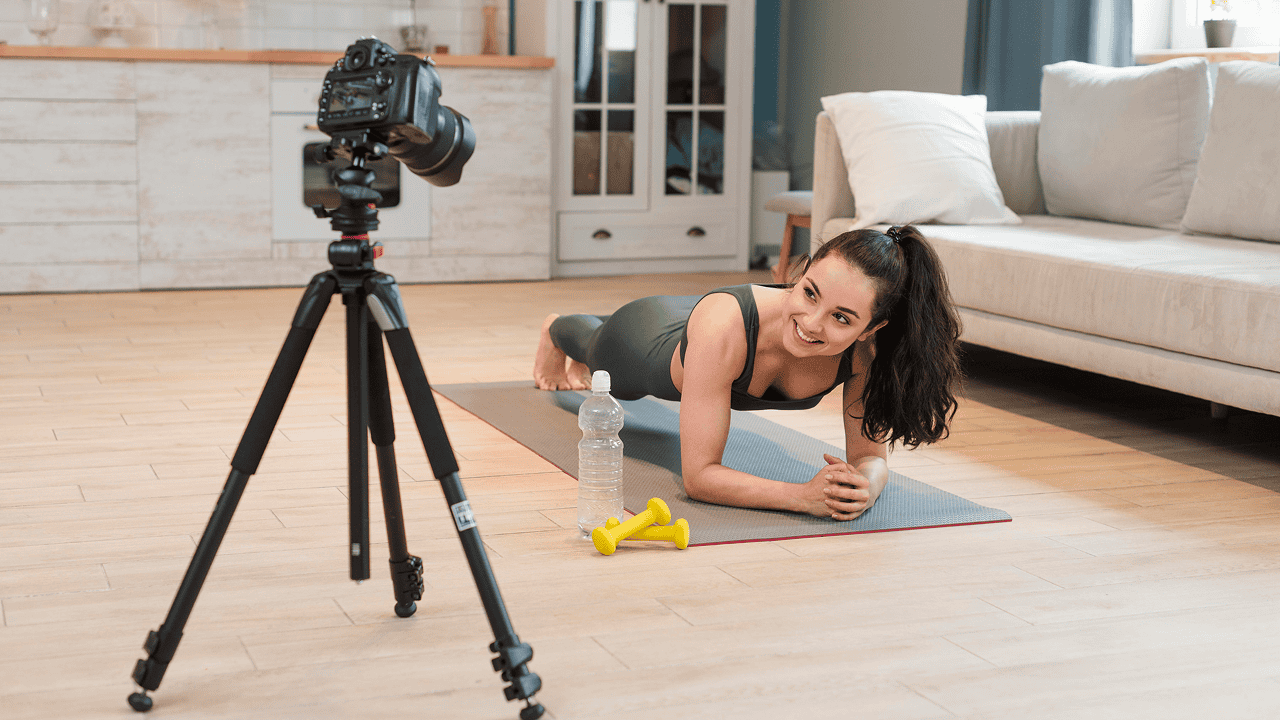
The fitness industry has changed dramatically over the last few years. Peloton bikes in living rooms, guided workouts on smartphones, and fully equipped garage gyms are no longer niche trends. For many people, exercising at home feels convenient, flexible, and private. This shift has created real at-home fitness competition for traditional gyms, forcing owners to rethink how they communicate value and retain members.
However, the rise of home workouts does not mean the decline of gyms. It means expectations have evolved. People who choose a gym today are not only looking for equipment, but for outcomes, motivation, and experiences that go beyond convenience. The gym vs home workout comparison is no longer about which option is “better,” but about which option delivers results, consistency, and connection.
Gyms that clearly articulate their value, adapt to changing habits, and highlight what cannot be replicated at home can still thrive. By focusing on in-person fitness advantages, leveraging hybrid options, and refining their gym value proposition, fitness facilities can compete with fitness apps while strengthening member loyalty and long-term growth.
The Post-Pandemic Fitness Landscape and At-Home Fitness Competition

The pandemic accelerated an already emerging trend. When gyms temporarily closed, many people discovered that, with the right app, screen, or piece of equipment, fitness could happen anywhere. This, in turn, normalized home workouts and lowered the psychological barrier to exercising outside traditional gyms. Even as restrictions were lifted, a portion of members didn’t immediately return, further intensifying at-home competition in the process.
What gyms learned during this period is that convenience alone tends to be a powerful motivator. People enjoy workouts that fit into their schedule without the need for traveling or waiting for equipment. Concurrently, many people learned the limitations of at-home routines. Motivation dropped, and progress plateaued, as many found it difficult to remain consistent with numerous home distractions.
This is an important insight that comes out of this landscape: The debate is not winner takes all: gym versus home workout. Many fitness consumers are now choosing a mix of both. Gyms that understand this trend and adjust their messaging to it find themselves in a better position for those members who covet flexibility but will not sacrifice results.
Unique Gym Strengths That Home Workouts Cannot Replicate

One of the most important advantages gyms hold is environment. Stepping into a gym changes mindset in a way that a living room rarely can. The collective energy of people training around you creates momentum, accountability, and focus. These in-person fitness advantages are difficult for apps or prerecorded videos to recreate.
Equipment variety is another major differentiator. Most homes cannot accommodate squat racks, sleds, cable machines, pools, or large group class setups. Gyms offer access to tools that enable progression, variety, and specialized training. This matters especially for members who want strength gains, functional training, or sport-specific conditioning.
Professional guidance further strengthens the gym value proposition. Trainers, coaches, and staff can correct form, provide encouragement, and adapt workouts in real time. This reduces injury risk and improves results. While apps can guide, they cannot watch, adjust, or motivate in the same way human interaction can.
The Role of Community and Social Motivation in Member Retention
Community has always been one of the strongest yet most underestimated assets of gyms. At-home workouts are often solitary, which works for some people but not for everyone. Over time, many exercisers miss the social reinforcement that comes from seeing familiar faces, attending group classes, and feeling part of a shared effort.
Social motivation supports consistency. Knowing that others expect to see you, whether it is a trainer or classmates, increases follow-through. This is a key factor in why many people return to gyms after experimenting with home workouts. The gym vs home workout comparison often comes down to results, and results are strongly tied to accountability.
Gyms can lean into this by highlighting member stories, group achievements, and supportive culture. Positioning the gym as a place of connection reinforces its identity as more than a place to burn calories. It becomes a place where habits are built and sustained.
Embracing the Hybrid Fitness Model Instead of Resisting It
Instead of seeing digital workouts as the competition, many thriving gyms now incorporate them into their offerings. A hybrid model of fitness recognizes that the lives of members are dynamic. Travel, busy schedules, or family may sometimes make on-site visits impossible, but that does not mean the engagement needs to stop.
Offering on-demand workouts, livestream classes, or app-based programming enables gyms to compete with fitness apps while keeping members connected to their brand. This way, home workouts are an extension of the gym experience, not a replacement. This approach strengthens retention and increases perceived value.
Others even support home-based fitness by lending or renting equipment short term, or by assigning at-home accessory workouts that complement in-gym training. These strategies reinforce the idea that fitness is a continuum, not a location, with the gym remaining the anchor of progress.
Marketing the Gym Value Proposition in a Home-Fitness World
Effective marketing today requires clarity. Gyms must clearly communicate why their experience delivers better long-term outcomes than at-home-only routines. This does not mean dismissing home workouts, but highlighting what members gain by showing up.
Storytelling plays a powerful role here. Testimonials from members who tried working out alone but achieved better results at the gym resonate strongly. These stories humanize the gym value proposition and reflect real-world journeys rather than idealized marketing claims.
Cleanliness, safety, and professionalism should also be visible and communicated clearly. For those hesitant about shared spaces, transparency builds confidence. Showing clean layouts, sanitation routines, and responsible occupancy practices helps remove anxiety and positions the gym as a safe, supportive environment.
Leveraging In-Person Fitness Advantages to Drive Results
Results are the ultimate motivator. Many people turn to at-home fitness for convenience but return to gyms when progress stalls. Gyms should confidently highlight their role in helping members break plateaus through structured programming, progressive overload, and expert guidance.
Group training, personal coaching, and live feedback create momentum that apps alone often cannot sustain. This is where in-person fitness advantages translate directly into outcomes. Gyms that focus on progress tracking, milestone celebrations, and visible results reinforce their relevance.
When members associate the gym with success rather than obligation, loyalty increases. The goal is not to compete on ease alone, but to win on effectiveness, consistency, and support.
Competing with Fitness Apps Through Experience, Not Technology Alone
Trying to out-tech global fitness apps is rarely practical for local gyms. Instead, gyms can compete with fitness apps by offering experiences that technology cannot fully replicate. This includes human connection, sensory engagement, and emotional reinforcement.
Apps deliver workouts. Gyms deliver experiences. The sounds, energy, coaching cues, and shared effort create an atmosphere that keeps people coming back. Technology can support this experience, but it should not replace it.
By integrating digital tools where they add value and emphasizing human-led experiences where they matter most, gyms can position themselves as balanced, modern fitness destinations rather than outdated alternatives.
Positioning Results and Accountability as the Core Differentiator
The biggest weakness of at-home workouts is that there’s no accountability. While fitness apps provide structure, they rarely provide follow-through. Gyms are uniquely positioned to make accountability a defining part of their offer: scheduled classes, trainer check-ins, progress assessments, and visible goal tracking all reinforce commitment in ways self-guided workouts struggle to maintain.
When people know someone will notice whether they show up, consistency goes up. This directly affects results, which in turn affect retention. In this gym vs home workout comparison, accountability is sometimes the unseen reason behind better results. Gyms that message on this move the conversation from convenience to effectiveness.
Accountability can also be built into the culture of the gym. Progress boards, milestone shoutouts, and trainer-led goal reviews reinforce effort and achievement. These practices reinforce the value proposition of the gym, showcasing that success is supported and not merely left to chance. Within the at-home fitness competitive market, such positioning of the gym as a place where results actually happen creates not only a strong but also a defensible identity.
Designing Programs That Home Workouts Cannot Match
Another way gyms can stand out is through structured programs that are difficult to replicate at home. Periodized strength cycles, group challenges, sports-specific conditioning, and coached transformation programs all require planning, space, and equipment that most home setups lack. These offerings elevate the gym from a place to exercise into a place to train.
Well-designed programs provide clarity and direction. Instead of asking members to decide what workout to do each day, gyms guide them through a progression that builds skill and strength over time. This reduces decision fatigue, which is a common reason people abandon home workouts despite good intentions.
Programming also reinforces the in-person fitness advantages of coaching, supervision, and shared effort. When programs are marketed clearly, they become a compelling alternative to generic app subscriptions. Gyms that lead with program outcomes rather than amenities communicate seriousness and expertise. In an environment where many people feel stuck with home routines, structured programs offer a reason to return.
Addressing Time Constraints Without Competing on Convenience Alone
Convenience is often cited as the primary advantage of home workouts, but gyms can address time concerns without trying to match living-room ease. The key is efficiency rather than proximity. Short, focused sessions with clear outcomes often feel more valuable than longer, less structured workouts at home.
Gyms can design express classes, streamlined training blocks, and quick check-in systems that respect busy schedules. When members feel they can get effective workouts done in 45 minutes or less, time becomes less of a barrier. This reframes the at-home fitness competition by shifting focus from saving time to using time wisely.
Clear scheduling, predictable class times, and minimal waiting all support this approach. When the gym experience feels intentional and efficient, members perceive higher value. The gym vs home workout comparison then becomes about quality per minute rather than just ease. This perspective resonates strongly with professionals, parents, and others balancing multiple responsibilities.
Reinforcing the Emotional and Mental Benefits of the Gym Environment
Fitness is not strictly a physical activity. There is a substantial role for mental and emotional considerations for an individual to keep exercising regularly. While home workouts reduce physical friction, there is not enough disconnect from daily stressors. There is a physical and psychological shift from daily living by visiting the gym.
Going inside a gym is a mental shift. The noises, activity, and vibrations create a form of immersion that allows users to turn off their jobs, devices, and home nagging distractions. The emotional shift is a critical in-person fitness benefit that apps cannot replicate.
However, a gym can further enhance this benefit through music, lighting, and the attitude of the staff. By providing a sense of a dedicated space meant for self-betterment, the gym can create a habitual attendance pattern. In the face of stiff competitions from home-based fitness alternatives, emotional wellness adds strength to the gym’s value proposition.
Conclusion
The fitness revolution that has happened with home workouts and fitness apps has changed the way people approach and view workouts; however, it has not replaced the need for the gym. What has changed is that now, with more opportunities out there, people are no longer choosing based on convenience; they are choosing based on results, motivation, and sustainability. This has made gyms focused on their benefits. This is true because, apart from workouts and motivation, diversity in equipment is also important for exercise, which is not achievable at home. The truth is that home workouts are not long-term transformation; transformation happens in the gym.
FAQs
Q1: What advantages do gyms have over home workouts?
Gyms offer equipment variety, adequate space, professional coaching, and a motivating environment that includes community and accountability, which most home setups cannot replicate consistently.
Q2: Should gyms offer their own online classes or apps to keep up?
Yes, many gyms benefit from offering on-demand or livestream content as part of a hybrid fitness model, helping members stay engaged when they cannot attend in person.
Q3: How can gyms encourage members who switched to home workouts to return?
Consistent communication, sharing success stories, offering welcome-back trials, and highlighting new equipment or programs remind members of the benefits they may be missing.
Q4: Is at-home fitness a temporary trend or a permanent change?
At-home fitness is here to stay, but most people adopt a hybrid approach rather than fully replacing gyms, especially when motivation or progress declines.
Q5: How can gyms address cleanliness and safety concerns compared to home workouts?
By implementing visible cleaning routines, upgrading ventilation, communicating safety practices, and showcasing a clean, well-maintained space, gyms can reduce anxiety and build trust.
Leave a Reply