
What Should Be on a Gym Opening and Closing Checklist?
Every successful gym relies on consistency. Members expect the facility to be clean, equipment to work properly, classes to start on time, payments to process smoothly, and staff to be ready to help from the moment the doors open until the last member leaves. Achieving this consistently is much easier when every shift follows a documented routine rather than depending on memory.
A carefully developed gym opening checklist and gym closing checklist can be used by the employees to ensure that they accomplish all their duties in the proper sequence and minimize errors while maximizing responsibility and creating an excellent member experience. It doesn’t matter whether you have a small boutique fitness facility, a 24-hour gym, or even a multi-unit gym, because having a set procedure helps run things better on a daily basis. Together with a well-organized front desk checklist and gym shift checklist, such procedures are very useful for your operation.
Why Checklists Matter in Gym Operations
Many gym tasks are repeated every single day. Staff unlock doors, inspect equipment, prepare the reception area, verify class schedules, answer member questions, process payments, clean facilities, and secure the building before leaving.
Because these tasks become familiar, employees sometimes assume they will remember everything. Unfortunately, routine work often leads to overlooked details, especially during busy periods or staff changes. Written checklists remove uncertainty. Instead of relying on memory, employees simply follow an established process that ensures every important responsibility is completed consistently.
A clear gym opening checklist also helps new employees become productive more quickly because expectations are clearly documented.
Assign Ownership Clearly
One such mistake that people make is distributing responsibilities among all individuals in the checklist process.
In fact, when everyone is supposed to be responsible, nobody is responsible at all. In order to avoid such problems, it is necessary to appoint one accountable person per open or close shift. Other staff members can perform their tasks; however, only one individual must check the completion of the whole process. This simple approach improves accountability while reducing confusion during busy periods.
Start With the Front Desk

The reception area creates the first impression members receive every day. Before opening, staff should ensure the front desk is fully prepared to welcome members.
A strong front desk checklist should include:
- Turn on computers and POS systems.
- Log into membership software.
- Test barcode scanners or member check-in systems.
- Verify internet connectivity.
- Ensure phones are working.
- Check printers.
- Confirm receipt paper is available.
- Organise visitor forms if required.
- Prepare guest passes.
- Confirm cleaning supplies are available.
Completing these tasks early prevents unnecessary delays once members begin arriving.
Verify Staff Attendance
Before members enter the facility, managers or opening staff should confirm that scheduled employees have arrived.
This includes:
- Reception staff
- Personal trainers
- Group fitness instructors
- Cleaning staff
- Maintenance personnel where applicable
Unexpected absences should be identified immediately so schedules can be adjusted before member services are affected. This simple step supports smoother daily gym operations throughout the day.
Check the Class Schedule
Fitness classes often represent a major part of gym operations.
Opening staff should verify:
- Instructor attendance
- Studio availability
- Equipment setup
- Class timetable
- Any cancellations
- Substitute instructors
- Room bookings
If any changes occur, update member communication immediately through signage, apps, emails, or social media where appropriate.
Accurate schedules reduce member frustration and minimise unnecessary questions at reception.
Walk Through the Entire Facility
Before opening, someone should inspect every major area of the gym.
The walk-through should include:
- Cardio equipment
- Strength equipment
- Functional training zones
- Group fitness studios
- Locker rooms
- Toilets
- Showers
- Water stations
- Reception
- Entrance
- Emergency exits
Look for:
- Equipment damage
- Cleanliness
- Safety hazards
- Missing supplies
- Lighting issues
- Temperature
- Trip hazards
A simple five-minute inspection often prevents much larger problems later.
Confirm Equipment Is Ready
Members expect equipment to work properly every time they visit.
Opening staff should check for:
- Machines requiring maintenance
- Broken cables
- Loose benches
- Missing attachments
- Damaged upholstery
- Low battery levels on electronic equipment
- Cleaning stations stocked with disinfectant
Any issues should be reported immediately rather than waiting for member complaints.
Check Payments and POS Systems
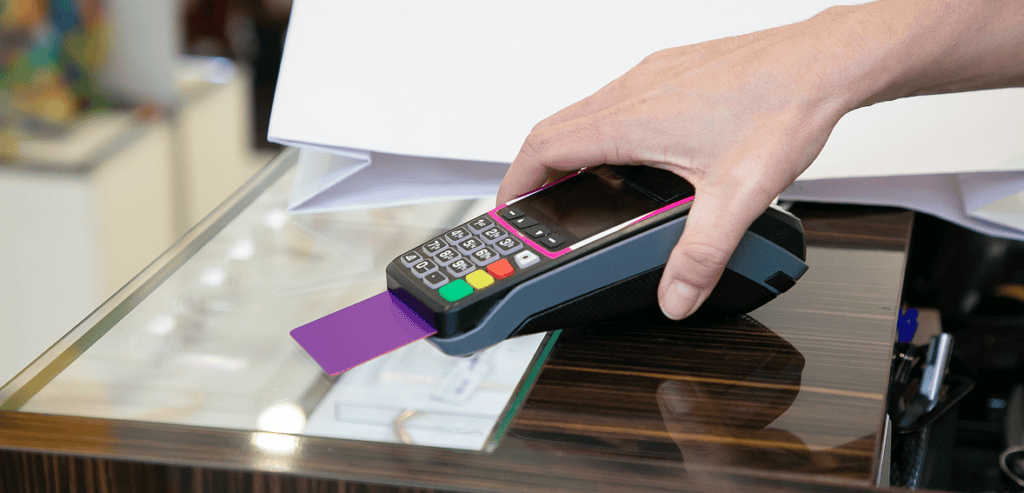
Many gyms process memberships, merchandise, refreshments, and casual visits throughout the day.
The front desk checklist should include verifying:
- POS system operational
- Card terminals connected
- Cash float prepared
- Receipt printer working
- Membership software syncing correctly
- Internet connection stable
Identifying payment issues before opening prevents unnecessary interruptions during busy periods.
Review Daily Communications
Staff should review important messages before members begin arriving.
This includes:
- Manager notes
- Maintenance updates
- Trainer communications
- Membership issues
- Outstanding member requests
- Equipment servicing notices
- Special promotions
- Scheduled deliveries
Keeping everyone informed reduces confusion during the day.
Prepare Member Areas
Members quickly notice whether a gym feels ready for business.
Opening staff should confirm:
- Music is appropriate.
- Televisions are working.
- Air conditioning or heating is operating.
- Lights are functioning.
- Water stations are filled.
- Towels are stocked.
- Cleaning supplies are available.
- Retail displays are organised.
Small details contribute significantly to the overall member experience.
Keep the Opening Checklist Practical
The checklist for an efficient gym opening must not be too lengthy. It is important to include activities which need to be checked daily. Otherwise, if employees start avoiding some parts of the checklist due to their lengthiness, then it loses much of its significance. Focus on operational consistency rather than documenting every possible activity.
Managing the Day Between Opening and Closing
Although opening and closing routines receive most attention, staff should continue following operational standards throughout the day.
A practical gym shift checklist may include:
- Cleaning equipment regularly
- Monitoring supplies
- Checking changing rooms
- Recording maintenance issues
- Following up member requests
- Confirming trainer attendance
- Restocking refreshments
- Reviewing appointments
Smaller shift checklists prevent work from accumulating until closing time.
Begin Closing Before the Final Member Leaves
Closing routines should begin gradually rather than waiting until everyone has left.
Staff can begin:
- Organising reception
- Restocking supplies
- Completing paperwork
- Cleaning quieter areas
- Preparing reconciliation reports
This approach makes closing more efficient without affecting member service.
Clean and Inspect the Facility
The gym closing checklist should include another complete facility inspection.
Employees should check:
- Equipment returned correctly
- Floors cleaned
- Locker rooms tidy
- Showers cleaned
- Waste bins emptied
- Mirrors wiped
- Studio equipment organised
- Windows and doors secured
Any maintenance issues discovered during the day should also be documented before leaving.
Complete Cash and Sales Reconciliation

Financial accuracy is one of the most important closing responsibilities.
Staff should reconcile:
- Cash drawer
- Card payments
- Merchandise sales
- Day passes
- Membership payments
- Refunds
- Discounts
- POS totals
Any discrepancies should be reported immediately rather than investigated days later. Accurate reconciliation supports stronger daily gym operations while reducing accounting errors.
Review Membership Activity
Before closing, staff should confirm important administrative tasks have been completed.
This may include:
- New memberships processed
- Cancellations recorded
- Free trials entered
- Appointment bookings confirmed
- Member notes updated
- Outstanding enquiries recorded
Keeping records current makes the following day’s workload much easier.
Prepare for Tomorrow
Closing is also preparation for the next opening shift.
Staff should ensure:
- Reception organised
- Supplies restocked
- Marketing materials replenished
- Cleaning completed
- Equipment reset
- Appointment lists ready
- Class schedules confirmed
A well-prepared gym creates a smoother start the following morning.
Record Shift Handover Notes
Every shift should leave useful information for the next team. Handover notes may include:
- Equipment requiring maintenance
- Member complaints
- VIP visitors expected
- Outstanding enquiries
- Delivery schedules
- Cleaning issues
- Staff changes
- Special events
Good communication reduces repeated questions while improving continuity between shifts. A structured gym shift checklist often includes a dedicated handover section for this purpose.
Secure the Building
The final responsibility before leaving involves ensuring the facility is secure.
Staff should verify:
- Doors locked
- Windows secured
- Alarm activated
- Lights switched appropriately
- Music turned off
- Computers logged out
- Cash secured
- Sensitive documents stored safely
Building security should always be confirmed before the final employee leaves.
Review Checklists Regularly
Gym operations naturally evolve over time.
A new tool, new service, new software, new staff, or a change in procedures may necessitate revision of checklists. It is recommended that the manager check whether the gym opening checklist and gym closing checklist are still practical through regular revision of these checklists. Staff feedback often provides valuable suggestions for improving checklist effectiveness.
Conclusion
Effective operational procedures allow gyms to maintain consistent performance on a daily basis. Instead of relying on memories, operational procedures guarantee that all necessary duties are performed effectively regardless of personnel. An effective gym opening checklist is used by the gym to make sure that everything is set for the member’s use when the gym opens its doors. At the same time, an effective gym closing checklist allows the gym to wrap up everything on a good note and be organized, safe, and ready for the next day. Together with a proper front desk checklist and daily gym operations, as well as an effective gym shift checklist, these procedures will increase efficiency, avoid mistakes, facilitate training and handover of the staff, and will allow staff to concentrate on providing excellent service to all members.
FAQs
Who should own the checklist?
Assign one accountable person for each shift. Others may complete tasks, but one individual should confirm everything has been finished.
Should every shift use the same checklist?
Use a standard base checklist, then add role-specific tasks where necessary for reception, trainers, cleaning staff, or managers.
How long should a checklist take?
A good checklist should be efficient. It should cover essential operational tasks without becoming unnecessarily long or complicated.
Should managers review completed checklists every day?
Yes. Especially when introducing new procedures or training new employees, daily review helps ensure consistency and accountability.
What is the biggest mistake gyms make?
The biggest mistake is relying on memory instead of a documented process. Written checklists create consistency, reduce errors, and make staff training much easier.