

AI and Automation in Gym Management: Smarter Operations, Better Service
Running a modern gym involves far more than training floors and class schedules. Owners and managers juggle billing, member inquiries, staff coordination, retention efforts, and data tracking every day. As member expectations rise and competition increases, efficiency has become just as important as experience. This is where AI and automation are beginning to reshape gym management in meaningful ways. Automation is not about replacing people. It is about removing repetitive tasks that drain time and energy, so staff can focus on building relationships, coaching members, and maintaining a welcoming environment. When implemented thoughtfully, AI-driven tools can improve accuracy, speed, and consistency across daily operations while also enhancing the member experience.
Automating Administrative Tasks for Smoother Operations
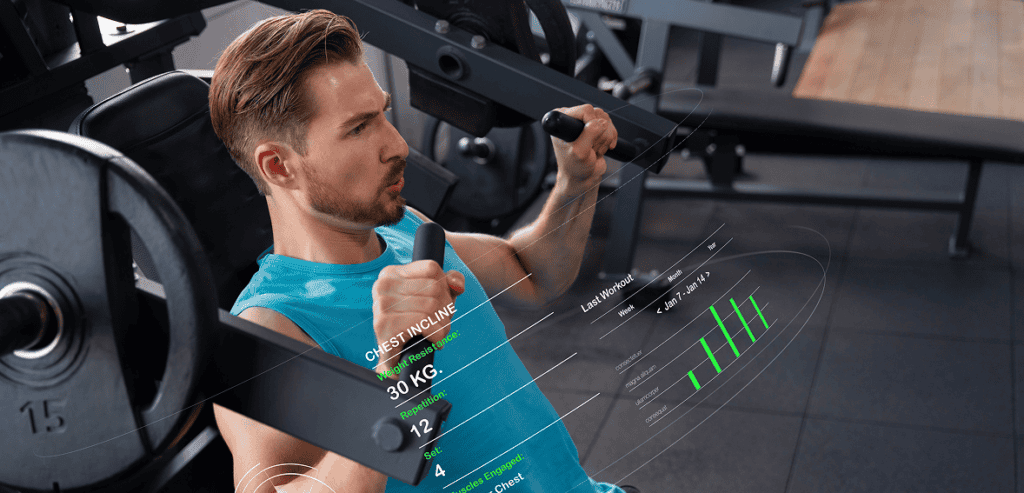
Some of the biggest hidden costs in gym operations revolve around administrative work. Manual billing follow-ups, schedule changes, attendance tracking, and reporting can take hours every week. Automation simplifies these by handling them in the background with little to no human intervention. Automated billing systems reduce missed payments thanks to reminders, retried failed transactions, and real-time status updates of member accounts. This improves cash flow while eliminating awkward conversations at the front desk.
Class scheduling automation prevents double bookings, manages waitlists, and updates availability instantly when changes occur. Members benefit from clearer information, and staff spend less time correcting errors. Check-in automation also plays a role. Digital check-ins using apps, QR codes, or access controls reduce congestion during peak hours and provide accurate attendance data. Over time, these systems create a reliable operational rhythm that keeps the gym running smoothly even during busy periods.
AI-Powered Member Support Through Chatbots and Virtual Assistants
Member questions are constant. Class timings, pricing options, holiday hours, freezing memberships, or booking policies are asked repeatedly throughout the day. AI-powered chatbots help manage this demand by answering common questions instantly, at any hour. Chatbots do not replace staff interaction for complex or sensitive issues. Instead, they handle straightforward inquiries so staff can focus on conversations that require empathy, judgment, or personalization. For members, this means faster responses and fewer delays. For gyms, it reduces interruptions and improves service consistency.
Virtual assistants can also guide members through basic actions such as booking classes, checking schedules, or updating contact details. When designed well, these tools feel helpful rather than intrusive, especially for members who prefer self-service options.
Using Data and Predictive Analytics to Improve Retention

One of the most powerful uses of AI in gym management is data analysis. Gyms collect large amounts of information such as attendance frequency, class participation, payment behavior, and engagement patterns. AI tools can analyze this data far more effectively than manual reports. Predictive analytics help identify early warning signs of disengagement. For example, a steady decline in visit frequency or missed classes may indicate a member is at risk of canceling.
Rather than reacting after the cancellation request arrives, gyms could intervene earlier with a check-in message, class recommendation, or incentive to re-engage. These insights also help hone programming and scheduling. If some classes retain members better than others or certain time slots perform poorly, management can change its offerings based on actual evidence rather than assumptions.
Reducing Errors and Improving Consistency Through Automation
Human error is unavoidable in manual systems, especially when staff are stretched thin. Automation reduces these risks by standardizing processes. Billing rules are applied consistently. Schedules update automatically. Policies are enforced uniformly. This consistency benefits members as much as staff. Clear expectations, reliable systems, and fewer mistakes create trust. Members feel confident that their accounts are accurate and their bookings are secure. Staff experience less stress because they spend less time fixing avoidable problems. Over time, fewer errors also translate into cost savings. Reduced chargebacks, fewer disputes, and lower administrative workload improve operational efficiency without cutting service quality.
Enhancing Staff Productivity Without Increasing Workload
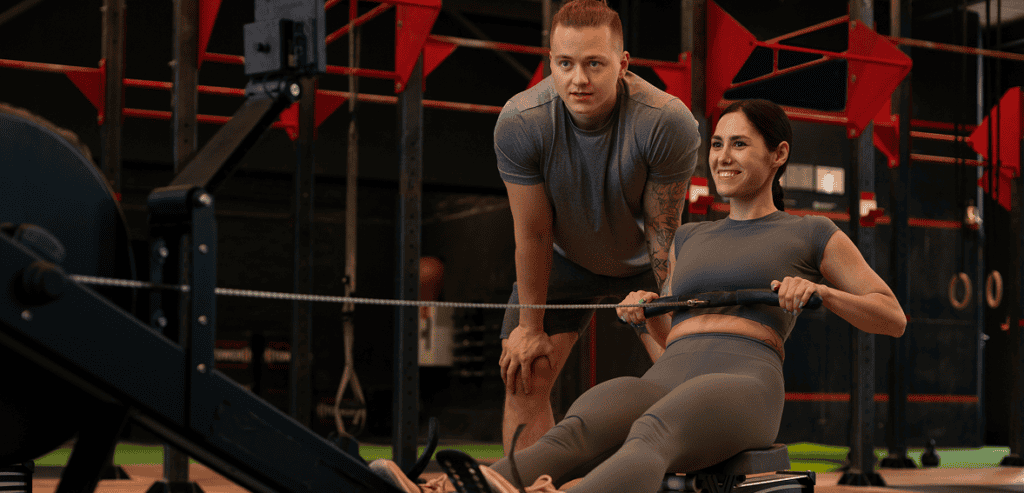
Automation does not reduce the need for staff. It reshapes how staff time is used. When repetitive tasks are automated, employees can focus on higher-value activities such as onboarding new members, providing guidance, managing classes, and building community. This shift improves job satisfaction. Staff are less likely to feel burned out by endless administrative work and more likely to stay engaged in meaningful roles. For gyms, this supports better staff retention and a stronger service culture. Automation also helps managers make better staffing decisions by providing accurate data on peak hours, attendance patterns, and workload distribution. Schedules can be adjusted based on real usage instead of guesswork.
Balancing Technology With the Human Experience
One problem with AI and the use of automation is the loss of the human element. The problem is the opposite in this scenario. By using technology to complete everyday tasks, employees are better placed to interact with members on a personal level. The most successful gyms incorporate AI into their framework to act as an aid to better human interaction rather than an alternative to it. Members are to have access to an actual human being when required. Channels of communication can either foster this trust or induce frustration based on how the technology has been used. The goal is balance. Automation handles scale and consistency, while humans deliver empathy, motivation, and connection. Together, they create a better overall experience.
Cost Considerations and Practical Implementation
Implementing AI and automation does not have to be expensive or complex. Many modern gym management platforms include automation features as part of their standard offerings. Gyms can start small by automating one or two high-impact areas such as billing or scheduling before expanding further. The return on investment often comes from saved staff time, reduced errors, improved retention, and better decision making. Even small efficiency gains add up over time, especially for growing gyms. Planning is essential. Clear goals, staff training, and gradual rollout ensure that automation enhances operations instead of disrupting them.
Preparing for the Future of Gym Management
Technology in fitness is evolving quickly, and member expectations are evolving with it. AI and automation are no longer optional tools reserved for large chains. They are becoming practical necessities for gyms of all sizes. Gyms that adopt automation thoughtfully position themselves for long-term sustainability. They operate more efficiently, respond faster to members, and adapt more easily to changing demands. Most importantly, they free their teams to focus on what truly matters: helping members stay active, motivated, and supported.
Automating Member Communication Without Losing Personal Touch
Consistent communication is essential for keeping members informed and engaged, but manual outreach quickly becomes overwhelming as membership grows. Automation helps gyms maintain regular contact without sounding robotic or impersonal. The key lies in setting up communication triggers that are timely, relevant, and supportive. Automated messages can be used for welcome emails, class reminders, payment confirmations, and milestone check-ins. When a new member joins, an automated welcome sequence can introduce gym policies, highlight beginner-friendly classes, and explain how to get support. This reduces confusion during the critical early weeks and sets expectations clearly.
Automation also means no member falls through the cracks. If a person hasn’t checked in for two weeks, a gentle reminder can urge them to come back. When a class is suddenly canceled, immediate notifications avoid frustration. These messages should always be customizable so gyms can have their own voice and tone. The best strategy combines automation with human follow-up. Staff can jump in for personal outreach when a system flags a person who is seriously disengaging or ignoring messages. When used thoughtfully, automation enhances communication, instead of replacing it with meaningful interactions.
Improving Decision Making With Real-Time Operational Insights
One of the biggest advantages of AI-driven systems is access to real-time operational data. Instead of relying on monthly reports or gut instinct, gym owners can see what is happening inside their business day by day. This visibility supports faster and more confident decision making. Real-time insights help managers identify peak usage hours, underutilized classes, and staffing inefficiencies. If certain time slots consistently run empty, schedules can be adjusted quickly. If specific programs show strong retention impact, they can be expanded or promoted further.
Financial insights also improve accuracy. Automated tracking of revenue, attendance, and labor costs allows gyms to understand profitability by service type instead of looking only at overall numbers. This makes budgeting more precise and helps prevent costly assumptions. Data-driven decisions reduce risk. Instead of guessing what members want, gyms can respond to actual behavior patterns. Over time, this approach leads to smarter growth, better resource allocation, and fewer reactive changes that disrupt operations.
Supporting Scalable Growth Without Adding Administrative Burden
Growth is a positive goal, but it often brings operational strain. As memberships increase, manual systems struggle to keep up. Automation allows gyms to scale without proportionally increasing administrative workload or staffing costs. When systems handle billing, scheduling, reporting, and basic communication automatically, growth does not create chaos. New members can be onboarded smoothly, class demand can be managed efficiently, and records stay accurate even as volume increases. Scalability also supports consistency. Whether a gym grows from 200 to 500 members or adds new programs, automated workflows ensure that policies, pricing rules, and communication standards remain consistent. This protects the brand experience and reduces internal confusion.
For multi-location gyms or those planning expansion, automation becomes even more valuable. Centralized systems allow management to monitor performance across locations without duplicating effort. Growth feels controlled rather than overwhelming, allowing leadership to focus on strategy instead of paperwork.
Ethical Use of AI and Building Member Trust
As gyms adopt more advanced technology, ethical use becomes an important consideration. Members trust fitness facilities with personal data related to health, habits, and payment information. AI systems must respect that trust through transparency and responsible use. Gyms should clearly explain what data is collected and how it is used. Members should understand that analytics exist to improve service and support engagement, not to monitor behavior unfairly. Consent and privacy safeguards should be standard, not optional.
In ethical use of AI, one must prevent over-automation. Not all engagements must be automated, particularly in cases that are sensitive, such as for injured follow-ups or account disputes. There must be clear escalation to human representatives to prevent depriving people of empathy. In gyms, when a clear message about the use of technology to enhance services is delivered, users will find no issues with the adoption of such technology. Trust grows when systems feel supportive rather than intrusive. Ethical implementation ensures that automation strengthens relationships instead of weakening them.
Conclusion
In the end, AI and automation are not about turning gyms into cold, tech-driven spaces. They are about creating breathing room. When routine tasks run quietly in the background, gym owners and staff gain time, clarity, and energy to focus on people. Members feel the difference through smoother experiences, faster support, and more thoughtful engagement. Used responsibly, technology strengthens trust rather than replacing connection. As fitness businesses continue to evolve, the gyms that blend smart systems with genuine human care will stand out. They will not just operate better, they will build stronger communities that keep members coming back.
Frequently Asked Questions
What can AI do for a gym in practical terms?
AI can automate routine tasks such as billing reminders, scheduling confirmations, and basic member support. It can also analyze data to identify trends and risks, helping gyms make smarter decisions.
How does automation improve daily operations?
Automation reduces manual work, minimizes errors, and keeps systems consistent. This leads to smoother workflows, faster service, and better use of staff time.
Are members comfortable interacting with AI tools?
Most members appreciate quick responses for simple questions, as long as there is an easy option to reach a human when needed.
Can AI really help with member retention?
Yes. By identifying early signs of disengagement and enabling timely outreach, AI supports proactive retention efforts rather than reactive ones.
Is AI implementation expensive for small gyms?
Not necessarily. Many platforms offer built-in automation features that are affordable and scalable, allowing gyms to start small and expand as needed.
Leave a Reply