
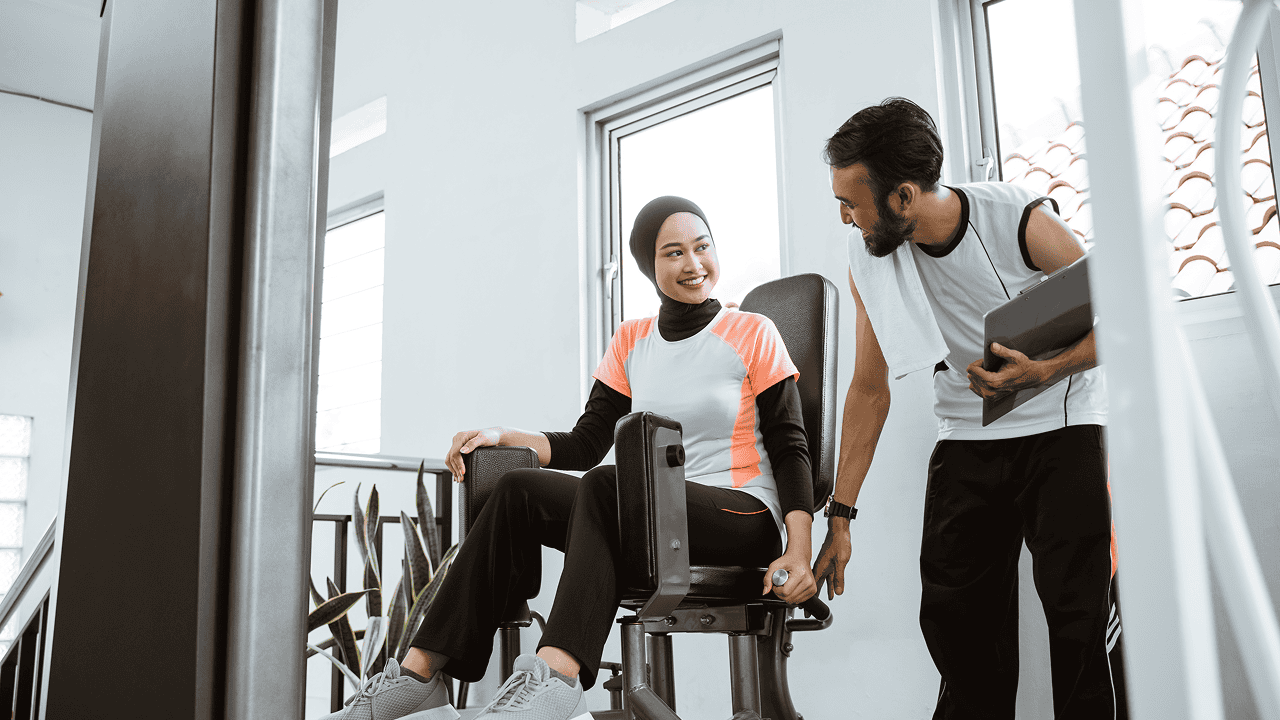
Creating an Inclusive Gym Environment: Diversity, Accessibility, and Welcoming Culture
Fitness should be a space where everyone feels welcome, safe, and supported. Yet many people still hesitate to join gyms because they fear judgment, lack of accessibility, or programs that do not reflect their needs. An inclusive gym environment goes beyond compliance or good intentions. It is about intentionally designing spaces, programs, and interactions so that people of all ages, abilities, body types, and backgrounds feel that they belong. Inclusivity is not only the right thing to do, it also makes strong business sense.
A significant portion of the population lives with a disability, is returning to exercise later in life, or is new to fitness entirely. These groups are often underserved. Gyms that address these gaps build deeper trust, stronger loyalty, and a richer sense of community. Creating an inclusive gym environment requires attention to physical access, program design, staff behavior, and cultural norms. When these elements work together, gyms become places where confidence grows, intimidation fades, and long-term engagement thrives.
Why Inclusion Matters: Underserved Populations and Market Potential
Most gyms only serve a small portion of the population. The environment in which these gyms are located, as well as the programming offered, is often intimidating or overwhelming for many new members or for older adults or for people who have physical limitations. Because of this, many of those in the community who could potentially use the gym are left out. In fact, approximately 1 in 4 adults has some form of disability, whether it be physical or mental. Disabilities can range from physical limitations due to injury, condition, or neurological differences to sensory impairments to chronic illness. In addition to disabilities, older adults are one of the fastest-growing segments of the fitness industry; they are looking for safe, welcoming, and socially supportive exercise opportunities.
Inclusion also extends to people who feel excluded for reasons unrelated to disability. First-time gym users, people in larger bodies, individuals recovering from injury, or those returning after long breaks often carry anxiety about being judged. When gyms acknowledge these realities and actively design for inclusion, they remove barriers that prevent participation. From a business perspective, inclusive gyms benefit from broader reach and stronger retention. Members who feel genuinely welcomed tend to stay longer, refer friends, and engage more consistently. Inclusion improves reputation, but more importantly, it strengthens community. Gyms become places people want to be rather than places they feel they must adapt to.
Facility Accessibility: Equipment and Layout for All Abilities
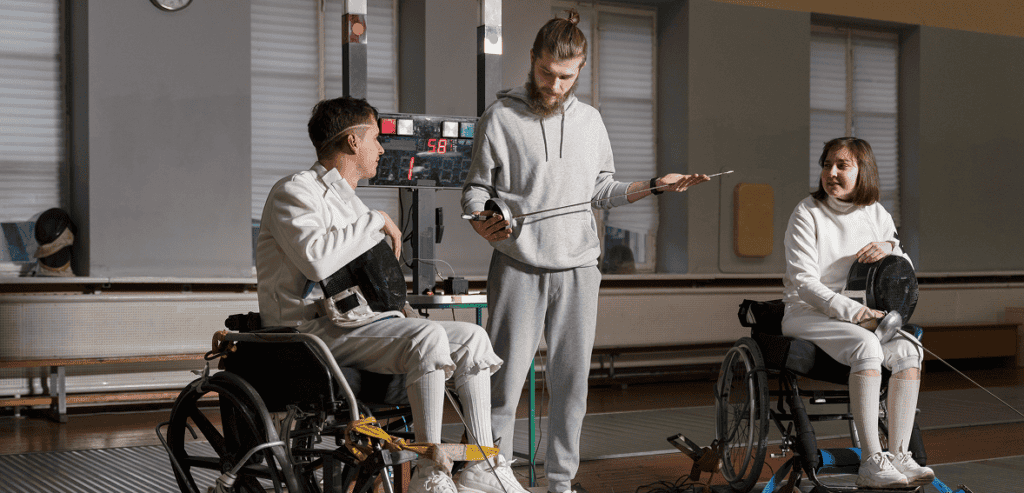
Physical accessibility is the foundation of an inclusive gym environment. If members cannot safely enter, navigate, or use the space, inclusion efforts fall short before programming or culture can make a difference. Accessible design starts with entry points. Ramps or step-free access, wide doorways, and clear signage make the facility usable for people with mobility aids. Inside the gym, walkways should be wide enough for wheelchairs and walkers, with uncluttered paths between equipment zones. Flooring should be non-slip and consistent to reduce fall risks.
Equipment selection also plays a major role. Gyms do not need to replace everything, but adding a few adaptive options can dramatically improve access. Examples include selectorized machines that allow seated use, cable systems with adjustable heights, and upper body cardio equipment. Clear spacing around machines allows users to transfer safely or position mobility devices. Locker rooms and restrooms should not be overlooked. Accessible stalls, grab bars, seating areas, and showers make the entire gym experience more dignified. When members can manage basic needs independently and safely, confidence and comfort increase. Small design choices communicate inclusion. Good lighting, readable signage, and logical zoning help members orient themselves without asking for help. Accessibility benefits everyone, not just those with disabilities. Parents, older adults, and beginners all appreciate spaces that feel easy to navigate and safe to use.
Inclusive Programming: Classes and Training for Diverse Needs
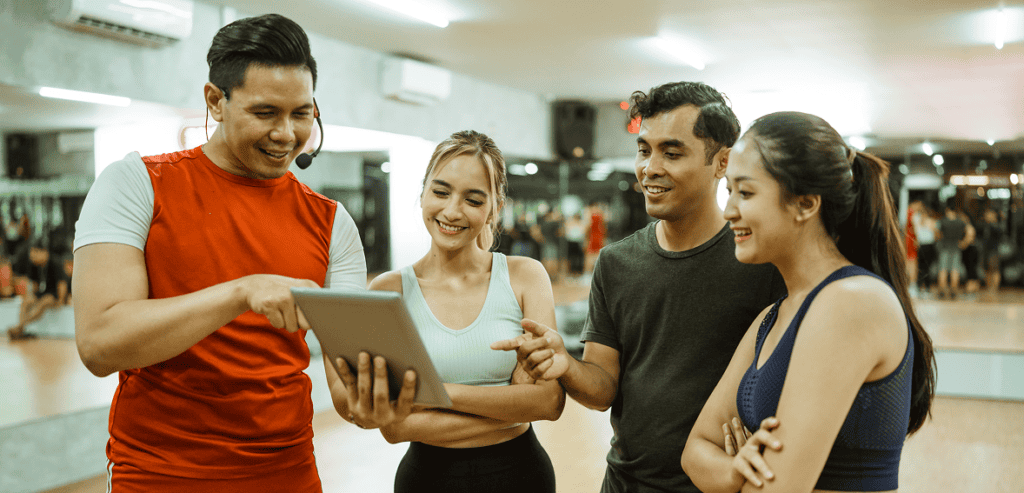
Programming is where inclusion becomes visible in action. Even accessible facilities can feel unwelcoming if classes and training options only suit a narrow fitness level or ability range. Inclusive programming offers variety. This may include low-impact classes, balance and mobility sessions, beginner-friendly strength training, or chair-based options. Programs for older adults often focus on functional movement, stability, and confidence rather than intensity. Adaptive training allows individuals with disabilities to participate meaningfully rather than being sidelined. Importantly, inclusion does not require segregating every group. Some gyms find success with integrated classes where instructors demonstrate multiple movement options.
This method of providing adaptation normalizes modifications and facilitates a feeling of being less concerned about appearing different. A hybrid solution is offered at several gyms, in which dedicated adaptations are offered along with inclusive general classes. Members choose whichever option they prefer. The importance of personal training is paramount, and a trainer with adaptive training knowledge will provide a tailored session to meet their varied needs. A trainer’s work might include helping someone rehabilitate after an injury or live with chronic illness, or assist a person in managing physical restrictions. Trainers are not attempting to reduce members’ aspirations but rather establish realistic goals based on what the member is capable of handling. When Class Descriptions indicate to whom a class will be beneficial, what to expect, and whether modification options exist, clearly articulating this information improves member anxiety and participation rates.
Fostering an Inclusive Culture: Staff Training and Member Experience
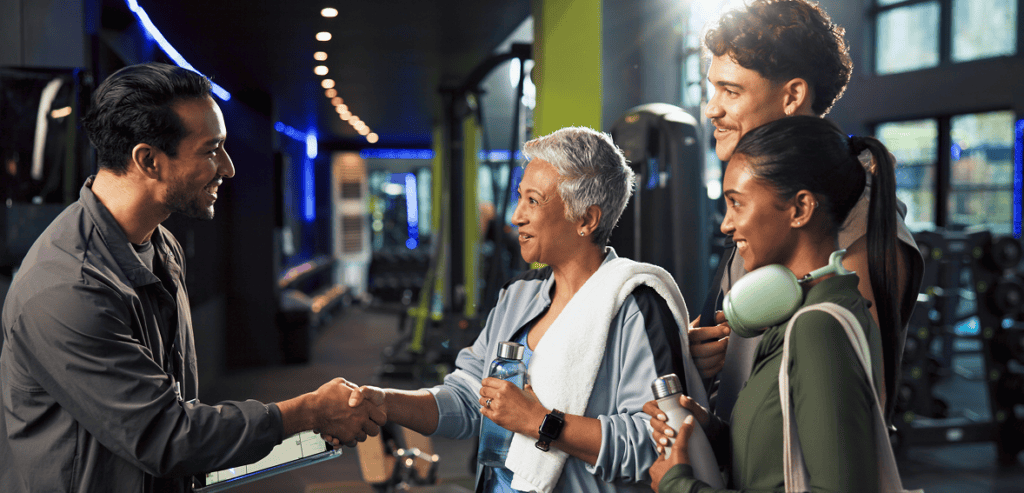
An inclusive gym is defined as much by how people behave as by how the space looks. Staff interactions shape first impressions and long-term experiences more than any piece of equipment. Staff training is essential. Team members should understand how to welcome people of different abilities and backgrounds with respect and confidence. This includes using person-first language, asking before offering assistance, and avoiding assumptions based on appearance. Inclusion training helps staff respond comfortably rather than awkwardly, which members can feel immediately.
Policies are very important for gyms, to establish and communicate a clear message of “zero tolerance” for harassment, body shaming, and exclusionary behavior. This policy is applicable to the entire membership base, as well as gym staff. When these expectations are established and enforced in a consistent manner, it allows for people to feel safer and appreciated in the fitness community. The front desk interactions are one of the most crucial times in creating a member’s first impression of the gym. The front desk will often be the member’s first encounter with the gym, and therefore, can influence whether the person decides to remain a member, or to leave.
The front desk staff should provide each member with a warm greeting; patient, and informative explanation of the services provided at the gym; and an open door for additional questions without any judgment. By providing an inclusive culture through the usage of imagery and language within marketing materials, catalogues, and its signage, gyms will also increase the likelihood of bringing in new members. For example, using images of all different types of body types, ages, and abilities in marketing materials and avoiding using class names and signage that imply exclusivity or shame within the gym culture will make it easier for potential members to see that there is a place for them within the gym, which will increase the likelihood that they will join.
Removing Intimidation for Beginners and New Members
Many people avoid gyms because they expect to feel judged or out of place. Inclusion must address this emotional barrier, not just physical access. Beginner-friendly initiatives help reduce intimidation. Orientation sessions that explain how equipment works, what gym etiquette looks like, and where to start provide reassurance. Beginner-only classes or programs allow people to build confidence without comparison pressure.
Clear guidance also helps. Signage that explains zones, suggested starter routines, or staff availability reduces the feeling of being lost. When help is visible and accessible, members are more likely to ask questions and stay engaged. Encouraging a supportive member culture matters. Staff can model inclusive behavior by greeting members by name, celebrating effort rather than appearance, and reinforcing that progress looks different for everyone. Over time, this shapes how members interact with each other. Gyms that prioritize psychological safety create environments where people feel comfortable trying new things. This willingness to participate is a key driver of long-term retention and satisfaction.
Measuring Inclusion and Adapting Over Time
Inclusion is not a one-time project. It requires ongoing evaluation and adjustment based on member feedback and changing needs. Surveys and informal conversations provide valuable insight. Asking members whether they feel welcomed, supported, and represented highlights areas for improvement. Feedback from underserved groups is especially important, as their experiences may differ from the majority.
Tracking participation across programs can also reveal gaps. If certain demographics are underrepresented or drop out quickly, programming or communication may need adjustment. Inclusion efforts should be revisited regularly rather than assumed to be complete. Staff involvement is critical. Encourage employees to share observations and suggestions. They often notice barriers or opportunities that leadership might overlook. Inclusion works best when it becomes part of everyday operations rather than a separate initiative.
Conclusion
Creating an inclusive gym environment requires intention, education, and empathy. Accessibility, inclusive programming, respectful staff interactions, and welcoming culture all work together to remove barriers that prevent people from participating in fitness. Inclusive gyms do more than expand their market. They create spaces where confidence grows, community strengthens, and members feel genuinely valued. When people feel safe and supported, they are more likely to stay engaged, recommend the gym to others, and integrate fitness into their lives long-term. Inclusion is not about lowering standards or simplifying fitness. It is about recognizing that people arrive with different needs, abilities, and experiences. Gyms that embrace this reality position themselves for stronger relationships, better retention, and a more resilient future built on belonging rather than exclusion.
Frequently Asked Questions
1. What does an inclusive gym environment really mean?
An inclusive gym environment is one where people of all ages, body types, abilities, fitness levels, and backgrounds feel welcome and supported. It means the space, equipment, programs, and staff interactions are designed so members do not feel judged, excluded, or unsafe. Inclusion goes beyond accessibility requirements and focuses on creating a culture where everyone can participate confidently and comfortably.
2. Do inclusive gyms only focus on people with disabilities?
No. While accessibility for people with disabilities is an important part of inclusion, inclusive gyms also serve beginners, older adults, people returning after injury, individuals in larger bodies, and anyone who feels intimidated by traditional gym environments. Inclusive design benefits a wide range of members by making fitness more approachable for everyone.
3. How can a gym become more accessible without a major renovation?
Many improvements can be made without large construction projects. Rearranging equipment to create wider walkways, improving lighting, adding clear signage, offering seated or low-impact options in classes, and training staff on inclusive communication all make a meaningful difference. Small changes often have a big impact on member comfort and usability.
4. Are inclusive programs separate from regular fitness classes?
Not always. Some gyms offer dedicated programs for seniors, beginners, or adaptive fitness, while others integrate inclusive options into general classes by providing modifications. A hybrid approach is often the most effective, allowing members to choose what feels right for them without feeling isolated or labeled.
5. How does inclusion affect member retention?
Members who feel welcomed and respected are more likely to stay long term. Inclusive environments reduce intimidation, increase confidence, and help people build positive relationships with staff and other members. This sense of belonging leads to higher engagement, better attendance, and stronger loyalty over time.
6. What role does staff play in creating an inclusive gym?
Staff play a critical role. Their attitude, language, and willingness to assist shape how members experience the gym. Training staff to avoid assumptions, offer respectful support, and address exclusionary behavior consistently helps create a safe and welcoming atmosphere for all members.
7. Can inclusive gyms still offer high-intensity or advanced training?
Yes. Inclusion does not mean removing challenging programs. It means offering options and clear communication so members can choose what suits their abilities and goals. Advanced training can coexist alongside beginner and adaptive programs when the gym culture respects all participation levels.
8. How can a gym measure whether its inclusion efforts are working?
Gyms can track participation across different programs, gather member feedback through surveys or conversations, and monitor retention trends among new and underserved members. Listening to feedback and making adjustments over time helps ensure inclusion remains a living practice rather than a one-time initiative.
Leave a Reply