
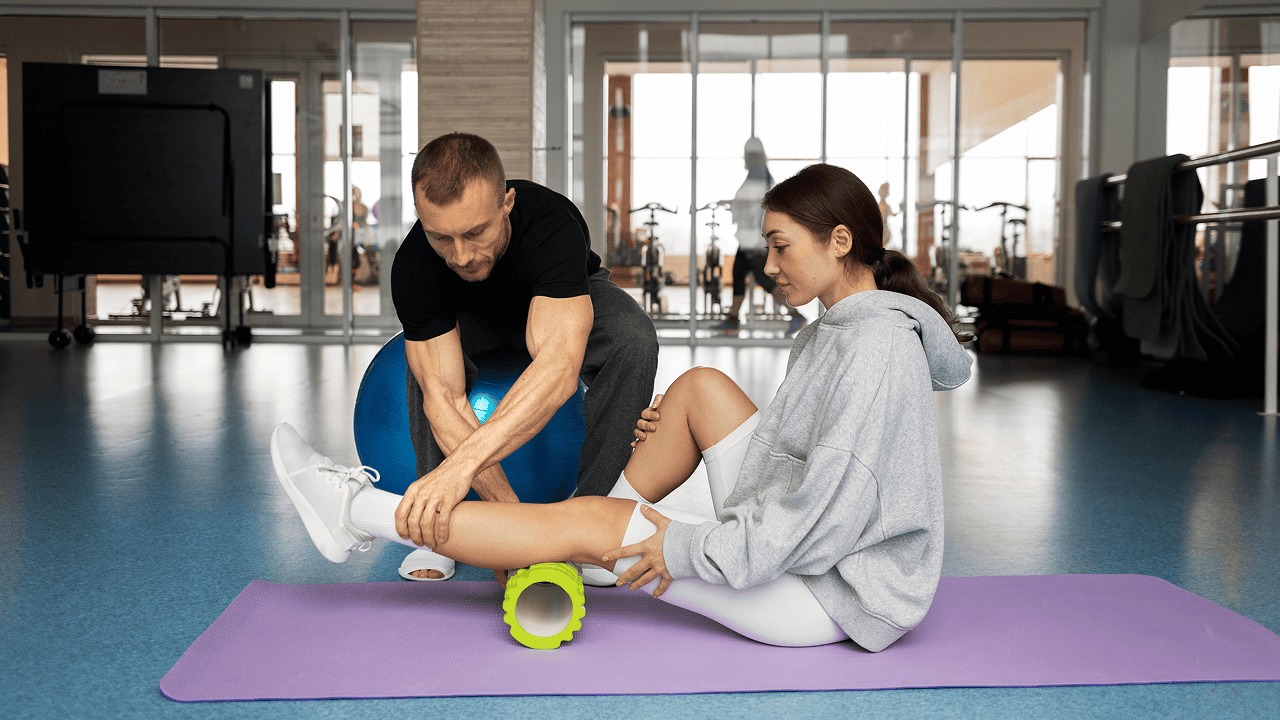
Safety and Injury Prevention: Building a Safety Culture in Your Gym
A successful gym is not defined only by modern equipment, energetic trainers, or packed group classes. At its core, a truly successful fitness facility is one where members feel safe every time they walk through the doors. Gym safety and injury prevention are not side considerations. They are central to long term member trust, retention, and business sustainability. When people believe a gym genuinely prioritizes their well being, they are more likely to train consistently, recommend the facility to others, and stay committed even as their fitness goals evolve.
Building a strong safety culture requires intention and consistency. It means creating systems, habits, and attitudes that place member safety at the center of daily operations. From staff readiness and equipment care to member education and emergency planning, every layer of the gym experience plays a role. Workout injury prevention is not about eliminating all risk, which is impossible in physical activity. It is about reducing unnecessary risk and responding effectively when issues arise, ensuring that fitness remains empowering rather than intimidating.
Understanding Common Gym Injuries and Why Prevention Matters
The first step for a gym owner is to understand what kind of injuries will most probably happen in the fitness environment. The majority of prevalent problems include strains and sprains, mainly brought about by improper form, lifting too much weight too fast, or not warming up. Back injuries are more frequent because one can lift with bad mechanics while performing deadlifts and squats. When performing bench presses and overhead movements, the shoulders become sensitive. Poor jumping, lunging, or squatting due to lack of proper technique or mobility causes knees to be strained.
Accidents can happen outside of lifting as well. Slips and falls due to wet floors, cluttered walkways, or poorly placed equipment are very common contributors to gym-related injuries. Dropped weights, unstable benches, and misused cardio machines will too often turn minor mistakes into serious incidents. Planning out the layout of a facility for gym safety, along with supervision and clear guidelines on how to use equipment, majorly reduces these risks. Injury prevention early on is key; beginners are statistically more likely to get hurt within the first months of starting their journey.
Staff Preparedness and Gym Safety Training
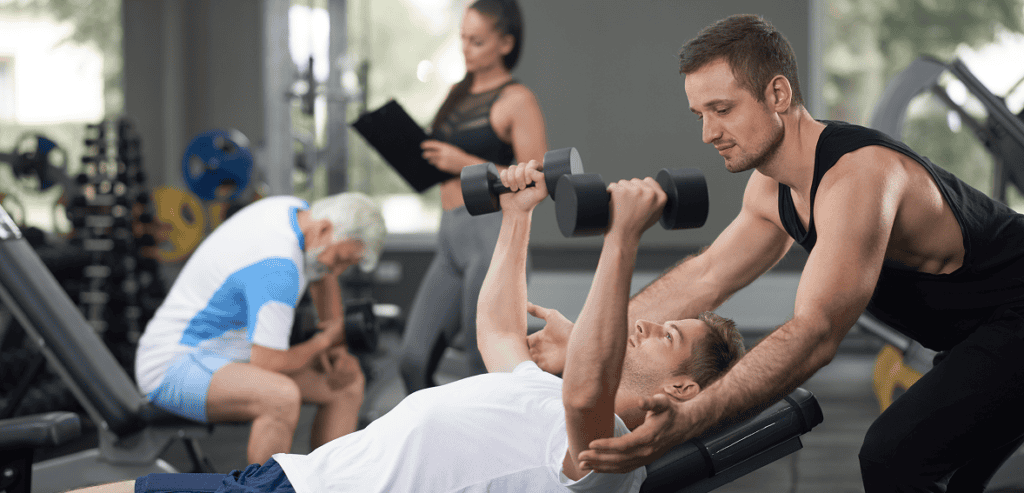
A strong safety culture starts with staff. Trainers, front desk personnel, and floor supervisors are the first line of defense when it comes to injury prevention and emergency response. Every gym should ensure that multiple staff members are trained in first aid and CPR, with current certifications that are renewed on schedule. Having staff who can respond calmly and competently to medical emergencies builds confidence among members and can significantly reduce the severity of incidents.
Beyond certifications, gym safety training should include regular emergency drills and clear role assignments. Staff should know exactly who calls emergency services, who retrieves first aid equipment, who manages crowd control, and who documents the incident. These procedures should be reinforced periodically so responses remain automatic rather than reactive. Ongoing training also helps staff spot risky behavior on the floor, allowing them to intervene politely but effectively before an injury occurs.
Equipment and Facility Maintenance as a Safety Priority
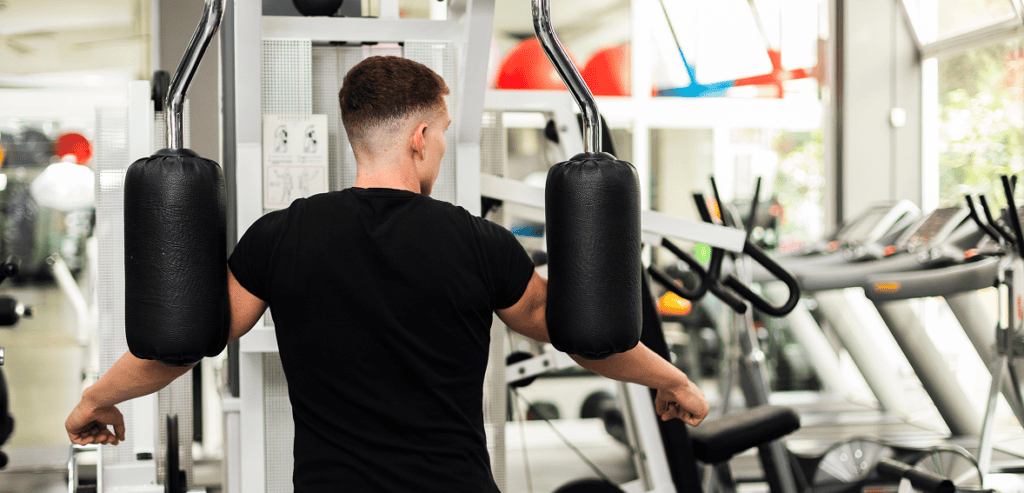
Equipment safety is a non-negotiable part of gym operations. Even the most experienced lifter can be injured by faulty machines, frayed cables, or loose bolts. Daily visual checks help catch obvious issues such as damaged padding, unstable benches, or malfunctioning consoles. Weekly inspections should go deeper, looking at wear on cables, belts, and moving parts, while monthly or scheduled professional servicing ensures long term reliability.
Maintaining a clear maintenance log is essential for accountability and protection. When equipment inspections and repairs are documented, gyms demonstrate due diligence in member safety protocols. If an issue is identified, equipment should be removed from service immediately until fixed. Cleanliness also matters. Sweat or water on floors, especially near locker rooms and cardio areas, increases the risk of slips. A well maintained facility directly supports workout injury prevention by creating an environment where members can focus fully on movement without unnecessary hazards.
Creating Clear Gym Rules That Prevent Accidents
The rules in the gym are there not to constrict the members, but to protect them. Clear guidelines around re-racking of weights, use of collars on barbells, returning dumbbells, and wiping down of equipment are what keep things running and safe. When there are weights strewn all over or improperly stored, the chances of tripping up, dropping any equipment, or making strained movements go way up.
Rules should be communicated in such a way as to provide support rather than authoritarian commands. Visible signage near free weight areas and machines reinforces expectations without confrontation. Staff should also model the exact behavior consistently. When members see trainers following the same rules, compliance improves naturally. Effective protocols for ensuring members’ safety make safe behavior the norm and reduce the occurrence of preventable injuries across the gym floor.
Educating Members as Part of Injury Prevention
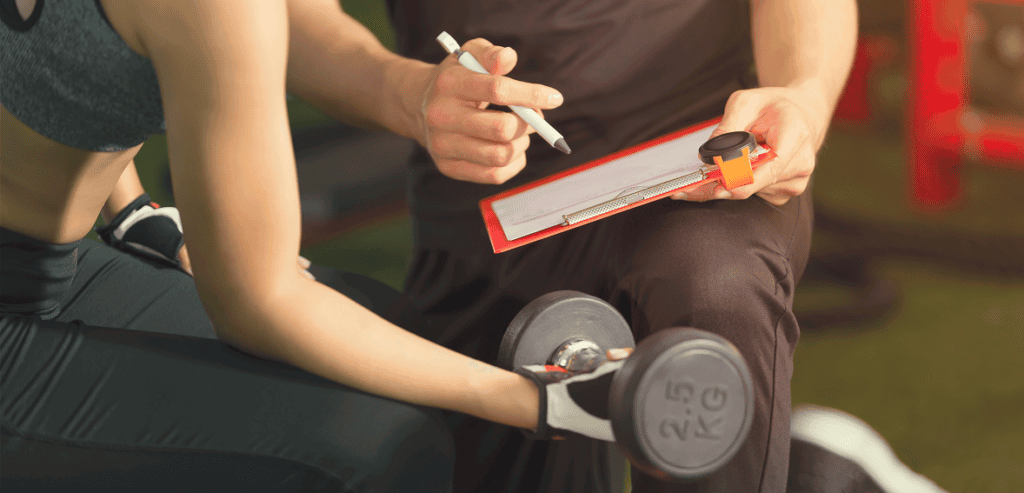
Member education is one of the most powerful tools in injury prevention. New member orientations are a perfect opportunity to introduce basic gym safety principles, including equipment usage, spotting etiquette, and the importance of warming up and cooling down. Even brief instruction can prevent long term habits that lead to pain or injury.
Ongoing education can take many forms. Occasional workshops on lifting technique, posture, or mobility not only reduce injuries but add value to memberships. Friendly reminders from staff when form looks risky help correct issues early. When education is presented as support rather than criticism, members are more receptive. A culture where people feel comfortable asking questions and receiving guidance contributes strongly to gym safety and long term member confidence.
Emergency Preparedness and Fitness Facility First Aid
Even with the best prevention systems, emergencies can still occur. A strong emergency action plan ensures gyms are ready when seconds matter. Fitness facility first aid supplies should be well stocked, clearly labeled, and easily accessible. Automated External Defibrillators should be visible and staff should be confident using them if needed.
Emergency preparedness also includes clear evacuation routes, emergency contact lists, and communication protocols. Regular reviews of these plans keep them current and effective. When members see staff handling situations calmly and professionally, trust deepens. Preparedness is not only about response. It reinforces the message that member safety is taken seriously at every level of operation.
Building a Culture of Shared Responsibility
The most successful safety culture is not one that is driven through rules and compliance, but through a culture of shared responsibility between members and staff themselves. By promoting a sense of members looking out and spotting each other, and by providing spot assistance and informing staff of a hazard, this environment can become a better place.
Positive reinforcement is also significant. For example, thanking a member for re-racking weights or assisting another member is a good practice. This breeds a culture of care and thoughtfulness within the club. Injury prevention is a key element of the culture members develop in their interaction with the facility and other members, which is good for the experience.
Why Prevention Protects Both People and the Business
From a business perspective, injury prevention has clear benefits. Fewer injuries mean fewer disruptions, less negative publicity, and reduced legal exposure. Consistent gym safety training, equipment maintenance, and documentation create a defensible position if incidents occur. More importantly, safe gyms retain members longer and attract those who value professionalism and care.
Members who feel safe are more likely to train confidently, try new programs, and stay engaged. This leads to higher retention and stronger community reputation. In an industry where trust is critical, a visible commitment to safety becomes a competitive advantage rather than an operational cost.
Designing Gym Layouts With Safety in Mind
The physical layout of a gym has a major influence on injury prevention, yet it is often overlooked during planning or expansion. Crowded floors, narrow walkways, or poorly defined training zones increase the likelihood of collisions, dropped equipment injuries, and accidental trips. A safety focused gym layout clearly separates cardio areas, free weights, functional training zones, and group exercise spaces so members can move confidently without interfering with each other’s workouts.
Adequate spacing between machines allows full range of motion without obstruction, while clearly marked walkways reduce congestion during peak hours. Flooring also plays a key role in gym safety. Slip resistant surfaces in locker rooms and high sweat zones, shock absorbing flooring in weight areas, and stable platforms for lifting all contribute to workout injury prevention. Thoughtful layout design signals professionalism and care, helping members feel secure and focused. Over time, a safer layout not only reduces incidents but also improves overall workout flow and member satisfaction.
Managing Peak Hours to Reduce Risk
Peak hours present unique safety challenges for gyms. Increased foot traffic, equipment shortages, and rushed workouts raise the likelihood of accidents and poor form. Managing these periods effectively is an important part of member safety protocols. Staffing levels should align with peak demand so there are enough trained eyes on the floor to guide members and intervene when needed.
Clear systems for equipment sharing and time limits can also reduce frustration and unsafe behavior. When members feel pressured to rush sets or lift without proper spotting, injury risk rises. Encouraging patience and awareness during busy times helps maintain gym safety even under strain. Simple measures such as reminding members to wait for open space, offering alternative exercises, or directing traffic flow around congested zones can make a meaningful difference. Proactive management during peak hours reinforces the message that safety matters at all times, not only when the gym is quiet.
The Importance of First Aid Visibility and Accessibility
First aid in a fitness facility works best when visible and accessible. First aid kits, AEDs, and instructions should not be behind a desk or in a staff-only area. Clear signs assist both the staff and members in identifying where help is located, especially in high-stress moments when time and clarity are critical.
It is also the case that visibility reinforces trust; when members observe well-maintained first-aid stations and clearly marked emergency equipment, it speaks to a sense of preparedness and professionalism. Not to be understated is the confidence of the staff in deploying this equipment. To this end, regular refreshers ensure that such muscle memory takes over during incidences. In the context of ensuring accessibility, pathways to emergency equipment must remain unimpeded at all times. First aid readiness, when put into the physical environment, reinforces gym safety culture and supports faster, more effective responses when incidents arise.
Using Incident Reporting to Strengthen Prevention
Incident reporting is not about assigning blame. It is a powerful tool for improving injury prevention when used correctly. Documenting near misses, minor injuries, and safety concerns helps gym management identify patterns before serious problems develop. These reports can highlight recurring issues such as slippery areas, frequently misused equipment, or times of increased risk.
Encouraging staff to report incidents consistently creates a feedback loop that strengthens gym safety over time. Members can also be invited to report hazards without fear of inconvenience. Reviewing reports regularly allows adjustments to training, layout, or procedures that reduce future risk. Proper documentation also demonstrates accountability and professionalism, which is valuable for liability protection. When incident reporting is treated as part of continuous improvement rather than failure, it becomes one of the most effective tools in workout injury prevention.
FAQs
What are the most common injuries that happen in gyms?
Common gym injuries include muscle strains, sprains, back injuries from improper lifting, knee issues from poor squat or jump mechanics, shoulder injuries during pressing movements, and accidents such as dropped weights or slips on wet floors.
How often should equipment be inspected or maintained?
Cardio equipment should receive quick daily checks and deeper monthly inspections, while strength equipment should be checked weekly for wear, loose parts, or cable damage, with regular professional servicing scheduled throughout the year.
What should be included in a gym emergency plan?
A gym emergency plan should cover medical emergencies, evacuation procedures, staff roles during incidents, first aid and AED access, emergency contacts, and regular staff training to ensure confident and coordinated response.
How can I encourage members to prioritize safety?
Safety can be encouraged through clear orientations, visible signage, supportive staff guidance, occasional form workshops, and fostering an environment where members look out for one another and feel comfortable asking for help.
Do liability waivers fully protect a gym from injuries?
Liability waivers are important but not absolute protection. They help set expectations but do not cover negligence. Proper safety practices, staff training, equipment maintenance, and documentation remain the strongest protection for gyms.
Leave a Reply