

The Executive KPI Dashboard for Gym Owners: Metrics, Cadence, and Decisions
Running a successful gym requires more than offering quality workouts and modern equipment. Behind every thriving fitness facility is a business that relies on clear operational insights. Many gym owners collect large amounts of data from membership systems, billing platforms, class schedules, and marketing campaigns. However the challenge often lies in identifying which numbers actually matter for making better decisions.
Without a clear structure, business reports can quickly become overwhelming. Owners may review dozens of metrics each week without understanding which indicators reveal real performance trends. This is where an executive dashboard becomes valuable. A focused gym KPI dashboard brings together the most important gym performance metrics into one view so leaders can monitor the health of the business quickly.
An effective dashboard does not attempt to track everything. Instead it highlights the indicators that influence member growth, engagement, and revenue. A well designed gym operations dashboard often includes indicators such as MRR gym, attendance trends, marketing performance, and retention levels. By combining attendance KPIs, lead KPIs, and a structured sales and retention scorecard, gym owners can move from reactive reporting to proactive management.
Why Gym Owners Need a Focused KPI Dashboard
Many gyms already collect extensive operational data through membership platforms and booking systems. While this information can be valuable, reviewing raw reports often takes time and may not provide a clear picture of overall performance.
A well-structured gym KPI dashboard makes the process much easier by bringing the most important information in one place. For instance, instead of having to look at many reports, the gym owner will be able to easily obtain a brief overview of the trends in the membership, engagement, and revenue generated.
This method helps businesses identify the key gym performance metrics which will be important for the sustainability of the gym. For example, the gym might be having high membership signups in one month, yet the revenue might be declining because of the high cancellations during the same month.
A well-defined gym operations dashboard enables the owner to easily identify the relationships between the various operations of the gym. For instance, the MRR gym, attendance, and the results of the marketing will be easily understood when they are presented in one place, and the relationships between the operations will be clear. By including attendance KPIs, lead KPIs, and a structured sales and retention scorecard, gym leaders gain a balanced perspective on business health rather than focusing on isolated numbers.
The Gym KPI Stack: Leads, Conversions, Members, Attendance, and Revenue

One useful framework for organizing a gym KPI dashboard is the concept of the KPI stack. This structure connects the key stages of a member’s journey from first contact through long term engagement. The first stage involves lead KPIs, which measure how effectively the gym attracts potential members. These indicators may include the number of inquiries, website form submissions, or trial bookings generated through marketing campaigns.
The next stage focuses on conversions. This is where prospects become paying members. Monitoring conversion rates helps gym owners understand how well their sales process turns interest into memberships. Once members join, the dashboard shifts attention to engagement metrics such as attendance KPIs. Regular attendance often indicates that members are receiving value from the gym experience.
Revenue metrics also play a central role. MRR gym, or monthly recurring revenue, provides a clear picture of predictable income generated by membership subscriptions. Combining these metrics within a gym operations dashboard creates a logical flow from acquisition to revenue. When paired with a sales and retention scorecard, gym owners can see how marketing, engagement, and financial performance connect.
Billing Reliability Metrics That Protect Revenue
Membership based businesses depend on reliable billing systems. Even when members intend to continue their subscriptions, payment issues can disrupt revenue if billing processes are not monitored carefully. A comprehensive gym KPI dashboard therefore includes metrics related to billing reliability. These indicators help owners identify problems such as overdue accounts, failed transactions, and refund patterns.
Monitoring gym performance metrics related to payment success ensures that revenue data remains accurate. Payment failures sometimes appear as cancellations in reports, which can distort retention analysis if they are not tracked separately.
Within a gym operations dashboard, metrics such as recovery rates for failed payments provide insight into how effectively staff resolve billing issues. High recovery rates indicate strong follow up processes and reliable communication with members.
These billing indicators complement financial metrics like MRR gym by ensuring that recurring revenue reflects actual member activity. When included alongside attendance KPIs and lead KPIs, billing reliability becomes part of the broader sales and retention scorecard used to evaluate business stability.
Capacity Metrics: Understanding How the Facility Is Used
Beyond revenue and marketing data, gyms must also understand how their facilities are utilized. Capacity metrics provide insight into whether classes, training areas, and equipment are being used efficiently.
A strong gym KPI dashboard includes metrics that measure class attendance and space utilization. For example the percentage of available class spots filled during peak hours helps owners evaluate whether schedules align with member demand.
This is where attendance KPIs come in. These KPIs show trends in member behavior. For instance, if there is high demand for particular classes, it may mean that more of such classes can be offered. On the other hand, if there is low turnout in particular classes, it may mean that adjustments need to be made. Capacity KPIs can be used to create overall performance metrics for the gym concerning member satisfaction. For instance, if there is overcrowding in particular classes, it may reduce the overall experience for the members.
These capacity metrics can be used in conjunction with other metrics such as MRR gym to create overall performance metrics for the sales and retention scorecard. They do this by showing how resource utilization can be improved for better member experience.
Weekly vs Monthly Dashboards
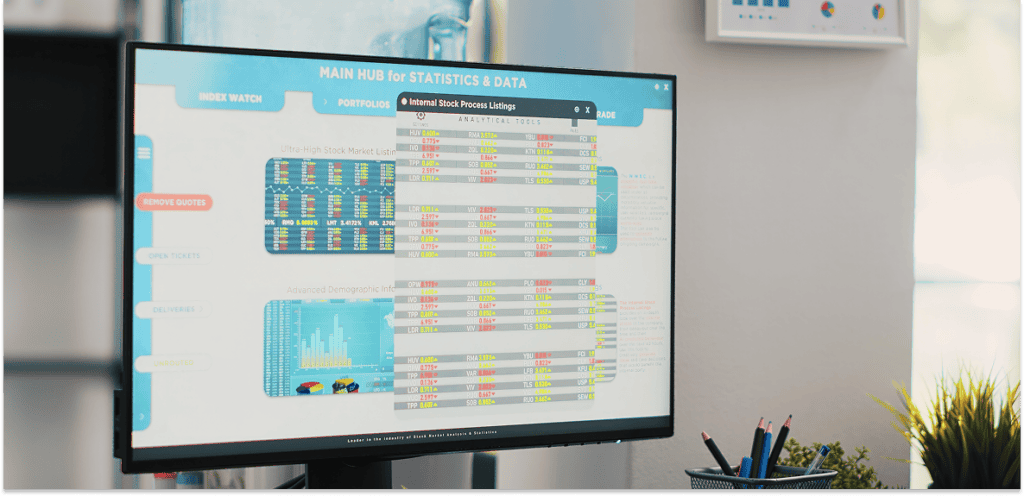
Not all metrics require the same review schedule. Some indicators change quickly and require frequent monitoring, while others evolve gradually and are better suited to monthly analysis.
An effective gym KPI dashboard separates metrics into weekly and monthly categories. Weekly dashboards typically focus on operational indicators that influence immediate decisions.
For example lead KPIs are often reviewed weekly to ensure marketing campaigns are generating sufficient inquiries. Similarly attendance KPIs may be monitored frequently to identify sudden changes in engagement.
Monthly dashboards usually focus on broader gym performance metrics such as membership growth and MRR gym trends. These indicators reflect longer term patterns rather than daily fluctuations.
A structured gym operations dashboard therefore combines both timeframes. Weekly reviews support operational adjustments, while monthly reviews provide strategic insight. Including these metrics within a sales and retention scorecard ensures that gym leaders maintain both short term awareness and long term perspective.
Connecting KPIs to Real Decisions
The true value of a gym KPI dashboard lies in its ability to guide decisions. Metrics become meaningful only when they inform specific actions that improve business performance. For example declining lead KPIs may indicate that marketing campaigns require adjustment. Owners might respond by refining advertising strategies or improving referral programs.
Similarly changes in attendance KPIs may highlight issues with scheduling or class popularity. Gym managers can use this data to modify timetables or introduce new programs that better match member interests.
Financial indicators such as MRR gym help leaders evaluate pricing strategies and membership packages. When combined with retention data, these gym performance metrics reveal whether revenue growth comes from new memberships or improved member retention.
Within a gym operations dashboard, each KPI should correspond to a specific operational decision. The sales and retention scorecard therefore becomes a practical management tool rather than a passive reporting system. By linking metrics to actions, gym owners ensure that dashboards support meaningful improvements.
Data Sources Behind Gym Dashboard Metrics
Building an accurate dashboard requires reliable data sources. Most gyms already use several digital platforms that collect operational information automatically.
Membership management systems track signups, cancellations, and billing activity. These systems provide key financial indicators such as MRR gym and payment reliability metrics. Scheduling platforms record class reservations and check in data, which supports attendance KPIs. This information reveals how members interact with the facility and participate in programs.
Marketing tools and customer relationship management systems contribute lead KPIs by tracking inquiries, trial bookings, and conversion rates. A unified gym KPI dashboard often combines data from these platforms into a single interface. This integration creates a comprehensive gym operations dashboard that reflects the entire member journey.
When these data sources work together, the sales and retention scorecard becomes a reliable representation of business performance. [52]
Avoiding Analysis Overload

While data is valuable, too many metrics can create confusion rather than clarity. Gym owners who track dozens of indicators may struggle to identify the few numbers that truly influence business outcomes.
A successful gym KPI dashboard will include a small number of key performance indicators that are important to the gym business. Key areas to include are lead generation, member engagement, revenue stability, and retention.
Simplification of a gym operations dashboard is important to help business leaders quickly consume information without getting overwhelmed. Instead of analyzing many metrics, business owners can focus on those that are important to decision-making. For instance, analyzing MRR gym, attendance, and lead KPIs can give a business owner a complete picture of business performance in all areas simultaneously.
A sales and retention scorecard should remain simple and focused. Expanding this section of a gym operations dashboard is important only when it is consistently required to inform decision-making.
Using Dashboards to Guide Strategic Growth
Beyond day to day operations, dashboards also support long term planning. A well designed gym KPI dashboard reveals trends that help owners evaluate the effectiveness of business strategies.
For example consistent growth in lead KPIs combined with stable conversion rates may indicate successful marketing initiatives. Meanwhile improvements in attendance KPIs may signal stronger member engagement. Revenue trends such as increasing MRR gym demonstrate the financial impact of these improvements. When combined with retention data, these gym performance metrics help determine whether growth is sustainable.
A strategic gym operations dashboard therefore becomes an essential tool for expansion planning. Owners can use the sales and retention scorecard to evaluate when the business is ready to invest in new equipment, hire additional trainers, or open new locations. By reviewing these indicators regularly, gym leaders ensure that growth decisions are supported by reliable data rather than assumptions.
Conclusion
Operating a successful gym requires more than enthusiasm for fitness; it requires clear insight into business performance. Without structured reporting, owners may face overwhelming data without knowing which numbers matter most. A focused gym KPI dashboard highlights key metrics in one view, while an operations dashboard tracks acquisition, engagement, and revenue trends. Indicators like MRR, attendance KPIs, and lead KPIs show how members move from inquiry to long-term participation. Organized within a sales and retention scorecard, these metrics guide smarter decisions. By reviewing dashboards regularly and acting on insights, gym leaders can address issues early, strengthen retention, improve financial stability, and support sustainable long-term growth.
FAQs
Q: What’s the most important KPI in a gym?
A: Net member change combined with revenue context is often the most important indicator. Looking only at signups does not reveal whether the gym is actually growing. When signups, cancellations, and MRR gym trends are reviewed together in a gym KPI dashboard, owners gain a clearer understanding of true membership growth.
Q: Why track billing reliability separately?
A: Payment failures can appear as cancellations if they are not tracked carefully. Monitoring billing reliability metrics ensures that financial reports reflect real member behavior rather than temporary payment issues. Including these indicators within a gym operations dashboard helps improve revenue stability.
Q: Where do dashboard metrics come from?
A: Most metrics used in a gym KPI dashboard originate from systems such as billing platforms, scheduling software, check in systems, and marketing or CRM tools. Integrating these sources allows gyms to build a unified sales and retention scorecard that reflects the entire member journey.
Q: Does CloudGymManager emphasize dashboards and reports?
A: Many gym management platforms highlight reporting and analytics as key features. Dashboards that summarize gym performance metrics, membership trends, and revenue indicators allow owners to monitor business performance efficiently.
Q: How do I avoid analysis paralysis?
A: Keep the dashboard focused on a small set of action oriented metrics. Monitoring lead KPIs, attendance KPIs, and financial indicators such as MRR gym often provides enough insight to guide decisions. Expanding the dashboard only when new metrics consistently influence decisions helps maintain clarity.