
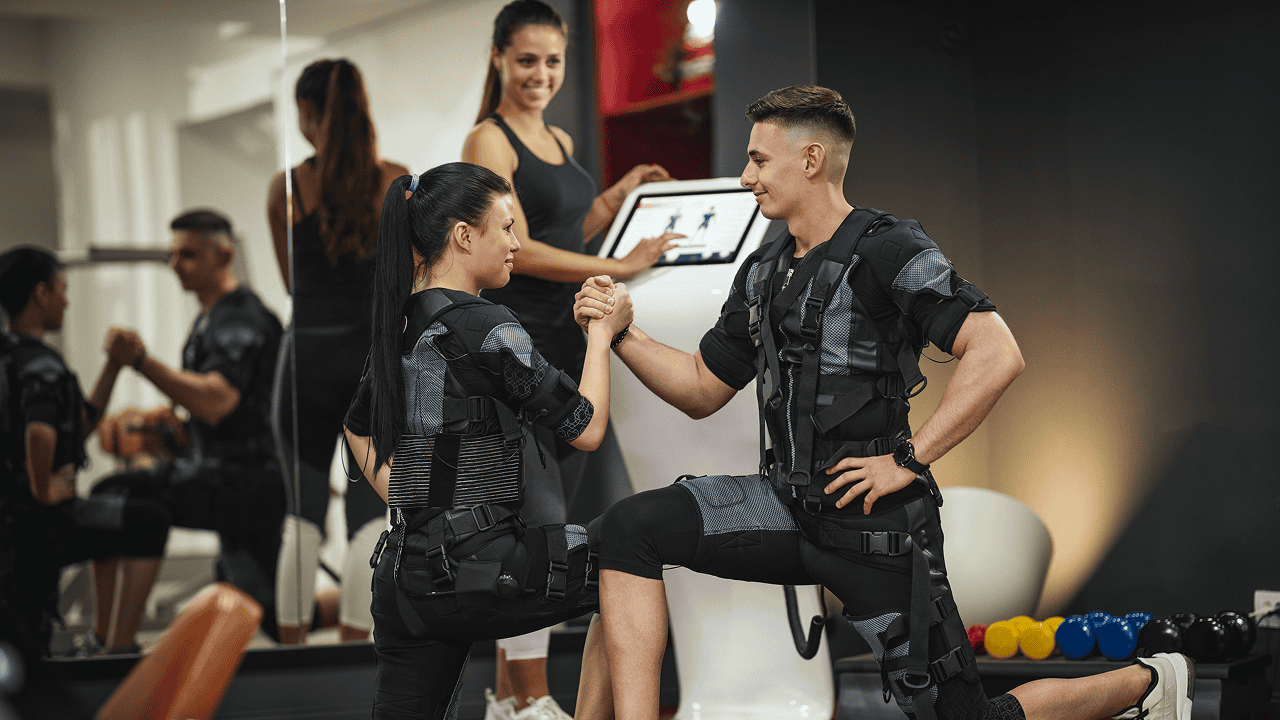
Gamification in Gyms: Boosting Member Engagement with Challenges and Rewards
Keeping members motivated over the long term is one of the biggest challenges gyms face. Even highly motivated people can lose momentum when workouts start to feel repetitive or isolating. Gamification offers a practical way to solve this problem by turning fitness into an engaging, goal-driven experience. By introducing challenges, rewards, and friendly competition, gyms can make workouts feel more interactive and enjoyable while encouraging consistent attendance. Gamification does not mean turning your gym into a video game. Instead, it involves using simple game-like elements such as points, milestones, leaderboards, and rewards to reinforce positive behaviors. When implemented thoughtfully, gamification strengthens member engagement, builds community, and supports better retention. It also creates shared experiences that give members reasons to talk about the gym outside its walls, helping drive referrals organically.
Why Gamification Works: The Psychology Behind Motivation
Gamification works because it taps into our natural drive to stay motivated. People are really motivated by progress, recognition, and achievement. When people see clear signs of getting better, like earning points or hitting milestones, that feeling of accomplishment makes them want to return. These small wins build consistency, which is essential for forming fitness habits. Competition also matters a lot, even for people who don’t think of themselves as competitive. Friendly challenges create accountability and social motivation. Knowing their participation helps a team goal or shows up on a leaderboard makes members more likely to stick with it. But this competition doesn’t need to be intense. Often, friendly comparison and shared goals work better than aggressive ranking.
Rewards add another layer of motivation. Tangible incentives such as gym merchandise or small perks, combined with recognition, make members feel valued. Over time, these external motivators support internal motivation by helping members associate fitness with enjoyment rather than obligation. The result is higher engagement without adding pressure or guilt.
Implementing Fitness Challenges That Members Actually Enjoy

Challenges are one of the most accessible ways to introduce gamification into a gym. The key is designing challenges that feel achievable, inclusive, and fun rather than intimidating. Popular formats include 30-day consistency challenges, class attendance goals, step-count competitions, or team-based challenges where members work together. Successful challenges focus on participation rather than elite performance. For example, rewarding members for attending a set number of sessions is more inclusive than rewarding only the strongest or fastest participants. This ensures beginners and long-term members feel equally welcome. Team-based challenges also reduce pressure by shifting the focus from individual performance to collective effort.
Clear communication is essential. Members should understand the rules, duration, and rewards from the start. Progress updates during the challenge help maintain excitement and prevent drop-off. When challenges are framed as opportunities for growth and fun rather than tests of ability, participation rates remain high and members associate the gym with positive experiences.
Using Leaderboards and Progress Tracking for Motivation

Leaderboards can be powerful motivators when used thoughtfully. They provide visible progress and encourage members to stay engaged by showing how their efforts add up over time. However, leaderboards should highlight participation, consistency, or improvement rather than just top performance to avoid discouraging less advanced members. Many gyms use multiple leaderboard categories to increase inclusivity. Examples include most improved, most consistent attendance, or team contributions. This approach allows more members to see themselves reflected positively.
Progress tracking tools that show individual achievements also reinforce motivation by reminding members how far they have come. Transparency matters. Members should feel that tracking is fair and accurate. When progress data is clear and easy to understand, trust increases and engagement follows. Over time, progress tracking becomes part of the gym’s culture, helping members focus on long-term habits rather than short-term results.
Rewards Programs and Incentives That Build Loyalty
Rewards programs often give gamification its structure; they turn effort into actual benefits. Members earn points for many different actions. Think about check-ins, class attendance, referrals, or finishing challenges, for instance. These points, then, can be used for merchandise, services, or membership perks. The most effective rewards, truly, align with the gym’s brand and its community. Branded apparel, guest passes, or complimentary services do more than just build loyalty; they also promote the gym outside its walls.
Membership-related rewards (like discounts or priority booking) also help keep people committed long-term. But here’s a key point: rewards must be achievable. Programs that feel out of reach quickly lose their appeal. Regular chances to redeem points keep things exciting and members engaged throughout the year. Recognition, in fact, is just as important as physical rewards. Publicly acknowledging member achievements helps them feel truly seen and appreciated, strengthening their emotional ties to the gym.
Designing Inclusive Gamification for All Fitness Levels

One risk of gamification is unintentionally excluding certain members. Not everyone enjoys competition, and some may feel discouraged if challenges favor advanced athletes. Inclusive gamification focuses on effort, consistency, and personal progress rather than raw performance. Offering multiple challenge tracks or beginner-friendly options helps broaden participation. Allowing members to opt in or out of leaderboards also respects individual preferences. Feedback plays a critical role.
Listening to members and adjusting formats ensures gamification remains enjoyable rather than stressful. Inclusivity also extends to communication. Gamification should feel supportive, not demanding. When members view challenges as encouragement rather than pressure, engagement increases naturally. Over time, inclusive gamification helps create a welcoming environment where members of all abilities feel comfortable participating.
Measuring the Impact of Gamification on Engagement
To be effective, gamification should be evaluated regularly. Tracking participation rates, attendance frequency, and retention trends helps gyms understand what is working. Comparing engagement before and after introducing challenges provides valuable insights into member behavior. Feedback is equally important. Short surveys or informal conversations reveal how members feel about challenges and rewards.
If participation declines or certain members disengage, it may indicate that adjustments are needed. Continuous improvement keeps gamification fresh and relevant. When gamification is aligned with broader retention goals, it becomes more than a novelty. It supports consistent attendance, stronger community bonds, and long-term loyalty. Over time, these benefits contribute directly to a healthier and more resilient gym business.
Personalized Gamification: Tailoring Challenges to Individual Goals
Not all gym members want the same thing. Some people aim for weight loss; others seek strength gains, stress relief, or simply consistency. Personalized gamification gets this. It matches challenges to individual goals instead of forcing everyone into one competitive system. This makes gamification more relevant and helpful, especially for members who feel overlooked by broad challenges. Therefore, personalized challenges can focus on attendance regularity, personal improvement, or habit building; they don’t have to involve just performance numbers. For instance, a member coming back after a long break might do well with a “10 visits in 30 days” goal. But someone focused on endurance could simply track their cumulative workout minutes.
When members see goals that reflect their intentions, engagement increases because success feels achievable and meaningful. Personalization also reduces intimidation. Members are less likely to compare themselves negatively to others when progress is measured against their own baseline. This fosters intrinsic motivation and builds confidence. Over time, personalized gamification supports long-term behavior change rather than short bursts of participation. By recognizing that progress looks different for everyone, gyms create a more supportive environment where members stay engaged for the right reasons.
Using Gamification to Improve Class Attendance and Schedule Balance
Group classes often suffer from uneven attendance, with peak sessions overbooked while others struggle to fill spots. Gamification can help rebalance class participation by encouraging members to explore underutilized sessions. This improves operational efficiency while giving members more variety in their routines. Attendance-based challenges can reward members for trying new class times, instructors, or formats. For example, a “class explorer” challenge might recognize members who attend sessions across different days or times. This nudges behavior without forcing schedule changes. Members feel rewarded for flexibility, and gyms benefit from better class distribution.
Actually, gamification helps cut down on those last-minute cancellations. When people earn points or hit streaks for showing up regularly, they simply won’t skip sessions as often. It’s a psychological thing. That obviously makes classes more reliable, and frankly, it boosts instructor morale. Eventually, steady attendance helps everyone. You get less crowding, yes; but also, class sizes become much more predictable. That means a better experience overall. So, when gyms tie gamification to simply showing up for class (not just hitting physical goals), they really strengthen both member engagement and how smoothly things run. Members get motivated to come often. And in turn, gyms get a much better handle on scheduling and using their resources.
Gamification as a Tool for Community Building and Social Connection
One of the strongest drivers of long-term gym retention is social connection. Gamification can play a powerful role in strengthening relationships between members by creating shared goals and collective experiences. Team-based challenges, group milestones, and community-wide achievements shift focus away from individual outcomes and toward collaboration. When members work together toward a shared target, such as total check-ins or collective workout hours, participation becomes social rather than solitary. This reduces dropout risk, especially for newer or less confident members who may feel isolated. Social accountability encourages consistency without pressure, as members feel supported rather than judged.
Community-focused gamification also encourages organic interaction. Members start conversations around progress, celebrate wins together, and build familiarity beyond their immediate workout circles. This sense of belonging makes the gym feel less transactional and more relational. Over time, strong community bonds become a competitive advantage that is difficult to replicate. Members who feel connected are less likely to cancel, even when motivation dips. Gamification that emphasizes teamwork and shared success helps transform the gym from a place people visit into a community they belong to.
Avoiding Gamification Fatigue: Keeping Engagement Fresh Over Time
Gamification works, yes, but endless repetition without new twists? That will make people lose interest fast. Members might check out if challenges become too predictable; the rewards may start feeling cheap, too. So, to avoid this ‘gamification fatigue,’ we really need to plan things out carefully and refresh them often. Simply mixing up the challenge formats helps keep everything new. Try individual tasks, then team efforts; sometimes focus on showing up, other times on building habits. This kind of variety keeps people involved and engaged. Actually, seasonal themes or quick campaigns can perk things up quite a bit, and without making members feel swamped. Here’s a key point: not every single challenge has to be a competition. Some, in fact, should just be about taking part, learning something new, or trying things out.
Listening to member feedback is critical. If participation drops or certain groups disengage, it may signal that challenges are too demanding or no longer relevant. Adjusting difficulty levels, timelines, or rewards can restore balance. Offering optional participation ensures gamification remains an enhancement rather than an obligation. Sustainable gamification is not about constant intensity. It is about rhythm, variety, and responsiveness. When gyms treat gamification as an evolving engagement strategy rather than a fixed system, members remain curious, motivated, and willing to participate long term.
Conclusion
Gamification offers gyms a smart way to get members more involved without actually changing their main services. How? By using challenges, leaderboards, and rewards carefully. This helps create a better, more fun environment for members. The real point isn’t just competition; it’s about building connection, encouraging consistency, and celebrating every bit of progress. When used the right way (with inclusivity and balance), gamification makes habits stronger, builds a sense of community, and keeps people coming back. Think about it: gyms that truly focus on fun, achievable goals and real acknowledgement create experiences members genuinely want. They come back for more. In an industry all about motivation, gamification truly turns effort into enjoyment, making workouts feel like shared wins.
FAQs
1. What does gamification mean in a gym context?
Gamification in a gym involves using game-like elements such as points, challenges, badges, or rewards to encourage participation and consistency. It turns workouts into engaging experiences rather than routine tasks.
2. How do challenges and leaderboards motivate members?
They provide visible progress and social accountability. Seeing achievements or rankings encourages members to stay consistent and feel proud of their efforts, especially when competition remains friendly and inclusive.
3. What are simple ways to start gamifying a gym?
Monthly challenges, attendance milestones, referral rewards, or recognition boards are easy entry points. Even simple tracking and small prizes can significantly increase engagement.
4. Do rewards programs really improve retention?
Yes, when designed well. Rewards reinforce positive behavior, increase visit frequency, and make members feel appreciated, all of which contribute to stronger loyalty.
5. Can gamification discourage some members?
It can if it feels exclusive or overly competitive. Inclusive design, multiple participation levels, and optional involvement help ensure gamification remains motivating rather than intimidating.
Leave a Reply