
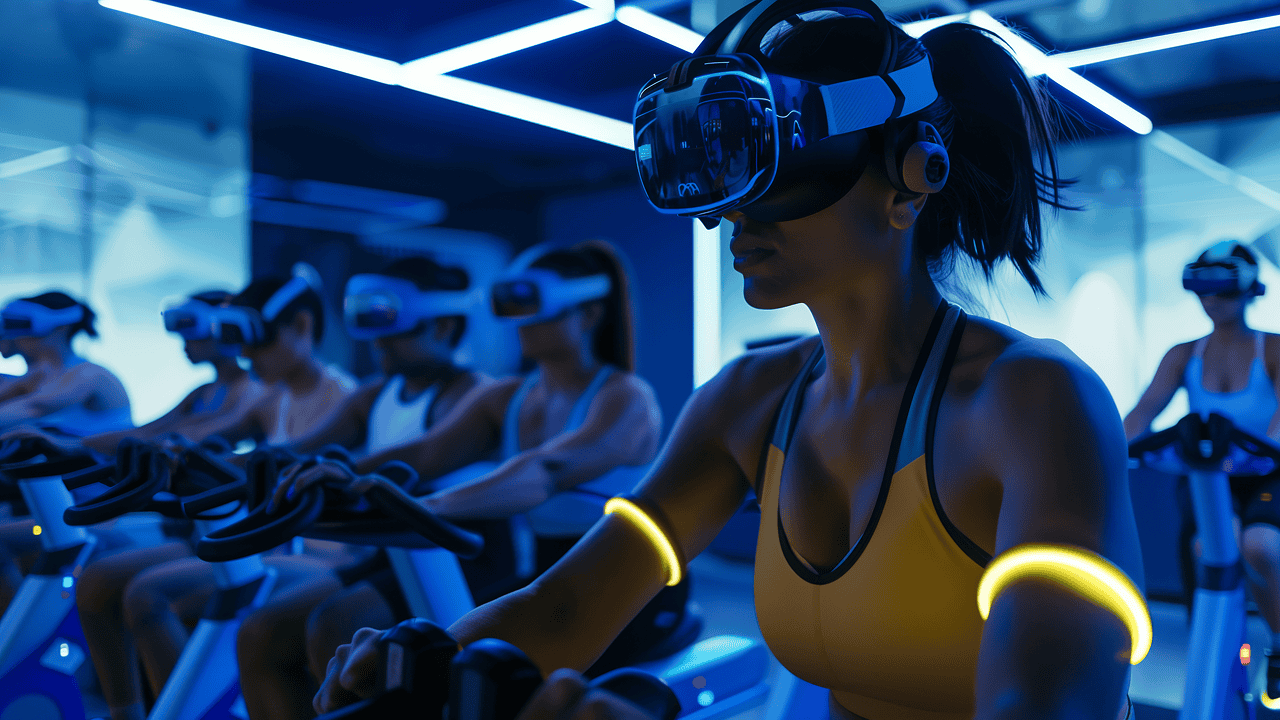
VR & AR in Fitness: Is Your Gym Ready for Virtual Workouts?
Virtual and augmented reality are no longer distant concepts reserved for gaming or science fiction. They are steadily making their way into gyms, studios, and fitness centres around the world. As members look for experiences that are engaging, motivating, and different from traditional routines, technologies like VR fitness and augmented reality workouts are emerging as serious contenders in the modern gym landscape. These tools promise immersive environments, real time feedback, and a level of novelty that can re-energize how people think about exercise.
For gym owners and fitness managers, the question is not whether VR and AR are possible, but whether their gyms and members are ready for VR and AR. A virtual reality gym setup can turn a simple cardio workout into something that feels more like exploration than exercise. On the other hand, AR fitness classes can provide guidance and cues on top of physical movement. The combination of these two technologies is changing the expectations of what a workout should feel like, but they also have some considerations that need to be weighed.
The Rise of Immersive Workouts: VR Cycling, Virtual Classes, and Beyond
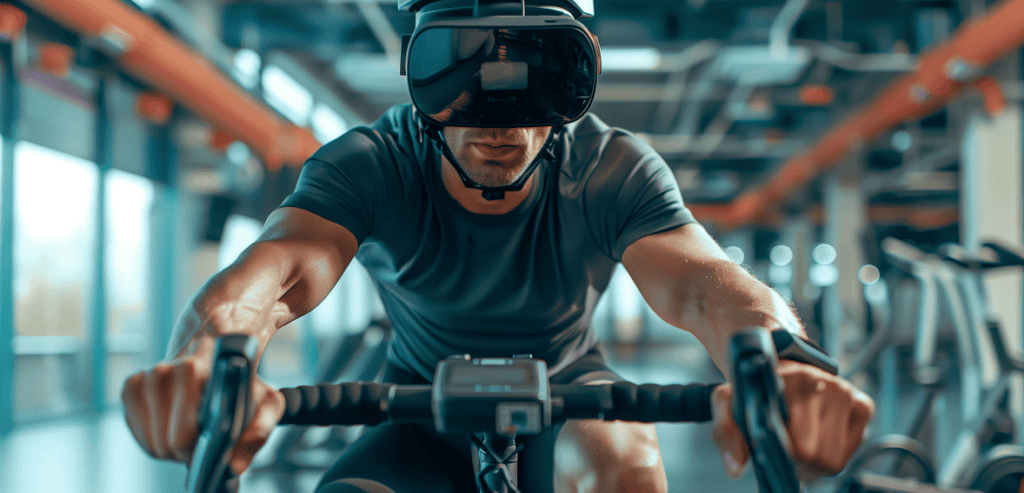
Immersive workouts are gaining traction because they change how people experience effort and repetition. VR fitness allows users to step into visually rich environments while exercising, such as cycling through mountain roads, rowing across open water, or boxing in a digital arena. Instead of staring at a wall or screen, members become part of a scene that distracts from fatigue and makes workouts feel shorter and more engaging.
Augmented reality fitness training has a slightly different approach in that it enhances the real world instead of replacing it. AR fitness classes can project form instructions, exercise data, or engaging challenges on screens or smart mirrors while exercising. This combination of physical and virtual exercise is attractive to those who want innovation without losing sight of their environment. As more advanced immersive fitness technology emerges, fitness centers are discovering that these technologies are attractive not only to younger generations but also to those who struggle with motivation and boredom.
Required Gear and Setup: Headsets, Sensors, and Space Considerations
Introducing VR or AR into a gym environment requires more than simply purchasing new software. VR fitness setups typically involve headsets, motion sensors, compatible cardio equipment, and in some cases dedicated machines designed specifically for immersive use. These components need to work together seamlessly to ensure safety, comfort, and performance. Adequate floor space is also important so that users can move freely without risk of collision or imbalance.
Augmented reality workouts might need the use of big screens, smart mirrors, cameras, or wearable sensors, depending on how interactive the sessions are. The internet connection has to be very fast and reliable to help with updates, streaming, and giving instant feedback. Cleanliness is another big factor, particularly with shared VR headsets, that have to be perfectly disinfected after every use. It is very important to decide on the space arrangement and the way of work flow in order to turn the immersive workout technology into something convenient that is not distracting.
Training Staff and Members on AR and VR for a Smooth Introduction
Even the most advanced technology can fail if staff and members are not comfortable using it. Training plays a critical role in ensuring that VR fitness and AR fitness classes deliver value rather than frustration. Staff need to understand setup procedures, safety protocols, basic troubleshooting, and how to guide members through their first sessions with confidence.
Members also need onboarding support, particularly those who may feel intimidated by new technology. Clear instructions, short introductory sessions, and supervised trials help reduce hesitation and build curiosity. When people feel supported, they are more likely to embrace immersive workouts as part of their regular routine. A smooth introduction helps position VR and AR as enhancements to the gym experience rather than complicated add ons that only a few people use.
Weighing ROI: Attracting Tech Savvy Members Versus Cost and Maintenance
One of the most important questions for gym owners is whether the investment makes financial sense. Immersive workout tech often involves upfront costs for equipment, software subscriptions, and space modifications. Ongoing expenses such as maintenance, updates, and cleaning must also be considered. For smaller gyms, these costs can feel significant, especially without guaranteed adoption.
However, the value for money is in the differentiation and engagement. The virtual reality gym experience can be a great marketing tool, enticing tech-savvy members to join. The word-of-mouth referrals alone can be a great marketing strategy. Many gyms have incorporated VR fitness as an upsell or additional revenue stream. Augmented reality fitness classes can boost attendance and retention by offering a new experience.
The Growing Appeal of the Metaverse Gym Experience
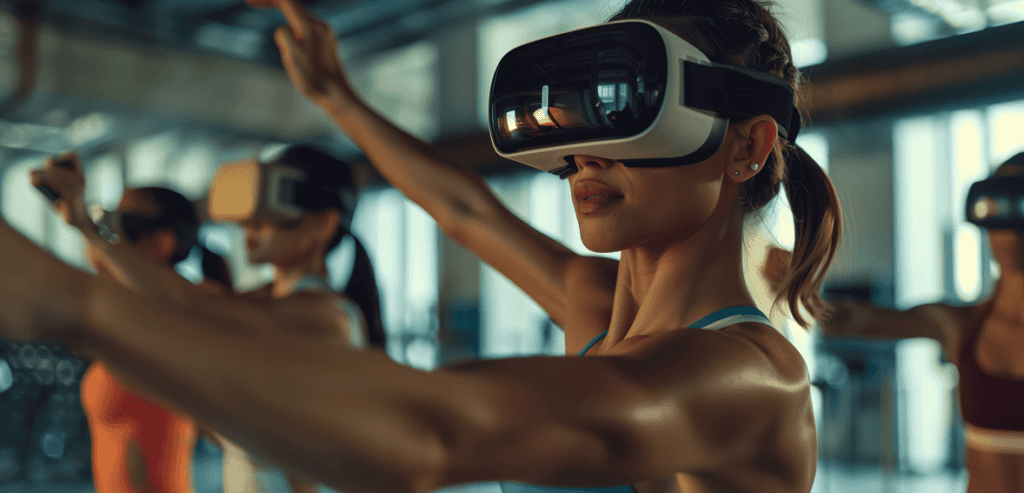
The concept of a metaverse gym experience is still evolving, but it captures the imagination of both users and fitness brands. In this model, members may participate in shared virtual environments, compete with others remotely, or attend digital classes that feel social despite physical distance. This approach blends fitness, gaming, and community in ways that traditional gyms cannot easily replicate.
While not every facility needs to jump fully into metaverse concepts, understanding their direction is important. VR fitness and AR fitness classes are early building blocks of this broader movement. As technology matures, gyms that have already experimented with immersive workout tech may find it easier to adapt and expand. Early adoption does not have to mean full transformation, but it can signal innovation and openness to change.
Challenges and Realities of Integrating VR and AR in Gyms
Despite the excitement, VR and AR are not without challenges. Some members may experience discomfort, motion sensitivity, or reluctance to wear headsets. Learning curves can slow adoption if experiences are too complex or poorly introduced. Equipment downtime or technical issues can also disrupt operations if there is no backup plan.
There is also the matter of inclusivity. Not all members will want a highly digital workout, and traditional equipment will always be an important part of any gym. VR fitness and AR workouts are best when marketed as an optional addition rather than a replacement. A successful gym will strike a balance between innovation and accessibility.
Is Your Gym Ready for Virtual and Augmented Reality Workouts?
Readiness comes down to alignment. Gym owners should evaluate their member demographics, brand identity, and long term goals before investing. Facilities that cater to younger, tech engaged audiences may see faster adoption, while others may benefit from pilot programs or limited offerings. Understanding internal capabilities, staff comfort, and budget flexibility helps determine the right pace of introduction.
VR fitness and AR fitness classes are tools, not solutions on their own. When implemented thoughtfully, they can elevate engagement, refresh the workout environment, and position a gym as forward thinking. When rushed or misaligned, they can become underused novelties. Assessing readiness honestly is the first step toward making immersive technology work in a real world fitness setting.
How VR and AR Can Boost Member Motivation and Retention
One of the biggest challenges gyms face today is keeping members motivated over the long term. Many people join with enthusiasm, only to lose interest once workouts start feeling repetitive. VR fitness and augmented reality workouts directly address this issue by changing how members experience exercise. When a workout feels like an experience rather than a routine, consistency becomes easier.
Immersive environments also distract from physical exhaustion and help the time pass faster. A virtual reality gym experience can transform a regular cycling class into a journey or a competition, which will motivate members to go a bit further. AR fitness classes also help members stay motivated by providing them with real-time feedback and visual indicators of progress that help them feel like they are making progress. This will help members stay longer in the long run because members who are eager to experience new things are more likely to come back.
Using VR and AR to Differentiate Your Gym in a Competitive Market
The fitness industry is highly competitive, with many gyms offering similar equipment and class formats. Standing out requires more than competitive pricing or extended hours. VR fitness and augmented reality workouts provide a clear point of differentiation that can redefine how a gym is perceived.
A virtual reality gym experience positions a facility as innovative and forward thinking. This perception matters, especially for younger or tech curious audiences who value novelty and personalization. AR fitness classes can enhance instructor led sessions, making them feel more interactive and modern without replacing the human element. When marketed effectively, immersive workout tech becomes part of the gym’s identity rather than just another amenity. Differentiation through experience rather than scale allows gyms of all sizes to compete more effectively by offering something distinctive that members cannot easily find elsewhere.
Integrating Immersive Workouts Into Existing Class Schedules
For immersive technology to succeed, it must fit naturally into daily operations. Gyms do not need to overhaul their entire timetable to introduce VR fitness or AR fitness classes. Instead, these experiences can be integrated gradually alongside traditional offerings.
Some gyms start by designating specific time slots for immersive workouts or offering them as optional add ons to current classes. This approach allows members to look at new technology without feeling pressured. Instructors can also blend AR elements into familiar formats, enhancing rather than replacing existing routines. Thoughtful scheduling ensures that immersive workout tech complements core offerings and does not disrupt established attendance patterns. When integration feels seamless, adoption increases and staff resistance decreases, supporting smoother long term implementation.
Preparing for the Future of Fitness Technology Adoption

VR and AR represent only one phase of a broader shift toward digital and experiential fitness. As hardware becomes lighter, more affordable, and easier to maintain, immersive workout tech is likely to become more common. Gyms that take early steps gain valuable experience in managing digital tools, member expectations, and operational challenges.
However, being ready for the future does not mean that the full scale of investment has to be made right away. Pilot projects, soft launches, and feedback loops from members enable gyms to learn without overextending themselves. VR fitness and AR fitness classes can serve as a proving ground for future developments, such as connected equipment and hybrid experiences. By creating familiarity with the technology now, gyms can prepare themselves for the future when the technology matures.
FAQs
1. What types of VR workouts can gyms offer?
Gyms can offer a range of VR fitness options such as virtual cycling, rowing, boxing, dance based workouts, and gamified cardio experiences. Members wear headsets that place them in immersive environments, turning standard machines like bikes or treadmills into interactive adventures that increase motivation and engagement.
2. Do members need their own VR equipment?
In most cases, the gym provides all necessary equipment for VR fitness and augmented reality workouts. This includes headsets, sensors, and compatible machines. Members typically use the equipment during scheduled sessions or booked time slots, similar to other specialised equipment.
3. Will AR and VR workouts replace traditional exercise?
VR fitness and AR fitness classes are designed to complement, not replace, traditional workouts. They add variety and excitement, while foundational training with weights, machines, and group classes remains essential for overall fitness.
4. What are the costs involved in adding VR or AR to a gym?
Costs can include headsets, sensors, specialised machines, software subscriptions, space adjustments, hygiene supplies, maintenance, and potentially stronger internet connections. Some gyms offset these costs by positioning immersive workouts as premium experiences.
5. Does VR fitness improve results or is it just a gimmick?
When used correctly, VR fitness can improve motivation and workout consistency, which are critical for results. While it is not a substitute for good programming, immersive workout tech can make people more excited to train and more likely to stay committed.
Leave a Reply