

AI Personal Trainers and Virtual Coaching: Integrating Smart Training into Your Gym
Artificial intelligence is no longer a distant concept in the fitness industry. It is already shaping how people train, track progress, and stay motivated. From wearable devices to intelligent workout apps, technology is changing expectations around convenience and personalization. Among the most impactful developments is the rise of the AI personal trainer, a digital system designed to guide workouts, analyze performance, and adjust programs in real time. For gyms, this shift presents both an opportunity and a challenge.
Virtual fitness coaching does not aim to replace traditional trainers or human connection. Instead, it expands what gyms can offer by supporting members beyond scheduled sessions. With AI handling routine programming, tracking, and feedback, human trainers can focus on deeper coaching, motivation, and accountability.
Understanding the Rise of AI in the Fitness Industry
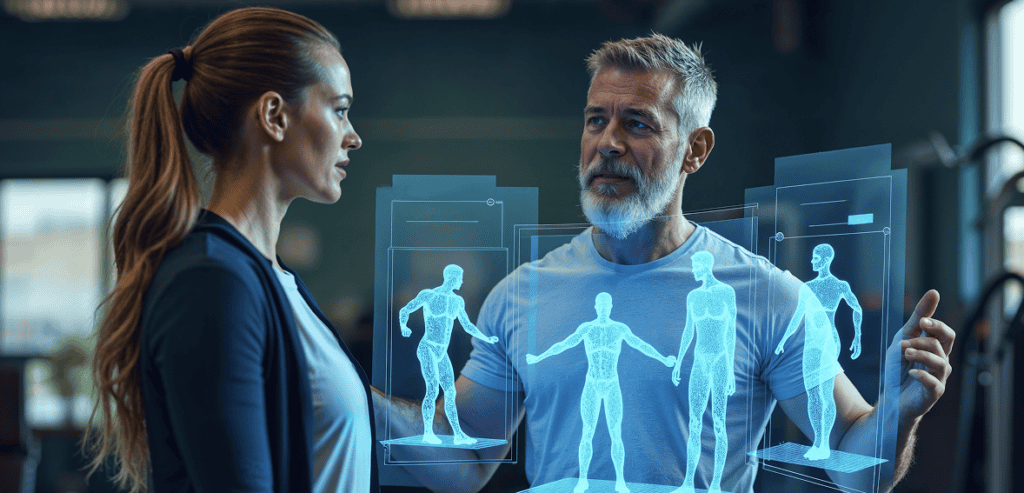
The fitness industry has always evolved alongside technology, from simple heart rate monitors to advanced wearable sensors. What sets today’s evolution apart is the intelligence built into modern platforms. AI systems now learn from user data, adapt workouts based on performance, and provide guidance that once required one on one attention. This shift has accelerated as members expect on demand support and personalized experiences.
It describes how lifestyles and training habits have changed, with members wanting flexibility in how and when they train without losing structure or the tracking of progress. An AI fitness coach is able to meet these needs through adaptive programs responding to real performance, not static plans. With fast growth expected in this market, gyms that understand and adopt gym AI technology earlier position themselves as forward-looking and member-focused.
What AI Personal Trainers Actually Do
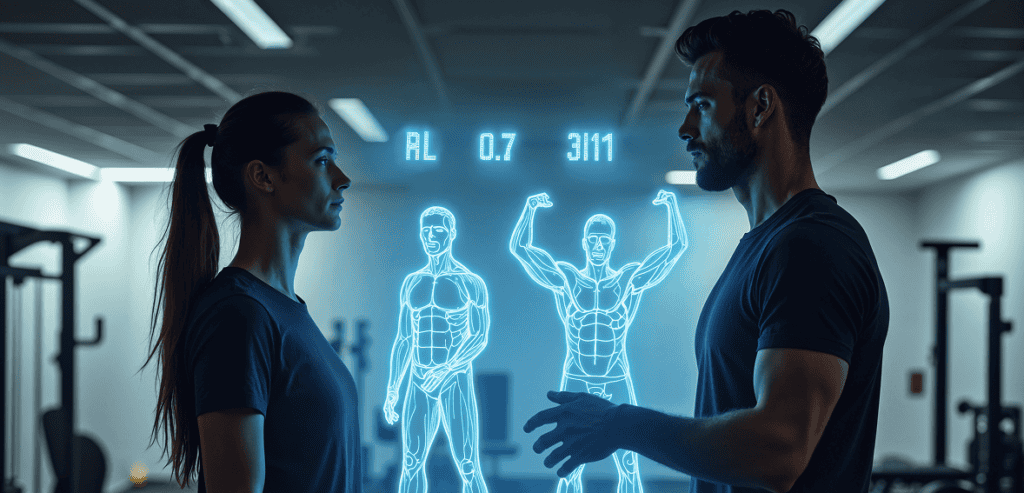
An AI personal trainer combines data analysis, machine learning, and user interaction to guide fitness programs. At its core, the system collects information such as workout completion, reps, weights, heart rate, movement patterns, and recovery indicators. This data is processed to generate training recommendations that adjust over time based on how the user responds.
Modern platforms often include automated workout planning, basic nutrition guidance, and progress tracking. Some advanced systems use smartphone cameras to analyze movement and offer form corrections during exercises. Chat based interfaces allow users to ask questions, receive reminders, or clarify instructions. These features make a digital trainer app feel interactive rather than passive. By learning from each session, machine learning workouts become progressively more personalized, helping members train smarter instead of harder.
The Role of Computer Vision and Real-Time Feedback
One of the most compelling aspects of AI powered training is real time feedback. Using computer vision, some systems analyze posture, joint angles, and movement patterns through a device camera. This allows the system to identify improper form and suggest corrections during the exercise itself. For members training alone, this capability adds a layer of safety and confidence.
While this technology does not replace a trainer’s trained eye, it serves as a valuable supplement. Members receive immediate guidance rather than waiting for their next session. Over time, repeated feedback reinforces proper technique and reduces the risk of injury. For gyms, integrating such features into a virtual personal training offering enhances perceived value without requiring additional staff hours.
Member Benefits of AI Driven Training Programs
From a member perspective, accessibility is one of the biggest advantages of AI based coaching. Training support is available at any hour, whether the member is at the gym, at home, or traveling. This flexibility removes common barriers such as scheduling conflicts or inconsistent attendance. Virtual fitness coaching fits more easily into busy lifestyles.
Another key benefit is personalization. Unlike generic workout plans, an AI personal trainer adapts sessions based on performance trends and recovery patterns. If a member struggles with a particular lift or progresses faster than expected, the program adjusts automatically. This responsiveness keeps workouts challenging but achievable. Members also benefit from clear progress tracking, which helps maintain motivation and long term commitment to training.
Keeping Members Engaged and Accountable
Engagement is one of the toughest challenges in any gym environment. Many members start strong but gradually lose momentum. AI driven platforms help address this through reminders, progress notifications, and adaptive goals. Small prompts such as workout reminders or milestone celebrations keep members connected to their fitness journey.
By pairing virtual personal training with consistent feedback, members feel supported even when trainers are not physically present. This sense of continuity reduces drop off and encourages regular activity. A well designed digital trainer app can act as a daily touchpoint between the gym and the member, reinforcing habits and loyalty over time.
Benefits for Gym Owners and Fitness Businesses
For gym owners, scalability is one of the most important advantages of gym AI technology. Traditional personal training models require a proportional increase in staff to serve more clients. AI based platforms break this limitation by allowing one trainer to oversee many more members through shared programs and dashboards.
A personal fitness trainer for AI can take care of repetitive work such as training design, recording, and simple follow-up work. This allows professional fitness trainers to concentrate on high-level engagement such as training on proper form, fixing problem areas, and relationship-building workouts. This way, fitness centers can increase training services without adding much to their expenditure on staff. Virtual fitness training also provides an opportunity for generating additional income streams for fitness centers.
Supporting Trainers Rather Than Replacing Them
A common concern around AI adoption is the fear of replacing human trainers. In practice, successful gyms use a hybrid approach where technology supports staff instead of competing with them. AI systems excel at data processing and consistency, while human trainers excel at empathy, motivation, and nuanced coaching decisions.
By integrating an AI personal trainer into the gym ecosystem, trainers gain better visibility into member activity between sessions. This allows more informed conversations and targeted coaching when they meet in person. Virtual personal training becomes a tool that enhances trainer effectiveness rather than reducing their importance. Clear communication with staff is essential to ensure technology is seen as support, not a threat.
Examples of AI in Action Within Gyms
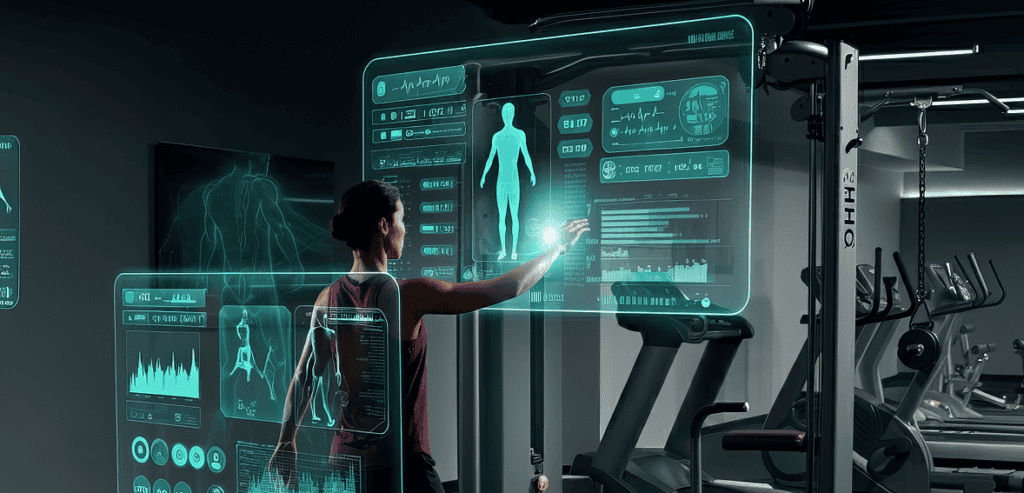
Many gyms already use elements of AI without labeling them as such. Smart strength machines that adjust resistance, apps that modify workouts based on performance, and recovery recommendations based on training load are all examples of machine learning workouts at work. When unified under a single platform, these tools deliver a seamless experience.
Some gyms provide members with a branded digital trainer app that includes AI driven programming and progress tracking. Trainers can review dashboards to monitor adherence and performance trends. Others integrate AI fitness coach features into existing membership apps. These examples show that implementation does not require a complete overhaul, but thoughtful integration into existing systems.
Integrating AI Tools Into Your Gym Operations
The first thing is defining what integration success constitutes specifically. Some gyms may want to reduce attrition, while others may want to scale personal training or improve member experience. Understanding those priorities helps to choose the right platform and set of features for a gym. Not every gym needs advanced computer vision or nutrition planning from day one.
Staff training is critical during rollout. Trainers and front desk teams should understand how the AI system works and how it complements their roles. Clear workflows should define how virtual fitness coaching interacts with in person sessions. When staff feel confident using the technology, members are more likely to adopt it smoothly.
Creating a Hybrid Training Model That Works
A hybrid model blends AI driven support with human coaching in a structured way. For example, an AI personal trainer may handle weekly workout updates and daily tracking, while a human trainer conducts monthly assessments and goal reviews. This balance ensures members receive both efficiency and personal attention.
Such models also allow gyms to offer differentiated services. Entry level members may rely more on virtual personal training, while premium members receive more hands on coaching. This flexibility supports diverse member needs and budgets. Over time, hybrid systems become a core part of a modern gym AI technology strategy.
Data, Privacy, and Ethical Considerations
As AI systems collect detailed personal and performance data, privacy becomes a significant consideration. Gyms must ensure that platforms comply with data protection regulations and clearly communicate how data is used. Transparency builds trust and encourages adoption among members. Ethical use of machine learning workouts also involves avoiding unrealistic promises or excessive monitoring. AI should guide and support, not pressure or overwhelm users. Responsible use of data ensures technology enhances wellbeing rather than creating stress.
Measuring the Impact of AI Coaching on Performance
Adoption alone does not guarantee success. Gyms should measure outcomes such as retention, training frequency, and member satisfaction to evaluate the impact of virtual fitness coaching. Comparing engagement levels before and after implementation provides insight into effectiveness.
Trainer feedback is equally important. When staff feel supported and not burdened by new systems, integration is more sustainable. Continuous refinement based on data and feedback ensures the AI personal trainer remains relevant as member needs evolve.
Preparing Your Gym for the Future of Training
The fitness industry is expected to maintain an ongoing trend of personalization and flexibility. The use of AI-based platforms is in line with these industry trends, as these platforms are capable of adjusting according to individual behavior on a wider scale. Fitness clubs that fail to adopt gym AI technology are expected to fall short of expectations regarding digital experiences within other sectors. The use of gym AI is not an attempt to revolve around that which already works, but rather an improvement added on to it. When integrated thoughtfully, AI becomes part of a long term strategy rather than a temporary trend. It supports growth, efficiency, and improved outcomes for both members and staff.
Conclusion
AI personal trainers and virtual fitness coaching are reshaping how gyms deliver value. By handling routine programming, feedback, and tracking, AI systems allow human trainers to focus on what they do best. The result is a more scalable, flexible, and personalized training experience that meets modern member expectations. When implemented through a balanced hybrid model, AI fitness coach platforms enhance rather than disrupt existing services. As machine learning workouts become more sophisticated, gyms that integrate these tools thoughtfully will be better positioned to grow, retain members, and deliver high quality training in a rapidly evolving fitness landscape.
Frequently Asked Questions
What is the difference between an AI personal trainer and a human personal trainer
An AI personal trainer uses data, algorithms, and user input to create and adjust workout plans automatically, while a human trainer brings experience, judgment, and emotional intelligence to coaching. AI handles routine programming, tracking, and feedback, while human trainers focus on motivation, accountability, and complex coaching needs. In most gyms, AI works best as a support system rather than a replacement.
Can virtual fitness coaching work for beginners
Yes, virtual fitness coaching can be very effective for beginners when implemented correctly. AI systems often start with basic assessments and gradually increase intensity based on progress. Clear instructions, visual demonstrations, and adaptive pacing help beginners feel confident. When combined with periodic human check-ins, beginners benefit from both structure and reassurance.
Do gyms need expensive equipment to use gym AI technology
Most gyms do not need major hardware upgrades to start using gym AI technology. Many platforms operate through mobile apps, cloud dashboards, and existing equipment. Advanced features like computer vision may require smartphone cameras or specific integrations, but basic AI fitness coach tools can be deployed using software alone.
How do members typically respond to digital trainer apps
Member response is generally positive when the digital trainer app is positioned as an added benefit rather than a replacement for personal interaction. Members appreciate 24/7 guidance, progress tracking, and flexibility. Adoption improves when staff explain how the technology supports their goals and complements in-gym training rather than replacing it.
Leave a Reply