
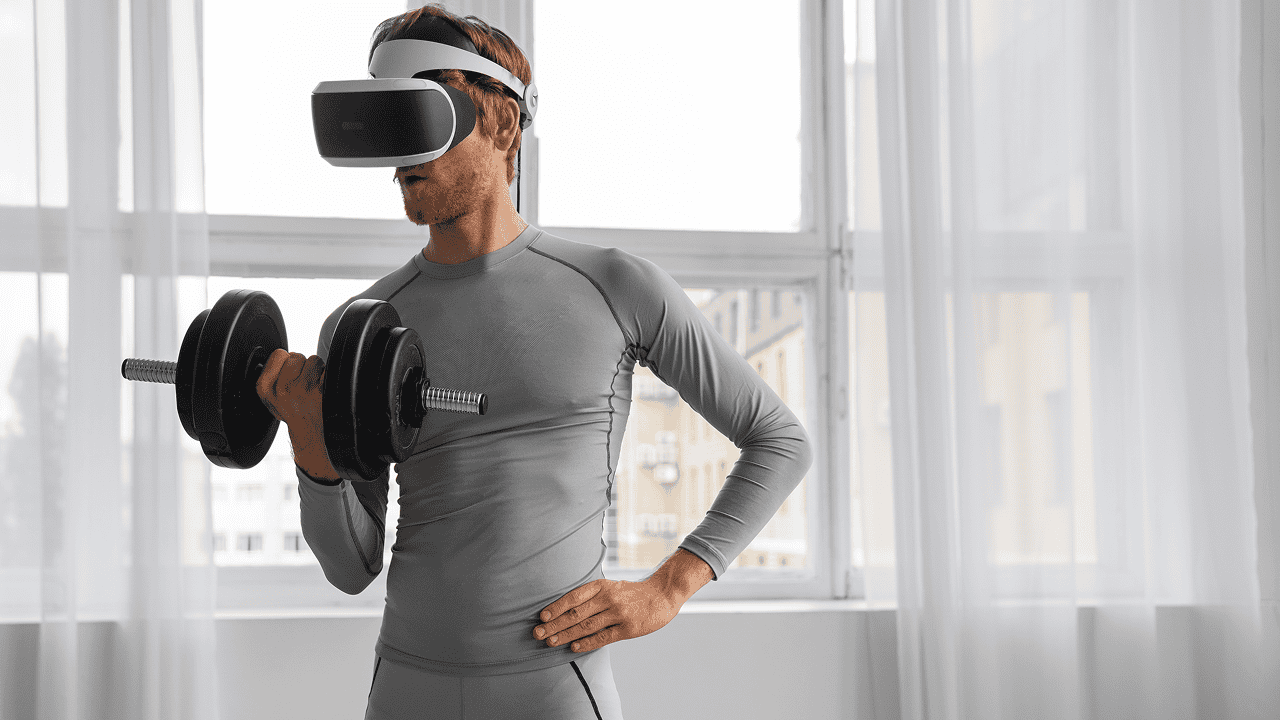
Hybrid Gym Model: Combining In-Person and Virtual Fitness for Growth
The fitness industry has changed significantly over the last few years, driven by shifting lifestyles, technology adoption, and evolving member expectations. Today’s gym members no longer want rigid schedules or limited access tied only to physical locations. They want flexibility, continuity, and options that fit into unpredictable routines. This shift has given rise to the hybrid gym model, which blends traditional in person workouts with digital and remote fitness experiences.
A hybrid approach is not about replacing physical gyms but about expanding their value. By combining face to face training with virtual fitness integration, gym owners can offer members more ways to stay active and engaged. Online and in person fitness together create a system where members remain connected even when life interrupts their gym visits.
Understanding the Hybrid Gym Model

The hybrid model gym business plan is centered on the philosophy that workouts should not be confined by time, space, or schedules. The hybrid model incorporates the physical gym services of equipment usage, group fitness, and one-on-one training with electronic services that include live workouts, on-demand workouts, or virtual coaching. Such a business plan enables the gym to reach members both off-site or on-site.
For gym owners, hybrid fitness business models create new revenue channels while strengthening existing ones. Members who cannot attend the gym consistently still stay active through virtual classes and online programs. Virtual fitness integration ensures that engagement does not drop during travel, busy periods, or unexpected disruptions. Instead of competing with digital fitness platforms, hybrid gyms use technology to extend their brand and retain members more effectively.
Why the Future of Fitness Is Hybrid
Modern lifestyles are increasingly fragmented, making rigid routines difficult to maintain. Many members struggle to attend scheduled classes or training sessions every week, even if they are motivated. The hybrid gym model addresses this challenge by offering alternatives that keep momentum going regardless of circumstances.
Online and in person fitness working together increases consistency, which is one of the most important factors in long term results. Studies and industry observations indicate that hybrid gym membership options often lead to stronger engagement and improved retention. Members who have multiple ways to work out are less likely to drop off completely. Virtual fitness integration supports continuity, making the gym a constant presence rather than an occasional destination.
Benefits of a Hybrid Gym Model for Gym Owners
For gym owners, the hybrid model offers both defensive and growth advantages. On a practical level, it acts as a buffer against disruptions such as weather, travel, or capacity limitations. Members can continue using services even when they cannot physically visit the gym, protecting revenue and engagement.
When viewed from a growth perspective, a hybrid fitness company can expand outside of local geographic areas. With virtual training capabilities, a gym can meet the needs of members that live farther away or move away. With virtual training programs also having scalability that is not tied down by physical limitations, by mixing local fitness success with virtual fitness integration, a gym develops a more robust and flexible business platform.
Designing In-Person Experiences That Support Hybrid Fitness

A successful hybrid gym model starts with strong in person experiences. Physical classes, training sessions, and gym culture remain central to building trust and emotional connection. Members are more likely to engage with virtual offerings when they already value the in person environment and instructors.
To support hybrid growth, in person classes should be structured with digital compatibility in mind. Clear instruction, consistent programming, and well organized sessions make it easier to adapt content for virtual classes gym formats. When instructors understand that their sessions may be streamed or recorded, delivery becomes more inclusive for both audiences. This alignment strengthens online and in person fitness integration rather than creating separate experiences.
Virtual Class Offerings That Extend Group Training
Virtual classes gym programs are often the first step toward hybrid adoption. Not all classes translate equally well to online formats, but many styles such as yoga, bodyweight training, mobility, meditation, and basic HIIT adapt smoothly. These classes can be live streamed so members join in real time or recorded for later access.
Virtual fitness integration works best when online classes follow a predictable schedule and clear structure. Members should know when live sessions are happening and how to join easily. Over time, recorded sessions build a valuable content library that members can access anytime. This approach increases the perceived value of a hybrid gym membership and keeps members connected even when they miss in person sessions.
Building an On Demand Workout Library
An on demand video library is one of the most powerful components of a hybrid fitness business. It allows members to work out on their own schedule without losing connection to the gym brand. Short focused workouts, longer full sessions, recovery routines, and guided mobility sessions all serve different needs within a single platform.
Virtual classes, gym libraries, need to be about quality and usability, not just about the volume. Clear audio, strategic camera placement, and consistent branding elevate the experience. The integration of virtual fitness is much stronger when members feel that online content reflects the same professionalism as in-person training. This library will eventually become one of the core benefits of the hybrid gym membership, motivating long-term use and retention.
Using Digital Fitness Platforms to Deliver Hybrid Services
Technology plays a central role in enabling the hybrid gym model. A reliable digital fitness platform is essential for hosting videos, live streams, scheduling sessions, and managing member access. The platform should be easy for both staff and members to use without creating technical friction.
Virtual fitness integration succeeds when technology fades into the background and supports the experience seamlessly. Members should be able to log in, choose workouts, and join live sessions without confusion. For gym owners, digital platforms also provide valuable insights into participation patterns and engagement levels. These insights help refine offerings and ensure that online and in person fitness remain aligned.
Online Coaching and Virtual Personal Training

Hybrid models are not limited to group classes. Personal training and coaching services adapt especially well to online delivery. Many members value accountability, guidance, and personalized plans even when they cannot meet trainers regularly in person.
A hybrid gym model might include a combination of in person sessions and virtual check ins. For example, a member may attend one physical training session per month and receive weekly online programming updates and video calls. Virtual fitness integration allows trainers to support more clients efficiently while maintaining quality. This expands revenue opportunities and strengthens relationships beyond the gym floor.
Nutrition Coaching and Lifestyle Support Online
Fitness results depend on more than workouts alone. Nutrition, recovery, and lifestyle habits play a major role, making them ideal candidates for virtual delivery. Many gyms successfully include nutrition coaching, habit tracking, and educational sessions as part of their hybrid fitness business.
Online and physical fitness offering will be more inclusive by incorporating lifestyle support online. The online consultation and follow-up system eliminates the constraints associated with scheduling. The system provides a sense of constant support for the gym-goers. Additionally, it offers more value to the hybrid gym membership packages without necessarily occupying extra space.
Pricing and Packaging Hybrid Gym Memberships
Pricing is a critical factor in adoption of the hybrid gym model. Gym owners must decide whether virtual access is included in standard memberships or offered as a premium add on. Some gyms include basic digital access with all memberships to increase perceived value, while offering advanced coaching or small group virtual sessions at higher tiers.
A separate digital only membership can also attract customers outside the immediate area. This option allows people to engage with the brand before committing to full in person access. Virtual fitness integration works best when pricing is simple and clearly communicated. Members should understand exactly what they receive and how online and in person fitness fit together within their plan.
Promoting the Hybrid Model to Members
Effective communication is essential when introducing a hybrid gym model. Members need to understand that virtual offerings enhance rather than replace in person experiences. Marketing messages should focus on flexibility, convenience, and consistency rather than technology alone.
Virtual classes gym promotions should highlight real scenarios, such as traveling, busy weeks, or poor weather days when online workouts keep members on track. Gym owners should emphasize that hybrid gym membership gives members control over how and when they train. Clear messaging builds trust and encourages adoption without confusion or resistance.
Retention and Engagement Through Hybrid Fitness
One of the strongest arguments for hybrid fitness business models is improved retention. Members who have multiple ways to engage are less likely to cancel due to temporary disruptions. Virtual fitness integration ensures that the relationship continues even when attendance fluctuates.
Online and in person fitness together create a safety net against inactivity. If members skip gym visits for a few weeks, digital access keeps them active and connected. Over time, this consistency strengthens habits and loyalty. For gym owners, higher retention stabilizes revenue and reduces the constant pressure of acquiring new members.
Hybrid Fitness as Risk Management for Gyms
The hybrid model of the gym can also act as a form of risk management strategy. Unforeseen circumstances like weather problems, local disruptions, or other emergencies might prevent people from attending physically. The integration of virtual fitness addresses all this.
By maintaining digital infrastructure and content, gyms protect their operations against uncertainty. Hybrid fitness business models allow owners to pivot quickly without losing engagement. This adaptability has become increasingly important in a changing environment and adds long term resilience to the business.
Training Staff to Deliver Hybrid Experiences
Staff readiness is essential for a successful hybrid gym model. Trainers and instructors must be comfortable delivering both in person and virtual sessions. This may require training on presentation, camera awareness, and digital interaction.
When staff understand the value of online and in person fitness integration, they become stronger advocates for the model. Confident instructors create better virtual classes gym experiences and help members transition smoothly between formats. Investing in staff capability ensures quality across all touchpoints.
Measuring Success in a Hybrid Gym Model
Tracking performance helps refine hybrid offerings over time. Engagement metrics such as class attendance, video views, and program completion rates provide insight into member behavior. These indicators help gym owners understand which virtual and in person services deliver the most value.
Hybrid gym membership success is not measured only by attendance but by consistency and satisfaction. Virtual fitness integration provides data that traditional gyms often lack. When used thoughtfully, this information supports smarter decisions and continuous improvement.
Preparing for Long Term Growth With Hybrid Fitness
The hybrid gym model is not a fad but a concept of how to deliver fitness in evolution. As technology changes and the expectations of members do too, these hybrid structures can flex and adapt as they evolve. Those able to accept such change early within their business models position themselves for long-term relevance.
By aligning physical excellence with virtual innovation, hybrid fitness business models create sustainable growth pathways. Online and in person fitness together allow gyms to scale impact without losing community. This balance supports both operational efficiency and member satisfaction.
Conclusion
The hybrid gym model represents a practical and forward looking response to how people live and train today. By combining physical gym experiences with virtual fitness integration, gyms can offer flexibility without sacrificing connection. Online and in person fitness working together provide members with freedom while keeping them engaged with the brand.
For gym owners, hybrid gym membership strategies open new opportunities for retention, reach, and resilience. Virtual classes gym programs, digital fitness platforms, and online coaching extend value beyond the facility walls. As the fitness industry continues to evolve, embracing a hybrid fitness business approach allows gyms to grow sustainably while meeting members where they are.
Frequently Asked Questions
What is a hybrid gym model and how does it work in practice
A hybrid gym model combines traditional in person training at a physical gym with digital and virtual services such as live streamed classes, on demand workouts, and online coaching. Members can choose how they engage based on their schedule, location, and preferences. In practice, this means a member might attend the gym some days and rely on virtual classes gym sessions or recorded workouts on other days. The goal is to provide flexibility while keeping members consistently active and connected to the gym.
Does virtual fitness integration reduce the importance of the physical gym
Virtual fitness integration does not replace the physical gym. Instead, it enhances its value by extending access beyond the facility. In person training remains essential for equipment use, hands on coaching, and community building. Online and in person fitness work best together, allowing members to maintain progress even when they cannot visit the gym. Hybrid fitness business models are designed to support consistency, not to shift entirely to digital.
How should gyms price a hybrid gym membership
Hybrid gym membership pricing depends on the target audience and business goals. Many gyms include basic virtual access as part of standard memberships to add value, while offering advanced services like personalized online coaching or small group virtual sessions at higher tiers. Some gyms also offer digital only memberships for people outside the local area. Clear pricing and transparent benefits help members understand how in person and virtual options fit together.
What types of workouts work best as virtual classes gym offerings
Workouts that require minimal equipment tend to work best as virtual classes and gym programs. Yoga, mobility, bodyweight strength training, core workouts, meditation, and basic HIIT translate well to online formats. Equipment based classes can also be offered with at home modifications or as on demand sessions. A strong mix of live and recorded content supports virtual fitness integration and keeps members engaged over time.
Leave a Reply