

Designing Your Gym’s Layout for Member Satisfaction and Efficiency
A gym’s layout influences far more than how the space looks. It shapes how members move, how comfortable they feel, how safe workouts are, and whether people enjoy spending time in the facility. Even well-equipped gyms can struggle with retention if the layout feels cramped, confusing, or intimidating. On the other hand, a thoughtfully designed floor plan can elevate the member experience, reduce friction during peak hours, and support smoother daily operations.
Gym layout design is ultimately about balance. It must support high-energy training while also allowing space for recovery and focus. It should feel open without wasting square footage, and structured without feeling restrictive. By planning equipment placement, traffic flow, lighting, and accessibility carefully, gyms can create environments that work efficiently for staff and feel welcoming to members of all fitness levels.
Key Principles of Gym Design: Space, Flow, and Safety
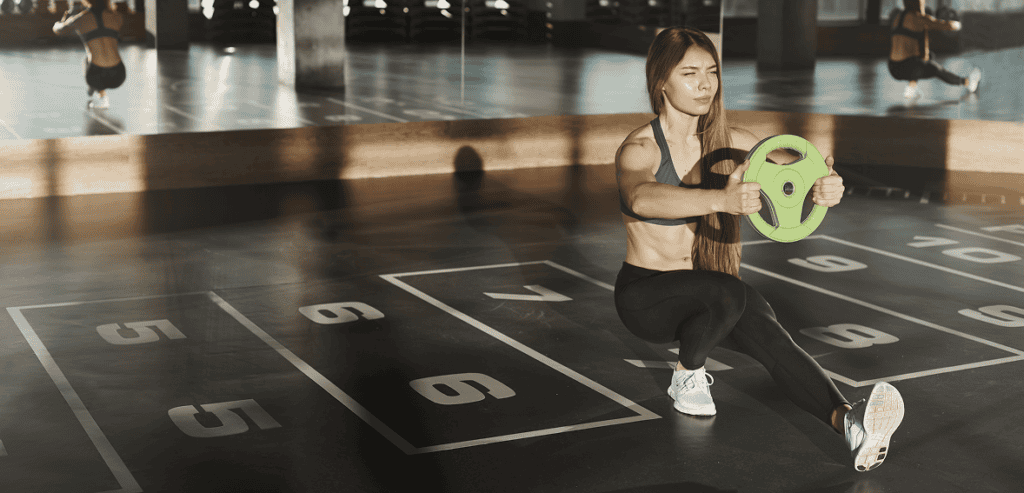
An effective gym layout requires effective utilisation of the facility’s available space, both in terms of flow and safety. Additionally, being able to easily locate and navigate between different pieces of equipment in a facility is critical to the comfort and enjoyment of your members as well as for their ability to maximise their time. As a result, providing clear lines of sight allows members to re-orient themselves quickly and easily which decreases anxiety for new members while also increasing the overall efficiency of regular members. A major component of flow is based on how members naturally move through a gym. Therefore, in order to reduce the possibility of congestion within your facility, you should look at positioning high-volume traffic areas (entrances, locker rooms, and cardio) in areas that would lower the possibility of members congregating in one place at any given moment. Additionally, congested areas may occur from having walkways that are either too narrow or having equipment that is located too close together, so providing adequate space around your equipment will assist in creating a safe exercise environment and will reduce the likelihood that your members will feel rushed or uncomfortable while exercising.
Safety considerations should guide every design decision. Equipment must be spaced to allow full range of motion, spotting, and emergency access. Flooring should match activity types, with rubberized surfaces under heavy weights and non-slip materials in stretching or functional areas. When safety and flow are prioritized from the start, gyms experience fewer incidents and smoother daily operations.
Zoning the Gym: Creating Dedicated Training Areas
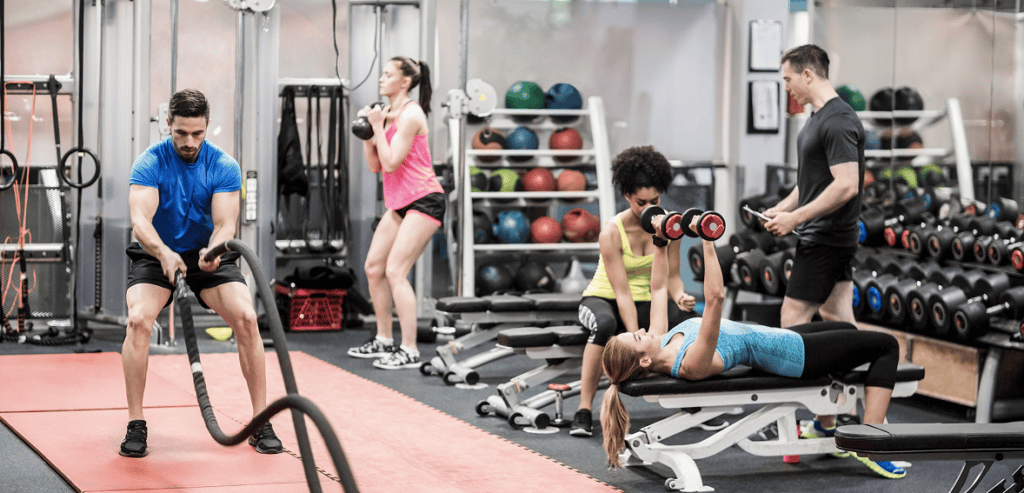
Zoning divides the gym into purposeful areas based on activity type. Common zones include cardio, strength training, functional training, group exercise studios, and recovery or stretching spaces. Proper zoning reduces confusion and helps members choose workouts more intuitively. Cardio equipment is often placed near windows or entrances to create an open, energetic feel. Strength areas typically require more durable flooring and clear boundaries, especially where free weights are used. Functional training zones benefit from open layouts that support movement in multiple directions, while studios need sound separation and controlled lighting.
Zoning also helps manage noise levels. Loud, high-energy areas can be positioned away from quieter recovery zones. Clear visual cues such as flooring changes, signage, or lighting variations reinforce boundaries without physical barriers. When zones are well defined, members feel more confident using the space, and staff can supervise more effectively.
Member Experience Factors: Lighting, Décor, and Ambience
Beyond equipment placement, environmental elements play a major role in how a gym feels. Lighting affects mood, energy, and safety. Bright, evenly distributed lighting works well in strength and cardio zones, while softer lighting can support stretching or mind-body classes. Avoid harsh glare or shadowy corners, which can feel uninviting or unsafe. Décor and color choices also influence perception. Neutral tones paired with accent colors can energize the space without overwhelming it.
Mirrors don’t just help us see our appearance; they also give a feeling of greater space and light in a room. Mirrors can help with both the physical shape of the room and how big it appears to be when looking at it from inside. The volume and type of music should be adjusted for different areas of the gym, and placing speakers strategically will aid in avoiding any audio interference that could be distracting. The atmosphere of a gym should clearly communicate what the gym is; whether it is focused on maximum results (high performance), social interaction (community), or overall health and well-being (wellness), the gym’s physical environment should consistently communicate that message.
Accessibility and Inclusivity in Gym Layout Design
An inclusive gym layout ensures that people of all abilities feel welcome and capable of participating. Accessibility goes beyond basic compliance and considers real-world usability. Walkways should be wide enough for mobility aids, equipment spacing should allow turning and maneuvering, and key areas such as entrances and restrooms should be easy to reach. Providing accessible equipment options and adjustable machines helps accommodate a broader range of members. Clear signage, simple navigation, and beginner-friendly areas reduce intimidation for new or returning exercisers. Inclusivity also includes thoughtful placement of seating, water stations, and recovery spaces so members can rest comfortably when needed. When gyms design with inclusivity in mind, they broaden their appeal and foster a sense of belonging that directly supports long-term retention.
Designing for Peak Hours Without Sacrificing Comfort
Peak hours test every gym layout. Crowded conditions reveal weaknesses in spacing, circulation, and equipment distribution. Designing with peak demand in mind prevents frustration and safety issues during the busiest times of day. Strategic placement of popular machines reduces crowding. For example, spreading treadmills across multiple rows instead of a single line can improve flow. Open floor space near high-use areas allows members to wait or transition without blocking access. Clear signage and visual organization help members navigate efficiently even when the gym is busy. Designing for peak hours does not mean sacrificing comfort during quieter periods. Flexible spaces that support multiple uses throughout the day help gyms adapt without constant rearrangement.
Optimizing Small Gym and Studio Spaces

Smaller gyms face unique challenges but also benefit from greater design flexibility. Every piece of equipment must justify its footprint. Multi-functional machines, modular rigs, and wall-mounted storage maximize usable space without clutter. Vertical space is often underutilized. Wall racks for mats, bands, and weights free up floor space and improve organization. Mirrors, light colors, and smart lighting enhance the perception of openness. Clear scheduling and zoning reduce traffic conflicts when multiple activities occur in the same area. In compact environments, layout discipline is essential. Clean lines, minimal obstacles, and intentional spacing help small gyms feel efficient rather than cramped.
Supporting Staff Efficiency Through Layout Design
A well-designed gym layout benefits staff as much as members. Clear visibility across the floor allows trainers and front desk teams to supervise activity, assist members, and respond quickly to issues. Logical placement of staff workstations reduces unnecessary walking and improves response times. Storage areas should be accessible without interrupting workouts. Cleaning supplies, towels, and equipment accessories need designated locations to maintain organization. When staff can move efficiently and manage the space easily, service quality improves and operational stress decreases. Layout decisions that support staff workflows ultimately translate into a better member experience.
Adapting Layouts as Member Needs Evolve
Gym layouts are not static. Member demographics, training trends, and programming evolve over time. A flexible floor plan allows gyms to adapt without major renovations. Modular equipment, movable partitions, and open zones make it easier to adjust offerings as demand changes. Regularly reviewing how spaces are used helps identify underutilized areas or congestion points. Small adjustments such as relocating equipment, widening walkways, or repurposing zones can significantly improve efficiency. Continuous improvement ensures the layout remains aligned with member needs and business goals.
Sightlines and Visibility: Creating a Space That Feels Intuitive
Visibility plays a critical role in how comfortable and confident members feel inside a gym. When people can easily see where activities are happening and how equipment is arranged, the space feels more intuitive and less intimidating. Poor sightlines, blocked views, or cluttered layouts can create uncertainty, especially for new members who may already feel self-conscious. Clear sightlines help members locate equipment, identify available space, and observe how exercises are performed. This is particularly important in strength and functional training areas, where watching others can help reinforce proper form and build confidence. Open layouts, lower equipment profiles, and strategic mirror placement all contribute to better visual awareness without sacrificing privacy.
Good Operational Visibility enables staff to monitor the floor more efficiently. Trainers and front desk staff can quickly identify safety hazards, assist members quickly, and keep order on the floor without actually walking the floor all the time. Avoid placing tall cabinets or storage, banners and/or partitions in front of windows and sightlines across the major training areas. Gyms that appear more visually open are generally regarded as having a more welcoming and organized atmosphere and being more professionally operated.
Managing Noise Levels Through Layout Planning
Noise is an often-overlooked factor in gym design, yet it significantly impacts member satisfaction. Different training zones naturally generate different sound levels. Cardio machines, group classes, and weight drops can quickly create an overwhelming environment if not planned carefully. Thoughtful layout design helps control noise without relying solely on soundproofing. Separating high-noise zones from quieter areas is a simple but effective strategy. For example, placing group exercise studios away from stretching or recovery spaces reduces disruption. Using rubber flooring in strength areas helps absorb impact noise, while ceiling materials and wall treatments can soften echo and reverberation.
Music zoning is another important consideration. Members generally prefer different sound levels depending on activity type. Overlapping audio sources can cause frustration and sensory overload. Strategic speaker placement and directional sound help maintain distinct zones without excessive volume. When noise is managed intentionally, members are more likely to stay longer, feel less fatigued, and return more consistently.
Wayfinding and Signage: Helping Members Navigate With Ease
Even well-designed gyms can feel confusing without clear wayfinding. Signage supports the layout by guiding members smoothly through the space and reducing friction during busy times. This is especially important for larger facilities or gyms offering multiple services. Effective wayfinding includes clear labels for zones, studios, restrooms, locker rooms, and exits. Signs should be visible from key decision points, such as entrances and intersections between zones. Simple language and consistent design make navigation intuitive without overwhelming the visual environment.
Floor markings, color-coded zones, or subtle icons can reinforce spatial organization without relying heavily on text. For new members, good signage reduces anxiety and dependence on staff for directions. For regular members, it improves efficiency and flow during peak hours. Clear wayfinding also supports safety by making emergency exits and protocols easy to identify. When members can navigate confidently, the entire gym experience feels smoother and more professional.
Supporting Cleanliness and Maintenance Through Smart Layout Choices
Cleanliness strongly influences how members perceive a gym, and layout decisions directly affect how easy the space is to maintain. Crowded layouts with tight gaps make cleaning difficult and allow dirt and clutter to accumulate unnoticed. Thoughtful spacing improves both hygiene and visual order. Designated storage areas understanding traffic flow keep accessories from piling up in workout zones. Easily accessible cleaning stations encourage members to wipe down equipment after use, reinforcing shared responsibility. Flooring choices also matter. Durable, easy-to-clean surfaces reduce maintenance effort and extend the life of the facility.
Staff members will appreciate that designs that facilitate rapid access to disposal and cleaning supplies may optimize day-to-day business operations. Separate and clearly delineated wet zones, entryways, and training areas will also help minimize cross-contamination and extended usage periods or decreased performance of equipment. Members are more likely to feel safe, welcomed, and trust the facility when they know how clean the facility appearsAll of this will ultimately lead to increased retention due to cleanliness being an unnoticeable but positive contributor to retention through layout.
Conclusion
Gym layout design is a strategic tool that shapes member satisfaction, safety, and operational efficiency. When space is organized with intention, members move confidently, staff work effectively, and the facility feels inviting rather than overwhelming. By focusing on flow, zoning, accessibility, and adaptability, gyms create environments that support both performance and comfort. A well-designed layout is not just a backdrop for workouts. It is a core part of the experience that keeps members coming back.
Frequently Asked Questions
Q1: Why is gym layout so important?
Layout directly affects how members feel and function in the space. Poor layouts create confusion, crowding, and discomfort, while thoughtful design improves motivation, safety, and retention.
Q2: How should I decide where to place equipment?
Group similar equipment into zones and consider traffic flow. Place high-traffic machines where access is easy and quieter activities in less busy areas. Always maintain clear walkways.
Q3: What are common gym layout mistakes to avoid?
Overcrowding equipment, ignoring safety spacing, poor signage, and failing to plan for peak times are frequent issues. These mistakes reduce comfort and increase risk.
Q4: How can layout design improve inclusivity?
Providing accessible pathways, adjustable equipment, clear signage, and beginner-friendly zones helps members of all abilities feel comfortable and supported.
Q5: Any tips for small studio layouts?
Use multi-purpose equipment, vertical storage, mirrors, and smart lighting. Keep the space uncluttered and schedule activities thoughtfully to manage traffic.
Leave a Reply