
Family-Friendly Gym Strategies: Childcare Services and Kids’ Programs
For many parents, staying consistent with fitness is less about motivation and more about logistics. Finding time to work out while managing school schedules, childcare responsibilities, and household demands is a constant challenge. This is where family-friendly fitness strategies can make a real difference. Gyms that recognize these realities and adapt their offerings accordingly are better positioned to attract, retain, and truly support parent members.
Adding gym childcare services, kids’ programs, or structured youth activities transforms a gym from a personal fitness space into a family oriented environment. Gym childcare and related services are no longer seen as niche add ons. They are increasingly viewed as essential features for parent-friendly gym models. When implemented thoughtfully, these strategies reduce barriers to attendance, strengthen member loyalty, and open access to an underserved but highly motivated audience of parents.
The Case for Gym Childcare and Parent-Friendly Fitness
Gym daycare services specifically target one of the most popular reasons that parents give for not exercising. Without a safe and responsible way to watch young children, many parents simply choose not to exercise at all. A parent-friendly gym that provides a safe and supervised environment for children allows parents to exercise while knowing that their children are safe and sound.
Family-friendly exercise environments also promote long-term retention. Parents who discover a gym that meets their needs are less likely to leave their memberships during busy family periods. Gym daycare services are particularly attractive to parents of young children, for whom other childcare alternatives may be limited or costly. Even a small amount of childcare during peak periods can make a big difference in attendance. Gyms that support parents in this way often build stronger emotional connections with members, moving beyond transactions to trusted community spaces.
Setting Up a Safe and Engaging Kids’ Zone
Safety is the foundation of any gym childcare setup. A designated kids’ zone should be physically separated from workout areas, fully childproofed, and designed specifically for children rather than adapted from unused gym space. Flooring, furniture, toys, and layout must all prioritize safety and age appropriate engagement.
Staffing is equally important. Caregivers should have experience working with children, along with background checks and basic first aid or CPR training. Many gyms also establish clear check in and check out procedures to ensure children are released only to approved guardians. Licensing requirements vary by location, so gyms must confirm local regulations before launching gym daycare services. A well designed, well staffed kids’ area reassures parents and reinforces trust in the gym’s commitment to family-friendly fitness.
Beyond Supervision With Kids’ Fitness Programs

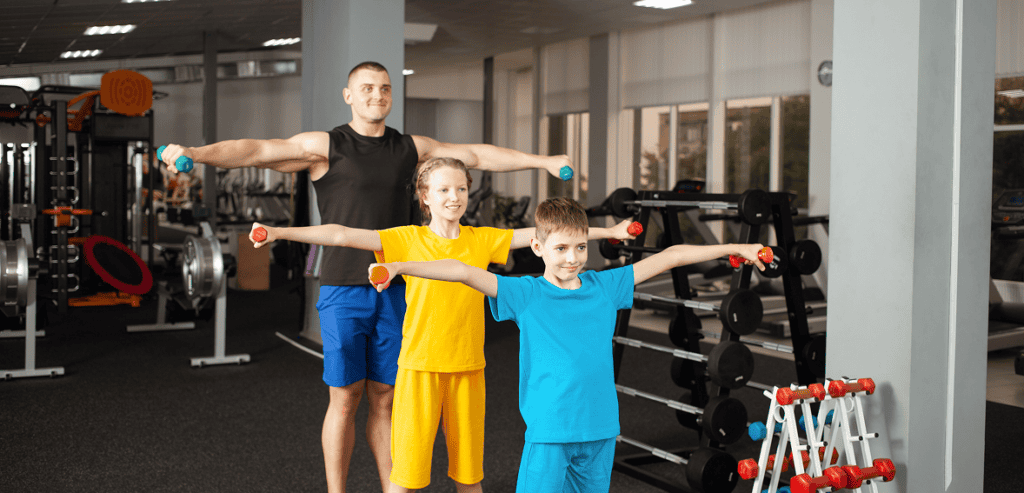
While childcare at the gym is primarily about supervision, kids fitness programs are one step ahead of engagement. Structured classes cater to children by making the introduction to movements fun and supportive, thus laying the foundation for healthy habits. Youth classes gym offerings can include very simple fitness games, initiation to strength movements, dance based sessions, or coordination activities that are designed for different age groups.
Kids fitness programs also turn time at the gym into a positive experience rather than just waiting for a parent to finish working out. For gyms, these programs create additional value and sometimes new revenue streams. Parents appreciate services that benefit their children as much as themselves. Over time, youth classes and gym initiatives help position the gym as a family wellness hub rather than an adult-only space.
Designing Family Workout Experiences
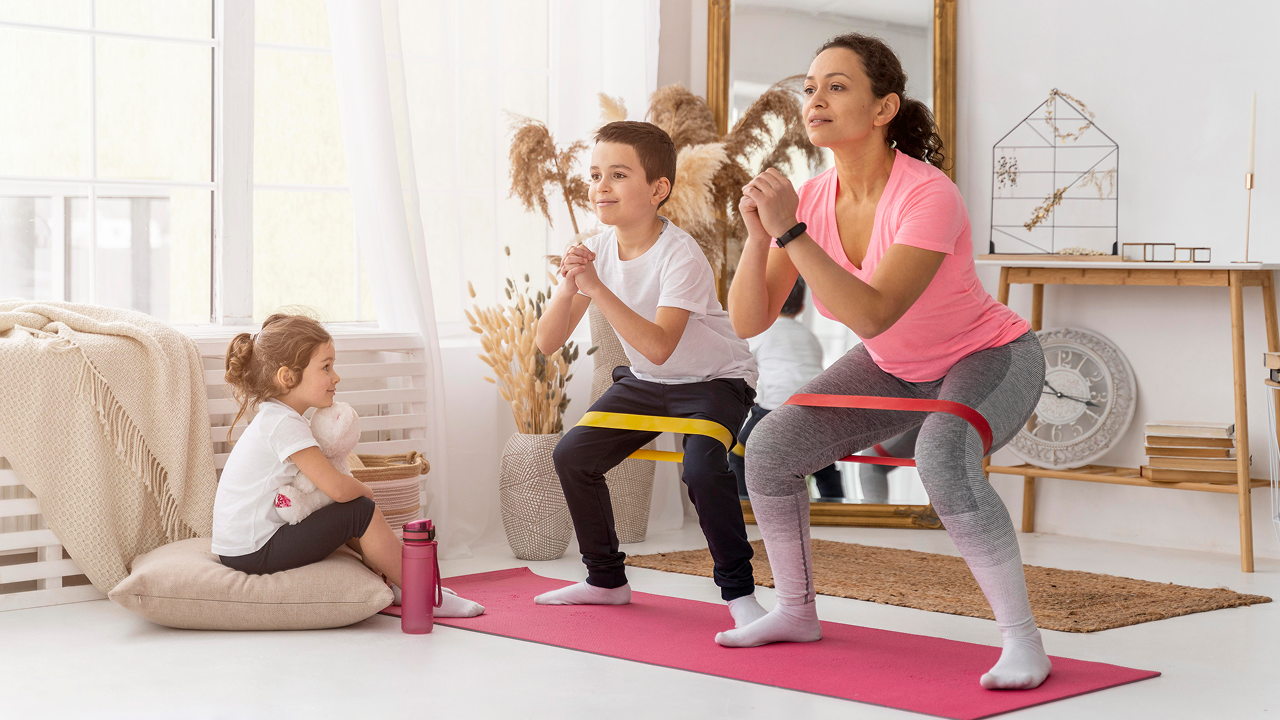
Family-friendly fitness does not always require separating parents and children. Some gyms successfully offer shared activities that bring families together. Weekend family workout sessions, parent and child classes, or seasonal fitness events encourage joint participation and enjoyment.
These experiences are especially appealing for parents who want to model healthy behaviors for their children. Family workouts build a sense of inclusion and reduce the feeling that fitness competes with family time. From a branding perspective, these initiatives strengthen community identity and differentiate the gym from competitors. A parent-friendly gym that welcomes families creates lasting impressions that go well beyond traditional membership benefits.
Staffing and Operational Considerations
Adding gym childcare or kids programs introduces new operational responsibilities. Staffing schedules must align with peak parent attendance times, often mornings, late afternoons, or weekends. Clear ratios of caregivers to children are essential for safety and quality.
Training should extend beyond childcare basics to include emergency procedures, communication with parents, and coordination with front desk staff. Scheduling systems must track children’s attendance just as carefully as adult check ins. For family-friendly fitness strategies to succeed, childcare operations must feel professional, consistent, and reliable. When operations run smoothly, trust grows and utilization increases.
Liability, Insurance, and Risk Management
Childcare is a service that must be very carefully managed in terms of liability. Fitness centers should double-check whether their insurance policies cover childcare and youth programming. Typically, insurance companies demand special riders or policy amendments to cover gym daycare and kids fitness classes.
Parent waivers are the norm, however, they need to be very comprehensible about risks, duties, and how children are supervised. Regular inspections of the premises, monitoring of equipment, and keeping up with the cleanliness standards help to lower the risk even more. Handling gym childcare with the same degree of concern as workout safety will lead to the children and the establishment being well-protected. A parent, friendly gym will help families to feel secure as it gives them the assurance that safety is never sacrificed for convenience.
Cost Considerations and Return on Investment
Introducing gym childcare and youth classes gym services does add costs. These include space modifications, equipment, staffing, training, insurance, and cleaning. However, these investments often lead to higher membership acquisition, improved retention, and reduced churn among parents.
Many gyms offset costs through childcare fees, premium membership tiers, or limited complimentary hours per week. Others find that increased membership stability justifies the expense. Family-friendly fitness strategies also attract referrals within parent networks, which reduces marketing costs over time. When evaluated holistically, gym childcare often delivers strong long term value rather than short term profit alone.
Marketing a Family-Friendly Gym to Parents
Promoting family-friendly features requires empathy and clarity. Parents want to know exactly how childcare works, when it is available, and who is supervising their children. Messaging should focus on relief, convenience, and peace of mind rather than overselling features.
Highlighting gym childcare, kids fitness programs, and parent-friendly gym values on websites, tours, and social media builds awareness. Visual content showing welcoming kids’ spaces and family events helps parents imagine themselves there. Clear communication builds trust and sets realistic expectations. When done well, family-focused marketing resonates deeply and encourages word of mouth within parent communities.
Building Long Term Loyalty Through Family Inclusion
Family-friendly fitness strategies often result in stronger long term loyalty than traditional gym features. Parents who feel supported are more likely to stay through different life stages, even when workout frequency fluctuates. Over time, children who participate in youth classes gym activities may grow into future members themselves.
By integrating gym childcare and kids programs thoughtfully, gyms create multigenerational value. This approach positions the gym as part of a family routine rather than an optional extra. In an industry where retention is a constant challenge, family inclusion becomes a powerful differentiator.
Scheduling Childcare Services to Match Parent Routines
One of the most important factors in successful gym childcare is scheduling. Parents typically plan workouts around school drop offs, pickups, nap times, and work hours. If childcare availability does not align with these routines, even the best facilities may remain underused. A parent-friendly gym pays close attention to when members actually want to train rather than offering generic childcare hours.
Usually, mornings are preferred by parents who are home based, whereas the time in late afternoon as well as the early evening is suitable for working families. On the other hand, the possibility of a weekend can be a major differentiator, especially for those who find it difficult to exercise during the week. Family-friendly fitness approaches are most effective when the schedule is based on the actual behavior and feedback of the members. Surveys and attendance tracking allow the gyms to fine tune the hours gradually. Whenever a few hours of childcare seem to be intentionally designed rather than limited or inconvenient, parents are highly likely to develop consistent workout habits and keep their loyalty to the gym.
Creating Age-Appropriate Experiences for Different Children
Children of different ages have very different needs, attention spans, and energy levels. Treating all children the same in a gym childcare setting can lead to frustration for both kids and caregivers. Successful gym daycare models recognize these differences and create age-appropriate experiences that keep children engaged and comfortable.
Younger children often need quiet play areas, simple toys, and comforting routines, while older kids benefit from structured activities and movement based games. Youth classes gym offerings are particularly effective when grouped by age range so instruction and pacing feel natural. Family-friendly fitness environments thrive when children look forward to visiting the gym rather than resisting it. Designing experiences that respect developmental stages improves safety, enjoyment, and overall satisfaction. Parents notice when their children are happy and well cared for, which directly influences how often they choose to return.
Managing Capacity and Peak Time Demand
Capacity management is a common challenge in gym childcare operations. During peak hours, demand may exceed available space or staff, leading to waitlists or turned away families. Poorly managed capacity can frustrate members and reduce trust, even if overall service quality is high.
A parent-friendly gym model typically establishes straightforward rules about the maximum number of people allowed in the facility and the number of caregivers per child to keep the environment safe and provide them with consistent experiences. Some gyms manage demand at peak times by introducing a booking system, others by giving out session times in such a way that attendance is evenly distributed. Defining a limit very clearly to the public can work very well as it helps a lot in setting the right expectations of people as well as avoiding them feeling let down. A well put-together child care at the gym will be successful if parents can trust that when they come in they will find the child care readily available, not booked out. Careful considerations of capacity limit help in maintaining both the smooth running of the business and the satisfaction of the customers.
Adapting Family-Friendly Fitness as Children Grow

Family needs change over time, and successful gyms evolve with their members. What works for parents with toddlers may not suit families with school aged children. Adapting offerings ensures that family-friendly fitness remains relevant across different life stages. As children grow, gym childcare may transition into kids fitness programs, youth classes gym activities, or supervised homework and activity zones. Older children often value independence and skill building, while parents appreciate services that continue to support their routines. Gyms that plan for these transitions retain families longer and strengthen lifetime value. By viewing family-friendly fitness as a long term relationship rather than a temporary feature, gyms create continuity and deeper community connections that benefit both members and the business.
FAQs
Do a lot of gyms offer childcare?
Gym childcare is becoming more common, especially in large fitness centers and family oriented clubs. Industry surveys suggest that roughly a quarter of gyms offer some form of childcare, with the number continuing to grow. Many smaller or boutique gyms still do not offer it due to space or cost constraints, which means adding gym daycare can be a strong competitive advantage.
What are the liability concerns with gym childcare?
Liability is a critical consideration. Gyms must ensure appropriate insurance coverage for childcare services and have parents sign clear waivers. Background checks for staff, secure check in procedures, and childproofed spaces are essential. Treating childcare safety with the same rigor as workout safety significantly reduces risk.
How can I start offering kids’ fitness programs?
Start by assessing interest among your members. Decide on age groups and program types, then hire instructors experienced in youth fitness. Schedule classes at family-friendly times such as weekends or after school hours. Well structured kids fitness programs enhance value for parents and support youth engagement.
What are the costs of adding gym childcare?
Costs include space setup, equipment, staffing, insurance, and cleaning. Many gyms charge small childcare fees or include access in higher tier memberships. While there are ongoing expenses, many gyms find that improved retention and new member growth offset these costs over time.
How should I promote family-friendly gym features?
Make gym childcare and kids programs highly visible in marketing. Use clear messaging, photos, and tours to show how the services work. Family-focused events and open houses also help parents experience the environment firsthand. Word of mouth within parent networks often becomes one of the strongest growth drivers.
By prioritizing gym childcare, kids fitness programs, and parent-friendly gym strategies, fitness businesses can remove one of the biggest barriers parents face. Family-friendly fitness is not just a service offering. It is a long term strategy that supports inclusion, loyalty, and sustainable growth.
Leave a Reply