
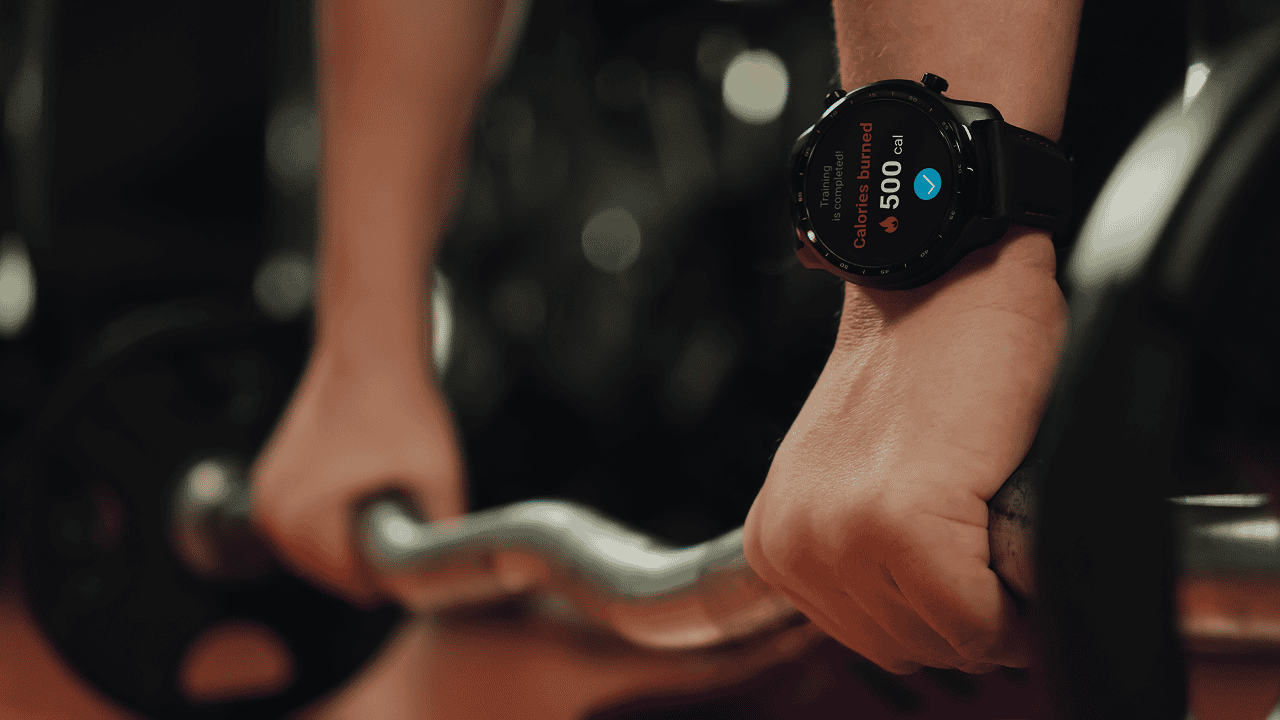
Integrating Wearable Tech: How to Leverage Fitness Trackers in Your Gym
Wearable technology has become a defining part of modern fitness culture. From tracking daily steps and heart rate to monitoring recovery, sleep quality, and workout intensity, fitness wearables are no longer niche tools used only by athletes. They are now widely adopted by everyday gym members who want greater insight into their health and performance. For gyms, this shift represents both a challenge and an opportunity. The challenge lies in adapting operations and programming to match evolving member expectations. The opportunity lies in using wearable data to enhance engagement, personalize experiences, and improve retention without undermining the value of in-person training.
Rather than viewing wearables as distractions or competitors to professional coaching, gyms can treat them as complementary tools. When integrated thoughtfully, wearable technology strengthens the relationship between members and their gym by providing actionable insights, reinforcing accountability, and supporting consistent habits. Members increasingly expect their fitness environments to acknowledge and align with the data they already track. Gyms that ignore this reality risk appearing outdated or disconnected from how people actually train today.
The Rise of Wearables and Why Members Love Tracking

Fitness tracking devices have been increasing in popularity at an exponential rate over the last decade. From basic step trackers, the technology has upgraded to the point where it is possible to monitor heart rate variability, intensive exercise zones, recovery cycles, and activity levels. Almost every gym-goer tracks the exercise habits, performances, and levels of other members before heading to the gym. This has brought about a sea change in the way individuals approach their exercise routine. The first reason why the popularity of fitness devices is phenomenal is the immediacy factor. The users get a feedback report on the exercise routine in real time and get a graphical representation immediately after the routine is completed. This motivates the individual in two ways. Firstly, the members get concrete evidence of the effort they have been putting in, and secondly, they get the motivation to meet the targets achieved. Fitness devices give individuals the feeling of autonomy. The members do not have to depend on instructors for information on how well the body is responding to the exercise routine.
Tracking also supports accountability. Members who see gaps in activity are reminded to return, while those who notice progress feel encouraged to continue. For many people, this data becomes part of their identity as someone who values health and consistency. Gyms that recognize and respect this mindset are better positioned to build trust and loyalty. Ignoring wearables can create a disconnect. Members may feel their gym experience exists in isolation from the data they care about most. Embracing wearable technology signals that a gym understands modern fitness behavior and is willing to evolve alongside its members.
Aligning Wearable Data With the In-Gym Experience
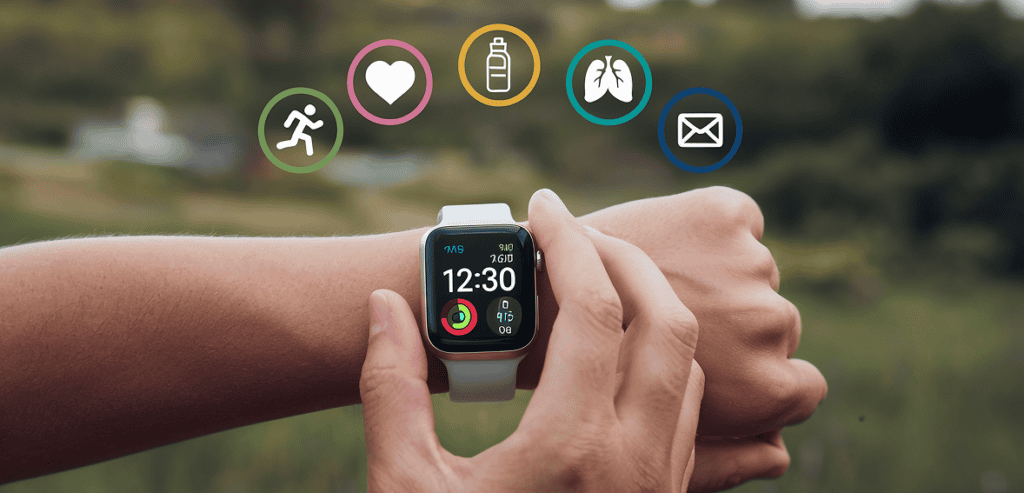
The most effective wearable integration does not overwhelm members with information. Instead, it aligns relevant data points with existing gym services. This alignment creates continuity between personal tracking and professional support. For example, wearable data can complement group classes by helping instructors understand how participants respond to different intensities. Rather than guessing whether a class is too challenging or too easy, instructors can adjust pacing based on aggregated trends. Similarly, trainers can use activity patterns to tailor recommendations more accurately.
Alignment also extends beyond workouts. Visit frequency, recovery trends, and consistency patterns provide context that attendance logs alone cannot capture. When a gym understands not just how often members show up but how they engage outside scheduled sessions, support becomes more meaningful. The key is selectivity. Not every data point needs to be integrated. Successful gyms focus on metrics that support safety, motivation, and habit formation rather than attempting to analyze everything.
Syncing Wearables With Gym Systems and Digital Platforms
Integration works best when wearable data flows seamlessly into gym systems without requiring extra effort from members or staff. When syncing is intuitive, adoption increases and friction decreases. Many gyms choose to integrate wearable data with member profiles, allowing activity summaries to appear alongside attendance history or program participation. This creates a more complete picture of engagement. For members, seeing wearable insights reflected within the gym ecosystem reinforces the idea that their efforts are recognized and valued.
And instructors and trainers benefit, too. With access to aggregated data, they can provide guidance with more insight, but without invading personal space. For instance, an understanding of the average heart rate zones during a class can help provide insight into future programming, without exposing individual metrics. Effective integration shuns complexity: If members have to manually upload data or sift through confusing systems, they quit participating. Clarity is the necessary element in bringing about simplicity and clarity.
Using Wearable Data to Personalize Training and Support
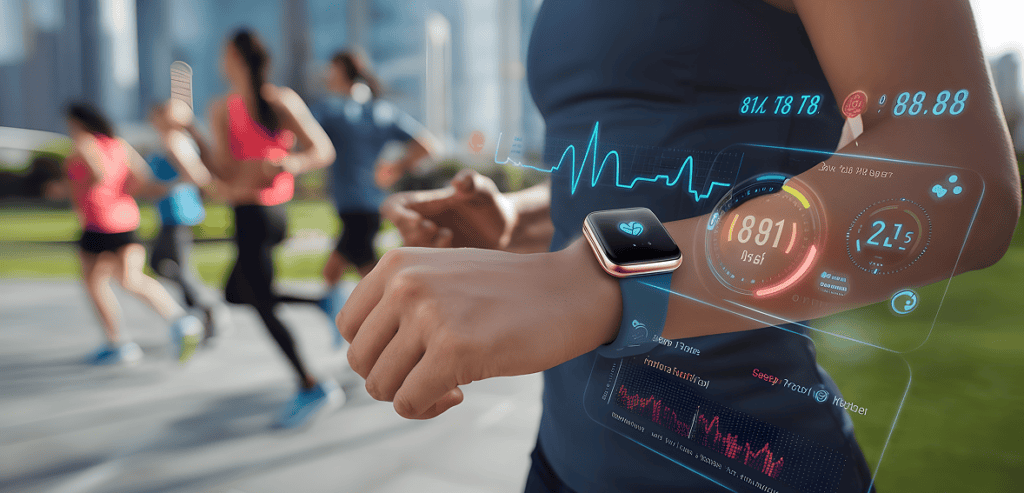
Personalization is one of the strongest arguments for wearable integration. Members expect experiences tailored to their goals, abilities, and limitations. Wearable data supports this expectation by offering objective insights into how individuals actually train. Trainers can use activity trends to identify undertraining, overtraining, or inconsistent routines. Instead of relying solely on self-reported behavior, guidance is based on real patterns. This leads to safer programming and more realistic goal setting.
Personalization also supports motivation. When members receive feedback that reflects their actual effort, they feel seen rather than generalized. Small adjustments based on data can significantly improve satisfaction and results. Importantly, personalization should feel supportive, not corrective. Wearable data should be used to encourage progress, not to criticize lapses. Tone and intent matter greatly in how insights are communicated.
Early Churn Detection Through Activity Patterns
Early indication of member disengagement is probably the most useful thing that members’ fitness data will offer the fitness center. The reality is that member churn is almost never immediate. It is usually the result of decreased engagement and motivation that happens weeks and even months before the member considers submitting the cancellation request. The good thing about fitness trackers is that they give fitness centers insight into the weeks leading up to the cancellation request and give them the opportunity to reach out and correct the situation before the cancellation is finalized.
Ethical Use of Data and Member Trust
Trust is the foundation of any successful wearable integration strategy. Members must feel confident that their data is handled responsibly and used solely to support their goals. Clear consent processes are essential. Members should understand what data is collected, how it is used, and who can access it. Transparency builds confidence and reduces hesitation. Data security is equally important. Wearable data should be stored securely and accessed only by authorized staff. Sharing individual metrics publicly without explicit permission should be avoided. Any competitive features, such as leaderboards, should be opt-in or anonymized. Respecting privacy does not limit effectiveness. In fact, ethical data practices enhance credibility and long-term engagement.
Designing Wearable-Based Challenges That Encourage Participation
Wearable technology enables creative engagement strategies that go beyond traditional attendance incentives. Challenges based on steps, consistency, recovery, or cumulative effort can motivate members across fitness levels. The most successful challenges prioritize inclusivity. Instead of rewarding only top performers, they recognize participation, improvement, and consistency. Team-based challenges foster social connection and reduce intimidation for beginners. Challenges also provide structure. Members who struggle with motivation benefit from clear goals and timelines. Wearables make tracking progress effortless, reducing barriers to participation. Importantly, challenges should feel optional and fun. Overly competitive or rigid structures risk alienating members who prefer a more relaxed approach.
Supporting Coaches and Instructors With Better Insights
Wearable data enhances coaching quality when used appropriately. Trainers gain a clearer understanding of how members respond to programs outside scheduled sessions. This insight allows for more accurate adjustments. For example, if recovery data suggests fatigue, trainers can recommend lighter sessions or rest days. If consistency improves, progression can be introduced confidently. Data-informed coaching strengthens trust. Members appreciate guidance that reflects their actual experience rather than generic advice. Over time, this leads to better outcomes and stronger relationships.
Avoiding Data Overload and Fatigue
One common pitfall of wearable integration is information overload. Too many metrics can overwhelm both members and staff. Successful gyms focus on a small number of meaningful indicators aligned with specific goals. Clarity matters more than volume. Members should understand why certain data points matter and how they support progress. Simplifying insights also improves communication. When staff can explain trends clearly, members are more likely to engage and act.
Measuring the Impact of Wearable Integration
Evaluating success requires both quantitative and qualitative measures. Metrics such as visit frequency, program participation, and retention trends provide objective indicators. Member feedback offers context and insight into perceived value. Wearable integration should ultimately strengthen the gym experience. If members feel more supported, motivated, and connected, the strategy is working.
Training Staff to Use Wearable Insights Effectively
Staff training is imperative for successful integration. They should learn how the data can be responsibly decoded. It should teach them how to decode the data effectively and constructively. Empathy and consent should also feature in the training. Wearable data should rather serve as a support tool and not a surveillance device. People should learn how to decode the data with respect.
Integrating Wearables Without Replacing Human Connection
Wearables should enhance human interaction, not replace it. The most successful gyms use data to inform conversations, not substitute them. Members still value encouragement, expertise, and community. Wearable insights simply provide additional context for these interactions. Maintaining this balance ensures technology serves the relationship rather than dominating it.
Adapting Wearable Integration for Different Member Types
Not all members engage with wearables equally. Some embrace tracking enthusiastically, while others prefer minimal data. Flexible integration respects these differences. Participation should be optional, and support should adapt to individual preferences. This flexibility ensures wearables enhance inclusion rather than creating pressure.
Long-Term Strategy and Scalability
Integration with wearables needs to be seen from the lens of a lot SaaS adoption and not something to add as a special feature to fitness centers down the line. As technology keeps advancing, fitness centers also need to keep adjusting to these changing needs and demands down the line and not become rigid due to adoption challenges from the beginning.
Using Wearable Insights to Improve Group Class Programming
Group fitness classes are a core engagement driver for many gyms, yet they are often programmed based on instructor intuition rather than measurable outcomes. Wearable data provides an opportunity to refine class design using real participation and intensity trends. When aggregated responsibly, wearable insights can reveal how different class formats impact member effort, recovery, and consistency. For example, heart rate trends across a HIIT class can indicate whether participants are consistently reaching effective training zones or struggling to keep up. If data shows excessive fatigue or frequent drop-offs mid-session, it may suggest the class intensity needs adjustment. Similarly, step counts or activity levels following certain classes can indicate which formats encourage continued movement versus those that leave members overly exhausted.
This data-driven approach helps gyms optimize class schedules without relying on trial and error. It also supports better instructor feedback, allowing programming changes to be framed around member experience rather than criticism. Over time, wearable-informed adjustments can improve class satisfaction, reduce burnout, and increase repeat attendance. When members feel classes are challenging but achievable, engagement naturally improves.
Supporting Injury Prevention and Safer Training Decisions
One of the most practical benefits of wearable integration is its role in injury prevention. Many gym injuries stem from overtraining, inadequate recovery, or pushing intensity beyond safe limits. Wearables offer early indicators of these risks by highlighting patterns such as elevated resting heart rate, reduced recovery quality, or sudden spikes in training volume. When trainers and staff understand how to interpret these signals, they can guide members toward safer choices. This may involve recommending rest days, modifying workouts, or adjusting training frequency. For members returning from injury or managing chronic conditions, wearable data provides reassurance that progress is being monitored thoughtfully.
Importantly, this approach shifts injury prevention from reactive to proactive. Instead of responding only after pain or injury occurs, gyms can help members make informed decisions earlier. This not only reduces liability risk but also builds trust. Members appreciate environments that prioritize long-term health over short-term performance. A gym that uses wearable insights responsibly demonstrates commitment to member well-being rather than just attendance numbers.
Enhancing Accountability Without Creating Pressure
Accountability is a powerful motivator, but it must be handled carefully. Wearable data can enhance accountability when framed as supportive insight rather than surveillance. The goal is to help members stay aware of their habits, not to monitor or judge their behavior. When used correctly, wearable insights enable gentle check-ins instead of confrontational conversations. For example, noticing a decline in activity can prompt a supportive message asking how a member is feeling or whether they need help adjusting their routine. This feels collaborative rather than corrective.
Accountability also becomes more effective when members choose how they engage with data. Some may enjoy regular feedback, while others prefer minimal touchpoints. Offering opt-in levels of engagement respects individual preferences and avoids burnout. The most successful gyms use wearable data to reinforce positive behaviors rather than highlight lapses. Celebrating consistency, progress, or recovery improvements creates motivation without pressure. This balanced approach strengthens trust and encourages long-term adherence rather than short bursts of enthusiasm followed by disengagement.
Preparing Your Gym for the Future of Data-Driven Fitness
Wearable integration is not just a current trend; it reflects a broader shift toward data-informed health and fitness experiences. As technology continues to evolve, members will expect greater alignment between their personal tracking tools and professional fitness environments. Preparing for this future does not require advanced systems or complex analytics from day one. It begins with establishing clear principles around data use, staff training, and member consent. Gyms that build these foundations early are better positioned to adapt as wearable capabilities expand.
Future-ready gyms also focus on flexibility. New devices, metrics, and platforms will emerge, but the core objective remains the same: supporting healthier habits and stronger engagement. By prioritizing meaningful insights over novelty, gyms avoid chasing trends and instead build sustainable strategies. Ultimately, wearable integration should evolve alongside member needs. Gyms that listen, adapt, and maintain a human-centered approach will continue to thrive as fitness becomes increasingly personalized and data-aware.
Conclusion
Wearable technology is now a permanent part of the fitness landscape. Gyms that integrate it thoughtfully gain powerful tools for personalization, engagement, and retention. Success depends on simplicity, ethics, and human-centered design. By aligning wearable data with professional guidance, respecting privacy, and focusing on meaningful insights, gyms can enhance the member experience without losing what makes in-person fitness valuable. Wearables are not replacements for coaching or community. They are tools that, when used well, strengthen both.
Frequently Asked Questions
Q1: What kind of wearable data can gyms use?
Gyms typically work with activity-related data such as heart rate zones, workout duration, calories burned, step counts, and general activity frequency. Some wearables also provide recovery indicators or sleep summaries, though these should be used cautiously and only with member consent. In a gym setting, this data helps trainers understand effort levels during workouts, identify participation trends, and support members with more appropriate programming. The focus should always be on high-level insights rather than medical interpretation, using the data to guide motivation, safety, and engagement rather than diagnose health conditions.
Q2: How do gyms integrate wearables with their systems?
Wearable integration usually happens through mobile apps, Bluetooth-enabled equipment, or third-party fitness platforms that allow members to connect their devices voluntarily. Once connected, workout data can sync to member profiles or class dashboards. Some gyms display anonymized group data during classes, while others use the information privately for coaching and engagement purposes. Successful integration prioritizes simplicity, clear opt-in processes, and minimal technical friction so members can participate without confusion or setup fatigue.
Q3: What is the main benefit of using wearable data for members?
The biggest benefit is personalization. Wearable data allows workouts to feel more relevant to individual effort levels rather than one-size-fits-all programming. Members gain clearer feedback on progress, intensity, and consistency, which helps reinforce motivation. Trainers can also offer more informed guidance, adjusting recommendations based on real activity patterns. When members feel understood and supported, they are more likely to stay engaged and maintain long-term fitness habits.
Q4: Are there privacy concerns with collecting wearable data?
Yes, and they must be taken seriously. Gyms should clearly explain what data is collected, how it is used, and who can access it. Participation should always be optional, with easy ways to disconnect devices or limit data sharing. Wearable data should be stored securely and never shared publicly without explicit permission. Leaderboards or challenges should be opt-in and anonymized where possible. Respecting privacy builds trust and prevents wearable programs from feeling intrusive.
Q5: Can wearables help with member retention?
Wearables support retention indirectly by increasing engagement and awareness. Members who track progress are more likely to stay consistent and notice improvements. Gyms can also use activity gaps as early indicators of disengagement, allowing timely outreach or encouragement. Group challenges based on wearable data foster community, while personal milestones reinforce commitment. When members feel connected to their progress and supported by data-driven insights, dropout rates tend to decrease.
Leave a Reply