

Senior Fitness Programs: Attracting and Retaining the Fastest Growing Gym Demographic (50+)
Senior fitness programs are quickly becoming one of the most important growth drivers for gyms, community centers, and boutique fitness facilities. Adults aged fifty and above now represent one of the largest and fastest growing fitness demographics, and they are joining gyms at higher rates than younger groups. This shift is driven by several factors, including increased health awareness, longer life expectancy, more retirees prioritizing active living, and a strong desire to maintain independence for as long as possible. For gym owners, this demographic represents a powerful opportunity not only because of its rapid expansion but also because older adults tend to stay loyal once they find a comfortable environment that meets their needs. They attend classes consistently, renew memberships for years, and often bring friends along, strengthening both retention and referrals.
Many gyms overlook this group because they assume older adults are not engaged in fitness or that programming must be highly specialized. In reality, the opposite is true. Seniors are increasingly active and motivated, and they appreciate well structured gym programs for seniors that support functional strength, balance, mobility, and overall wellness. The most successful senior fitness programs are those that combine science backed exercise principles with an age inclusive atmosphere and an understanding of common concerns such as intimidation, safety, and accessibility. These programs also benefit from careful planning, instructor education, facility readiness, and communication strategies that make older adults feel valued rather than isolated. When implemented correctly, senior fitness programs create long term loyalty, strengthen the brand reputation of a facility, and significantly boost membership stability throughout the year.
Designing Senior Friendly Programming

Designing meaningful and safe programming for older adult fitness requires an understanding of age related physical changes and exercise science tailored to individuals over fifty. Many adults in this age group experience declines in muscle mass, balance, bone density, and cardiovascular endurance if they do not remain active. Senior fitness programs must therefore incorporate low impact cardio to protect joints, strength training to prevent muscle loss and support bone density, balance exercises to reduce fall risk, and flexibility training to maintain mobility. Functional fitness is especially important because it prepares seniors for everyday movements such as getting up from the floor, carrying groceries, climbing stairs, or maintaining stability during unexpected movements. Exercises that mimic real life patterns give seniors confidence and help prevent injuries in daily life.
Low impact training options such as walking programs, light step classes, cycling, and water aerobics are popular choices. Strength circuits using resistance bands, light dumbbells, cable machines, and bodyweight exercises help build strength safely. Balance focused movements like single leg stance drills, stability ball exercises, and slow controlled step overs reduce fall risk. Flexibility and mobility work through controlled stretches, yoga variations, or slow movement flow sessions improve joint function and reduce stiffness. Instructors must also be trained to provide modifications because individuals within the fifty plus group vary widely in fitness levels. Some may be beginners with limited mobility while others may be lifelong exercisers capable of moderate to higher intensity workouts. Senior fitness programs thrive when they offer both structure and flexibility so each participant can progress at a comfortable pace.
Creating an Age Inclusive Environment Without Stigma
A significant barrier that prevents older adults from joining gyms is the fear of being judged, ignored, or intimidated by younger, more athletic members. Creating an age inclusive environment means ensuring that seniors feel seen, valued, and welcomed. This begins with the layout and culture of the facility. Clear signage, thoughtfully arranged equipment, well lit spaces, visible staff presence, and accessible pathways all help older adults navigate the gym with confidence. Staff must also be trained to assist seniors with equipment adjustments, warm up routines, and basic safety tips so they do not feel lost or embarrassed when trying something new.
Programs can be designed as senior only classes or integrated options depending on the facility’s philosophy. Senior specific classes such as balance training, gentle mobility flow, or strength and stability sessions make participants feel more comfortable and supported. However, integrated classes such as all levels yoga or low impact circuits help older adults feel part of the full community rather than separated by age. A hybrid model works well because some seniors prefer the comfort of peers while others enjoy mixed age activities. Communication also plays a major role in preventing stigma. Gym programs for seniors should emphasize empowerment, independence, confidence, and long term well being rather than portraying aging as a limitation. When messaging celebrates the abilities and contributions of older adults, participation increases and retention strengthens.
Insurance Partnerships and Senior Pricing Strategies

One of the biggest advantages of senior fitness programs is the availability of insurance based membership partnerships such as Silver Sneakers, Renew Active, and other health plan fitness benefits. These programs allow older adults to access participating gyms at reduced or zero cost depending on their insurance provider. They significantly increase foot traffic, stabilize monthly membership revenue, and help facilities attract adults who may otherwise hesitate due to cost concerns. Understanding how these programs work is essential. Facilities must apply to become participating partners, provide required documentation, and use verification systems to check eligibility. Once approved, reimbursement is based on attendance or participation in classes depending on the insurance program’s structure.
Pricing strategies for seniors should be flexible and easy to understand. Many gyms offer discounted senior membership tiers, reduced annual prepaid plans, or class packs designed specifically for older adults. However, discounting must be balanced with sustainability. Insurance partnerships help offset lower membership costs by providing recurring reimbursements. They also enhance retention because seniors with these benefits tend to visit more regularly. CloudGymManager can support these pricing structures through features that track insurance based attendance and participation while making membership administration easier for staff. When gyms combine insurance partnerships with well designed age friendly pricing options, they make senior fitness programs more accessible while increasing long term revenue stability.
Understanding the Growth of the 50 Plus Fitness Market
The senior fitness market has been expanding for years, and demographic trends indicate this growth will accelerate well into the coming decades. Adults aged fifty plus represent roughly a quarter to a third of all gym members, and in many facilities they are the most consistently engaged demographic. Retention rates among seniors outpace younger members because older adults tend to value routine, stability, and personal well being more than trend driven fitness experiences. They attend classes more regularly, maintain memberships longer, and often choose annual plans instead of monthly commitments. The aging population and a growing cultural emphasis on healthy and active aging will continue to increase the need for dedicated senior fitness programs that address long term wellness.
This trend is further supported by what many describe as the Silver Tsunami, a wave of aging adults reaching retirement age and seeking ways to stay healthy and independent. Medical professionals consistently encourage older adults to engage in physical activity, making gym memberships increasingly attractive. With more people living longer, the demand for structured older adult fitness programs will likely become one of the strongest membership drivers for gyms across all sectors including boutique studios, community centers, and specialty wellness facilities.
Instructor Training and Safety Considerations
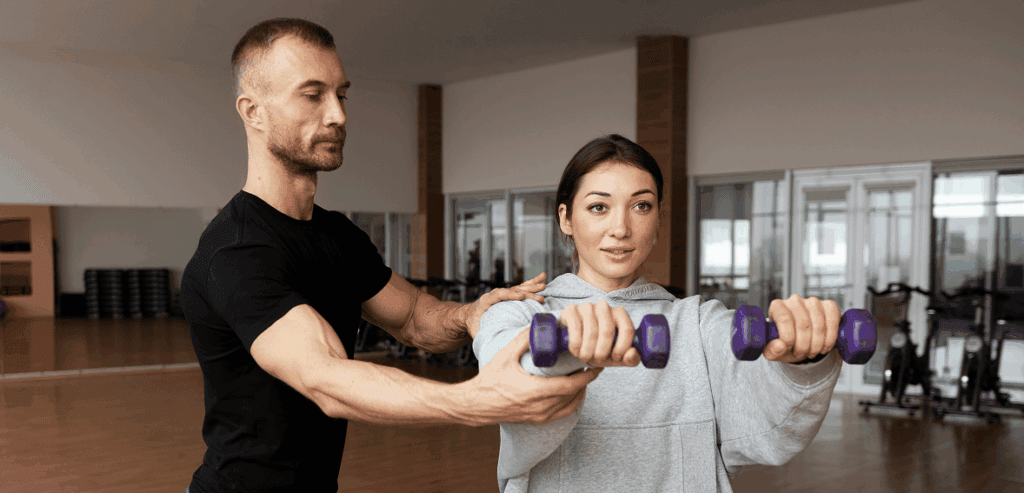
Senior fitness requires instructors who understand both exercise science and the practical needs of older adults. This includes knowledge of age related changes such as reduced bone density, joint stiffness, slower reaction times, and cardiovascular limitations. Effective instructor training covers movement modifications, safe progression techniques, and communication methods that empower rather than intimidate participants. Instructors must pay close attention to posture, balance, form, and breathing during classes to prevent strain or injury. Encouraging seniors to work at their own pace, take breaks when needed, and listen to their bodies ensures a positive and safe experience.
Environmental safety is equally important. This includes clear walkways, non slip flooring, supportive mats, proper lighting, and accessible equipment with easy adjustments. Emergency procedures must be well practiced by staff, and equipment should be maintained regularly with clear instructions visible for each machine. Consistent safety protocols create trust, which is essential for senior retention. When older adults feel that a facility prioritizes their safety and comfort, they become more confident in exploring new classes, trying new exercises, and attending more frequently.
Marketing Senior Fitness Programs to the Right Audience
Marketing to the senior demographic requires messaging that resonates with their values and goals. Older adults respond to themes of independence, longevity, community, and overall well being rather than extremes such as weight loss or high intensity transformation. Highlighting the benefits of improved balance, pain reduction, mobility, and everyday functionality is far more effective. Clear, friendly communication through channels older adults use such as local newspapers, email newsletters, community boards, and Facebook helps spread awareness. Testimonials from existing senior members are extremely powerful because they create familiarity and trust.
Partnerships with local healthcare providers, retirement communities, and physical therapists can also strengthen senior membership campaigns. Community events such as mobility workshops, posture clinics, or beginner wellness classes give seniors a low pressure introduction to the gym environment. When marketing efforts present senior fitness programs as accessible, safe, and enjoyable, older adults are far more likely to join and remain loyal members.
Facility Modifications for Senior Accessibility
Making a gym senior friendly often requires small but meaningful modifications. This includes non slip flooring, grab bars in key areas, seating stations for rest breaks, well lit hallways, and clear directional signage. Equipment selection matters too. Machines with low step up platforms, easy to adjust settings, supportive seating, and intuitive controls are essential. Seniors also appreciate areas where they can warm up or stretch at their own pace without feeling rushed or crowded. These changes not only improve safety but also send a clear message that the facility values and accommodates older adults.
Parking convenience and easy access to entrances further enhance the senior experience. Clear pathways without clutter or obstacles, stable handrails on stairs, and accessible restrooms contribute to an age friendly environment. When these modifications are planned thoughtfully, they encourage seniors to explore the entire space with confidence and comfort.
Retention Strategies for Long Term Senior Engagement
Senior members are highly loyal when they feel connected to the facility, staff, and community. Social engagement is a major factor in retaining older adults, and successful senior fitness programs often incorporate community building elements such as small group training, post workout gatherings, or interest based clubs. Regular progress check ins, mobility assessments, and friendly communication reinforce their commitment. Seniors appreciate being recognized for their consistency and enjoy celebrating milestones such as improved mobility, strength gains, or attendance achievements.
Long term success also depends on variety. Offering different class styles, updated routines, seasonal programs, or specialty workshops keeps workouts engaging while challenging seniors safely. Personalized guidance from trainers helps seniors set meaningful long term goals such as improving balance, reducing joint pain, or gaining energy for daily tasks. When gyms focus on relationships and supportive environments, senior members are more likely to renew year after year.
The Role of Technology in Senior Fitness Program Management
Technology can greatly enhance senior fitness program management by simplifying class scheduling, attendance tracking, communication, and membership administration. CloudGymManager supports these needs through features that help facilities organize class schedules, track senior program participation, and manage insurance based memberships. Seniors benefit from automated reminders, easy booking processes, and clear communication, while staff benefit from efficient record keeping and organized workflows.
Technology also helps gym owners analyze trends within senior participation, attendance frequency, and class popularity, which leads to more informed programming decisions. Digital tools make it easier to adjust class offerings based on member demand or instructor availability. For seniors who appreciate routine and clear instructions, technology powered systems offer reliability and consistency.
Conclusion
Senior fitness programs represent one of the most important growth opportunities for gyms as the fifty plus demographic continues to expand. By offering thoughtful programming, an inclusive environment, and accessible pricing options, facilities can attract seniors who value consistency and long term wellness. When gyms focus on functional strength, balance, safety, and community support, senior members thrive and remain loyal for years. Combining well designed senior programs with modern tools such as CloudGymManager helps facilities organize schedules, track participation, and support long term engagement. This demographic brings stability, enthusiasm, and strong retention, making senior fitness a powerful foundation for sustainable membership growth.
FAQs
Q1: What percentage of gym members are over fifty and is this segment growing?
Adults aged fifty and above represent roughly twenty five to thirty percent of gym members depending on the facility type, and this group is expanding rapidly. They also have the highest retention rates of around seventy five to eighty percent because they value routine and long term wellness. Facilities can use demographic reporting tools to understand their senior membership growth and plan programs accordingly.
Q2: What types of fitness programs appeal most to older adults?
Seniors prefer programs that support everyday functionality, joint comfort, balance, and strength. Low impact cardio, resistance training for bone density, fall prevention training, mobility flow, water aerobics, and modified dance classes are especially popular. These programs help seniors stay active safely and offer both physical and social benefits.
Q3: Should I offer senior specific classes or integrated options?
Both approaches work well depending on the facility. Senior specific classes create comfort and familiarity, while integrated options promote community bonding across age groups. Many gyms use a hybrid model that offers dedicated senior classes while keeping some all levels sessions welcoming for older adults. Class management systems can support both programming styles.
Q4: How do I partner with insurance fitness programs such as Silver Sneakers?
Partnerships require an application, documentation review, and verification setup so gyms can check member eligibility. Once approved, the gym receives reimbursement based on participation. These programs increase accessibility for seniors and help maintain steady monthly attendance. Tracking systems help manage eligible members and streamline billing.
Q5: What facility modifications make gyms more senior friendly?
Age friendly facilities focus on safety, accessibility, and comfort. This includes non slip flooring, handrails, wide walkways, adequate lighting, easy to adjust machines, supportive seating, and clear signage. Creating a welcoming, well organized environment helps seniors feel confident when navigating the gym.
Leave a Reply