
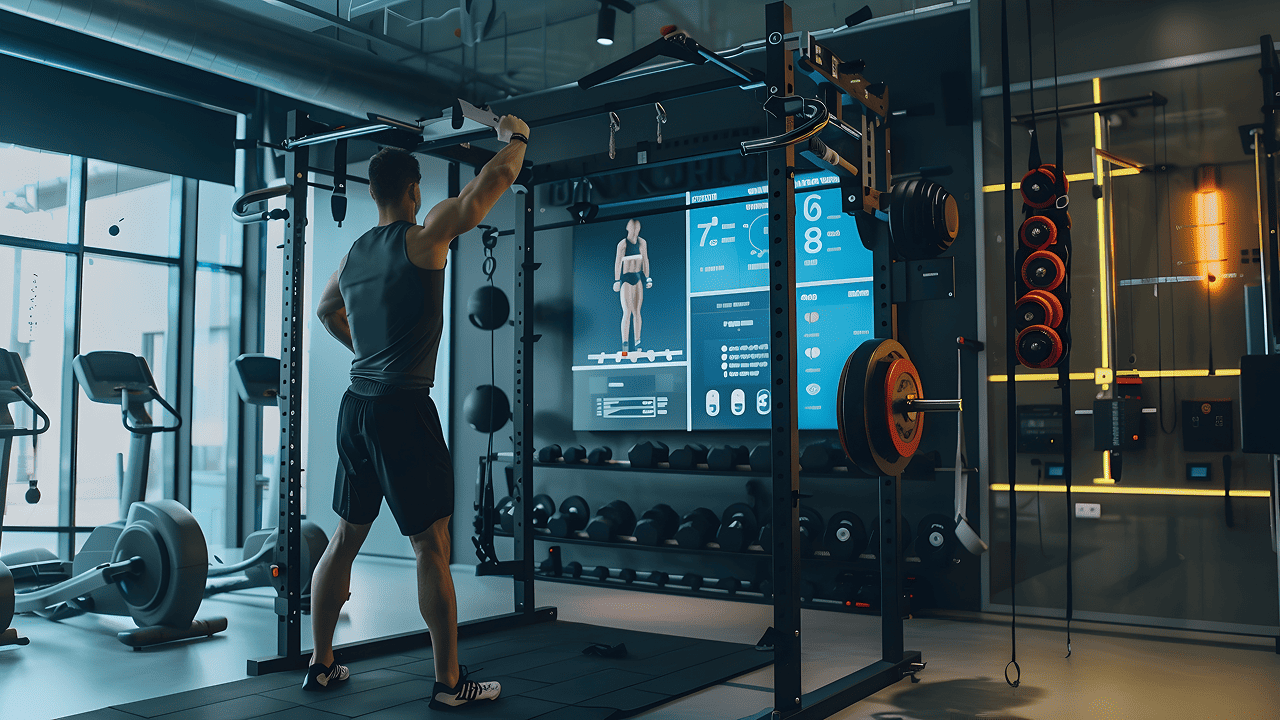
Smart Gym Equipment and IoT: Upgrading Your Facility with Connected Tech
Technology is reshaping how people exercise, track progress, and engage with fitness facilities. Gyms are no longer just rooms filled with weights and machines. They are becoming connected environments where data, personalization, and user experience play a central role. Smart gym equipment and IoT fitness technology are driving this change by turning traditional machines into interactive tools that respond to users and generate valuable insights for operators.
For gym owners, connected tech is not simply about keeping up with trends. It is about improving member satisfaction, optimizing operations, and future-proofing the facility. Connected fitness machines can track usage, monitor performance, and integrate seamlessly with apps and wearables. As expectations rise and competition increases, understanding how smart equipment data and gym IoT devices work together has become essential for modern fitness businesses.
Understanding What Smart Gym Equipment Really Means
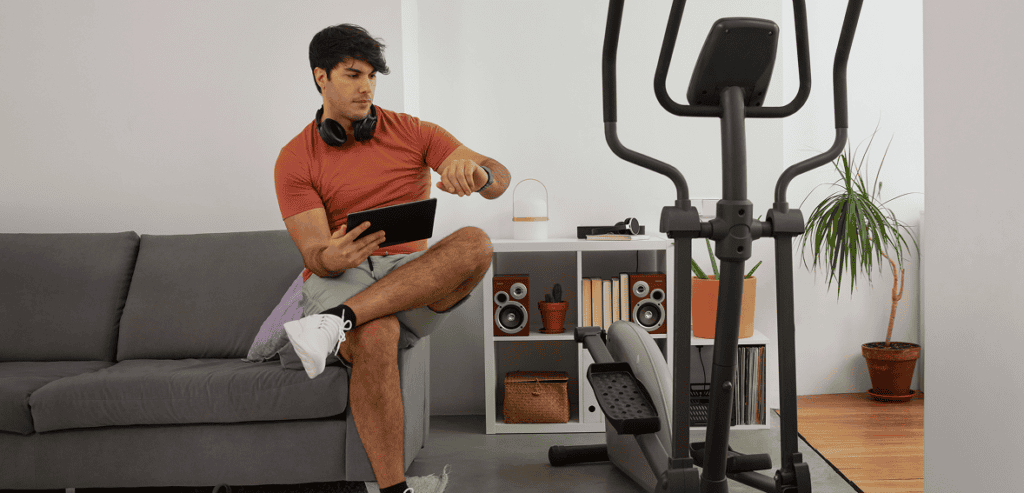
Smart gym equipment refers to machines that are equipped with sensors, connectivity, and software that allow them to collect and share data. Unlike traditional machines that operate in isolation, these connected systems communicate with apps, cloud platforms, and sometimes with other machines on the gym floor. This connectivity is the foundation of IoT fitness technology.
At a basic level, smart gym equipment can track metrics such as repetitions, resistance, speed, and heart rate. More advanced systems offer guided workouts, automatic adjustments based on user profiles, and real-time coaching feedback. For members, this means workouts feel more personalized and engaging. For gym owners, it means access to smart equipment data that reveals how the facility is actually being used.
What Smart Equipment Can Do From Repetition Tracking to Form Guidance
One very obvious benefit of smart gym equipment is the ability to track workouts in real-time. Fitness machines that are connected to the internet can automatically count reps, measure time under tension, and monitor cardio intensity thus deepening the fitness experience without the user having to manually log anything. Doing so, removes the barrier and hence, encourages the members to be more consistent, especially those who are data driven in their progress.
Even after the basic tracking, some types of smart equipment give you form guidance and coaching cues. For example, sensors can detect your movement patterns and give you feedback so that you can adjust your posture or cadence. Such a feature is extremely helpful for novices who might get scared when they see free weights or complicated machines. By delivering guidance directly through the equipment, gyms can enhance safety and confidence without requiring constant staff intervention.
The Role of IoT Fitness Technology on the Gym Floor
IoT fitness technology connects individual machines into a broader ecosystem. Each piece of equipment becomes part of a network that sends and receives data. This network can include cardio machines, strength stations, wearables, and mobile apps, all communicating in real time.
From an operational perspective, gym IoT devices provide visibility that was previously unavailable. Owners can see usage patterns across different times of day, track how often machines are used, and identify underutilized areas of the floor. This connected view transforms the gym from a static space into a dynamic system that can be adjusted based on real behavior rather than assumptions.
Real-Time Workout Tracking and the Member Experience
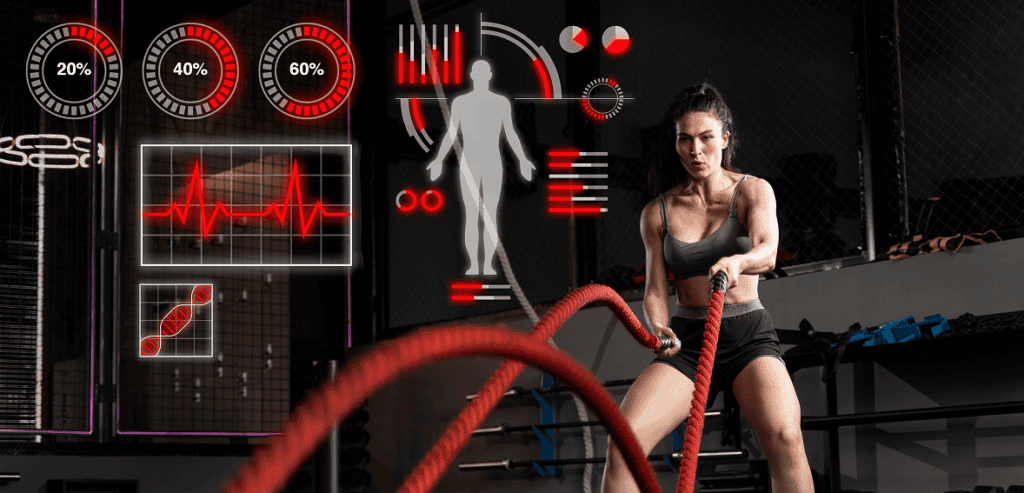
Real-time workout tracking is one of the strongest drivers of member engagement. When progress is captured automatically and displayed clearly, members feel more motivated to return and improve. Smart gym equipment removes the burden of manual logging and turns workouts into measurable experiences.
Connected fitness machines often sync with mobile apps, allowing members to review sessions, track trends over time, and set goals. This continuity creates a sense of ownership over progress. For gyms, real-time workout tracking supports retention by reinforcing the value of membership beyond access to physical space.
Using Smart Equipment Data to Improve Equipment Maintenance
Maintenance is one of the most practical applications of IoT fitness technology. Traditional maintenance schedules are often based on fixed intervals rather than actual usage. Smart equipment data changes this by showing how frequently each machine is used and how hard it is being worked.
Gym IoT devices can also flag performance issues before they become visible problems. For example, a treadmill may detect motor strain or belt wear and alert staff early. This proactive approach reduces downtime, improves safety, and extends equipment lifespan. For operators, data driven maintenance supports better budgeting and fewer unexpected disruptions.
Understanding Peak Times and Usage Patterns Through IoT Analytics
Having this information about equipment usage is essential for layout design and staffing. The fitness technology offered by IoT helps gym owners understand usage patterns, including peak usage times and traffic flow patterns on the gym floor.
The data from smart equipment allows gym owners to determine areas that are overcrowded and areas that are underutilized. This information can be used to make decisions about layout design, equipment purchases, or class offerings. Rather than making decisions based on member feedback, gym owners can now make decisions based on actual usage patterns.
Member Integration Through Apps and Wearables

One of the most appealing aspects of connected fitness machines is their ability to integrate with wearables and gym apps. Members can log in to a machine using a phone or wearable, and the equipment automatically adjusts settings based on their preferences or training history.
This integration allows workouts to follow members from machine to machine. Their history, targets, and progress are carried forward without manual input. For many users, this seamless experience is a major upgrade from traditional gyms. Member integration strengthens engagement by making workouts feel personalized and consistent across visits.
Syncing Connected Fitness Machines With Training Programs
Smart fitness equipment also enables structured training plans. Personal trainers can create training plans that are directly pushed to equipment, leading members through their training in a step-by-step process. Resistance levels, intervals, and rest periods can all be set to automatically adjust.
This functionality adds to the value of personal training services while enabling trainers to extend their reach. Members benefit from consistent instruction, while trainers have access to performance data that informs their coaching. Smart fitness technology fills the gap between planning and execution.
Data Privacy and Security in Smart Gyms
As gyms collect more data, privacy and security become critical considerations. Smart gym equipment may collect performance metrics, biometric data, and usage habits. Members need to trust that this information is handled responsibly.
Gym owners must ensure that vendors follow strong security standards and comply with relevant privacy laws. Transparency is essential. Members should understand what data is collected, how it is used, and how they can control access. A clear privacy policy and opt-in approach help maintain trust while still leveraging the benefits of smart equipment data.
Budgeting for Smart Tech and IoT Upgrades
Cost is one of the biggest concerns when upgrading to smart gym equipment. Fully replacing an entire gym floor with new connected machines can be expensive. However, adoption does not need to happen all at once.
Many gyms begin with selective upgrades, adding a few connected fitness machines as premium offerings or pilot programs. Others choose leasing models to spread costs over time. Budgeting decisions should account not only for upfront expense but also for long term operational savings, improved retention, and potential new revenue opportunities tied to smart services.
Retrofitting Existing Equipment vs Buying New
Not every gym needs to start from scratch. Some gym IoT devices are designed to retrofit existing equipment with sensors that track reps, load, or usage. Retrofitting can be a practical entry point for facilities with solid equipment that is not yet connected.
Buying new smart gym equipment offers deeper integration and advanced features, but retrofitting allows gradual adoption. The right approach depends on budget, facility age, and strategic goals. Many gyms use a hybrid approach, combining new connected fitness machines with upgraded legacy equipment.
Training Staff to Support Smart Equipment Adoption
Adoption of technology will only be successful if the staff are aware of and on board with the technology. The training staff and floor staff have an important role to play in educating members on how to use the connected equipment. Otherwise, the advanced technology may never be used.
Staff training needs to be more functional than technical. If the staff feel confident in explaining the features and responding to questions, the adoption rate will improve. Eventually, smart gym equipment will become a normal part of the gym environment and not something that is intimidating or optional.
Member Education and Feature Awareness
Members may not automatically explore advanced features on their own. Clear communication helps them see the value of IoT fitness technology. Introductory sessions, signage, and app walkthroughs can support adoption.
When members understand how real-time workout tracking works and how to access their smart equipment data, they are more likely to engage. Education turns connected fitness machines from novelty into meaningful tools for progress.
How Smart Gym Equipment Impacts Member Retention
Retention is one of the biggest challenges in the fitness industry. Smart gym equipment addresses this by making workouts more engaging and progress more visible. When members can clearly see improvement over time, motivation increases.
Connected fitness machines also create switching costs. Members who build workout histories and routines within a gym’s ecosystem are less likely to leave. IoT fitness technology supports retention by embedding value into the daily experience rather than relying on external motivation alone.
Using IoT Insights to Design Better Gym Layouts
These layout decisions impact the movement of the members within the facility and their interaction with the equipment. The Gym IoT equipment offers proof of the areas that are congested and the areas that are avoided. This information can be used to make layout modifications.
The data from the smart equipment could indicate that some equipment is in high demand at certain times of the day, indicating the need for modification.
Scaling Smart Tech Across Multiple Locations
For gym brands with multiple locations, consistency and visibility become more complex. IoT fitness technology allows centralized monitoring of equipment performance and usage across sites.
Smart gym equipment generates standardized data that supports comparison and benchmarking. Operators can identify best performing layouts, equipment mixes, or programs and replicate them elsewhere. Scaling becomes more controlled and less dependent on local guesswork.
Preparing for the Future of Connected Fitness
The connected gym equipment market is growing rapidly and shows no signs of slowing. As technology advances, features will become more integrated and affordable. What feels premium today may become standard in the coming years.
Gyms that begin exploring IoT fitness technology now gain experience that prepares them for future innovations. Early adoption does not require full transformation, but it does require curiosity and strategic thinking. Prepared facilities adapt more easily as expectations evolve.
Evaluating Whether Smart Equipment Fits Your Facility
Not all gyms require the same level of connectivity. This is because boutique gyms, large fitness clubs, and community gyms cater to different audiences. Assessing the demographics and training styles of gym members, as well as brand positioning, will help determine the best approach.
Intelligent gym equipment will work best when it meets the expectations of gym members. This is because understanding the problems that need to be solved will ensure that technology is used for a purpose and not as a distraction.
Conclusion
Smart gym equipment and IoT fitness technology are transforming how gyms operate and how members experience exercise. Connected fitness machines provide real-time workout tracking, personalized guidance, and valuable smart equipment data that supports better decisions. For operators, gym IoT devices unlock insights into usage, maintenance, and layout that were previously difficult to access. Upgrading to connected technology does not have to be all or nothing. Thoughtful planning, phased adoption, and clear communication help gyms modernize without disruption. As this technology becomes more mainstream, facilities that understand and embrace connected systems will be better positioned to deliver engaging, efficient, and future-ready fitness experiences.
FAQs
1. What is smart gym equipment and how is it different from traditional machines?
Smart gym equipment refers to fitness machines that use sensors, software, and internet connectivity to track performance and share data. Unlike traditional machines, these connected fitness machines can record repetitions, speed, resistance, and heart rate automatically. They often sync with apps or wearables, allowing workouts to be stored and reviewed later. This creates a more interactive and personalized exercise experience for members and provides useful operational data for gym owners.
2. How does IoT fitness technology benefit gym owners?
IoT fitness technology helps gym owners gain visibility into how their facility is used. Gym IoT devices can show which machines are most popular, identify peak usage times, and flag equipment that may need maintenance. This data supports better decisions around layout, staffing, and equipment investment. Over time, smart equipment data can reduce downtime, improve member satisfaction, and support more efficient facility management.
3. Do members actually use the smart features on connected fitness machines?
Yes, usage is increasing, especially among members who enjoy tracking progress and using apps or wearables. Real-time workout tracking makes exercise more engaging and helps members see improvement over time. Adoption is highest when staff explain features clearly and gyms promote the benefits. While not every member will use advanced features, many appreciate the option, and those who do often become more consistent.
4. Is upgrading to smart gym equipment expensive?
Costs can be higher than traditional machines, especially when replacing entire equipment lines. However, gyms do not need to upgrade everything at once. Many facilities start with a few connected fitness machines or choose leasing options to spread costs. Retrofitting existing equipment with gym IoT devices can also reduce upfront investment. Over time, operational efficiencies and improved retention can offset initial costs.
5. Can existing gym equipment be retrofitted with IoT technology?
Yes, some smart solutions are designed to retrofit existing equipment using sensors that track repetitions, load, or usage. While retrofitting may not provide every advanced feature of new smart gym equipment, it can deliver valuable data and serve as a practical entry point into IoT fitness technology. A hybrid approach combining new and retrofitted equipment is common.
Leave a Reply