
24/7 Gym Operations: Automating Access and Safety in Unstaffed Hours
Operating a gym around the clock has become an attractive option for many fitness businesses. Modern lifestyles do not always fit within traditional opening hours, and members increasingly expect flexibility that matches shift work, early mornings, or late-night routines. A well-run 24/7 gym can meet these expectations while unlocking additional revenue and improving member retention. However, keeping a facility open at all hours without staff on-site also introduces new operational and safety challenges that must be addressed carefully.
Unstaffed gym operations rely heavily on automation, clear processes, and thoughtful planning. From secure entry systems and monitoring tools to safety protocols and maintenance schedules, every element must work together seamlessly. When executed correctly, after-hours gym management allows owners to extend access without compromising security, safety, or the member experience. This article looks at the systems, practices, and policies that make continuous access possible and practical.
Why 24/7 Gym Access Appeals to Modern Members

The appeal of a 24/7 gym lies in convenience and autonomy. Members can train when it suits them rather than adjusting their schedules to fixed operating hours. This flexibility is particularly valuable for healthcare workers, hospitality staff, parents, and anyone with unpredictable routines. As expectations shift, extended access becomes a differentiator rather than a luxury.
In terms of operations, unmanned gym facilities also optimize space use. The equipment that otherwise goes to waste in a closed fitness center continues to provide value even in the absence of staff. Through proper gym access control and gym security automation, a gym facility can handle all the required demand without requiring additional personnel. This harmonization of access and control is crucial to the effectiveness of a safe fitness program in a 24-hour fitness center.
Core Principles of Unstaffed Gym Operations
Before adopting around-the-clock access, gym owners must define clear principles for unstaffed hours. These principles guide decisions around technology, policy, and communication. The foundation is trust balanced with verification. Members are trusted to use the space responsibly, while systems verify access and behavior. Another core principle is predictability. Automated systems must behave consistently, and rules must be clearly enforced regardless of the time. After-hours gym management works best when processes feel seamless to members. When access, lighting, climate, and security function reliably, the gym feels safe and professional even without staff present.
Secure Access Systems for Unstaffed Hours
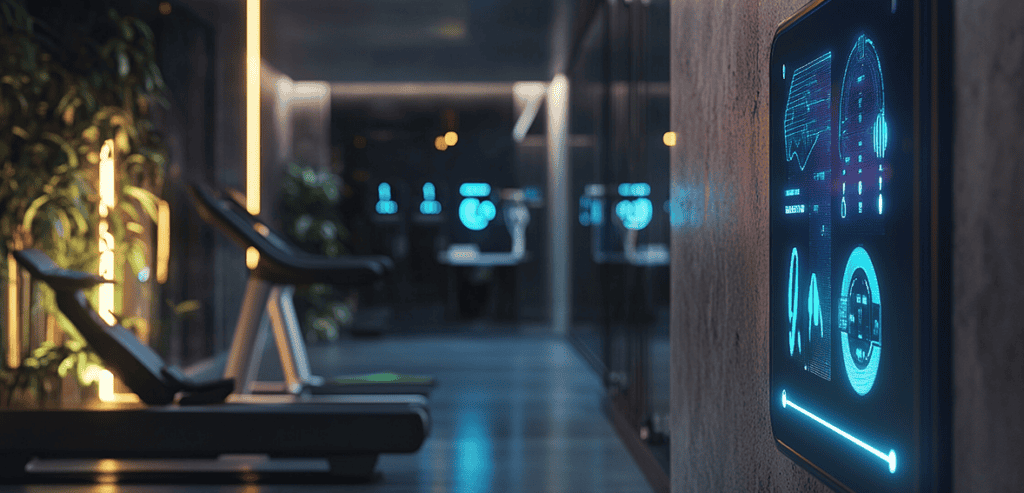
Controlled entry is the first layer of safety in a 24/7 gym. Only authorized members should be able to enter, and all access should be logged automatically. Modern gym access control systems include RFID key fobs, swipe cards, PIN pads, and keyless entry gym solutions through mobile apps. These tools provide convenience while maintaining accountability.
Advanced systems prevent tailgating by limiting door opening times and recording each entry attempt. Some facilities also restrict access to certain areas during unstaffed hours, such as pools or group studios. In unstaffed gym operations, this segmentation reduces risk without limiting overall availability. Secure access systems form the backbone of 24-hour fitness safety.
Mobile and Keyless Entry for Member Convenience
Mobile-based access has gained popularity as smartphones become central to daily life. Keyless entry gym systems allow members to unlock doors through secure apps, reducing the need for physical cards or fobs. These systems can integrate with membership platforms, enabling instant activation or suspension if needed.
For after-hours gym management, mobile entry also makes administration easier. Lost access cards are now not an issue because remote system updates can also be done. When combined with adequate authentication processes, for example, device or biometric verification, mobile entry access is beneficial for convenience as well as security for a 24/7 gym set-up.
Surveillance and Monitoring Systems
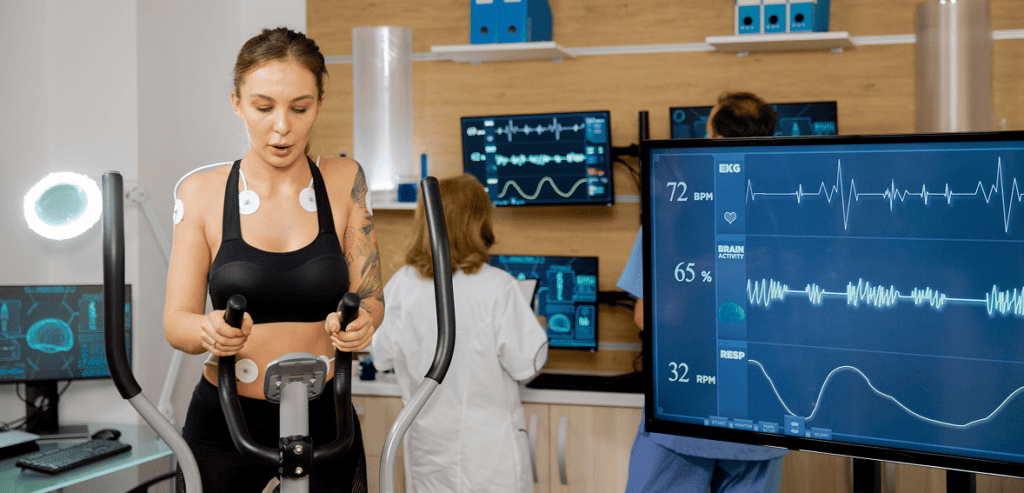
Continuous monitoring is essential when staff are not present. Modern automated gym security relies on high-resolution surveillance cameras placed strategically throughout the facility. These cameras cover entrances, workout areas, and high-risk zones while respecting privacy guidelines. Cloud-based recording allows footage to be accessed remotely in real time if an incident occurs. Automated alerts can notify owners or security teams of suspicious activity such as forced entry or motion in restricted areas. Surveillance supports 24-hour fitness safety not by creating fear, but by providing reassurance that help is available if something goes wrong.
Emergency Alarms and Panic Buttons
Even with preventative measures, emergencies can happen. Unstaffed gyms must provide members with clear and immediate ways to seek help. Panic buttons, emergency call stations, or intercoms linked to security services or local emergency responders are critical. These tools should be visible, accessible, and easy to use. Clear instructions help members remain calm under stress. In unstaffed gym operations, emergency systems bridge the gap between independence and support. They ensure that members are never truly alone, even during late-night workouts.
Member Safety Protocols and Clear Policies
Technology does not ensure safety independently. Having policies can create a set of expectations regarding responsibility when the facility is unmanned. Waivers might be a prerequisite for membership, informing the user that facility employees are not around 24/7. Not only does this cover responsibility, but it is also a sign of facility operators taking responsibility for educating everyone accordingly. Communication at a 24/7 facility can establish trust. When this occurs, managing a facility when patrons are around becomes effortless and secure.
Lighting and Environmental Controls
A well-lit environment plays a major role in perceived and actual safety. Automated lighting systems adjust brightness based on time or occupancy, ensuring visibility without wasting energy. Strategic lighting also supports surveillance cameras by improving image quality. Environmental controls extend to heating, ventilation, and air conditioning. Smart systems can adjust settings during unstaffed hours to maintain comfort while reducing costs. In unstaffed gym operations, automation ensures that the facility remains welcoming and safe without manual intervention.
Preventing Unauthorized Access and Misuse
Unauthorized entry is a primary concern for any 24/7 gym. Robust gym access control systems deter misuse by tracking entries and exits in real time. Suspicious patterns, such as repeated failed entry attempts, can trigger alerts or temporary access restrictions. Clear consequences for violations reinforce accountability. When rules are enforced consistently, members feel safer and the gym’s reputation improves. Automated gym security is most effective when paired with transparent policies and prompt follow-up.
Cleaning and Maintenance During Unstaffed Hours
Cleanliness will impact both safety, customer satisfaction, and the longevity of equipment. If the gym does not have members on the premises, they will have to incorporate the night cleaning and maintenance. This is done through late night cleaning crews during lull periods, use of automation and sensor technologies to direct the staffing on supplies and cleaning. The equipment and supplies can be shown to be needed through smart equipment and supplies inventory. Night gym operation is reliant on such data.
Equipment Safety and Usage Monitoring
Equipment misuse poses a greater risk when staff are absent. Clear signage, instructional videos, and equipment placement help reduce improper use. Some gyms integrate usage sensors that track patterns and identify potential safety issues. When combined with surveillance, these tools allow owners to intervene or adjust policies proactively. In a 24/7 gym, prevention through education and design is just as important as enforcement.
Communicating Unstaffed Hours to Members
Transparency is essential. Members should know exactly when a gym is unstaffed and what that means for support and services. Communication can occur during onboarding, through signage, and via digital channels. Clear messaging reinforces confidence rather than concern. When members understand how gym access control, automated gym security, and emergency systems work together, they are more likely to feel comfortable using the facility during off-hours.
Managing Guest Access and Restrictions
Guest access will usually be restricted on unstaffed hours. This is a great way to minimize liability. Access systems should automatically enforce these rules to prohibit tailgating. To ensure that individuals fully comprehend these rules, it is important to be straightforward. In an unattended gym environment, consistency is a great way to protect gym members. Safety improves on its own when all individuals follow the same rules.
Data and Insights for Ongoing Improvement
Automation generates valuable data that can guide decision-making. Entry logs, usage patterns, and incident reports provide insight into member behavior and peak times. This information helps refine after-hours gym management strategies over time. Data-driven adjustments improve efficiency and safety simultaneously. For example, lighting schedules can be optimized, or access rules adjusted based on actual usage. A successful 24/7 gym evolves continuously by learning from real-world patterns.
Balancing Convenience With Responsibility
Running a 24/7 gym requires balance. Too many restrictions can undermine convenience, while too few create risk. The goal is to empower members while maintaining oversight through systems rather than constant supervision. By combining gym access control, automated gym security, and thoughtful policies, owners can strike this balance effectively. Members enjoy freedom, and operators maintain peace of mind.
The Business Case for Automated 24/7 Access
Aside from member satisfaction, scalability is also made possible by automated access. The cost for staffing does not change, but access is increased. This can greatly improve a business’s position since competition in the fitness industry is stiff. A professionally run 24/7 gym operation establishes credibility due to trust, reliability, and safety considerations when it comes to automation.
Conclusion
Operating a gym around the clock is no longer an experimental concept. With the right systems and planning, unstaffed gym operations can be safe, efficient, and highly appealing to members. Automation handles access, monitoring, and environmental control, while clear policies and communication guide behavior. By investing in strong gym access control, reliable automated gym security, and thoughtful after-hours gym management practices, gym owners can confidently offer continuous access. The result is a 24/7 gym experience that delivers convenience, safety, and long-term value without compromising service quality.
FAQs
Is it safe to operate a 24/7 gym without staff present?
Yes, it can be safe when the right systems are in place. Unstaffed gym operations rely on layered safety measures such as secure gym access control, automated gym security, surveillance cameras, and emergency response tools. When these systems work together and members are clearly informed about safety protocols, a 24/7 gym can operate securely even during late-night hours.
What technology is essential for after-hours gym management?
The most important technologies include keyless entry gym systems or RFID access, CCTV monitoring with cloud recording, emergency panic buttons, and automated lighting and HVAC controls. These tools allow owners to monitor activity, control access, and maintain a safe environment without on-site staff, which is essential for reliable after-hours gym management.
How do gyms prevent unauthorized access during unstaffed hours?
Unauthorized access is reduced through strong gym access control systems that log every entry and restrict access to active members only. Features such as anti-tailgating controls, access alerts, and real-time monitoring help maintain 24-hour fitness safety. Clear policies and penalties for misuse further discourage violations.
What should members know before using a gym during unstaffed hours?
Members should understand when the gym is unstaffed, how to access the facility properly, and what to do in case of an emergency. Clear signage and onboarding communication explain how automated gym security works, where emergency equipment is located, and which areas may be restricted during late hours in a 24/7 gym.
Are guests allowed during unstaffed gym hours?
In most cases, guest access is restricted or completely disabled during unstaffed hours. This policy helps reduce liability and improves safety. After-hours gym management systems typically enforce these rules automatically, ensuring only authorized members with valid access can enter the facility.
How do 24/7 gyms handle cleaning and maintenance overnight?
Many gyms schedule cleaning during low-traffic hours or use smart systems that track equipment usage and facility needs. Some also use overnight cleaning crews or automated solutions. These approaches keep the gym clean and safe while supporting unstaffed gym operations without disrupting member access.
Leave a Reply