

Gym Mobile Apps: Engaging Members on the Go
Mobile technology has reshaped how people manage nearly every part of daily life, from banking and shopping to communication and entertainment. Fitness is no exception. Today’s gym members expect the same convenience and personalization from their fitness provider that they receive from other digital services. This shift has made the gym mobile app an important tool for engagement rather than a nice extra. When members can access gym services from their phone at any time, their connection to the gym extends far beyond physical visits.
A strong mobile presence supports both member satisfaction and business growth. Through thoughtful fitness app integration, gyms can simplify everyday interactions, strengthen relationships, and build long term loyalty. From class bookings and workout tracking to communication and community building, mobile apps create a consistent gym mobile experience that fits seamlessly into modern lifestyles. Understanding how these tools work and what members value most helps gyms use mobile technology effectively rather than treating it as a passive feature.
Why Mobile Engagement Matters in Modern Fitness Businesses
Gym members today are busier and more digitally connected than ever. They manage schedules, payments, reminders, and social interactions primarily through their phones. A gym that fails to meet members where they already spend time risks feeling inconvenient or outdated. A gym mobile app solves this by placing access to services directly in a member’s pocket.
Mobile engagement improves the frequency and quality of interactions between the gym and its members. Members who do not come to the facility on a given day might still check the schedule, review workouts, or simply catch up on news. It’s all about this ongoing connection that plays a very important role in engaging with gym apps and retaining members. The easier fitness becomes to manage, the easier it becomes for members to stick to it. With a well-designed mobile experience, the gym stops being a place that members only occasionally go to and instead turns into part of their daily routine.
Core Features Members Expect From a Gym Mobile App
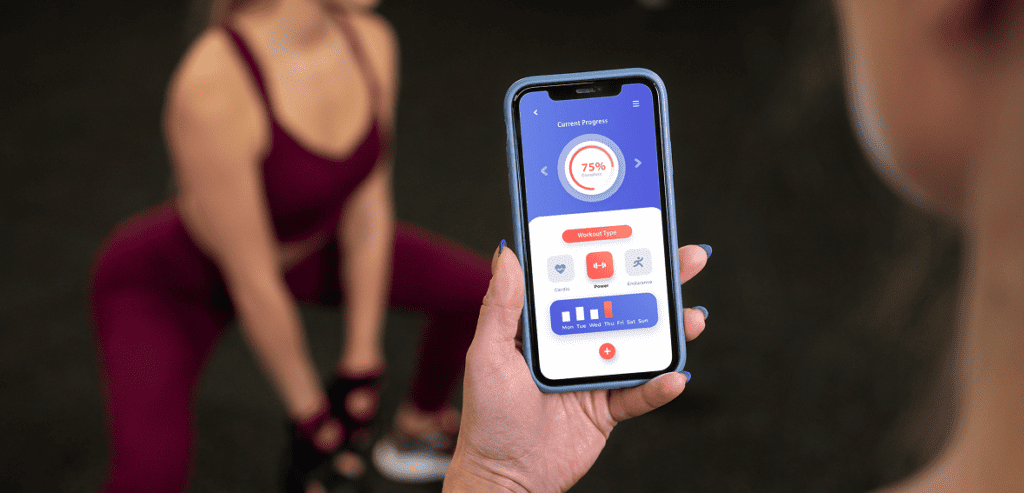
Members download apps because they expect practical value. A gym mobile app should focus on features that reduce friction and save time rather than adding complexity. Class schedules with real time availability, easy booking, and cancellations are among the most requested features. When mobile booking gym functions work smoothly, members feel in control of their schedule without relying on staff assistance.
Account access is another essential feature. Members appreciate being able to view billing information, update personal details, and check membership status at any time. Fitness app integration that allows workout tracking, training plans, and progress logs further enhances perceived value. These tools reinforce engagement by helping members see their effort translate into measurable results. A functional app earns regular use, which strengthens the member gym relationship.
The Role of Push Notifications in Member Engagement

Push notifications are one of the most powerful yet sensitive tools within a branded gym app. Used thoughtfully, they enhance communication without becoming intrusive. Notifications for upcoming classes, waitlist openings, or schedule changes reduce no shows and improve participation rates. These reminders support both members and staff by keeping schedules accurate.
Beyond logistics, push notifications can motivate behavior. Encouraging messages, progress reminders, or milestone celebrations help sustain fitness habits. Gym app engagement improves when communication feels relevant rather than promotional. The key is moderation and personalization. When notifications align with member interests and activity patterns, they feel helpful instead of disruptive. This balance strengthens the overall gym mobile experience.
Improving Convenience Through Mobile Booking and Scheduling
Convenience is one of the strongest drivers of retention in fitness memberships. Mobile booking gym features remove barriers that often lead to skipped workouts. Members can book or cancel classes in seconds without phone calls or front desk interactions. This flexibility fits modern schedules and encourages spontaneous participation.
A well-designed gym mobile app clearly communicates schedules and makes real-time availability edits. Its integration with attendance tracking ensures accuracy across systems. One can integrate the fitness app so that these actions automatically interact with staff dashboards and capacity controls. The easier it is to schedule, the more active and consistent members will be. Convenience further develops the value of the gym in everyday life, rather than just on scheduled visits.
Workout Tracking and Progress Visibility
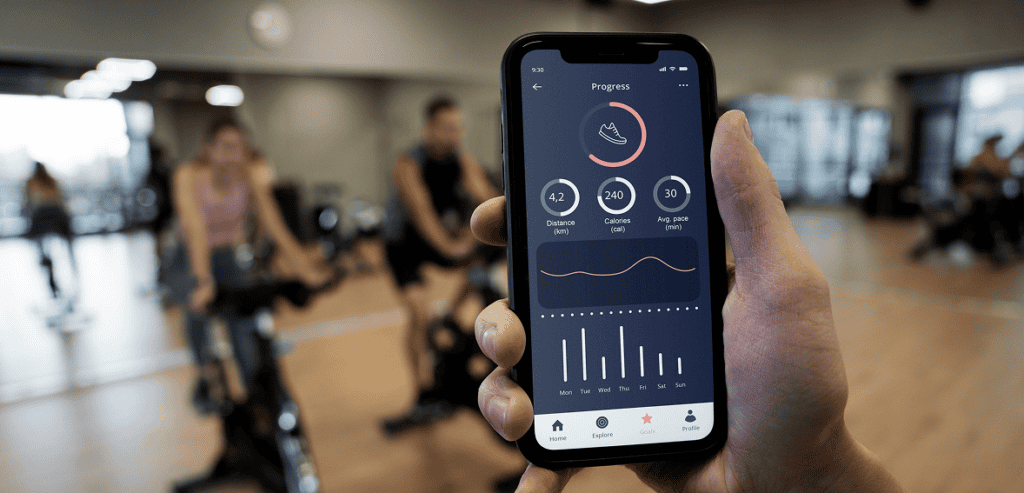
Seeing progress is a powerful motivator. Many members struggle to stay engaged because results feel abstract or slow. A gym mobile app that includes workout tracking helps bridge this gap. Logging workouts, viewing performance history, and monitoring progress makes effort more tangible.
Fitness app integration with gym programming ensures workouts reflect actual training plans rather than generic templates. Progress charts, achievements, or milestones make fitness more rewarding. This visibility strengthens gym app engagement by reinforcing positive behavior. When members associate the app with personal progress, it becomes an essential tool rather than a forgotten download. Over time, this habit supports retention and long term satisfaction.
Building Community Through Social and Interactive Features
Fitness is often more enjoyable when it feels shared. Social features within a branded gym app help create community beyond the gym floor. Members may participate in challenges, leaderboards, or group goals that foster friendly competition and accountability. These features encourage regular interaction even outside workout times.
Some apps allow members to share achievements, join group events, or coordinate workouts with friends. This strengthens the gym mobile experience by making fitness feel connected rather than isolating. While not every member seeks social features, those who engage with them often become strong advocates. When implemented thoughtfully, community tools support motivation without overwhelming users.
Wearable Integration and Extended Fitness Tracking
Wearable technology has become increasingly popular, offering insight into daily activity, heart rate, and recovery. Fitness app integration that connects with wearables allows gyms to recognize workouts performed outside the facility. This creates a more complete picture of a member’s fitness journey.
By syncing data from devices such as smartwatches or fitness bands, a gym mobile app acknowledges efforts beyond structured classes. This inclusion reinforces motivation and shows respect for diverse fitness habits. Wearable integration supports consistency and engagement while positioning the gym as a comprehensive fitness partner rather than a single location. For members, this seamless connection enhances the perceived value of the membership.
Benefits of Gym Mobile Apps for Members
From the member perspective, the benefits of a gym mobile app center on control and accessibility. Members can manage their fitness experience without waiting for staff support or limited office hours. This independence fits modern expectations and reduces frustration.
The gym mobile experience becomes more personal through progress tracking, reminders, and tailored communication. Members feel recognized and supported rather than managed. Mobile access also supports accountability by making fitness visible and measurable. Over time, these benefits contribute to higher satisfaction and loyalty, encouraging members to remain active and engaged with the gym.
Operational Advantages for Gym Owners
Gym mobile apps do not only benefit members. They also streamline operations and reduce administrative workload. When members handle bookings, cancellations, and account updates independently, staff can focus on service quality and coaching rather than routine tasks.
Push notifications and in-app messaging simply become a form of communication in and of themselves, independent from the reliance on emails or printed notifications. The engagement tools for the gym app are also marketing tools in themselves by advertising events, referrals, or offers. In addition to this is the usage data from the app that is helpful in understanding the usage patterns and peak times.
Data Insights and Smarter Business Decisions
Every interaction within a gym mobile app generates data that can inform business strategy. Booking trends, class attendance, and feature usage reveal what members value most. These insights help gyms optimize schedules, staffing, and programming.
Fitness app integration ensures data flows consistently across systems rather than existing in silos. When analyzed thoughtfully, this information supports evidence based decisions rather than assumptions. Understanding how members use the gym mobile experience allows owners to adjust offerings proactively. Over time, this responsiveness strengthens competitiveness and member satisfaction.
Ensuring Smooth Integration With Gym Management Software
A gym mobile app delivers value only when it connects seamlessly with existing systems. Fitness app integration with membership management, billing, and attendance tracking is essential for accuracy and efficiency. Without proper integration, data discrepancies can frustrate staff and members alike.
Smooth system alignment ensures that actions taken in the app reflect instantly across platforms. Bookings, payments, and check ins remain synchronized without manual intervention. For gyms choosing between custom and provider supplied solutions, the focus should be reliability and long term compatibility. Strong integration supports scalability and reduces operational friction as the gym grows.
Choosing Between Custom Apps and Branded Solutions
Not every gym needs a fully custom built app. Many management software providers offer a branded gym app or mobile friendly portal that meets core needs effectively. These solutions allow gyms to maintain consistent branding while reducing development costs and complexity.
The trick depends upon budget and strategic planning. The custom app solution allows flexibility, but investment is also involved. A branded solution allows fast execution and integration capabilities too. The purpose, however, is still the same in either case. The challenge is to make a gym mobile experience that is user-friendly, reliable, and very useful to the members themselves. The value does not lie within innovation.
Encouraging Adoption and Ongoing Use
Launching a gym mobile app does not guarantee engagement. Members must understand its value and feel encouraged to use it. Clear onboarding, staff support, and simple explanations increase adoption rates. Gyms should highlight how the app saves time and improves the fitness experience.
Ongoing engagement grows when features remain relevant and easy to use. Regular updates, meaningful push notifications, and visible benefits reinforce usage habits. Gym app engagement is strongest when the app feels like an extension of the gym rather than a separate platform. Consistent value keeps the app active in members’ daily routines.
Measuring the Impact on Retention and Loyalty
Retention is one of the clearest indicators of a gym mobile app’s success. Members who regularly engage with mobile tools tend to feel more connected and satisfied. The convenience, communication, and personalization supported by mobile access strengthen loyalty over time.
Through engagement analytics and retention analysis, fitness centers can measure the effect of their mobile approach. Mobile integration with fitness apps guarantees that such analysis is available and usable. When used properly, mobile technology is more of a long-term relationship-building solution than just a momentary technology improvement.
Conclusion
Gym mobile apps have become powerful tools for engaging members on the go and strengthening long term relationships. By offering practical features such as booking, tracking, communication, and wearable integration, gyms create a seamless experience that supports modern lifestyles. A thoughtful gym mobile app places fitness management directly in the hands of members while reducing operational strain on staff. Through strong fitness app integration and a focus on usability, gyms can turn mobile access into a competitive advantage. The most effective apps prioritize convenience, clarity, and consistency rather than complexity. When executed well, the gym mobile experience becomes a key driver of engagement, retention, and sustainable growth in an increasingly digital fitness landscape.
FAQs
How does a gym mobile app improve member retention?
A gym mobile app improves retention by making fitness easier to manage on a daily basis. When members can book classes, track workouts, receive reminders, and access their account anytime, they are less likely to disengage due to inconvenience. Consistent interaction through the app strengthens habits and keeps the gym top of mind even on days members do not visit the facility.
What features are most important for an effective gym mobile experience?
The most important features focus on convenience and visibility. Mobile booking gym functions, class schedules with real time updates, account management, and workout tracking provide immediate value. Push notifications for reminders and updates also play a key role when used thoughtfully. These features support gym app engagement without overwhelming users.
Is fitness app integration necessary for small gyms?
Fitness app integration is beneficial for gyms of all sizes, including small facilities. Integration ensures bookings, payments, attendance, and progress tracking remain accurate across systems. For smaller gyms, integrated branded solutions often offer a cost effective way to deliver a professional gym mobile experience without complex development or manual work.
How do push notifications affect gym member engagement?
Push notifications can significantly improve engagement when they are relevant and well timed. Reminders for upcoming classes, waitlist spots, or milestones help members stay consistent and reduce no shows. Overuse can reduce effectiveness, so notifications should be personalized and purposeful to support positive gym app engagement.
Do members actually use gym apps regularly?
Members are far more likely to use a gym mobile app regularly when it provides clear daily value. Features that save time, show progress, and simplify scheduling encourage repeated use. When the app integrates smoothly into routines and supports real fitness goals, adoption and long term usage increase naturally.
Leave a Reply