
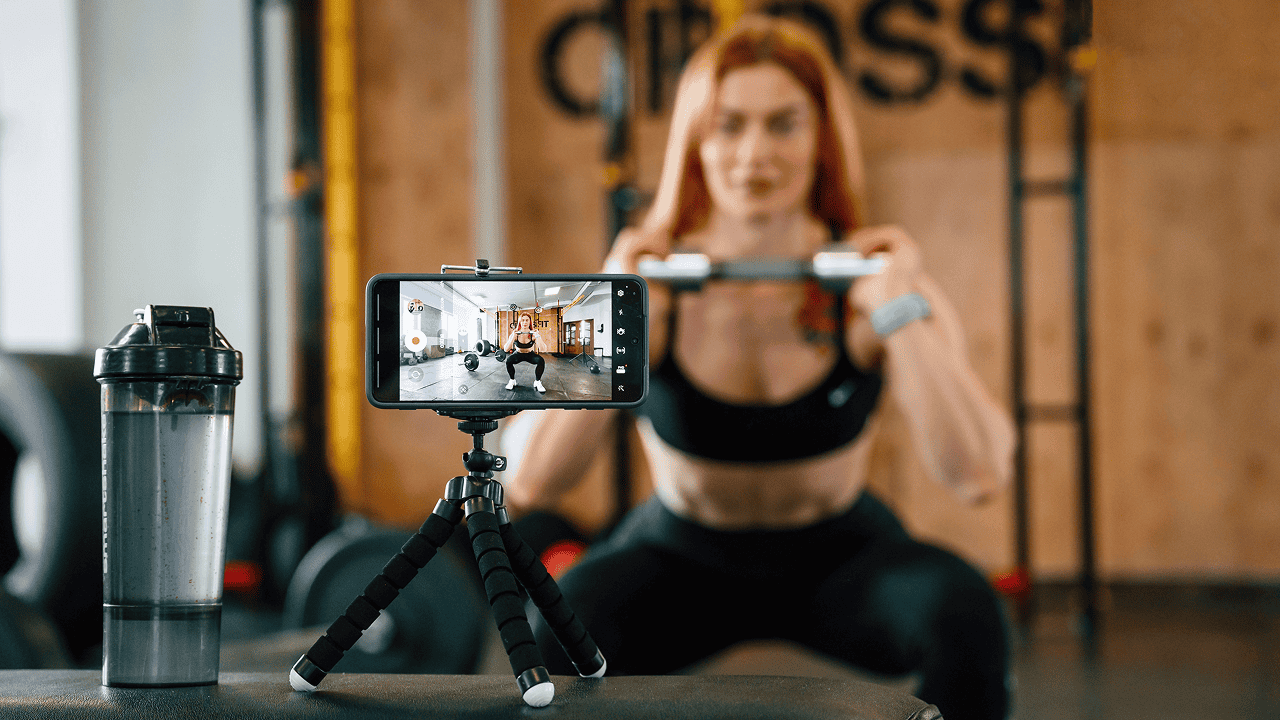
Social Media Marketing for Gyms: Leveraging Influencers and Online Communities
Social media has become one of the most powerful growth channels for gyms and fitness clubs. Potential members no longer discover gyms only through walk-ins or referrals. They see workouts on Instagram, trainer advice on short videos, and real member stories shared online. These digital touchpoints shape first impressions long before someone steps into the facility. For gyms, social media is no longer optional promotion. It is a core part of how the brand is experienced.
Gym social media marketing works best when it feels human, consistent, and community driven. People do not join gyms just for equipment. They join for motivation, support, and belonging. Platforms allow gyms to show their personality, values, and culture in real time. When combined with fitness influencer marketing and active online communities, social media can turn awareness into trust and trust into memberships.
Why Social Media Matters More Than Ever for Gyms

Fitness is a highly visual and emotional industry. People are inspired by progress, transformation, and shared effort. Social media aligns naturally with these motivations by allowing gyms to showcase energy, results, and real stories. Unlike traditional advertising, social media creates ongoing interaction rather than one way messaging. This interaction is what builds familiarity and confidence in a fitness brand online.
Gym social media marketing assists with decision-making during the discovery phase too. Many prospective customers will browse the Instagram marketing of gyms or local postings before deciding where they want to exercise. Visiting an active class and seeing motivated members and smart trainers eliminates uncertainty. Social media marketing for gyms offers a dynamic portfolio that showcases the atmosphere of the gym on a day-to-day basis. If carried out properly, this enhances the decision-making process and results in more enrollments.
Building a Clear Social Media Identity for Your Gym

Before focusing on platforms or tactics, gyms need clarity on identity. Social media works best when there is a consistent voice and message. A gym focused on functional training will communicate differently than a luxury fitness studio or a community focused neighbourhood gym. This identity should shape visuals, captions, and engagement style across all platforms.
A strong fitness brand online is recognisable even before the logo appears. Gym social media marketing becomes more effective when content feels cohesive rather than random. Colours, tone, and themes should reflect the in gym experience. When identity is clear, influencer partnerships gym campaigns and community posts feel more authentic and aligned. This consistency builds trust and helps audiences understand whether the gym fits their goals and lifestyle.
Choosing the Right Platforms for Gym Marketing
Not all social platforms serve the same purpose, and gyms benefit from intentional selection. Visual platforms are particularly powerful for fitness content because movement and transformation are easy to showcase. Instagram gym marketing remains one of the most effective channels due to its focus on images, short videos, and stories that capture energy and effort.
Facebook still plays an important role in social media for gyms, especially for local community engagement, events, and groups. TikTok attracts younger audiences through trends and short form educational or entertaining fitness clips. YouTube supports longer content such as workouts, form tutorials, and member stories. Gym social media marketing improves when each platform has a defined role rather than duplicating the same content everywhere.
Creating Content That Adds Real Value
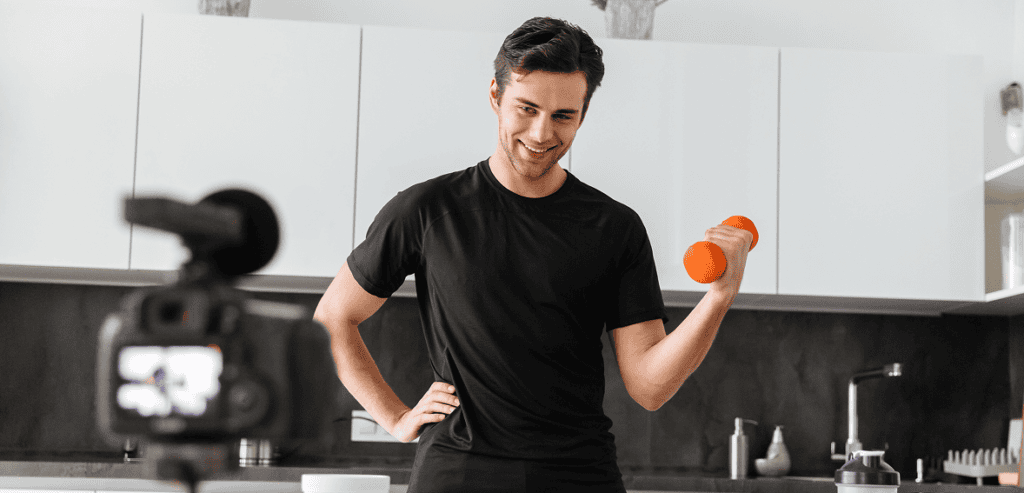
Content is the foundation of effective social media marketing. For gyms, the most successful content educates, motivates, or connects rather than just promoting memberships. Short workout demonstrations, trainer tips, mobility exercises, and recovery advice position the gym as a helpful authority.
Behind-the-scenes content does well, too. Trainers preparing sessions, updating equipment, or celebrating member milestones humanizes the brand. This approach strengthens the fitness brand online by highlighting people rather than products. When content reflects real daily moments and not just overly polished campaigns, it makes the marketing of a gym on social media even more engaging. Content driven by value spurs sharing, saving, and repeat_engagement, which extends organic reach.
The Power of Authentic Storytelling in Fitness
Stories are more persuasive than promotions. People relate to journeys, struggles, and progress, especially in fitness. Sharing member transformations, training consistency stories, or first time achievement moments creates emotional connection. These stories provide social proof while staying relatable.
Instagram gym marketing is particularly effective for storytelling through reels, captions, and highlights. Longer platforms allow deeper narratives around lifestyle change rather than just physical results. Gym social media marketing benefits when storytelling focuses on effort, support, and community rather than unrealistic perfection. This builds credibility and makes the gym feel approachable to people at different fitness levels.
Building and Nurturing an Online Gym Community
A strong gym community online extends the in person culture beyond physical walls. Social media allows members to support and motivate each other, reinforcing commitment. Engagement through comments, reposts, and messages makes people feel seen and valued.
Gyms can encourage community by responding actively, asking questions, and featuring member content. User generated posts help social media for gyms feel participatory rather than promotional. Over time, this interaction creates a sense of belonging that reduces churn. A connected online community strengthens retention while also attracting new members who want to be part of something supportive and inclusive.
User Generated Content as a Growth Tool
User generated content is one of the most powerful yet underused assets in gym social media marketing. When members share workouts, progress updates, or class experiences and tag the gym, it adds authenticity that brand created content cannot replicate. This content acts as peer endorsement rather than advertisement.
Sharing content requires some planning. Using clear hashtags, sometimes resharing, and rewarding users can stimulate people to participate and contribute content. Members’ content can help increase the fitness brand’s online exposure as people are willing to participate by contributing content voluntarily. Collaborations with influencers gym campaigns can also benefit if they are supplemented by content created by gym members. This blend strengthens trust and reach simultaneously.
Understanding Fitness Influencer Marketing
Fitness influencer marketing involves partnering with individuals who have credibility and engagement within fitness communities. These creators may be personal trainers, athletes, wellness advocates, or motivated members with loyal followings. Their influence comes from trust, not just reach.
Gym social media marketing using influencers works best when partnerships feel natural. Audiences quickly detect forced promotions. Influencers should align with the gym’s values, training style, and audience. When alignment exists, influencer partnerships gym brands form feel like genuine recommendations rather than advertisements, leading to higher interest and conversion.
Working With Micro Influencers for Local Impact
Micro influencers often deliver stronger results for gyms than large national accounts. Local trainers, fitness coaches, or dedicated members usually have smaller but highly engaged audiences within the same geographic area. This proximity increases relevance and visit likelihood.
Instagram gym marketing campaigns with micro influencers feel personal and community oriented. These creators often interact closely with followers, increasing comment and message engagement. Fitness influencer marketing at this level is also more affordable and flexible. For gyms focused on local membership growth, micro influencer collaborations often outperform broader campaigns focused on vanity metrics.
Designing Influencer Partnerships That Feel Authentic
Authentic influencer partnerships gym campaigns focus on experience rather than scripted promotion. Inviting influencers to train regularly, attend classes, or lead sessions allows them to share genuine impressions. Content created this way resonates more deeply than one off posts.
Transparency is also important. Honesty builds trust without diminishing efficacy. Consumers respect truth and react well to content that has depth and substance. Gym social media marketing campaigns are better off when creators are given freedom in what message they want to pass to their audience instead of instructed messaging.
Using Challenges to Drive Engagement and Reach
Online challenges are a powerful way to engage both existing members and new audiences. Fitness challenges encourage participation, consistency, and sharing. When participants post progress updates, the gym’s visibility expands organically through their networks.
Gym community online challenges work best when they are simple, inclusive, and well promoted. Daily prompts, progress tags, and recognition maintain momentum. Social media for gyms becomes interactive rather than broadcast only. Challenges also provide content ideas that sustain posting consistency while reinforcing community energy.
Live Content and Real Time Interaction
Live sessions create immediacy and connection that static posts cannot. Hosting live workouts, Q and A sessions, or trainer discussions shows expertise while allowing direct interaction. Live content positions the gym as accessible and responsive. Instagram gym marketing through live sessions allows gyms to answer questions, demonstrate techniques, and address concerns in real time. This transparency strengthens the fitness brand online. Live engagement also helps overcome hesitation among potential members by showing what sessions feel like before committing.
Consistency and Posting Discipline
Consistency matters more than volume. Posting regularly helps algorithms surface content while training audiences to expect updates. Sporadic posting weakens momentum and visibility. Gym social media marketing benefits from realistic schedules that can be sustained over time. Planning content in advance reduces last minute pressure. A mix of education, motivation, community highlights, and influencer content keeps feeds balanced. Social media for gyms becomes more effective when consistency reflects commitment rather than bursts of activity followed by silence.
Measuring What Actually Matters
Vanity metrics include likes and follower count, which provide minimal insight. Gyms should track metrics that actually relate to business goals-inquiries, visits, trial sign-ups, and referrals. Success from gym social media marketing is measured more accurately by the quality of the engagement and various other conversion indicators. Fitness influencer marketing campaigns should be evaluated based on relevance and response rather than impressions alone. Comments, messages, and direct inquiries show if content resonates. Data-driven review enables a gym to refine the strategy without repeating ineffective efforts.
Avoiding Common Social Media Mistakes
Many gyms treat social media as a notice board rather than a conversation. Overly promotional feeds often see low engagement because audiences seek connection, not constant selling. Another common mistake is copying trends without alignment to brand identity. Influencer partnerships gym brands pursue can also fail when reach is prioritised over relevance. Choosing influencers solely by follower count often leads to poor conversion. Gym social media marketing improves when authenticity, relevance, and consistency guide decisions rather than shortcuts.
Integrating Online and Offline Experiences
Social media should reflect and enhance the in gym experience. Promises made online must match reality offline to maintain trust. Featuring trainers, classes, and members ensures consistency between digital presence and physical environment. Gym community online engagement supports retention when members see continuity between what they experience and what is shared. Influencer partnerships gym campaigns are most effective when influencers experience the same environment as members. Alignment strengthens credibility and word of mouth impact.
Long Term Value of Community Driven Marketing
The greatest strength of social media for gyms lies in building relationships rather than chasing trends. Community driven marketing creates advocates who promote the gym organically over time. This reduces dependence on constant advertising spend. A strong fitness brand online is built through shared stories, consistent interaction, and authentic partnerships. Gym social media marketing that invests in people rather than just posts delivers lasting value. Influencer marketing and online communities work best as part of this broader relationship based approach.
Conclusion: Turning Engagement Into Membership Growth
Social media marketing for gyms works when it goes beyond promotion and focuses on people. By creating valuable content, nurturing a gym community online, and forming authentic influencer partnerships gym brands trust, social media becomes a growth engine rather than a distraction. Gym social media marketing succeeds when consistency, relevance, and authenticity guide every decision. Fitness influencer marketing amplifies reach, but community sustains impact. When online engagement reflects real experiences and shared values, social media drives not just visibility but commitment. Gyms that invest in relationships through social platforms are better positioned to convert followers into members and members into long term advocates.
FAQs
How often should a gym post on social media to see results
Consistency matters more than frequency. Most gyms see better engagement by posting three to five times a week with a clear content plan rather than posting daily for a short period and then stopping. Regular posting helps gym social media marketing stay visible and builds familiarity with followers over time.
Do fitness influencers really help increase gym memberships
Fitness influencer marketing can be effective when influencers are relevant to the local audience and genuinely aligned with the gym. Local trainers, micro influencers, or members with engaged followings often drive better inquiries and visits than large accounts with broad audiences.
Which platform works best for social media for gyms
There is no single best platform, but Instagram gym marketing performs particularly well because fitness content is visual and motivational. Facebook supports local community building, while TikTok and YouTube are useful for reaching younger audiences and sharing longer educational content.
How can gyms build an online community, not just followers
Gyms build a strong gym community online by engaging actively with comments, resharing member posts, running challenges, and highlighting real people rather than promotions. Consistent interaction and recognition turn followers into participants and participants into loyal members.
Leave a Reply