



Small independent gyms struggle to market themselves in competitive local areas. With limited budgets and national chains popping up everywhere, many gym owners think growth requires big ads or big marketing teams. But the most effective strategies for small gyms are free or low cost. These focus on visibility in local search, online reputation and activating existing members who already love the gym. When done consistently these will generate steady sign ups without financial pressure. Marketing on a budget isn’t about doing less. It’s about choosing tactics that give you the most visibility, trust and community engagement. Local SEO, Google My Business optimization, and member referrals form a powerful trio.
These channels allow small gyms to reach people in their neighborhood who are actively looking for a place to work out. With tools like CloudGymManager supporting review requests, referral tracking, and SEO friendly member portals, gym owners can build strong marketing foundations without hiring agencies.
Local SEO determines whether your gym appears when people search for phrases like gym near me, best gym in my area, or fitness classes in my neighborhood. Since most fitness decisions are location driven, appearing at the top of local search results directly increases walk ins and trial sign ups. Local SEO begins with improving the information Google sees about your business across the web. Your name, address, and phone number must be consistent on your website, directories, social platforms, and local listings. Inconsistent information confuses search engines and pushes competitors higher. Adding location focused content to your website also helps. Pages describing services in your specific neighborhood, class schedules optimized for local search terms, and blog posts addressing fitness needs in your community all strengthen relevance.
Reviews are another major ranking factor. Gyms with steady, recent, high quality reviews rank higher than those with old or inconsistent feedback. Local SEO also includes building citations on platforms like Yelp, Bing, MapQuest, and Apple Maps. Each citation validates your address and improves trust with search algorithms. Over time, strong local SEO brings consistent organic traffic that costs nothing beyond time and effort.
Google My Business is one of the most powerful free marketing tools available to small gyms. When someone searches for local fitness options, Google displays a map pack showing three or more highlighted businesses. The gyms displayed here get significantly more clicks than those that only appear in standard search results. To maximize visibility, your Google My Business profile must be complete, accurate, and consistently updated. Upload high quality photos of your facility, trainers, classes and equipment so potential members can form a good first impression. Your profile should have all business information, hours, amenities, pricing notes and accessibility details.
Posting regularly, updates and announcements tells Google your listing is active. Reviews matter just as much. Respond to every review, positive or negative, shows you care. Many small gyms use CloudGymManager to automate review requests, to remind happy members to share feedback after a great session. When combined with accurate information and regular updates, Google My Business is a free traffic, reputation and lead generator.
Referral programs remain one of the most effective and affordable ways for small gyms to acquire new members. People trust recommendations from friends and family more than any form of advertising. A well structured referral program encourages members to share their positive experiences and rewards them for bringing new people to the gym. Referral incentives do not need to be expensive. Free guest passes, discounted classes, branded merchandise, or small membership credits often work well. The key is making the referral process simple. Members should be able to refer someone with one tap or one link. Clear tracking ensures the right person receives credit for the referral.
New members should also receive a small incentive so both sides benefit. Promoting the referral program matters. Announcements at check in, social media posts, signs inside the gym, and automated emails keep awareness high. CloudGymManager supports referral tracking built into its system, allowing gym owners to manage incentives and results without manual spreadsheets. Over time, referrals produce highly loyal members because they join with built in trust.
Social media marketing does not require large budgets. Small gyms can grow consistently by posting valuable content targeted to their local audience. This includes short workout clips, behind the scenes videos, trainer spotlights, member success stories, and educational tips. Authentic content performs better than overproduced videos because it feels more relatable. Consistency matters more than perfection. Posting two to three times a week keeps your gym visible without becoming overwhelming for your team. Engagement also drives growth. Responding to comments, liking member posts, and participating in local conversations builds community.
Tagging your location helps new people discover your page. Creating shareable content like transformation stories or challenges encourages members to spread your message naturally. Local hashtags such as the neighborhood name or city fitness tags increase reach. Hosting small giveaways or community challenges adds momentum without requiring paid campaigns. Over time, social media becomes an organic referral funnel that brings new faces into your gym.

Local partnerships offer tremendous visibility at zero cost. Small gyms can partner with nearby businesses such as health food cafes, chiropractors, physiotherapists, or sports stores. Each partner introduces their customers to your gym, creating mutual benefit. Offering free trial passes or exclusive discounts for partner clients encourages word of mouth marketing. Community events also play a major role. Participating in local fairs, charity runs, school events, or small markets helps your gym connect with residents in meaningful ways.
Setting up a small booth with fitness demonstrations or free assessments creates engagement. Local collaborations position your gym as an active and supportive part of the neighborhood. This builds trust and makes potential members more likely to choose your facility over larger corporate options. Consistent involvement with community organizations, running clubs, and wellness professionals strengthens your brand presence without spending money.

Direct communication is one of the best budget friendly tools for small gyms. Email and SMS campaigns help to nurture leads and retain existing members. Sending regular updates keeps your gym top of mind. This includes class schedules, upcoming events, new programs, instructor highlights or motivational content. A monthly or biweekly newsletter builds familiarity and encourages engagement. For leads, welcome sequences introduce your gym’s values and offerings. For existing members, automated messages can celebrate milestones, encourage attendance or announce special challenges.
SMS is great for time sensitive communication like class reminders or last minute openings. Personalization is key. Sending messages based on attendance patterns or interests shows members you get them. Integrating these tools with your gym management system ensures your contact lists are always up to date.
Localized content helps small gyms stand out in local search and community discussions. Blog posts and videos covering neighborhood specific fitness topics attract people who want solutions close to home. Content ideas include best outdoor workout spots in your area, how to stay fit during local seasonal challenges, or guides to nearby running routes. Adding testimonials and stories from members who live nearby strengthens relevance. Creating content around local events like marathons or festivals positions your gym as part of the community.
This also builds trust with potential members who want fitness solutions rooted in their environment. Local content improves SEO by helping your website rank for searches tied to your specific neighborhood. Posting this content on your website, social media, and Google My Business expands reach without any advertising costs.

Marketing on a budget requires consistent evaluation. Tracking metrics helps gym owners understand what brings results and what needs refinement. Key data points include website traffic, Google My Business views, click through rates, referral conversions, and social media engagement. Observing long term patterns reveals which channels drive real membership growth. Tools available through gym management systems help streamline this analysis. CloudGymManager provides insights related to booking trends, referral activity, and member behavior.
Combining this internal data with external marketing performance creates a full picture of your efforts. When something works well, focus more energy there. When something underperforms, adjust or replace it. Small gyms thrive when they adapt quickly, test new ideas, and refine their strategy based on clear, consistent data.
Local partnerships are one of the most overlooked but powerful marketing tools for small gyms operating on limited budgets. Unlike digital ads that require ongoing spending, well-structured community collaborations generate consistent visibility at no cost. Gyms can partner with coffee shops, physiotherapists, supplement stores, sports clubs, wellness clinics, or even nearby corporate offices to create a mutually beneficial relationship. These partnerships expand reach by placing your gym’s brand directly in front of people already interested in health, performance, or lifestyle improvement.
For example, a gym might offer exclusive trial passes to customers of a local smoothie bar or collaborate with a physiotherapist to host injury-prevention workshops. Corporate partnerships can be especially impactful, as local businesses often look for wellness perks to offer their staff. In exchange for providing a discounted corporate rate, the gym receives steady leads from an entire team or office.
Partnerships also improve community trust because recommendations come through familiar and respected local businesses. When people repeatedly encounter your gym in their neighborhood ecosystem, it builds a sense of familiarity and credibility. Over time, these hyper-local collaborations act as free referral engines, driving predictable, high-quality traffic without requiring traditional advertising spend. Consistency, relationship nurturing, and creative co-promotion make partnerships a sustainable long-term marketing pillar.
Social proof is one of the most influential decision-making triggers for people exploring gym memberships, especially in competitive local markets. When prospective members see real individuals achieving results, their confidence increases and hesitation decreases. The best part is that generating social proof costs nothing, only consistency and thoughtful presentation. Gyms can highlight member success stories across their website, social media, and Google My Business profile. Short video testimonials, written quotes, or transformation photos showcase tangible progress and make the gym’s community feel authentic and relatable. Member spotlights can also feature non-physical transformations such as improved confidence, better sleep, or returning to fitness after injury. These stories work because they show the emotional side of fitness not the aesthetic.
Another tactic is to show instructor expertise. Quick educational clips, form correction tips or snapshots from group classes subtly show professionalism and approachability. Social proof should feel real, not too polished. By capturing everyday moments from the gym floor potential members get a sense of the atmosphere and energy they can expect. When shared regularly social proof builds trust, engagement and positions the gym as part of the community. For small gyms with limited budget it’s one of the highest ROI marketing channels.
Community events are a highly effective yet affordable marketing tool for small gyms looking to increase visibility and strengthen retention. Hosting simple, low-cost events helps create shared experiences that bring current members together while also attracting new prospects who may feel hesitant about joining. Events act as an approachable entry point, lowering barriers and making fitness feel more social and inclusive. Gyms can organize monthly open-house workouts, outdoor bootcamps, wellness workshops, or themed challenges such as “Bring-a-Friend Week” or “Steps in September.” These activities encourage current members to invite friends, coworkers, or family members. Because referrals come naturally through social interactions, the conversion rate from event attendees is often higher than from traditional marketing channels.
Another benefit of events is that they highlight the gym’s culture. Prospective members get firsthand exposure to instructors, class styles, and community energy. This reduces uncertainty and builds emotional connection before any sales conversation begins. Events also allow trainers to showcase expertise through mini-sessions or Q&A segments without the need for a formal sales pitch. When executed consistently, low-cost events act as both retention tools and lead-generation strategies. They strengthen community bonds while generating a steady flow of warm, qualified prospects who are already aligned with the gym’s atmosphere and values.
Small gyms often assume that effective social media marketing requires paid advertising, but the truth is that consistent organic content can produce strong results with zero budget. The key is focusing on authenticity, storytelling, and community engagement instead of polished production. Members want to see the real environment: smiling faces after a tough class, trainers offering helpful tips, and the everyday progress of ordinary people. Content that showcases personality tends to perform well. Quick behind-the-scenes clips, humorous workout moments, and relatable fitness struggles help humanize the brand. Educational posts also attract engagement. Sharing short workout demonstrations, mobility routines, or nutrition reminders positions the gym as a resource rather than just a business promoting itself.
Community engagement is equally important. Responding to comments, resharing member posts, and asking interactive questions make followers feel seen and valued. Encouraging members to tag the gym during workouts expands reach organically, especially when friends and family discover the content through shared posts. Posting consistently matters more than posting perfectly. Even three to four authentic posts per week can significantly boost visibility. Over time a strong organic presence builds trust, supports referrals and nurtures loyalty without any ad spend. For small gyms this is practical, sustainable and effective.
Small gyms don’t need big budgets to compete. By prioritising local search visibility, Google My Business and member referrals small gyms can grow organically and sustainably. Social media, partnerships, local content and thoughtful communication can amplify reach without expensive campaigns. With simple tools and consistency small gyms can become community fixtures. Modern platforms like CloudGymManager make this easier than ever for gyms to market themselves on a budget with built in referral tracking, automated review requests and SEO friendly booking features.

In busy fitness studios and boutique gyms, class demand often outpaces availability. Members rush to book the most popular time slots, leading to frustration when classes fill up within minutes. At the same time, last-minute cancellations or no-shows leave empty spots that others could have used. Balancing class attendance, safety, and satisfaction requires precision, not guesswork. This is where effective gym class capacity management becomes essential.
Capacity management is the foundation of smooth studio operations. It ensures that every class runs at optimal attendance, instructors can deliver quality sessions, and members feel fairly treated. With the right systems, studios can set smart limits, automate waitlists, and manage booking fairness without additional administrative effort. CloudGymManager helps achieve this balance by combining flexible class size controls, waitlist automation, and real-time attendance tracking into one streamlined solution.
Determining the right class size begins with striking a balance among safety, comfort, and quality. Every fitness class has physical and instructional limitations, and exceeding them can harm both the experience and the results. A high-intensity interval training class might require at least 25 square feet per participant to ensure safe movement and equipment spacing, while a yoga session may need more room for mats and props.
Other factors include instructor ratios and supervision ability. Smaller class sizes promote individual attention, while larger ones can dilute engagement and raise safety concerns. Capacity planning also depends on the availability of equipment. A spin studio with 20 bikes has an obvious cap, but functional training zones may require more flexible limits.
Establishing consistent capacity rules prevents overcrowding and maintains quality across the schedule. Once limits are set, automation can enforce them by blocking excess sign-ups. With structured capacity tools, studios can assign per-class limits that automatically update for recurring sessions, ensuring bookings are organized and space usage is optimized.
Empty spots caused by last-minute cancellations are one of the most enormous inefficiencies in class-based fitness operations. Manually managing waitlists can quickly overwhelm staff, particularly when multiple classes are affected daily. Automated waitlist systems resolve this by instantly promoting members from the waitlist as soon as a spot opens.
This reduces frustration for members who struggle to secure a place in their favorite classes and increases operational efficiency by ensuring every available spot is used. Members receive automatic notifications when they are moved from the waitlist to the class, and attendance is updated in real-time.
Well-designed systems allow customization of waitlist size and promotion timing. For example, highly popular evening sessions might have extended waitlists to ensure maximum attendance. Automation ensures fairness and transparency while saving staff hours of manual coordination. The result is higher participation rates, improved satisfaction, and consistently full classes.

Fairness is one of the most sensitive issues in class management. Members often feel frustrated when classes fill up too quickly, even with premium memberships. Balancing equal opportunity with loyalty benefits requires careful structuring.
Studios can introduce booking windows that open at different times depending on membership tiers. Premium members might gain early access, while standard members can book later within the same timeframe. Rotation policies can also help prevent the same individuals from repeatedly taking high-demand slots.
Clear communication is essential. Transparent policies and visible waitlists help maintain trust among all members. When fairness is built into the system, it becomes an integral part of the studio’s culture, thereby strengthening member confidence and retention.

No-shows and late cancellations can quietly erode profitability and member satisfaction. A space represents both lost revenue and missed opportunity. While some absences are unavoidable, many can be prevented through consistent policy enforcement and clear communication.
Automated reminders sent 24 hours and one hour before class help reduce forgetfulness. A small cancellation fee, typically between $5 and $15, can discourage repeat offenders while keeping policies reasonable. Automation ensures fairness by enforcing the same rules for everyone, removing subjective judgment from staff decisions.
Combining no-show policies with automated waitlists ensures classes stay full without adding extra work. Over time, this creates accountability and establishes reliability across the member base.
Booking windows influence how members plan their schedules. If bookings open too early, people may reserve spots they never use. If they open too late, competition increases, and members lose flexibility. Finding the right balance is crucial for maintaining fairness and ensuring operational efficiency.
Most studios adopt a booking window of between 24 hours and seven days before the class. Shorter windows support flexibility, while longer ones offer structured planning. Tiered access can reward loyal members with early booking privileges.
Automation ensures these windows are applied consistently, preventing overbooking and cancellations. Analyzing booking trends over time also helps studios refine their approach to better match member behavior and demand.
Attendance data provides valuable insight into how members use the schedule. By studying which classes consistently fill, when cancellations occur, and which times underperform, studios can make smarter scheduling decisions.
A consistently whole Monday evening spin class, for example, may signal an opportunity to add another session or increase capacity. On the other hand, low attendance for early morning slots might indicate the need for new class types or promotions.
Data-driven forecasting helps align capacity with real demand, improving utilization and profitability. Analytics tools available in modern gym management systems simplify these insights, allowing managers to adapt quickly and plan with confidence.

Strong communication fosters trust between a studio and its members. When members understand booking and cancellation policies clearly, confusion and frustration disappear. Automated notifications for bookings, reminders, and waitlist promotions ensure seamless and reliable communication.
Studios can take communication further by sending personalized messages to members who frequently miss classes or remain on waitlists. Suggesting alternative time slots or similar class types demonstrates attentiveness and care. This approach turns simple notifications into engagement opportunities, strengthening long-term loyalty.
Transparency builds confidence. When members know exactly how the process works, they are more likely to cooperate with the rules and respect capacity limits.
Capacity management is closely tied to instructor availability. Instructors influence attendance, class quality, and member satisfaction. Connecting class capacity settings with instructor schedules helps prevent double bookings and overextended workloads.
Automation links these elements so that any scheduling change immediately reflects across the system. This synchronization ensures a balanced workload for instructors and smoother coordination overall. Tracking attendance alongside instructor performance also provides valuable feedback for training and class planning.
By aligning instructor scheduling with class demand, studios can maintain high teaching standards and consistent experiences for members across all sessions.
Technology can automate bookings and reminders, but genuine accountability still comes from the members themselves. Encouraging responsible behavior helps create a respectful community where everyone values shared resources.
Regular updates, courteous reminders, and visible booking histories make it easier for members to manage their attendance. Studios that clearly communicate expectations see fewer last-minute cancellations and foster a stronger culture of participation. Highlighting positive behavior—such as consistent attendance or early cancellations—can further motivate members to act considerately.
Accountability not only improves efficiency but also fosters a stronger sense of belonging within the community. When members respect the process, everyone benefits.
Attendance fluctuates throughout the year. January brings new sign-ups, while summer may slow things down. Adjusting capacity management practices seasonally ensures smooth operations without overcommitting resources.
During peak months, studios can add duplicate sessions, open temporary slots, or increase the size of their waitlists. In slower periods, reducing class frequency or merging similar sessions helps maintain efficiency. Historical data from the previous year guides these adjustments, allowing managers to anticipate trends.
Seasonal flexibility supports both financial stability and member satisfaction. It ensures studios stay responsive to shifting patterns without compromising service quality.
Mobile access has revolutionized the way members interact with fitness studios. Through mobile apps, members can check availability, book classes, join waitlists, and receive instant updates—all in a few taps.
Mobile-friendly booking systems increase convenience while reducing the workload at the front desk. They also minimize booking errors and make attendance tracking effortless. When paired with digital check-in features like QR codes, members can quickly and securely enter classes.
With a mobile-integrated management system like CloudGymManager, studios can deliver this experience effortlessly. It combines ease of use for members with operational clarity for staff, creating a modern, connected environment that encourages long-term engagement.
Introducing tiered access based on membership levels can help manage class demand effectively while rewarding loyal clients. Priority booking windows, early access to popular classes, or reserved slots for premium members create value that justifies higher-tier memberships. This approach ensures fairness without alienating standard members, as everyone understands the structure and benefits.
Transparency is essential when implementing priority systems. Studios should clearly communicate which memberships include early booking privileges and how long those windows remain open before general booking begins. Automated booking platforms can handle these distinctions easily, applying the proper rules for each member type.
This structure benefits both the studio and members. Premium clients feel valued, standard members gain motivation to upgrade, and overall satisfaction improves because the booking process feels structured and predictable. When paired with clear communication and fair rotation of high-demand classes, priority access policies encourage long-term retention and create a sense of exclusivity that strengthens the studio community.
Instructor changes are inevitable in any fitness operation, but poor handling can lead to confusion and cancellations. A robust capacity management system helps minimize disruption when substitutions occur. By linking class rosters, instructor schedules, and automated notifications, members can be informed of replacements instantly—often before they even arrive at the studio.
Consistency is key. Members who attend regularly often form connections with specific instructors, so sudden changes should be communicated clearly and respectfully. Automated notifications or in-app alerts keep everyone informed without overwhelming staff. Instructors stepping in as substitutes can also access class rosters and notes in advance, ensuring a seamless experience.
From an operational perspective, substitution tracking also supports reporting. Managers can review attendance and feedback across instructors to ensure class quality stays consistent. When the transition feels smooth and organized, members remain confident that their experience will always meet expectations, regardless of who leads the session.
Class capacity isn’t just about floor space—it’s also about equipment readiness. Overused or poorly maintained gear can slow classes down and increase safety risks. By integrating equipment tracking into class scheduling, studios can monitor usage levels and plan for proactive maintenance.
For example, a spin studio might schedule bike maintenance every 100 sessions, while a strength training facility could rotate equipment checks weekly. Logging these activities ensures accountability and helps avoid costly downtime. Automated reminders can notify staff when maintenance is due or when replacement parts are needed.
Data on equipment utilization also reveals insights about member preferences. If specific machines or props are used more frequently, it may be justified to purchase additional units or redesign the layout for improved efficiency. Keeping equipment in top condition not only enhances safety but also reinforces professionalism—members notice when facilities are well-maintained and reliable.
While flexibility is necessary, consistency in scheduling builds loyalty and routine. Members thrive on predictable class times because they enable them to form habits that support their fitness goals. Constantly changing class schedules may confuse members or lead to drop-offs, especially if favorite classes become difficult to plan around.
Studios can strike a balance by keeping a core schedule of popular classes stable while experimenting with new formats or time slots on the periphery. Communicating changes well in advance also helps maintain trust. Regular feedback surveys or attendance reports can guide which classes remain permanent and which can rotate seasonally.
Scheduling stability benefits both instructors and members. Trainers can plan their workload efficiently, and members develop routines that encourage consistency. Over time, this reliability fosters an emotional attachment to the studio, turning occasional participants into long-term members who feel part of a familiar and dependable fitness environment.
Managing class capacity effectively enables studios to strike a balance between quality, safety, and fairness without overburdening staff. When handled strategically, it improves both revenue and member satisfaction while ensuring that every class operates at full potential.
CloudGymManager helps fitness businesses streamline these processes by combining automation, analytics, and flexibility into a single platform. With the proper structure and communication, studios can transform class capacity management into a competitive advantage that fosters loyalty, trust, and long-term growth.
Q1: How do I determine the correct class size limit for different types of workouts?
Consider room size, available equipment, and the type of workout. HIIT classes may require more space per person, whereas yoga sessions prioritize comfort and fluidity of movement. Industry standards recommend 25–40 square feet per participant.
Q2: What’s the best way to handle popular classes that fill up quickly?
Offer duplicate sessions or rotate instructors to spread demand. Adjust booking windows to prevent overbooking and ensure equal access for all members.
Q3: How do waitlists improve class attendance and member satisfaction?
Automated waitlists fill empty spots immediately after cancellations. This keeps classes full and allows more members to participate in their preferred sessions.
Q4: Should I charge fees for no-shows to popular classes?
Yes, but use moderation. Small deterrent fees encourage responsibility while maintaining goodwill. Automated enforcement ensures fairness and consistency.
Q5: How early should members be able to book classes?
Most studios open bookings between one and seven days in advance. This balance maintains fairness while accommodating different scheduling preferences.

Expanding to a second gym location is one of the most exciting milestones in a fitness entrepreneur’s journey. It represents growth, confidence, and a stronger foothold in your community. Yet for many owners, the thrill of expansion quickly turns into stress when they realize managing two sites can feel like running two separate businesses. The key challenge lies in maintaining consistency, visibility, and efficiency without multiplying your administrative workload.
That’s where centralized, multi-location management tools come in. Instead of juggling separate systems for billing, check-ins, and reporting, owners can now manage everything from one platform. CloudGymManager provides an integrated environment where member data, payments, access control, and performance analytics stay unified across locations. This allows owners to scale their operations strategically while preserving the personal touch that built their first gym’s success.

Once a gym operates in multiple locations, visibility becomes the backbone of success. Owners need to know how each site is performing financially and operationally without switching between spreadsheets or software logins. A centralized dashboard solves this challenge by consolidating key metrics such as total revenue, membership growth, attendance frequency, and staff performance into a single interface.
With a unified view, decision-making becomes faster and more accurate. You can compare revenue between branches, identify which classes perform best, and detect seasonal trends that might affect attendance. This oversight not only improves management efficiency but also helps allocate resources where they’re needed most.
As your gym grows, many members will expect flexibility to train at any branch. Offering multi-location access can boost retention and add value, but it also introduces administrative complexity. Manually tracking memberships across sites often leads to double billing or missed entries. A smart multi-location management system keeps everything synchronized.
Every member can be assigned access privileges that define where and when they can train. When a client checks in at a different branch, their attendance automatically syncs with their home membership. The system also prevents misuse by enforcing valid access rules and expiration dates.
This flexibility encourages loyalty and supports lifestyle convenience. For instance, a member who works near one gym but lives closer to another can train freely without needing separate memberships.
Consistency is the hallmark of a strong fitness brand. Members expect the same level of service, cleanliness, and professionalism no matter which location they visit. However, complete uniformity can overlook local differences in culture, demographics, and demand. Successful gym chains find the right balance between standardization and flexibility.
Multi-site management tools help enforce brand-wide policies while giving each site limited control. For example, core processes like membership pricing, billing cycles, and access control can remain standardized. Meanwhile, local managers can adjust class schedules or promotional offers to fit their audience.
A well-structured platform allows owners to define operational templates that replicate best practices across locations. These templates maintain brand identity while allowing controlled customization. The result is a scalable, repeatable model that still feels personal and locally relevant—a foundation for sustainable growth.

Managing staff across different locations can become complicated, especially when trainers or administrators split time between gyms. Scheduling errors, payroll discrepancies, and unclear responsibilities can lead to inefficiency and burnout. Centralized staff management simplifies these challenges.
A unified system tracks each employee’s hours, roles, and assigned locations. It ensures payroll accuracy and helps identify performance trends across branches. Managers can view trainer utilization rates or attendance at specific sites, allowing them to optimize staff distribution.
Such systems support cross-location scheduling and role management, helping owners coordinate staff rotations smoothly. Employees benefit from clarity in responsibilities, while administrators gain control over workforce planning. Streamlined staff coordination translates directly into better member experiences and smoother daily operations.
Expansion introduces new billing scenarios—multiple membership plans, cross-location upgrades, and corporate discounts. Handling these manually creates inconsistencies and confusion. A centralized billing system ensures all payments and renewals are processed correctly, regardless of where a member signs up.
Automated invoicing, recurring billing, and unified payment tracking simplify the process for both staff and members. Each transaction syncs with the member’s account, regardless of which location it originates from. Consolidated financial data also supports transparent accounting and audit readiness.
By integrating billing across all branches in real time, owners can track payments per site or view consolidated revenue across the business. This scalability ensures financial consistency without doubling administrative effort, allowing owners to focus on strategic growth instead of repetitive tasks.
As fitness businesses expand, offering diverse membership options becomes a competitive advantage. Some members may only want access to their local branch, while others prefer all-location privileges. A flexible membership structure accommodates both preferences seamlessly.
A strong multi-location gym management system enables you to design access levels by membership type. For instance, an “All-Access Pass” might allow training at any branch, while a “Local Plan” restricts entry to one site. These rules update automatically across systems and integrate with check-in hardware.
This flexibility increases perceived value while preserving security and operational order across branches. It also provides useful insights into how members use different facilities, guiding marketing and expansion strategies.
One of the biggest challenges in expansion is keeping the brand experience unified. From signage and marketing tone to customer service standards, consistency builds trust and recognition. Without centralized oversight, brand identity can quickly fragment across branches.
A robust multi-site fitness management system lets you standardize communication templates, pricing guidelines, and promotional materials across locations. Operational tools replicate core processes while allowing small customizations like local holiday offers or regional campaigns.
Regular performance tracking and staff training ensure every branch delivers a similar member experience. When new locations mirror the reliability and atmosphere of the original, members feel connected to the brand rather than just one facility.

With two or more locations, managing inventory becomes an ongoing balancing act. Equipment maintenance schedules, supplement sales, and apparel stock can easily go off track without proper visibility. Centralized systems simplify this by tracking stock levels, purchase orders, and maintenance schedules across all sites.
Built-in reporting capabilities help identify usage trends and forecast replenishment needs. Owners can see which equipment needs servicing or which products are selling fastest, enabling smarter purchasing decisions. This transparency prevents overstocking in one location while another runs out of key items.
Effective inventory coordination ensures every site maintains high operational standards without wasting resources. It’s a quiet but crucial part of running a consistent, profitable multi-site operation.
The most common fear gym owners have before opening a second location is administrative overload. More members, staff, and transactions can easily double the paperwork and emails. The solution lies in automation and integration.
Centralized software consolidates every task—scheduling, billing, reporting, and communication—under one platform. This removes duplication and manual errors. Automated reminders, payroll processing, and member notifications reduce daily admin by hours.
CloudGymManager’s scalable infrastructure allows owners to manage multiple gyms as easily as one. Each new site integrates seamlessly into the existing system, without requiring separate accounts or added subscription costs. The focus shifts from maintenance to management—from handling tasks to leading growth.
Expanding from one gym to two is not just an operational move—it’s a strategic leap. Data should guide every decision, from where to open the next branch to which services perform best. Analytics help pinpoint trends like peak attendance hours, top-performing trainers, or locations with the highest retention rates.
CloudGymManager’s reporting tools compile this data into actionable insights. Owners can compare site performance, forecast seasonal trends, and identify underperforming areas. This data-driven approach makes expansion more predictable and sustainable.
With the right reporting framework, gym owners move beyond guesswork and start building multi-location networks with clarity and confidence.
Members should never feel like they’re entering a different gym when visiting another branch. Consistency builds loyalty, while disjointed experiences create confusion. By connecting databases, check-in systems, and member communication tools, gyms can deliver a uniform experience across every location.
For example, a member can book a class at Location A in the morning and drop by Location B for an evening workout—all under one account. Their payment history, attendance record, and preferences stay synced. Automated welcome messages, consistent branding, and synchronized promotions further strengthen this cohesion.
This connected ecosystem ensures that growth never compromises member satisfaction. Whether you run two gyms or twenty, each location feels like part of one unified fitness community.
Before launching a second location, it’s essential to assess readiness beyond finances. Operational efficiency, staff capacity, and system scalability all determine long-term success. A readiness checklist might include questions like: Are administrative processes standardized? Can your billing system handle multiple sites? Are reporting tools centralized?
Implementing scalable software before opening a new facility minimizes transition friction, trains staff uniformly, and establishes clear workflows from day one. Expansion becomes smoother when systems are already built for scale.
The goal is not just to open another gym but to grow an interconnected business that thrives through structure, clarity, and technology.
Expanding to a second gym means appealing to a slightly different audience, even within the same city. Demographics, commuting patterns, and neighborhood culture can all affect how people engage with fitness. This is why a one-size-fits-all marketing strategy may not work across multiple branches. Each gym needs a localized marketing plan that still aligns with the brand’s overall identity.
For example, a downtown gym might focus its outreach on young professionals and office workers with short, high-intensity training programs, while a suburban branch might emphasize family plans or flexible class timings. Localized digital advertising, community events, and partnerships with nearby businesses help create organic engagement.
Centralized management tools make it easier to coordinate these campaigns. Headquarters can share branding assets, monitor performance metrics, and track lead generation for each site while allowing local teams to adapt messaging to their audience. This balance between brand consistency and local relevance is what drives steady growth across all gym locations.
When running multiple fitness facilities, compliance and security standards must remain uniform across the board. This includes safety protocols, data privacy, and facility access rules. Each location needs to follow the same legal and operational guidelines to protect both the business and its members.
Health and safety inspections, liability waivers, and staff certifications should be tracked in a centralized system. Access control technologies—like RFID or secure door entry—help ensure that only valid members and employees enter restricted areas. Having standardized security settings across all branches reduces liability risks and helps maintain a safe environment.
Data protection is equally important. Storing member information securely and following local privacy regulations builds trust and compliance. Staff should also be trained to handle sensitive information consistently across locations. Establishing these systems early ensures your expansion runs smoothly without legal or reputational setbacks, keeping every gym both safe and compliant.
Technology evolves fast, and multi-location gyms must stay ahead to remain competitive. As operations grow, the need for integrated tools—covering scheduling, marketing, payments, and analytics—becomes critical. Instead of using separate systems for each branch, modern gym owners benefit from unified platforms that adapt as they expand.
Cloud-based infrastructure allows owners to add new locations without setting up separate databases or licenses. Centralized control means new features like mobile apps, contactless check-ins, and digital waivers can be rolled out to all sites simultaneously. Automation also minimizes repetitive work, freeing staff from manual administrative tasks.
As technology continues to shape member expectations, flexibility becomes key. Systems that support open integrations allow gyms to connect with third-party tools like CRM software or wearable trackers. By future-proofing your tech stack early, your business can scale efficiently, adopt new innovations easily, and deliver a consistent digital experience across every gym location.
Technology and systems help manage operations, but culture is what sustains long-term growth. As you open new gyms, it’s vital to maintain the same values, energy, and sense of community that defined your first location. Members often join fitness facilities for motivation and belonging as much as for equipment or amenities.
A unified culture starts with leadership communication. Regular meetings, cross-location events, and shared recognition programs keep staff aligned with the company’s mission. Celebrating milestones together, such as membership achievements or staff anniversaries, reinforces team spirit across sites.
For members, shared branding and engagement programs—like loyalty challenges, multi-location classes, or social media shoutouts—make them feel part of a larger fitness family. When culture scales along with systems, expansion doesn’t dilute your identity; it strengthens it. Maintaining that emotional connection ensures your gyms remain not just places to work out, but communities that thrive together.
Opening a second gym is a milestone worth celebrating, but it’s also a test of your ability to scale efficiently. The difference between thriving and struggling often lies in the systems you build. Multi-location management doesn’t have to mean double the work. With centralized reporting, unified billing, and consistent member experiences, expansion becomes sustainable and rewarding.
CloudGymManager enables gym owners to operate multiple sites with confidence, combining automation, analytics, and flexibility under one platform. By managing growth through smart technology instead of manual effort, you create a scalable model that balances efficiency with excellence. Your second location should not stretch your limits—it should amplify your success.
Q1: What gym management features do I need for multiple locations?
You’ll need centralized member databases, unified billing, cross-location reporting, and access control tools. CloudGymManager offers all these capabilities within a single platform that scales effortlessly.
Q2: Should I allow members to use any of my gym locations?
It depends on your pricing model. Some gyms restrict members to their home branch, while others offer all-access memberships. The right software supports flexible location-based permissions for both models.
Q3: How do I maintain consistent operations across multiple gym locations?
Standardize core policies such as pricing, branding, and staff training while allowing for localized customization. Template tools help enforce consistency without restricting flexibility.
Q4: Can I see consolidated reporting for all my gym locations?
Yes. Multi-location dashboards compile revenue, attendance, and performance data across all sites. Owners can view totals or compare branches individually.
Q5: What’s the biggest mistake gym owners make when opening a second location?
Many underestimate the need for scalable systems and end up managing each site separately. Using centralized management software prevents duplication and ensures smooth expansion.

Running a gym efficiently means more than managing memberships and billing; it is also about creating a seamless entry experience. The way members check in each day affects everything from front-desk operations to facility security. With numerous technologies available, including barcode, QR code, RFID, and biometric, choosing the right gym check-in system can feel overwhelming. Each option comes with its own balance of cost, convenience, and reliability.
Modern gym check-in software has evolved to support multiple access methods, providing owners with flexibility as their business expands. From budget-friendly barcode scanners to advanced biometric recognition, the right solution depends on your gym’s size, hours of operation, and the expectations of your members. CloudGymManager supports all major check-in options, enabling fitness facilities to design access systems that align with both their brand and operational goals.
Each check-in technology has unique strengths and trade-offs. Barcode and QR systems are cost-effective and easy to set up; they require manual scanning. In contrast, the RFID and NFC provide lightning-fast access using cards or key fobs. Biometric options, such as fingerprint or facial recognition, offer the highest security but come with higher upfront costs.
For small studios or budget-conscious facilities, barcode or QR check-ins are ideal because members can simply scan from their phones or printed cards. Larger gyms often prefer RFID because it enables near-instant entry and minimal contact, making it suitable for high-traffic environments. Meanwhile, biometric systems appeal to premium fitness centers where eliminating cards and ensuring identity accuracy are top priorities.
The decision often comes down to striking a balance between convenience and reliability. RFID offers the best blend of speed and durability, while QR systems win for affordability and mobile compatibility. Regardless of the method you choose, integrating it into your central management software ensures seamless tracking and reporting.

Gyms operating around the clock face a unique challenge: keeping the doors open while maintaining security. An integrated fitness facility access control system solves this by automating entry for verified members only. Instead of relying on staff, the system connects directly to door strikes or magnetic locks that open when a valid check-in is detected.
For example, an RFID fob or QR scan can instantly trigger entry while logging attendance in the background. CloudGymManager integrates directly with access control systems, making it ideal for 24/7 facilities that prioritize both convenience and accountability.
This integration also supports role-based access, meaning staff, trainers, and cleaning teams can have unique entry privileges. For areas such as locker rooms, studios, or staff offices, layered access control adds an extra level of safety without additional manual oversight.
In a post-pandemic world, understanding how many members are inside your gym at any given moment is no longer optional. Capacity tracking helps ensure compliance with safety regulations while improving the member experience. Real-time data allows owners to see current occupancy, peak hours, and usage trends.
CloudGymManager’s contactless gym check-in system can automatically update capacity as members enter and exit. This feature also supports notifications when your facility approaches its set limit, helping to prevent overcrowding and maintain comfort. For multi-zone gyms, you can even monitor separate areas, such as weight rooms or studios, individually.
Over time, this data helps refine staffing, cleaning schedules, and energy management, turning occupancy tracking into a valuable operational insight rather than just a compliance requirement.

Cost is often the deciding factor for gym owners exploring access systems. Barcode and QR code setups are the most cost-effective, with low equipment costs and minimal maintenance requirements. RFID systems may initially cost more, but they pay off in terms of durability and faster check-ins. Biometric solutions are the most expensive but eliminate the need for physical cards.
Implementation time also varies. Barcode and QR systems can be live within days, while RFID installations may require wiring or specialized locks. Biometric systems often require calibration and data collection from members before they are ready for use. The key is to align your investment with your operational scale. Smaller gyms may benefit from starting simple, while larger facilities often see better long-term ROI with RFID or biometric technology.
Today’s members expect convenience and speed at every touchpoint. A smooth check-in process sets the tone for their entire visit. Contactless systems, whether through QR codes or RFID fobs, provide a hygienic and efficient way for members to enter without waiting in line or touching shared surfaces.
CloudGymManager’s mobile check-in app allows members to scan their phone screen or use saved QR codes for entry, reducing the need for physical cards. The system supports multiple check-in methods simultaneously, providing gyms with the flexibility to cater to both tech-savvy users and those who prefer traditional card payments. This combination enhances accessibility while maintaining a professional, modern impression.
Security is not just about preventing unauthorized entry; it is about protecting members, staff, and assets. Multi-layer access systems combine check-in technology with smart door locks, cameras, and user-level permissions. This ensures only authorized individuals can enter restricted zones such as staff rooms or high-value storage areas.
When integrated with your central gym member check-in system, access permissions can be automatically updated when a membership expires or a new staff member is added. This level of automation prevents human error and reduces administrative workload. As your facility expands, having these systems in place provides both owners and members with peace of mind.

Every scan at your gym generates data that can guide smarter business decisions. Tracking member check-ins helps identify patterns, such as peak times, popular classes, and days with low traffic. With this information, managers can adjust staffing levels, schedule maintenance efficiently, and optimize class timetables accordingly.
CloudGymManager’s gym check-in software consolidates all this data into easy-to-read reports and dashboards. For example, if data shows high attendance between 6 and 8 AM, you can schedule more trainers or front-desk staff during that period. Over time, analyzing these trends not only improves efficiency but also enhances member satisfaction through better facility management.
Modern gyms rely on digital check-in systems that collect and store sensitive member information, such as names, contact details, and attendance records. Ensuring this data remains secure is crucial for maintaining member trust and meeting compliance standards. Cloud-based gym check-in software, such as CloudGymManager, uses encrypted databases and secure user authentication to prevent unauthorized access. Administrators can set role-based permissions to ensure that only authorized staff can view or edit member data. Beyond technical safeguards, privacy also extends to how information is displayed and used. The system limits unnecessary exposure of personal details during check-in, ensuring a professional and compliant experience. By maintaining robust data security, gym owners protect both their business and their members from risks like data leaks or misuse. Strong privacy practices also enhance credibility, helping facilities stand out as responsible and trustworthy fitness providers.
Today’s fitness members value convenience and safety more than ever. Contactless entry systems—like mobile QR codes, RFID tags, or app-based access—offer a frictionless experience that reduces wait times and minimizes surface contact. With CloudGymManager’s integrated contactless gym check-in options, members can enter simply by scanning a phone or tapping an RFID fob.
This ease of use improves the first impression for new members and encourages long-term satisfaction. For gyms operating during busy hours, contactless check-in ensures a steady flow of traffic without bottlenecks at the reception desk. It also complements modern expectations of hygiene, especially in post-pandemic environments. The seamless experience demonstrates professionalism, reinforces brand perception, and allows staff to focus more on service rather than manual entry verification.
Not every member should have access to every area in a gym. Premium sections such as private studios, recovery lounges, or 24-hour zones require tiered access control. A versatile gym entry system enables facilities to assign permissions based on membership type, class registration, or time of day.
CloudGymManager supports configurable access tiers that automatically adjust as a member’s plan changes or expires. For example, standard members may access the main gym floor, while premium clients gain entry to wellness suites or advanced training zones. When a membership upgrade occurs, access permissions update instantly across all connected devices. This level of customization helps maintain operational discipline while offering added value to higher-tier customers. It also prevents unauthorized entry, ensuring safety and exclusivity in premium spaces.
Beyond controlling access, modern gym check-in systems provide a wealth of operational insights. Every scan or tap represents valuable data that can help gym owners understand traffic patterns, peak usage hours, and trends in member retention. CloudGymManager’s built-in reporting tools automatically analyze this information, transforming raw check-in data into actionable insights.
For example, reports can highlight underutilized hours ideal for promotions or identify the busiest days for staffing adjustments. Over time, these analytics help optimize resource allocation, class scheduling, and maintenance planning. Managers can also track attendance frequency to spot disengaged members early and send personalized re-engagement messages. This data-driven approach transforms access control from a simple security function into a powerful business intelligence tool that drives both efficiency and growth.
The fitness industry continues to evolve, and so do access technologies. NFC (Near Field Communication) and smartphone-based entry methods are gaining popularity, offering a balance between convenience and security. Some gyms are even experimenting with face recognition tied to health verification systems.
The best approach for gym owners is to choose a gym entry system that can adapt over time. CloudGymManager supports multiple technologies simultaneously, allowing seamless upgrades as new solutions emerge. This future-ready flexibility ensures your investment remains relevant, even as the industry shifts toward more intelligent and more connected facilities.
For gyms operating in multiple locations, managing member access can become a logistical challenge. Each facility may have different operating hours, staff schedules, and membership tiers, making centralized control essential. A connected gym check-in system enables members to access any authorized branch using the same credentials, while providing owners with a unified view of attendance across all sites.
CloudGymManager helps simplify multi-location management by synchronizing access data in real time. Owners can monitor check-ins by location, track capacity at each site, and adjust permissions remotely. This integration ensures that corporate memberships, premium tiers, or franchise networks remain consistent and secure across all locations. Whether a member visits one gym daily or travels between several, access remains seamless and error-free. Centralized control also eliminates duplicate records and strengthens data accuracy, reducing administrative workload while improving member convenience.
The rise of contactless technology has reshaped expectations for hygiene in fitness environments. Members now prefer minimal-touch systems that maintain both speed and safety. Barcode and QR code check-ins already reduce surface contact, further enhancing safety. Still, RFID and mobile app entries take it further by eliminating the need for any physical interaction.
CloudGymManager’s contactless capabilities support this shift by offering mobile and keyless entry options that integrate directly with automated doors and turnstiles. This approach keeps both staff and members safe from unnecessary contact, particularly during peak hours. The system can also record entry times for contact tracing and generate health compliance reports when needed. By integrating safety with convenience, gyms project a professional, responsible image that strengthens member trust. Hygiene-first operations are no longer optional—they are an essential part of modern member experience management.
Guest passes and trial memberships are valuable tools for attracting new members, but they can create security risks if not managed properly. Without automation, staff may overlook expired guest access or lose track of who is visiting on a temporary basis. A smart gym entry system prevents this by assigning digital guest credentials with automatic expiry settings.
CloudGymManager enables gym owners to issue limited-use QR codes, day passes, or time-based credentials directly through the software. These passes deactivate automatically after their designated time, ensuring secure and transparent operations. Staff can track guest attendance, measure conversion rates, and even automate follow-up communications for membership offers. Temporary visitors enjoy a seamless entry process, eliminating manual registration delays. By managing guest passes digitally, studios can strike a balance between marketing flexibility and operational control, while maintaining complete visibility of everyone entering the facility.
One of the most significant advantages of a connected gym check-in software is its ability to integrate seamlessly with billing and payment systems. When check-ins and payments are linked, expired or delinquent memberships are automatically restricted from entry, reducing awkward confrontations at the front desk.
CloudGymManager bridges check-in data with automated billing to keep accounts accurate and up to date. Once a payment is processed, access privileges are instantly restored, eliminating the need for manual adjustments. This integration also simplifies reporting, allowing owners to view revenue trends alongside attendance patterns. Over time, linking financial and access data helps identify loyal, high-value members and pinpoint those at risk of cancellation. The result is a more efficient business model that maintains financial control while enhancing member satisfaction through transparency and automation.
Selecting the right check-in system is one of the most critical technology decisions a gym owner can make. Whether you prioritize affordability, speed, or contactless security, the goal is to create a system that aligns with your operations and enhances member experience. From barcodes and QR codes to RFID and biometric options, today’s check-in systems provide more control and insight than ever before. CloudGymManager consolidates all these technologies into a single platform, integrating member access, capacity tracking, and real-time analytics into a seamless, streamlined system. The result is a safer, more innovative, and more efficient fitness environment where both owners and members benefit from the power of automation.
Q1: What’s the most cost-effective check-in system for a small gym?
Barcode or QR code systems are the most affordable and easiest to implement. RFID key fobs are faster but cost more upfront. CloudGymManager supports all three, letting gyms scale as they grow.
Q2: Do I need an access control system for my 24/7 gym?
Yes. Automated access control ensures that only active members are allowed to enter after hours. It reduces staffing costs and increases security, especially when integrated with CloudGymManager.
Q3: How can I track gym capacity for safety compliance?
A connected system automatically counts check-ins and exits to show real-time occupancy. It can also send alerts when your facility nears capacity.
Q4: What’s faster for member check-in: scanning a card or using an app?
RFID fobs are the quickest (under a second), followed by QR codes and barcodes. Mobile check-in apps strike a balance between speed and flexibility.
Q5: Can check-in data help improve gym operations?
Absolutely. Check-in data reveals member patterns, popular times, and attendance frequency, providing insights that guide staffing, scheduling, and marketing decisions.

Running a personal training studio is as much about precision as it is about passion. Trainers focus on form, performance, and client goals, yet behind every successful session lies a system that manages schedules, packages, and payments with equal discipline. Unlike traditional gyms that rely on recurring memberships, personal training studios operate on a session-based model — and that adds layers of operational complexity. Packages vary, clients come and go, and trainers often manage overlapping calendars. This is where a purpose-built personal training studio software becomes essential. It keeps every moving part connected — from scheduling and billing to trainer coordination and client communication. Instead of using spreadsheets or manual logs, studios can rely on automation that aligns schedules, payments, and credits on a single platform. CloudGymManager offers this structure by combining flexibility with automation, helping studios maintain order without losing their personal touch.
Session-based training thrives on flexibility, but that same flexibility can become chaotic when handled manually. Clients may purchase 5-packs, 10-packs, or unlimited monthly sessions, and each comes with specific start dates, expiration rules, and payment timelines. Without a structured system, credits are lost, sessions are forgotten, and trainers spend hours reconciling records.
A reliable personal trainer management system simplifies all of this. Each package is assigned a certain number of credits that automatically reduce as clients attend sessions. The software also tracks attendance, renewal cycles, and upcoming expirations. This transparency keeps both trainers and clients informed in real time. Adding automated reminders ensures that clients never miss sessions due to oversight, while renewal prompts help maintain a consistent income.
Expanding this system further enables studios to customize packages based on training goals or the expertise of their trainers. For example, clients might purchase premium packs with senior trainers or take advantage of discounted off-peak sessions. Automation ensures every variation is billed accurately. With this structure, studios protect revenue while offering clients freedom to train on their own terms.
A personal training studio often runs like a small orchestra — multiple trainers, clients, and sessions all moving in rhythm. Without synchronized scheduling, even the most experienced owner can face double bookings or missed appointments. A dedicated scheduling system creates order out of this complexity. Trainers can set availability, manage recurring clients, and even share open slots for semi-private sessions.
Clients benefit, too. They can view trainer calendars, select time slots, and receive instant confirmations. Real-time updates prevent confusion when rescheduling or canceling. For semi-private sessions, the system automatically tracks capacity, ensuring each group runs at optimal size. This clarity eliminates phone calls, text threads, and manual confirmations that consume staff time and resources.
When schedules and billing connect in one system, trainers can focus entirely on performance. Every client session is logged automatically, giving owners insight into trainer utilization, client frequency, and studio efficiency. By linking calendars and credits together, studios maintain a flow that feels effortless both internally and for clients.
Session expiration policies are more than administrative details — they shape client behavior and studio cash flow. Clear terms encourage clients to stay consistent, reducing last-minute cancellations and prolonged inactivity. The key is striking a balance between flexibility and accountability. A three-month expiration window is standard for 10-packs, while unlimited packages might reset monthly.
Automation keeps this process smooth. Clients receive friendly reminders before credits expire, encouraging timely bookings. Some studios opt for limited rollover options for loyal clients, offering an extra layer of goodwill without compromising revenue predictability. Transparent rules build trust and prevent uncomfortable conversations about forfeited sessions.
Integrating communication into this process makes it even more effective. Automated emails and notifications can reinforce professionalism — reminding clients not only of their balance but also of upcoming training goals and objectives. Studios that communicate proactively tend to retain more clients and build stronger, long-term relationships.

No-shows and late cancellations are inevitable, but they don’t need to damage revenue. Consistency is what matters most. With automated rules in place, every client clearly understands the studio’s policy — whether it’s a 12-hour or 24-hour cancellation window. When a client cancels within the allowed time, their credit remains untouched; otherwise, the system automatically deducts it.
This fairness reduces arguments and ensures all clients are treated equally. Trainers receive instant notifications of cancellations, freeing those slots for waitlisted clients. Over time, automation creates a culture of respect and responsibility. Trainers regain control of their schedules, clients learn accountability, and the business maintains steady income even when plans change.
By integrating these policies into the booking process, studios transform cancellations from a frustration into a predictable, manageable system. It’s an essential part of maintaining professionalism in a client-driven business.
Semi-private and small-group training sessions have become increasingly popular for their blend of affordability and personal attention. However, managing them manually — tracking attendance, billing multiple clients, and adjusting credits — quickly becomes a complex task. Software designed for semi-private training solves this challenge with precision.
Each participant’s credit is deducted automatically when the session occurs, and trainers can see real-time group composition. Clients can sign up online, view available spots, and even join waitlists. For the studio, this approach maximizes class capacity while ensuring transparent billing for every attendee.
Expanding automation here allows owners to experiment with hybrid pricing — offering bundles for groups of two or discounted rates for friends training together. These features not only make scheduling easier but also encourage social engagement and retention, strengthening the studio’s community.

As studios grow, tracking trainer payouts becomes increasingly complicated. Each trainer may have different hourly rates, commission percentages, or bonuses based on performance. Handling this manually can cause discrepancies and stress. Automated payout systems directly link sessions to trainers, ensuring accurate and transparent compensation.
The software calculates totals based on completed sessions, canceled appointments, or group class participation. Detailed reports can be exported on a weekly or monthly basis, drastically reducing payroll time. Owners gain a complete picture of trainer performance, while trainers appreciate the fairness and clarity of consistent reporting.
Beyond payments, these insights help owners adjust workload distribution, identify high-performing trainers, and forecast staffing needs. When financial transparency becomes standard practice, trust grows — and so does motivation.
Selling fitness gear, supplements, or branded apparel is a natural extension for many studios. Integrating retail sales directly into your management system ensures that all transactions are unified and streamlined. When a client purchases a foam roller or protein powder, it appears under their account alongside training sessions, simplifying both accounting and reporting.
Inventory tracking prevents overstocking and shortages, while digital receipts maintain a professional image. Trainers can easily recommend products and complete sales instantly after sessions. This integration not only boosts revenue but also improves client experience — everything they need is available in one place.
A built-in point-of-sale feature reduces reliance on external apps or manual tracking, providing owners with a comprehensive overview of all income streams. This helps build a financially balanced studio with clear profit visibility.

Corporate wellness partnerships bring in reliable revenue but introduce unique administrative challenges. Managing group contracts, tracking employee participation, and generating invoices can take hours if handled manually. A modern personal training billing platform simplifies this with structured business accounts.
Each corporate client receives a dedicated profile where sessions, attendance, and payments are managed collectively. Employees can book under their company plan, while automated reports summarize usage and remaining credits. Owners can then share monthly statements directly with corporate partners for easy reconciliation.
This approach builds professionalism and strengthens business relationships. Corporate clients appreciate transparency, while studios benefit from predictable income. It’s a win-win model that expands the client base without expanding administrative workload.
Every session, sale, and cancellation generates valuable data. Over time, these numbers tell the story of a studio’s strengths and opportunities. A powerful personal training management system includes built-in analytics that visualize patterns in attendance, package renewals, and client retention.
For instance, reports might reveal that weekday mornings are underbooked or that 20-session packages renew 40 percent more often than smaller packages. With these insights, owners can make informed marketing and pricing. They can also track trainer productivity, forecast monthly revenue, and identify top-performing products or services.
By understanding what drives engagement and revenue, studios can fine-tune operations and marketing strategies. This level of intelligence converts raw data into actionable growth plans, ensuring decisions are based on evidence rather than guesswork.
Automation doesn’t replace connection — it enhances it. Personalized reminders, milestone celebrations, and motivational messages keep clients engaged long after their sessions end. For example, when a client completes their tenth session, an automated email can be sent to congratulate them and offer a renewal discount.
Re-engagement messages also help bring inactive clients back into the fold. A gentle nudge like “We haven’t seen you this month — ready to book your next session?” can reignite interest. These automated touches build trust and consistency without overwhelming staff.
Over time, automation creates a sense of reliability. Clients know they’ll receive reminders, updates, and recognition at the right moments. It strengthens the professional image of the studio while maintaining warmth and authenticity in communication.
Tracking client progress is one of the most potent ways to build loyalty and motivation. When clients see measurable improvement—whether in strength, endurance, or body composition—they’re more likely to renew sessions and refer friends. A good personal training studio software includes built-in tracking tools that log performance metrics over time. Trainers can record weights lifted, body measurements, and cardio benchmarks, generating easy-to-read reports that visually highlight progress.
This data becomes an ongoing motivator. Trainers can share weekly or monthly summaries that reinforce accountability and celebrate milestones. Beyond fitness outcomes, progress tracking also serves as a retention strategy. Clients who clearly see results associate that success with the studio, not just individual effort. Automated progress reports and achievement badges make clients feel recognized, deepening emotional connection. Consistency in tracking ensures that no session feels wasted, helping studios turn casual visitors into committed long-term members.
Every training relationship begins with an assessment and goal-setting phase, but manually managing this process often results in scattered notes and lost data. Digital systems simplify this process by storing client profiles, medical histories, preferences, and goals in one place. Trainers can set measurable objectives, such as weight loss targets or strength benchmarks, and schedule regular reassessments to track progress.
Automated reminders ensure no milestone review is missed, and results can be compared against historical performance data. This structured approach provides clients with clarity and trainers with credibility. Instead of chasing paperwork or trying to remember previous metrics, everything is available instantly through the system. Goal tracking also enhances program personalization, enabling trainers to adjust routines in real-time based on client feedback and outcomes. Over time, this data-driven process builds confidence and consistency for both parties.
Personal training studios often cater to specialized audiences, such as athletes, seniors, post-rehabilitation clients, or corporate professionals. Each group has unique scheduling and billing needs. Flexible membership structures enable studios to design offerings that cater to the diverse expectations of their members. For instance, senior clients may prefer pay-as-you-go sessions, while athletes may need intensive, short-term packages tailored to their competition timelines.
Modern session booking software can easily accommodate these variations. Owners can set up distinct membership types, pricing tiers, and training categories, while the system automatically handles billing rules and regulations. Corporate packages can include shared credits across multiple employees, and specialized groups can receive customized discounts or training add-ons. Personalization doesn’t just simplify administration—it strengthens customer loyalty by making members feel understood and valued. As client demographics evolve, flexibility becomes the foundation for sustainable growth.
A personal training studio’s success depends on its ability to grow without operational strain. As membership numbers expand, schedules multiply, and staff numbers increase, manual systems often collapse under the complexity. Adopting scalable technology ensures the studio remains efficient even with higher client loads. Automation handles repetitive tasks, such as billing, reporting, and scheduling, while owners focus on business development.
A scalable personal trainer management system grows in tandem with your business. Adding new trainers, expanding to another location, or introducing hybrid training programs becomes seamless. Reports can consolidate performance across sites, providing owners with complete control without requiring duplication of administrative work. This adaptability also helps studios stay competitive as technology evolves—integrating new payment methods, client portals, and data tools with minimal disruption. Scalability isn’t just about software size; it’s about preparing your business to thrive in a fast-changing fitness landscape.
Personal training studios require software that accurately reflects their operational needs — with individualized attention, flexible packages, and dynamic scheduling. Generic gym systems can’t keep up with session-based complexity, but purpose-built tools can. CloudGymManager delivers exactly that balance of automation and personalization.
By integrating scheduling, billing, trainer management, and communication into a single platform, studios can focus less on paperwork and more on performance. Automation eliminates confusion, improves accuracy, and builds trust with clients. The result is a more organized, profitable, and community-driven business — one that empowers both trainers and clients to achieve their goals together.
Q1: How should I set up session packages for personal training clients?
Offer a variety of options — single sessions, five-packs, ten-packs, and unlimited monthly choices. Automation tracks remaining credits, alerts clients when they’re running low, and ensures accurate renewals.
Q2: What’s the best way to manage multiple personal trainers’ schedules?
Use a unified scheduling calendar that syncs trainer availability with client bookings. It prevents double bookings, manages semi-private sessions, and ensures trainers stay fully booked.
Q3: Should personal training session packages expire?
Yes. Expiration policies promote consistency and protect revenue. Most studios choose a three- to six-month window, often with optional extensions for loyal clients.
Q4: How do I track and bill for semi-private training sessions?
Each participant’s session credit is deducted automatically. Trainers can view attendance, manage capacity, and maintain transparent billing for shared sessions.
Q5: Can clients book their own personal training sessions online?
Yes. Online booking improves convenience, cuts administrative time, and provides instant confirmations. Clients can also select their preferred trainer and session time.

For most gyms, payment processing ranks just below rent as a top monthly expense. Yet, few owners fully understand where their fees go or how much markup hides behind “low rate” offers. The payments industry is built on complexity—layered charges, confusing statements, and bundled pricing that disguises the true cost. When even a small percentage difference on tens of thousands in monthly transactions adds up to thousands of dollars annually, transparency becomes more than a virtue—it becomes a business strategy.
Transparent gym payment processing rates allow owners to predict expenses accurately and eliminate the mystery behind every statement. Knowing how interchange, assessment, and markup work helps gyms take control of one of their largest hidden costs.
Every payment processed by a gym involves three key components: interchange, assessment, and processor markup. Interchange fees go to the card-issuing bank and typically range from 1.5 to 2.5 percent of each transaction. Assessment fees go to the card network—Visa, Mastercard, or American Express—and usually fall between 0.13 and 0.15 percent. These two parts are non-negotiable; every business pays them. The variable factor is the processor markup, which can range from 0.2 to more than 1 percent depending on the provider and the agreement.
In practice, most fitness businesses pay an all-in rate between 2.2 and 3.5 percent plus ten to thirty cents per transaction. That range depends on card type (debit, credit, or rewards), transaction method (in-person or online), and average ticket size. Understanding these layers allows owners to negotiate smarter or at least identify when “flat rate” offers mask excessive markup. Transparent providers disclose all three components separately so you can see where each dollar goes and avoid paying a premium for opacity.
The most damaging costs often hide outside the published rate. Many processors lure gyms with attractive “as low as 1.9 percent” ads, only for the actual bill to inflate through add-ons. Common hidden fees include monthly minimums between $25 and $95, PCI compliance or non-compliance penalties from $99 to $149 per year, and statement fees of $10 to $20 monthly. Some providers also charge batch fees—ten to twenty-five cents per daily batch—plus annual fees and early termination penalties reaching $495.
Each of these may appear small, but together they can easily add $150 or more per month to your expenses. For a gym processing $50,000 monthly, that’s $1,800 a year in unnecessary overhead. These charges rarely show in marketing materials; they surface only after the first invoice. Transparent pricing eliminates these surprises by showing an itemized breakdown of every potential charge upfront, ensuring fitness studio payment processing remains a predictable and controllable cost.
To uncover what you actually pay, calculate your “effective rate.” Divide your total monthly fees by total processed volume. A $1,500 monthly fee on $50,000 in transactions equals an effective rate of 3 percent. If your quoted rate was “2.3 percent plus $0.10,” the extra 0.7 percent reveals hidden costs. Many gyms discover their real effective rate is closer to 3.5 or even 4 percent once all markups and surcharges are included.
A transparent gym merchant account shows interchange, assessment, and markup separately on every statement. This clarity lets you compare apples to apples when evaluating other processors. Providers like Host Merchant Services publish their rates openly and include CloudGymManager software at no additional cost, reducing total overhead further. The difference between 3.5 and 2.6 percent on $60,000 in monthly volume equals $540 in savings every month—over $6,000 annually. Multiply that across multiple locations, and the financial advantage becomes undeniable.

Beyond the financial loss, non-transparent pricing creates confusion that drains time and focus. Gym owners spend hours reconciling statements, questioning fees, and trying to identify why processing costs fluctuate month to month. This uncertainty makes it nearly impossible to forecast expenses or allocate budgets confidently. Hidden gym billing fees often erode trust between the business and the processor, leaving owners feeling trapped in contracts they never fully understood.
Transparent pricing eliminates this anxiety. When you know exactly how each transaction is priced and when fees are collected, reconciliation becomes effortless. With integration between payment systems and gym management software, owners can monitor revenue and processing fees in real time rather than waiting for end-of-month surprises.
For gyms operating on tight margins, predictability is as valuable as low pricing. A clear breakdown of credit card processing for gyms ensures every charge aligns with expected behavior. When rates stay consistent, owners can calculate profit per membership accurately and assess how pricing adjustments affect cash flow. Transparency also reduces disputes with members by ensuring billing errors are minimized through automated reconciliation and clear payment trails.
The more visibility you have into your processing data, the better equipped you are to make strategic decisions—whether it’s adjusting pricing, negotiating supplier costs, or forecasting expansion. Transparent payment partners provide the foundation for scalable, confident growth.

Combining your payment processing and gym management system under one provider offers both financial and operational benefits. Integrated platforms simplify reconciliation because billing data flows directly into the software used for scheduling, memberships, and attendance. Instead of juggling multiple vendors, owners have a single point of contact for support and reporting.
Bundled pricing also reduces duplicate fees. Many gyms pay separately for payment gateways, management systems, and reporting tools—costs that add up fast. An integrated fitness studio payment processing solution like Host Merchant Services with CloudGymManager eliminates these layers entirely. Beyond cost savings, integration reduces failed payments through automatic card updates and streamlines member billing across unlimited packages or class types.
When reviewing processor proposals, beware of vague language like “rates as low as.” Always request written quotes that specify interchange, assessment, and markup separately. Watch for automatic renewal clauses or penalties for early termination. Some contracts require minimum processing volumes each month, triggering fees if you fall short. Others impose statement or compliance charges without clear justification.
A legitimate payment processor comparison should include a clear schedule of fees, cancellation terms, and monthly reporting standards. Providers unwilling to share this information upfront often rely on confusion to maintain profits. Transparent partners, on the other hand, encourage open comparison because their pricing speaks for itself.
Consider a gym processing $80,000 monthly. At a 3.4 percent effective rate, it pays $2,720 in fees. By switching to a transparent provider charging 2.5 percent, monthly costs drop to $2,000—a savings of $720 every month or $8,640 per year. Over a three-year contract, that’s more than $25,000 retained by the gym instead of the processor. Add in the elimination of separate software licensing costs through free CloudGymManager integration, and total savings can easily surpass $30,000.
Transparent pricing doesn’t just cut costs; it strengthens financial planning. With predictable expenses, owners can reinvest in staff training, facility improvements, or marketing initiatives that directly grow revenue.
Many processors promote flat-rate pricing as an easy solution for gym owners who dislike complexity. A flat rate sounds fair — one consistent percentage for every transaction regardless of card type or member channel. However, this simplicity often hides higher costs. Flat-rate providers blend interchange, assessment, and markup into a single number, leaving businesses blind to how much of that fee goes to the bank versus the processor. In most cases, that blended rate includes inflated markups to protect the provider from loss on premium card types. Over time, gyms end up paying more for low-cost debit transactions that should have been cheaper under an interchange-plus model. For a business processing $80,000 a month, even a 0.3 percent hidden markup equals $240 monthly in lost margin. Transparent gym payment processing rates avoid this trap by separating each fee component, ensuring owners pay exactly what each transaction costs — no more, no less. This clarity allows for informed decisions, easier comparisons, and predictable profitability that flat-rate offers rarely deliver in practice.
PCI compliance fees are among the most misunderstood expenses in fitness studio payment processing. Payment Card Industry regulations require every business that handles credit cards to maintain data security standards, but compliance should not come at a high price. Some processors charge $99 to $149 annually or even monthly non-compliance penalties if paperwork is incomplete. Others bundle vague “security programs” that add $20–$40 each month without explaining their necessity. For gyms, these charges can add up to hundreds or thousands annually without improving safety. Transparent providers include PCI compliance guidance as part of standard service without padded markups. They assist with questionnaires, security scans, and certifications at no added cost, ensuring your gym merchant account remains secure and compliant. Eliminating inflated compliance fees not only saves money but also builds confidence that your members’ payment data is handled ethically. Security should be a shared responsibility, not a recurring revenue stream disguised as protection. When PCI support is transparent and affordable, owners can focus resources where they matter most — member experience and business growth.

One of the best ways to evaluate processors is by comparing projected savings at your transaction volume. A studio processing $30,000 a month may not feel the sting of a 0.5 percent markup as sharply as one processing $200,000, but the impact compounds quickly with scale. For high-volume gyms, even small rate differences equal significant annual savings. Transparent credit card processing for gyms allows owners to forecast expenses accurately by showing how costs shift as volume increases. Many opaque processors promise lower rates at higher volumes but quietly add surcharges that cancel out those benefits. Transparent pricing models, such as interchange-plus, scale naturally since interchange and assessment remain constant while markup stays fixed. By running sample calculations with your own transaction data, you can estimate savings across different growth tiers and confirm whether a provider’s pricing remains competitive as your business expands. This clarity turns negotiation into collaboration — your processor becomes a financial partner rather than an unpredictable expense. Predictable rates ensure that increased revenue translates directly into profit, not inflated fees.
Before entering any processing agreement, gym owners should slow down and ask pointed questions. What is the effective rate after all fees? Is there an early termination clause, and what does it cost to cancel? Are PCI compliance and statement fees included? Can I see a sample monthly statement showing exactly how interchange, assessment, and markup appear? Transparent payment processor comparison depends on obtaining clear, written answers to these questions before signing. If a provider hesitates or offers vague promises, consider it a warning sign. Good processors encourage scrutiny because they know transparency builds trust. Also, ask whether the service includes support for integrated software, recurring billing, and card-updater tools, all essential for smooth gym billing fees management. Understanding contract length and renewal terms prevents surprises later. Remember, the lowest rate on paper means little if hidden fees appear months later. The best time to secure savings is before your first transaction, not after your first statement. Asking the right questions transforms payment processing from guesswork into a predictable partnership that safeguards your bottom line.
Opaque pricing in the payment industry costs gyms thousands every year. Between inflated markups and hidden fees, many owners unknowingly pay far more than necessary. Transparent pricing turns complexity into clarity, allowing gym operators to understand and control their true processing expenses.
By partnering with providers who disclose every fee upfront and bundle management software at no cost, gyms transform a confusing overhead expense into a predictable, manageable system. Transparent gym payment processing rates deliver consistent savings and peace of mind, helping fitness studios grow stronger not just in memberships, but in profitability.

Losing 30 percent of members every year means a boutique fitness studio must replace nearly one-third of its income just to stay even. For owners of cycling, barre, pilates, yoga, and HIIT studios, this constant turnover feels like running uphill. Despite strong programming and premium experiences, churn remains high because boutique models rely on tighter schedules, higher pricing, and a more community-based environment than big-box gyms. That intimacy is a strength, but it also magnifies the impact when engagement fades. Member retention is not only about loyalty; it is about survival.
A well-designed boutique fitness studio retention strategy keeps classes full, communities connected, and cash flow steady. This article explores why members leave, how automation can enhance retention without losing the human touch, and how data reveals early signs of attrition. Along the way, it positions CloudGymManager as the operational backbone that turns retention theory into daily practice — automating engagement, tracking attendance, and catching payment or attendance lapses before they become cancellations.

Most fitness studio member retention challenges appear within the first ninety days. That period determines whether a member forms a lasting habit or fades away. Data across the industry suggests that 20–25 percent of new members drop out within three months, and nearly one-third never renew after their first package or term. The reasons are rarely about the workouts themselves. They stem from inconsistent attendance, billing friction, and an absence of emotional connection.
At boutique studios, pricing is higher and schedules are less flexible than big-box gyms, which amplifies small frustrations. A failed auto-payment or missed reservation can sour an otherwise loyal member’s experience. When new clients do not feel seen or supported within their first few sessions, they disengage silently. Tracking attendance frequency, communication touchpoints, and billing success during these early weeks can help identify disengaged members before they vanish.

Every lost member represents both lost recurring revenue and new acquisition costs. Boutique studios often spend between $100 and $300 to attract each new member through marketing, free trials, and intro offers. Losing thirty out of every hundred means burning thousands each year on replacement rather than growth. Worse, former members share their experiences widely, influencing future sign-ups. Improving studio membership retention by even five percent can increase profits by twenty to thirty percent because acquisition costs shrink and lifetime value expands.
When retention rises, coaches gain consistency, classes stay predictable, and community energy remains high. This is where technology pays dividends. A boutique gym loyalty framework should not depend on discounts or last-minute offers. It should build connection, convenience, and recognition into the member journey from day one.
Automation does not have to feel robotic. Members respond to recognition and timing, not templates. Automated systems can deliver personalized messages at exactly the right moment. A welcome series in the first week reinforces scheduling habits. After five sessions, an automated milestone message congratulates them and previews upcoming classes that match their interests.
If attendance drops, a friendly “We’ve missed you” note or a suggested class reminder can reignite engagement. Systems like CloudGymManager use behavioral triggers to automate these touchpoints. The tone remains personal because it references real behavior — not mass messaging. Instead of overreliance on sales emails, smart automation mirrors what a human coach would say, only faster and at scale. For studios aiming to reduce gym churn, this approach maintains warmth while removing manual work.
Attendance, visit frequency, and billing consistency predict who will cancel long before they do. Software that tracks engagement patterns can flag at-risk members automatically. For instance, a client who usually attends four classes a week but drops to one triggers an alert for follow-up. Similarly, repeated failed payments or booking cancellations signal waning commitment.
A strong boutique fitness studio retention plan leverages these signals to act early. CloudGymManager’s analytics can display engagement trends and highlight members likely to churn. A quick check-in, a personal text, or a bonus session often prevents a departure. Data transforms reactive retention into proactive relationship management, ensuring fewer surprises and more steady revenue.

The first month defines the relationship between studio and member. Owners should design structured onboarding that includes a personal welcome, instructor introductions, and early recognition milestones. When a new client attends their third class, acknowledge it. At five sessions, celebrate it. When they complete ten, send a personal note about progress. These simple interactions create attachment.
Automated systems can track attendance milestones and trigger these acknowledgments without adding workload. Early engagement reduces attrition dramatically because members begin to associate attendance with belonging. The studio becomes more than a location; it becomes part of their weekly rhythm. A focus on onboarding ensures fitness studio attrition declines naturally as new members establish consistent habits.
Long-term retention depends on keeping classes and community dynamic. Even the most loyal members disengage if routines stagnate. Rotating formats, introducing theme weeks, and hosting member challenges reinforce loyalty while providing opportunities for recognition. Studios that foster micro-communities — morning crew, weekend warriors, or team training groups — create additional emotional anchors that sustain commitment.
Regular feedback loops also matter. Surveys and casual conversations help identify friction before it grows. When feedback connects directly to action, such as adjusting schedules or adding new equipment, members feel valued. Combining these cultural habits with automated communication creates a sustainable member retention strategies ecosystem where technology and human touch coexist seamlessly.
Administrative friction often masquerades as lost motivation. A failed credit card or missed billing reminder can lead to unintended cancellations. Automated payment recovery tools reduce these failures by updating expired cards and retrying declined transactions automatically. Transparent reminders before renewals build trust and prevent surprise charges.
On the communication side, consistency matters. Missed class notifications, friendly reminders, and check-in messages show attentiveness even when automated. The goal is to eliminate unnecessary barriers between intent and attendance. When billing and communication both run smoothly, studio membership retention improves because members experience reliability instead of frustration.
Consider a studio with 200 active members paying $120 per month. Losing 30 percent annually equals 60 members, or $7,200 in lost monthly revenue. At that rate, the studio forfeits $86,400 each year, not including acquisition costs to replace them. Improving retention by just ten percent recovers $28,800 annually — pure profit that can fund marketing, equipment, or instructor development.
A simple retention calculator based on current churn and average monthly dues clarifies these stakes. Technology makes these metrics visible in real time. When owners can see retention as a measurable number rather than an emotional guess, decisions become strategic. Small improvements in boutique fitness studio retention create exponential financial impact.
Automation can actually enhance human connection when used thoughtfully. A personal text from a coach triggered by an absence report feels attentive, not automated. A birthday message with a class credit attached feels generous rather than transactional. The goal is not to replace relationships but to remind members that the studio notices their presence.
The best systems provide communication templates that can be customized with tone and personality. Coaches remain the face of the interaction, while technology ensures no one slips through unnoticed. This balance of warmth and structure defines successful fitness studio member retention for boutique environments where personal connection is the brand.
Tracking retention requires looking beyond raw membership counts. Metrics like average attendance frequency, visit gaps, referral participation, and membership age reveal the health of the community. A studio that maintains 80 percent annual retention but sees frequent class drop-offs may still face risk. Setting measurable targets for engagement at 30, 90, and 180 days keeps the focus on behavior, not just renewals.
CloudGymManager’s analytics dashboard provides these insights automatically. Owners can identify patterns — such as seasonal attendance dips or members who tend to lapse after specific promotions — and adjust strategy. Data closes the loop between operations and culture, making retention measurable and actionable.
Beyond numbers, loyalty grows from emotion. People stay where they feel known and where progress feels visible. Recognition, consistency, and shared milestones build belonging. Boutique environments have the advantage of intimacy; members often know instructors by name and notice when they are absent. Technology should amplify this awareness rather than dilute it.
Automated milestone tracking and achievements encourage members to see progress they might otherwise overlook. When members feel supported and celebrated, they are far less likely to drift away. The emotional connection built through recognition is the strongest defense against fitness studio attrition.
Replacing a member can cost several hundred dollars in advertising, promotions, and introductory discounts. Retaining one costs only attention. Beyond acquisition costs, existing members are more likely to refer friends, purchase additional services, and join special programs. Retention compounds loyalty, whereas churn compounds costs.
If a studio improves retention by just five percent, profits can rise by more than twenty percent due to higher lifetime value and lower acquisition expenses. That alone validates investment in technology and systems that support boutique gym loyalty. Every member saved extends the stability and vibrancy of the community.
Incentives can be effective when used strategically but dangerous when used reactively. Offering a short-term pause option or a downgrade to a smaller package often saves relationships without devaluing the brand. However, training members to threaten cancellation for discounts undermines credibility.
Effective member retention strategies rely on understanding which members are worth saving and which need space to step away gracefully. Systems that track attendance, billing, and communication provide the data needed to make these calls objectively. When re-engagement campaigns are targeted and respectful, win-backs feel genuine instead of desperate.
Modern retention depends on structure. CloudGymManager consolidates attendance tracking, billing automation, engagement scoring, and milestone recognition into one system. It provides alerts for at-risk members, automates follow-ups, and manages flexible memberships that accommodate life changes. By reducing admin time and missed communication, owners regain bandwidth to coach, connect, and innovate.
The combination of data visibility and automated personalization transforms retention from guesswork into routine. For boutique studios balancing intimacy with scale, this infrastructure ensures the human element never gets lost.
Member retention is not a campaign — it is an operating philosophy. Boutique studios that master it thrive even in competitive markets. Every personalized message, every milestone acknowledgment, and every seamless transaction strengthens the bond between member and studio.
When technology automates the background work, coaches focus on what they do best: leading, inspiring, and building community. With boutique fitness studio retention tools like CloudGymManager, studios can stop the 30 percent annual churn and start building the long-term stability their passion deserves.
Q1: What’s a normal member retention rate for boutique fitness studios?
Most boutique fitness studios maintain annual retention between 65 and 75 percent, while those achieving 80 percent or higher are considered excellent. Factors such as pricing, location, and class variety influence outcomes. Tracking retention through analytics tools like CloudGymManager helps studio owners monitor progress and implement effective fitness studio member retention strategies.
Q2: When are members most likely to cancel their studio membership?
Cancellations most often occur within the first 30 to 90 days, at annual renewal points, or after repeated billing failures. Attendance decline is the clearest early signal of churn. Proactive engagement and payment alerts built into CloudGymManager help reduce gym churn by identifying at-risk members before they cancel.
Q3: How can automated communication improve retention without seeming impersonal?
Automation can feel personal when it’s based on real behavior. Milestone messages, class reminders, and re-engagement notes triggered by attendance patterns show attentiveness without manual effort. Tools like CloudGymManager personalize automation with member names, visit data, and achievements to strengthen boutique fitness studio retention.
Q4: What’s the cost of losing versus retaining a member?
Acquiring a new boutique studio member costs an estimated $100 to $300 through ads, trials, and onboarding. Retaining one costs only consistent engagement. A five percent improvement in studio membership retention can boost profits by over twenty percent, making retention technology a direct revenue driver.
Q5: Should we offer incentives to keep members from canceling?
Yes—but with strategy. Offer flexible pauses, smaller packages, or personalized programs rather than blanket discounts. The goal is to save valuable relationships without training members to expect deals. With CloudGymManager’s flexible membership management, studios can craft smart member retention strategies that preserve loyalty and profitability.

CrossFit boxes thrive on energy, accountability, and community. The whiteboard has long been the heartbeat of that culture, where PRs are celebrated and friendships start with a knowing nod after a hard session. CrossFit gym owners who still manage schedules in spreadsheets and take payments in cash are not wrong to value simplicity, but manual systems create friction as membership grows. Missed texts, whole classes, and late dues pile up into stress that steals coaching time. The right CrossFit gym management software keeps the culture intact while quietly handling the background chores. It does not replace the whiteboard. It complements it, preserving the ritual while adding tracking, billing automation, and insight for owners who want more time on the floor and less time chasing invoices.
This implementation guide shows how an owner can move from whiteboards and spreadsheets to a CrossFit-friendly platform with automated billing in 30 days, without losing the community feel that makes a box a box. It includes weekly milestones, cost planning, and answers to common concerns about drop-ins, unlimited members, and class packs.

The whiteboard works because it is visible, simple, and communal. Members see the plan. Coaches set expectations. Results go up in public. Digital tools should reinforce those same behaviors. WODs post automatically for members who miss class. Benchmarks repeat on a schedule and live in each member’s history. Capacity limits are enforced at check-in so coaches can maintain safe class sizes without awkward conversations at the door.
A good CrossFit gym management software stack mirrors the cadence of the class and the cultural weight of the whiteboard. It adds retention by keeping PRs, attendance streaks, and coach notes organized. It also reduces admin time by surfacing who has not checked in, who owes dues, and which membership types are most active. CrossFit literature reinforces that consistent logging improves decision-making and progress tracking, which is exactly what software should support, not replace.
Week one focuses on inventorying what you already do well. Pull your spreadsheets, membership types, pricing tiers, class schedule, and benchmark list. Confirm how you handle drop-ins, unlimited classes, class packs, and on-ramp or foundation programs. Decide what stays on the whiteboard and what moves into the app. Keep the WOD briefing and post-class write-ups public so nothing about the floor experience changes. Week two is data migration: import member records, payment details, active products, and coach rosters.
Build the class calendar and set capacity limits for peak hours, then mirror that schedule across locations if you run a small chain. Week three is parallel running. Keep the whiteboard and spreadsheets as backup while you test check-ins, reservations, and automated reminders. Start small with one evening block, then add mornings once coaches are comfortable. Week four activates automated billing. Turn on subscriptions for unlimited and class packs, set per-visit pricing for drop-ins, and enable dunning so failed payments retry automatically. At the end of the 30 days, retire spreadsheets for billing and attendance while keeping the whiteboard front and center for culture.

WOD tracking tied to member profiles matters because it lets coaches see trend lines rather than snapshots. Benchmark monitoring matters because progress in lifts and classic workouts guides scaling and training blocks. Class capacity management matters because a coach cannot safely manage a packed floor without limits that prevent overbooking. Open gym scheduling matters because it reduces collisions between strength cycles and met-con setups.
Foundations or on-ramp tracking matters because it smooths a new member’s first month and helps them graduate to regular programming at the right pace. These are not generic gym needs. They are distinctly CrossFit needs that stem from how classes are coached and progress is measured. Good software simply makes those habits effortless and consistent while leaving the pre-WOD huddle and the post-WOD fist bumps the same.
Automated billing eliminates awkward front-desk moments and frees up coaching time. For drop-ins, the system can send a link in advance with date-specific pricing and a waiver. Check in at the door, then becomes a scan-and-go rather than a paper form and a cash box. Unlimited memberships use monthly renewal plans, card updater tools, and automatic retries when a charge fails. Class packs decrement at check-in and auto-top up when a threshold is reached, if the member opts in.
Flexible billing also reflects real CrossFit life, where a member might spend one month on unlimited during Open prep and shift to a 12-pack during travel season. Automated retry logic and dunning emails recover revenue without staff members having to chase members manually. Done right, billing becomes invisible, accurate, and calm, freeing you to coach and connect on the floor.
In the first seven days, you set the blueprint. Confirm member segments, finalize pricing for each product, list out benchmarks you will track digitally, and choose which elements stay on the whiteboard. In days eight through fourteen, you import data, build capacity classes, and test WOD posting and attendance. In days fifteen through twenty-one, you run both systems.
Ask coaches to check members in digitally and still write scores on the board. Collect feedback on reservation friction and floor flow. In days twenty-two through thirty, you activate subscriptions and dunning, send members a short note on how to reserve and pay, and publish a simple “how to” page for the app. By the end of the month, you have automation that quietly supports the culture rather than changing it. The plan above protects those values while removing the billing and scheduling headaches that slow a growing box.

Most boxes see demand spikes at set times. Capacity rules in software do the polite work for you by preventing overfills and automatically promoting members to the waitlist when spots open. Coaches can focus on movement quality and safety because the headcount is predictable and equipment layouts are planned accordingly.
Over time, attendance reports reveal where you need to add a class or shift a time. Instead of guessing, you make schedule changes from real patterns. This reduces friction at check-in, reduces no-shows with timely reminders, and builds reliability that members appreciate when their day is packed. The software enforces limits. The coach preserves the vibe. That division of labor keeps floors safer and sessions more enjoyable.
Many owners fear that moving to an app will dull the culture. The opposite is more likely if you keep the rituals intact. Coaches still brief the WOD, still write the stimulus and scales, and still celebrate PRs on the wall. The difference is that results also land in each member’s history for future reference. If a member missed a day, they can see the workout, stimulus, and scaling notes in the app.
If a coach wants to confirm last cycle’s five-rep max, it is one tap away. This is the essence of CrossFit gym software done right. It makes what you already do visible and durable without reducing it to screens. The whiteboard stays a hub for community and accountability, while digital records make that accountability portable over months and years of training.

Manual systems feel free until they eat up time. Staff hours spent chasing renewals, fixing sign-ups, and reconciling cash are hours not spent on instruction. Paid platforms layer on monthly fees, per-user pricing, and add-on costs for integrations and premium support. A realistic three-year plan should include the subscription, any user licenses, payment markup, and setup time. Many boxes discover the real number only after a renewal comes due.
CloudGymManager for Host Merchant Services customers takes a different path by eliminating software fees. That shifts the budget to equipment and coach development rather than subscriptions. The result is practical—better coaching, simpler admin, and fewer awkward money conversations at the front desk. Owners who track these savings over a full season see that small monthly leaks add up quickly, while a zero-fee model compounds into improved cash flow that supports programming and community events.
Your transition involves five concrete steps. First, document what you do now. That includes every membership type, the class calendar, the list of coaches, and your benchmark menu. Second, import member data and build your products in software. Third, enable reservations with capacity and check-ins that match your floor layout. Fourth, post WODs digitally for visibility while continuing to brief and write them on the board. Fifth, turn on automated billing and dunning, and then retire spreadsheets for payments and attendance.
Each step is small and reversible, so the process stays calm. By running both systems for one or two weeks, you give coaches and members time to adapt. By week four, the whiteboard remains the social center, and the software handles the rest. Automated retries and reminders significantly reduce failed payments, which is precisely the kind of friction you want to remove in a community that values consistency.
| Category | Manual Admin + Paid App | CloudGymManager for HMS Customers |
| Monthly Software Fee | 99 | 0 |
| Per-User Licenses | 60 | 0 |
| Setups and Integrations | 600 in year one | 0 |
| Payment Retries And Dunning | Limited | Included |
| WOD Tracking And Benchmarks | Partial | Included |
| Class Capacity And Waitlists | Included | Included |
| Three-Year Estimated Total | 7,500–15,000 | 0 |
Automated retries for failed payments and member self-service updates are widely recognized as best practice in subscription billing. They also fit naturally in a CrossFit box that wants to keep admin invisible but reliable.
Transitioning from manual tools to automation starts with clarity. The whiteboard remains visible, but reservations and attendance are moved to the app, so capacity is never a surprise. Benchmarks move into persistent logs that members and coaches can revisit when cycles repeat. CrossFit-specific features such as WOD history, PR tracking, and class caps map directly to the way a class runs from warm-up to cool-down. Automated billing covers drop-ins with links and waivers, unlimited plans on subscription, and class packs that decrement at check-in.
Owners see revenue by product, so pricing tweaks become data-driven. These three focus areas keep culture intact while simplifying the daily grind. The result is greater coach presence on the floor and fewer admin interruptions during busy blocks, which members notice and value over time.
Q1: What features do CrossFit boxes specifically need in management software?
Boxes need class capacity management that respects equipment and coach ratios, WOD tracking tied to member profiles, benchmark PR history, drop-in and punch card handling, open gym scheduling, and foundations course tracking. Generic gym platforms often miss nuances in benchmarks and capacity that matter in a coached class setting. CloudGymManager accommodates these needs with built-in WOD posting, benchmark libraries, attendance, and capacity, while keeping the whiteboard as a visible ritual.
Q2: How do I manage drop-ins, unlimited members, and class packs in one system?
Set each product as its own plan. Drop-ins purchase online with a dated pass and digital waiver, then scan at check-in. Unlimited runs as a recurring subscription with card updater and retry logic to reduce failures. Class packs decrement automatically and can auto-renew if the member opts in. Capacity and waitlists apply across all types, so coaches are never surprised by headcount. Reports break down revenue by product so that you can adjust promotional pricing with confidence. CloudGymManager’s flexible plans handle all three in one place while keeping the front desk quiet and the class focused on movement.
Q3: Can I still use my whiteboard for WODs with management software?
Yes. Keep the board at the center of your class. Post the WOD digitally so absent members can see it later, store scaling notes in member history, and log PRs for searchability. The whiteboard remains the social anchor and accountability tool, while the software preserves a durable record. Digital logs extend that value without replacing the ritual that defines the room.
Q4: How long does it take to set up gym management software for a CrossFit box?
A practical timeline is one to four weeks. You will need your member list, products and pricing tiers, class schedule, coach roster, and benchmark library. Data migration from spreadsheets usually takes a few days. Staff training fits into a typical class week if you run the software in parallel with your current process. CloudGymManager’s setup is straightforward, and support can help you import members and build your initial calendar, making a 30-day transition realistic for most boxes.
Q5: Will automated billing reduce my failed payment and cancellation headaches?
Yes. Automated retries, card updater tools, and dunning emails recover a large share of failed payments in subscription businesses, reducing involuntary churn and staff follow-up. CloudGymManager includes automated billing features so owners spend less time on collections and more time coaching.
CrossFit gym management software should feel like your whiteboard. It should strengthen the habits that already work, not overwrite them. Over 30 days, you can keep the chalk, the cheers, and the energy while moving sign-ups, reservations, and payments into an automated flow. WOD tracking and PR history become consistent and searchable. Class capacity becomes fair and predictable. Billing becomes quiet and reliable.
For Host Merchant Services customers, CloudGymManager adds another advantage by eliminating software fees, so you can invest in barbells, coaching courses, and the community events that make your box different. If you are running spreadsheets today, start with the five steps in the guide and keep your rituals intact. Your culture stays visible. Your admin gets simpler. Your coaching time grows.




 Starting a gym business in America makes good sense since more people see fitness as part of their daily life. The fitness industry earns $4 billion each year, and gyms now fill many spaces in malls that stores used to occupy. It is a spoken truth that people want to stay fit and healthy, be it old people, kids, or young people, every age of people goes to the gym.
So, before you open a gym, it is necessary to look into which areas have the most people interested in fitness. This will help you pick the right spot for your gym. Also, it is advised that you should also want to think about buying into an existing gym chain instead of starting from scratch.
 To find the state with the most gyms, it is necessary to look at some methodologies to determine which states have the most number of gyms
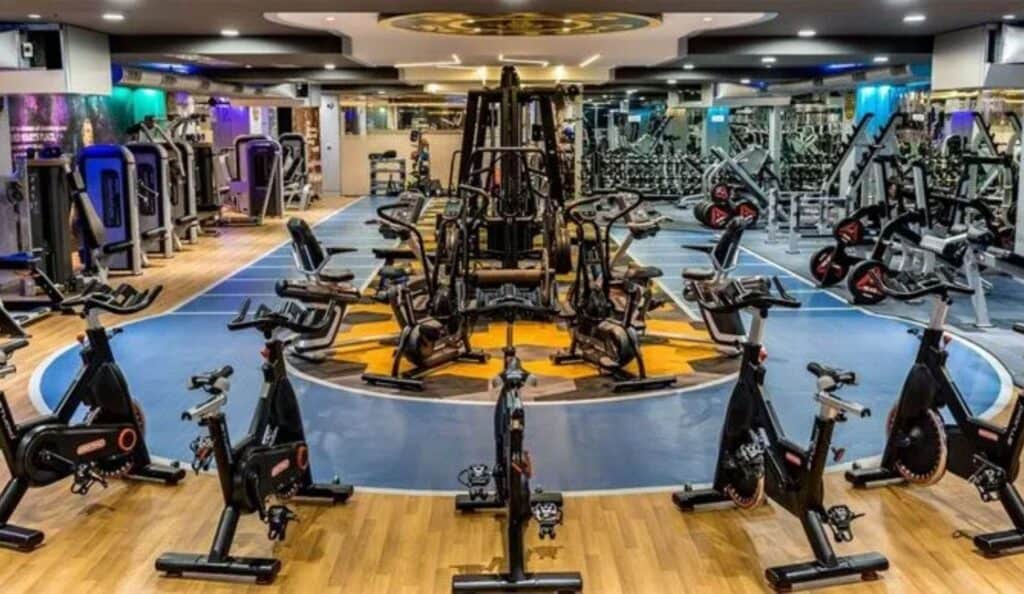


250 Corporate Blvd
Suite L
Newark, DE 19702


250 Corporate Blvd Suite L Newark, DE 19702
