




Gym owners often experience a surge of confidence after selling multiple annual plans or large class packs. Cash hits the bank account quickly, and revenue appears to spike. On paper, the business may look exceptionally strong for that month. However, this early optimism can turn into confusion when later months show weaker performance even though operations remain steady. This is where gym revenue recognition becomes essential for clarity.
Understanding the difference between cash received and revenue earned protects owners from misleading conclusions. Deferred revenue gym reporting helps distinguish between money collected upfront and income that is actually earned over time as services are delivered. When prepaid memberships accounting and class pack accounting are handled properly, financial statements provide a more accurate view of business health. Clear revenue reporting allows owners to make informed decisions without mistaking temporary cash inflows for sustainable profitability.
It is easy to assume that money received equals profit. However, when a member pays in advance for a year of access, the gym has not yet delivered all twelve months of service. Proper gym revenue recognition spreads that income over the period during which the service is provided. Without this adjustment, monthly results can appear distorted.
Deferred revenue gym principles classify advance payments as liabilities until the service is delivered. Prepaid memberships accounting ensures that income is recognized gradually as members attend or have access to facilities. Class pack accounting follows a similar concept by recognizing revenue as sessions are used rather than when purchased. Accurate revenue reporting prevents overconfidence during peak sales periods and protects against poor budgeting decisions later in the year.
Advance payment systems are common in the fitness industry. Membership plans, promotional packages, and package deals generate immediate cash flow. Although this business model is beneficial for cash flow, it makes revenue recognition for gyms complex if not handled properly. Every product must be tracked systematically to provide accurate financial statements.
Prepaid membership accounting systems consider annual or quarterly membership payments as deferred revenue gym liabilities until earned on a monthly basis. Class pack accounting systems earn revenue based on class attendance, not purchase. Gift cards gym accounting systems add complexity because revenue is considered unearned until redeemed. By systematically categorizing each product, gyms eliminate confusion during the month-end close process.

Separating dashboards helps simplify revenue reporting for non accountants. A cash flow dashboard shows actual money collected, which is essential for paying expenses. However, a separate earned revenue dashboard reflects gym revenue recognition accurately by allocating income according to service delivery.
Deferred revenue gym tracking connects both views logically. Prepaid memberships accounting ensures owners can see what portion of collected funds represents future obligations. Class pack accounting provides clarity on how many sessions remain outstanding. Gift cards gym accounting follows the same rule by identifying unused balances. During month-end close fitness studio reporting, reviewing both dashboards together offers a balanced understanding of liquidity and performance. This separation prevents financial decisions based solely on temporary cash surges.
Membership pauses and cancellations add complexity. If a member freezes their account for two months, revenue recognition must adjust accordingly. Gym revenue recognition principles require that income align with the delivery period of services. Deferred revenue gym balances must shift when timelines change.
Prepaid memberships accounting must account for paused periods by extending recognition schedules. Class pack accounting may pause expiration dates during extended freezes. Gift cards gym accounting also requires accurate tracking when refunds are issued. These situations directly affect month-end close fitness studio processes because balances must reflect accurate earned amounts. Consistency in applying these adjustments ensures revenue reporting remains dependable.
Gym owners do not require sophisticated accounting knowledge to apply these basic controls. A basic checklist helps ensure correct revenue recognition for the gym. First, examine all cash received for the month and separate advance payments. Second, determine the amount of deferred revenue gym balances that should be recognized based on services delivered for the month.
Annual contracts must be broken down into monthly amounts for prepaid memberships accounting. Sessions must be measured for class pack accounting. Gift cards gym accounting involves comparing redemptions to balances. Finally, revenue recognition must be reconciled with bank statements and membership information. These steps should be followed every month-end close fitness studio review.
Modern management systems reduce manual workload. Platforms that provide exportable transaction reports make gym revenue recognition easier to implement. Clear member level history supports deferred revenue gym calculations and simplifies reconciliation tasks.
Prepaid memberships accounting becomes smoother when systems automatically allocate revenue monthly. Class pack accounting tools that deduct sessions in real time improve accuracy. Gift cards gym accounting features should include balance tracking and redemption history. Reliable revenue reporting tools strengthen month-end close fitness studio efficiency. Software does not replace oversight, but it makes consistent execution far more manageable.

Without proper tracking, a large annual enrollment drive may inflate perceived profitability. Gym revenue recognition prevents owners from misinterpreting a one time payment wave as long term monthly strength. Deferred revenue gym balances remind businesses that part of collected funds represents future service commitments.
Prepaid memberships accounting keeps projections realistic. Class pack accounting ensures earnings reflect participation rather than purchase dates. Gift cards gym accounting protects against recognizing income prematurely. Accurate revenue reporting safeguards pricing, hiring, and expansion decisions. Sustainable growth depends on understanding true earning patterns rather than temporary inflows.
Earned revenue recognition enhances budgeting. Gym revenue recognition is tied to actual operational costs. Deferred revenue calculations for a gym enable better cash flow forecasting.
Prepaid membership accounting enables the calculation of unearned revenue at any point in time. Class pack accounting enables the calculation of outstanding class commitments. Gift cards accounting for a gym enables the calculation of pending redemptions. With accurate revenue reporting, budget forecasts are more accurate. Month-end close fitness studio reviews become planning tools.
Revenue recognition is not just an accounting concept. It is a practical management tool that clarifies business health. Gym revenue recognition separates short term cash excitement from genuine performance trends. Deferred revenue gym tracking highlights obligations that still require service delivery. Through disciplined prepaid memberships accounting, accurate class pack accounting, and careful gift cards gym accounting, studios build dependable revenue reporting systems. When month-end close fitness studio reviews consistently distinguish between cash received and income earned, owners gain a stable financial foundation. Clear visibility supports smarter decisions, steadier growth, and fewer financial surprises throughout the year.
Annual plans bring cash forward into one month even though services extend across twelve months. Without adjusting through proper gym revenue recognition, the financial report may show exaggerated monthly earnings. Deferred revenue gym reporting spreads that amount across the year, providing a clearer picture of sustainable performance.
Not always. Owners can begin with simple prepaid memberships accounting and class pack accounting processes using clear reporting dashboards. Over time, professional guidance can formalize procedures, but basic revenue reporting principles are manageable with structured systems.
When services are paused, earned revenue should also pause. Deferred revenue gym balances must adjust to reflect the new delivery timeline. Consistent tracking within prepaid memberships accounting ensures that income recognition aligns with service availability.
Exportable reports, member level histories, and session tracking features simplify gym revenue recognition. Platforms that support class pack accounting and gift cards gym accounting with clear logs make month-end close fitness studio workflows more efficient.
Start by separating dashboards. One should show cash received, and another should display earned revenue based on service delivery. This basic structure strengthens revenue reporting immediately and lays the groundwork for more advanced deferred revenue gym tracking in the future.

Membership based businesses live and die by predictable revenue. For gyms, recurring billing provides stability, but it also creates exposure to disputes and chargebacks. A chargeback occurs when a member contacts their bank to reverse a transaction instead of resolving it directly with the gym. Each dispute carries financial consequences that extend beyond the refunded amount. Processing fees, administrative time, and potential penalties from payment processors can add up quickly. This is why gym chargeback prevention is not simply about defense, it is about building a smarter billing foundation.
Most gym disputes do not stem from fraud. They typically arise from confusion. A member may not recognize a billing descriptor, misunderstand cancellation steps, or forget about a renewal date. When communication breaks down, frustration grows, and the bank becomes the easiest place to complain. Effective gym dispute management focuses on transparency, accessibility, and documentation. By creating a dispute ready billing system that reduces membership billing disputes before they escalate, gyms can protect revenue while preserving member relationships. Clear policies, quick responses, and strong cancellation proof form the backbone of an effective strategy.
Gyms are particularly vulnerable to subscription chargebacks because of recurring billing models. Unlike one time retail transactions, memberships renew monthly or annually. Members may forget renewal dates or assume cancellation happened automatically. If they see a charge after believing they stopped service, the immediate reaction is often frustration. In many cases, they bypass the gym entirely and go straight to their bank.
Billing descriptors are also a significant factor. If the name that appears on the statement does not correlate with the gym’s branding, the member may believe that the transaction is fraudulent. Miscommunication regarding trial conversions or short-term promotions can also lead to issues. Gym chargeback prevention begins with recognizing that most membership billing disputes are based on misunderstandings rather than ill intent. By recognizing these potential issues, gym dispute resolution can become more proactive than reactive.
The most powerful tool in gym chargeback prevention is clarity. Membership contracts must use simple language that explains billing cycles, renewal policies, and cancellation deadlines clearly. If terms feel hidden or confusing, members are more likely to dispute charges. Transparent communication reduces subscription chargebacks significantly.
Renewal reminders provide an additional safeguard. Sending automated emails or text notifications before charges occur demonstrates fairness. Members who receive advance notice feel respected and informed. Cancellation proof procedures must also be straightforward. If cancelling feels difficult or requires excessive steps, frustration increases. Effective gym dispute management ensures that cancellation requests receive prompt confirmation. Reducing friction through streamlined processes lowers membership billing disputes and supports the refund vs chargeback principle. When members see fair treatment, they are less likely to escalate to their banks.

Even with strong prevention measures, some disputes will occur. Winning them requires organized documentation. A proof pack is a collection of records that show the member agreed to terms and that the gym fulfilled its obligations. Gym chargeback prevention includes preparing for disputes before they happen by collecting and storing evidence systematically.
High value documentation includes digitally signed contracts, timestamped enrollment confirmations, cancellation logs, and payment receipts. Cancellation proof is particularly important in subscription chargebacks. If a member claims they cancelled but records show no request was submitted, evidence strengthens the gym’s position. Gym dispute management becomes significantly more effective when support communication logs demonstrate responsiveness and courtesy. Clear billing descriptors on receipts add further credibility. Organized documentation not only improves win rates but also signals professionalism to payment processors.
Front desk and administrative staff play a critical role in gym chargeback prevention. Clear internal workflows ensure consistency in handling billing complaints. When a member raises an issue, staff must assess whether to issue a refund quickly, apply account credit, or proceed with formal dispute representation.
The refund vs chargeback decision should prioritize fairness. If the gym made a mistake, processing an immediate refund prevents escalation. If cancellation proof and signed terms confirm valid billing, the gym may choose to fight the subscription chargeback. Gym dispute management requires training staff to remain calm, professional, and responsive. Delayed responses increase the likelihood that members contact their banks. A proactive resolution mindset reduces membership billing disputes by addressing concerns before they become formal disputes.
Billing descriptors often receive little attention, yet they significantly impact dispute frequency. When a transaction appears on a bank statement with an unclear or shortened business name, members may fail to recognize it. This confusion often leads to subscription chargebacks initiated as suspected fraud.
Prevention of gym chargebacks requires that the descriptors used in billing are clearly aligned with the gym’s public branding. Including location information or phone numbers in descriptor fields where possible will help with recognition. Gym dispute resolution will also be helped by consistent billing formats and clear email notifications. When descriptors are aligned with branding and it is easy for members to recognize billing, membership billing disputes will be significantly reduced. A recognizable descriptor is one of the most effective tools available.
Giving members access to their own billing information reduces uncertainty dramatically. A self-service portal allows members to update payment methods, view invoices, check renewal dates, and submit cancellations directly. This transparency supports gym chargeback prevention by empowering members with immediate access to information.
Community frustration often stems from feeling locked out of billing control. Subscription chargebacks decline when cancellation proof confirmations are automatically generated through portals. Gym dispute management becomes easier when every interaction is logged digitally. Self-service options also reduce administrative workload for staff. Members who can resolve issues independently are less likely to pursue membership billing disputes. Providing control builds trust and strengthens relationships.

Understanding the difference between a refund vs chargeback is essential. A refund is initiated by the gym directly and usually resolves the issue amicably. A chargeback involves the member’s bank and typically incurs additional fees. Gym chargeback prevention emphasizes resolving complaints before they escalate into formal disputes.
Staff should prioritize speed when addressing billing complaints. If a member contacts the gym immediately after a renewal and expresses confusion, issuing a refund may cost less than fighting a subscription chargeback later. Gym dispute management protocols must define authority levels clearly so staff can act without delay. Proactive resolution reduces reputation damage and processing penalties. A culture of fast response lowers membership billing disputes dramatically.
Speed of response influences whether a billing concern becomes a formal dispute. When members feel ignored or delayed, they are more likely to contact their bank. Gym chargeback prevention depends heavily on fast communication.
By having a service level agreement in place, it is ensured that all billing inquiries are addressed within a set time frame. Gym dispute resolution is aided by monitoring the time taken to resolve complaints. Prompt responses to emails, explanations, and confirmation emails help avoid confusion. If cancellation proof is sent out right away when asked for, it helps members feel more assured. A swift and respectful response can avert a dispute from becoming a billing complaint.

Effective gym chargeback prevention requires ongoing evaluation. Tracking dispute reasons reveals patterns. If many membership billing disputes relate to unclear cancellation timelines, terms may need simplification. If descriptor confusion appears frequently, branding adjustments may help.
Gym dispute management improves when data informs policy updates. Monitoring refund vs chargeback ratios provides insight into customer satisfaction and internal processes. Continuous refinement strengthens billing transparency and reduces recurring issues. Prevention evolves alongside member expectations.
Chargebacks rarely appear without warning. They are often symptoms of unclear communication, confusing processes, or delayed responses. Gym chargeback prevention requires building a dispute ready system from the foundation upward. Transparent contracts, recognizable billing descriptors, quick renewal reminders, and accessible cancellation proof reduce subscription chargebacks significantly. Gym dispute management also depends on organized documentation and empowered staff. Knowing when to apply refund vs chargeback strategies protects revenue while maintaining fairness. By prioritizing clarity, responsiveness, and accountability, gyms can reduce membership billing disputes and create a billing system that supports both business stability and member trust.
The most common reason behind subscription chargebacks in fitness businesses is confusion around cancellation or billing recognition. Many members claim they cancelled their membership or did not recognize the charge on their bank statement. In reality, unclear cancellation procedures or ambiguous billing descriptors are often the root causes. If members cannot easily confirm that their request was processed or fail to recognize the merchant name, they may assume the charge is unauthorized.
Strong gym chargeback prevention begins by tightening these two areas. Clear written cancellation steps, automatic cancellation proof emails, and transparent billing descriptors significantly reduce misunderstandings. Gym dispute management improves when records clearly show that policies were communicated and cancellation timelines were honored. By simplifying renewal explanations and ensuring statement names match public branding, gyms can dramatically reduce membership billing disputes before they escalate into formal bank disputes.
No, not every dispute should be contested. The refund vs chargeback decision must be handled thoughtfully. If your gym made an error, such as charging after a properly submitted cancellation request, issuing a prompt refund is often the best course of action. Fighting a legitimate complaint wastes administrative time and may harm your reputation with both the customer and the payment processor.
However, if documentation clearly shows that the member agreed to terms and did not follow cancellation requirements, then gym dispute management protocols may justify fighting the subscription chargeback. Gym chargeback prevention includes being selective about which cases to represent. When you have solid cancellation proof, signed agreements, and communication logs, contesting may be appropriate. The goal is fairness combined with strategic decision making rather than automatically challenging every case.
Winning subscription chargebacks depends heavily on documentation quality. High value evidence includes digitally signed membership agreements, timestamps confirming acceptance of billing terms, cancellation proof confirmations, and detailed support interaction logs. Payment receipts and renewal reminder notices also strengthen your position by demonstrating clear communication and compliance.
Effective gym chargeback prevention means organizing these documents in advance rather than scrambling after a dispute arises. Gym dispute management systems should store records securely and make them easily retrievable. When membership billing disputes occur, presenting structured documentation increases credibility with the issuing bank. A well prepared proof pack often determines whether the dispute is resolved in your favor or reversed against you.
In many cases, yes. Self service billing portals empower members to manage their own accounts. When members can view invoices, update payment details, check renewal dates, and complete cancellations independently, frustration declines significantly. Reduced friction directly lowers subscription chargebacks triggered by perceived inaccessibility.
Gym chargeback prevention improves when cancellation proof is generated instantly through automated systems. Gym dispute management also becomes more efficient because digital logs verify user activity and timestamps. By giving members transparency and control, gyms prevent many membership billing disputes before they reach the bank. Self service tools turn billing from a source of tension into a streamlined, user friendly experience.
The answer is as quickly as possible. Delayed responses are one of the primary reasons membership billing disputes escalate. When members feel ignored or uncertain, they are more likely to contact their bank to initiate subscription chargebacks. A fast and empathetic response can often resolve confusion before formal action occurs.
Gym chargeback prevention depends on having clear internal guidelines for response times. Gym dispute management processes should prioritize billing inquiries with same day or next day follow up whenever feasible. Immediate acknowledgment and clear explanations show professionalism and care. When cancellation proof or billing clarification is provided quickly, members are far less likely to pursue refund vs chargeback action through their bank.

Listening to members is one of the most underused growth tools in the fitness industry. Gyms invest heavily in equipment, programming, and marketing, yet often overlook the most valuable insight source they already have: their members’ experiences. When feedback is collected intentionally and acted upon consistently, it becomes a powerful driver of retention, service quality, and long-term trust. Member feedback helps gyms understand what is working, what is frustrating, and what members want more of. It also highlights issues that staff may not notice during day-to-day operations. More importantly, feedback creates a two-way relationship. Members who feel heard are more likely to stay loyal, forgive minor issues, and recommend the gym to others. The key is moving beyond collecting opinions and building a structured feedback loop that leads to visible improvements.

Effective feedback doesn’t happen by accident. Gyms that rely on complaints simply hear only a fraction of member sentiment. Proactive collection means having regular, structured questions asked through the right channels. Surveys can be delivered online, via email, in-app, through QR codes at the facility, or even on paper for members who like to keep things simple. The most useful surveys are short, focused, and easy to complete. Long surveys with poorly worded questions result in low participation and data that is unclear. A good approach is to combine periodic, comprehensive surveys with quick pulse surveys throughout the year. Comprehensive surveys can probe into overall satisfaction, quality of facility, perception of pricing, and likelihood to recommend, while pulse surveys can focus on very specific touchpoints such as experiences at classes, about cleanliness, or onboarding.
Question design matters. Asking clear, actionable questions such as “How satisfied are you with class scheduling convenience?” or “What one improvement would most enhance your experience?” provides usable insights. Including a mix of rating-scale questions and open-text responses allows gyms to measure trends while still capturing detailed suggestions. When members see that surveys are brief and purposeful, response rates improve significantly.

One of the biggest mistakes gyms make is assuming silence equals satisfaction. In reality, only a small percentage of dissatisfied members ever complain directly. Most simply disengage, attend less frequently, or cancel without explaining why. This silent dissatisfaction is especially dangerous because it offers no clear warning until revenue is already lost. Identifying these members requires looking beyond surveys alone. Attendance patterns, declining visit frequency, skipped classes, or reduced engagement can signal underlying issues. Follow-up surveys sent at critical moments, such as after the first month of membership or when attendance drops, help surface concerns early.
Creating low-friction ways to give feedback also helps reach quieter members. Anonymous surveys, suggestion boxes, or casual check-in questions from staff often reveal issues that formal complaints never would. The goal is to make feedback feel safe and welcomed, not confrontational. When gyms actively listen to what is not being said, they can address problems before they become cancellations.

Collecting feedback without acting on it damages trust. Members quickly recognize when surveys lead nowhere, and future participation declines. Closing the feedback loop means acknowledging input, making changes where possible, and clearly communicating what was done as a result. Action does not always mean implementing every request. Sometimes feedback reveals competing preferences or constraints that make certain changes impractical. What matters is transparency. If a suggestion cannot be implemented, explaining why still shows respect for member input. When changes are made, even small ones, they should be communicated clearly through signage, emails, or in-gym announcements.
Examples of closing the loop include announcing new class times requested by members, confirming equipment repairs prompted by feedback, or highlighting cleanliness improvements after survey comments. These updates reinforce that feedback matters and encourage continued participation. Over time, this approach builds a culture where members actively contribute to improving the gym.
Online reviews are a form of unsolicited feedback that gyms cannot ignore. While reviews are often viewed only as marketing assets, they also provide valuable operational insight. Patterns in reviews frequently point to recurring issues, such as peak-time crowding, staff friendliness, or maintenance concerns. Responding to reviews is just as important as reading them. Timely, respectful responses to negative reviews demonstrate accountability and care. Public responses should acknowledge the issue, avoid defensiveness, and indicate a willingness to resolve concerns. Positive reviews should also be acknowledged with gratitude, reinforcing the sense of community and appreciation.
Requesting feedback from satisfied members is an excellent way to ensure a fair level of feedback is represented. Perhaps the most satisfied members never think to leave feedback. Feedback needs to be analyzed and discussed with staff so that information leads to real changes, instead of being commentary heard but not heeded.
For feedback to create lasting impact, it must be woven into everyday decision-making. This means reviewing feedback trends regularly, sharing insights with staff, and aligning improvements with operational priorities. Feedback should inform class scheduling, staffing decisions, equipment investments, and service protocols.
Front-desk teams, trainers, and instructors all play a role in this process. Staff who actively ask for feedback and act on it reinforce a member-centered culture. Regular team discussions around recent feedback help ensure alignment and accountability. Over time, feedback stops being a separate task and becomes part of how the gym operates and evolves.
While feedback is valuable, too many surveys can overwhelm members and reduce response quality. Feedback collection should be purposeful and timed strategically. Members are more willing to participate when they see results and when surveys respect their time. Rotating survey topics, limiting survey frequency, and clearly explaining why feedback is being requested helps avoid fatigue. Short, focused surveys tend to produce higher-quality insights than long questionnaires sent too often. Quality of feedback always outweighs quantity.
Not all feedback should be acted on in the same way or with the same urgency. One of the biggest challenges gym owners face is deciding which feedback items deserve immediate attention and which should be evaluated over time. Aligning member feedback with business priorities helps ensure that improvements support both member satisfaction and operational sustainability.
They must categorize feedback data into areas like safety, cleanliness issues, scheduling concerns, staff issues, amenities, and pricing. They must give safety concerns high priority since safety issues influence the level of accountability. Then come experience-driven concerns regarding broken-down equipment, too many customers for class capacity, and poor communication. Strategic feedback regarding programming and extended hours should help them make informed decisions regarding the given demands and resource capacity.
Gyms benefit from scoring feedback based on frequency and impact. A single comment may not justify change, but repeated mentions signal a broader issue. Aligning feedback with retention goals is also critical. If exit surveys or churn data link cancellations to specific complaints, addressing those concerns becomes a revenue-protection strategy rather than just a service improvement. By viewing feedback through a strategic lens, gyms avoid reactive decision-making and focus on changes that genuinely improve both member experience and long-term business health.
Member feedback should not be limited to management review alone. Front desk teams, trainers, and instructors are often closest to the member experience and are best positioned to address issues quickly. Empowering staff to understand, collect, and act on feedback creates a faster and more authentic response system. Training staff to ask simple, open-ended questions such as “How was your workout today?” or “Is there anything we could do better for you?” encourages organic feedback. Staff should also know how to document concerns accurately and pass them along through an established process. When feedback is ignored or lost, members feel dismissed.
Equally important is showing staff how feedback connects to their roles. When trainers see how class feedback improves scheduling or attendance, or when front desk staff understand how cleanliness comments affect retention, feedback becomes meaningful rather than abstract. Recognizing staff when positive feedback mentions them reinforces accountability and motivation. Creating clear guidelines helps staff know what they can resolve independently and what needs escalation. Small fixes handled immediately build goodwill. Larger issues routed properly prevent miscommunication. When staff are empowered and informed, feedback becomes a tool for teamwork rather than a source of tension.
Feedback plays a direct role in member retention when it is tied to churn prevention. Many cancellations are not sudden decisions but the result of unresolved frustrations that build over time. Exit surveys, cancellation interviews, and attendance drop-off analysis provide valuable insight into why members disengage. Tracking feedback alongside membership behavior reveals early warning signs. Members who reduce visit frequency or stop attending classes often share concerns weeks earlier through surveys or informal comments. Addressing these issues proactively can prevent cancellations before they happen.
Retention-focused feedback analysis looks for patterns rather than isolated complaints. For example, repeated comments about crowded evening hours may indicate a need for schedule adjustments, not just equipment additions. Concerns about intimidation or lack of guidance often point to onboarding or staff training gaps. Following up with members who provide negative or neutral feedback can be especially powerful. A simple outreach acknowledging their concern and explaining next steps reinforces trust. Even if the member does not change their behavior immediately, they are far more likely to stay when they feel heard. Over time, this proactive approach reduces churn and strengthens member loyalty.
The most successful gyms have feedback as a continuing conversation, not a special occasion task. Having a feedback culture is a long-term objective where gym-goers know their opinion is solicited and that it leads to outcomes based on that solicitation, and feel their voices are heard. A feedback culture starts with consistency. It should be a part of their everyday business, not a reaction to a crisis, where gym-goers feel the only time their opinions are solicited is after a crisis occurs, and this leads to loss of trust.
Leadership behavior sets the tone. When managers openly reference feedback during meetings, updates, or announcements, it demonstrates accountability. Celebrating improvements that came directly from member input reinforces participation. Over time, feedback becomes normalized rather than awkward. A feedback culture also requires patience. Not every change produces immediate results, and not every suggestion is feasible. What matters is maintaining transparency and respect. When members understand the decision-making process, even unimplemented ideas contribute to engagement rather than frustration. By embedding feedback into daily operations and long-term planning, gyms transform member input into a sustainable advantage that continuously improves experience, retention, and reputation.
Member feedback is one of the most underutilized tools in gym management, yet it has the power to shape nearly every aspect of the member experience. When collected thoughtfully and acted on consistently, feedback highlights small issues before they grow into reasons for cancellation. It also uncovers opportunities to improve programming, scheduling, facilities, and communication in ways that matter most to members. Gyms that treat feedback as an ongoing dialogue, rather than a one-time survey exercise, build stronger trust with their communities. Members are far more likely to remain loyal when they see visible improvements tied directly to their input. Even when changes take time, clear communication and transparency reinforce the feeling that feedback is valued and respected.
Most gyms benefit from one comprehensive survey per year combined with shorter pulse surveys throughout the year. Pulse surveys can be quarterly or tied to key moments like onboarding, class participation, or the completion of personal training programs.
Questions should be clear, relevant, and actionable. Focus on satisfaction with equipment, cleanliness, schedule convenience, staff interactions, and overall experience. Including an open comment section allows members to share specific suggestions or concerns.
Negative feedback should be viewed as an opportunity to improve. Respond promptly, acknowledge the concern, and address it respectfully. Internally, treat negative feedback as a signal that may represent broader issues affecting multiple members.
Communicate changes clearly. When feedback leads to improvements, announce them visibly through emails, signage, or social updates. Even explaining why certain suggestions cannot be implemented builds trust and transparency.
Simple tools such as online forms, QR code surveys, suggestion boxes, and post-class surveys work well. Verbal feedback from staff interactions is also valuable and should be documented regularly.

Every January, gyms across the world experience a massive influx of motivated newcomers determined to start the year strong. Membership numbers spike sharply, group classes fill up, and equipment usage increases rapidly. While this surge brings exciting revenue and growth potential, it also creates operational pressure that can overwhelm unprepared gyms. Staff become stretched, existing members feel displaced, and newcomers often struggle to form habits in an environment that suddenly feels crowded and unfamiliar. The real challenge is not attracting these January members but transforming them into long-term, engaged participants who stay for the full year rather than dropping off by February or March.
Successfully managing the January surge requires a proactive, structured strategy that addresses both operational readiness and member psychology. Preparing in advance ensures the facility can handle higher demand without compromising quality. Equally important is building an onboarding system that guides beginners through their first 30 days, which research shows is the most critical window for habit formation. When gyms plan for both capacity challenges and behavioral support, they turn a seasonal spike into sustainable retention. Modern platforms, including CloudGymManager, offer tools that help gyms anticipate demand, guide new members, and track engagement with consistency and accuracy.
The surge itself is predictable. Roughly two to three times more new members join in January compared to any other month, and nearly 12 percent of a gym’s annual membership base may originate during the first four weeks of the year. Yet despite the strong interest, most gyms lose over half of these newcomers within 90 days. The reasons vary, from unrealistic goals to lack of guidance or intimidation in crowded spaces. Addressing these issues requires a clear plan that begins months before January and continues well into spring. When executed well, even a modest retention improvement can significantly boost annual revenue and reduce churn.

January starts with preparation, not reaction. Gyms should start planning operational workflows as early as October or November to be able to handle 2-3 times the normal foot traffic. This means staffing, scheduling, equipment readiness, facility layout and signage. But most importantly it means anticipating member emotions. Many January newcomers feel overwhelmed in an unfamiliar environment, while current members fear losing access to their favorite equipment or classes. Both groups need reassurance through visible readiness and smooth operations. Staffing should be the first priority. Gyms need to ensure front desk coverage for high volume check ins, tour requests and membership questions. Trainers and instructors should be scheduled strategically to support beginners, guide them safely and reduce intimidation in busy spaces. Consider adding floating staff during peak times to help with equipment setup, form checks and quick orientation. Additional cleaning staff may also be needed to maintain hygiene standards with higher usage volumes.
Class schedules should expand temporarily to accommodate increased demand. Popular classes may need additional time slots, early morning or late evening alternatives, or beginner-friendly versions designed for first time members. Equipment zones may require reorganization to reduce bottlenecks. Cardio machines, for instance, often face heavy usage during January, so clear rotation signage, time limits, or additional portable equipment may be useful. Visual communication also plays an important role. New members should immediately feel guided and supported. Simple wayfinding signs, class schedule boards, and beginner program flyers can ease navigation and encourage participation. Existing members should be notified in advance about expected occupancy changes and any temporary adjustments to avoid frustration. When the environment feels prepared and efficient, both groups feel more comfortable and more likely to stay.

The first 30 days determine long-term retention more than any other factor in the membership lifecycle. Studies repeatedly show that over half of all new members who join in January will stop attending by the third month if they do not build consistent habits early. This makes onboarding more than a welcome gesture. It is a structured process designed to guide behavior, create accountability, and provide early wins that reinforce motivation. A strong onboarding program begins the moment the member signs up. Gyms should offer a new member orientation that introduces the layout, safety guidelines, equipment basics, and class options. This immediately reduces intimidation and empowers beginners to explore confidently. A goal setting consultation should follow soon after. When members articulate specific goals such as losing weight, building strength, or increasing flexibility, they are more likely to commit to consistent attendance. Trainers can offer simple workout plans tailored to these goals, emphasizing achievable milestones that create early wins.
Daily or weekly check-ins during the first month are essential. These check-ins can come in the form of automated messages, trainer touchpoints, or app notifications reminding members to attend. They reinforce accountability without feeling intrusive. Beginner friendly classes, intro sessions, and technique workshops also help new members feel welcomed and supported. Offering small progress tracking tools such as attendance badges or milestone achievements increases motivation by making progress visible. Social integration further strengthens commitment. Encouraging members to join group classes, small communities, or challenge programs helps them feel connected and supported by peers. When members feel they belong to a group rather than attending alone, they are significantly more likely to maintain consistent attendance. By investing in a detailed 30 day onboarding strategy, gyms reduce early dropout and transform January enthusiasm into sustained commitment.
Managing for new and existing members is a tricky balance. January is peak time and mornings, after work and weekends are the busiest. If not managed, this can frustrate regular members who feel displaced and overwhelmed. To make it positive for everyone, you need smart capacity management, controlled scheduling and communication. One way to do this is to adjust gym hours to increase availability. Adding hours in the morning or evening spreads the traffic across a wider window. Adding temporary classes or rotating instructors for more frequent sessions reduces wait times and overcrowding. Some gyms designate certain areas for beginners during peak times or offer off peak workouts for both groups.
Communication is crucial. Existing members should be informed about expected changes, such as increased attendance or modified class schedules. When people know what to expect, they are less likely to feel frustrated. New members should also be guided toward off peak times when possible, which can reduce anxiety and improve their overall experience. Queue systems, rotation guidelines, and clear equipment usage rules help ensure fairness. Technology can support these procedures by tracking attendance trends and identifying bottlenecks. Capacity analytics reveal which times require reinforcement or schedule adjustments. Check in data helps managers predict peak times more accurately. A strong capacity strategy ensures that January feels organized rather than chaotic, improving satisfaction and retention for everyone involved.
Although January brings excitement and strong motivation, the enthusiasm often fades quickly for beginners. Research shows that nearly 60 to 70 percent of resolution members stop attending by March. The reasons vary but usually revolve around unrealistic expectations, a lack of early support, and the emotional challenge of starting fresh in a crowded environment. Many newcomers join with ambitious goals that feel achievable during the first week but become overwhelming without structured guidance. When results do not appear immediately, frustration builds. The gym environment may also feel intimidating, especially when machines are unfamiliar or spaces seem crowded. Without supportive interactions or beginner friendly options, self consciousness can lead to withdrawal.
The first month is also when habit formation is most fragile. Beginners may skip a few days, break their routine, and quickly lose momentum. Without accountability or encouragement, consistency collapses. Poor onboarding systems contribute to this issue, as many gyms do not offer enough follow up support beyond the first sign up. Lifestyle factors play a significant role as well. As work routines resume in late January, members may struggle to make time for workouts. If they are not equipped with a structured plan or manageable schedule, they quickly fall behind. Finally, financial fear or buyer’s remorse may push some to cancel early, especially if they feel they are not making progress. Understanding these behavioral patterns helps gyms design interventions that eliminate barriers. When gyms offer structure, guidance, and early wins, resolution members turn into long term participants instead of short lived trends.
Retention requires more than a single onboarding program. Sustained engagement over the first 90 days dramatically increases the likelihood of long term membership. A structured 30 60 90 day system ensures that beginners remain connected and supported well beyond January and February. The first 30 days emphasize familiarity and habit building. The next 30 days focus on progression, goal refinement, and social integration. By day 60, members should have a clear routine, but support is still essential to keep motivation high. Gyms can introduce mini challenges, check in calls, or progress reviews to maintain momentum. Trainers should review the original goals and adjust plans based on progress and current needs.
60-90 days should be about variety and long term commitment. New class formats, small group training options and community events keep things fresh. Publicly highlighting member achievements gives motivation and confidence. By day 90 members have more stable habits and are emotionally connected to the community. Technology helps with reminders, attendance tracking and flagging members who have reduced their visits. This allows for targeted re engagement strategies like personalized messages or invitations to beginner friendly workshops. When gyms treat the full 90 days as a retention window beginners become consistent long term members.

Managing beginner needs while maintaining the experience for seasoned members is a balancing act. New members require extra instruction, guidance, and reassurance, but overcommitting staff attention to beginners risks neglecting regular members. A strong strategy ensures both groups feel valued. Beginners benefit from orientation sessions, technique workshops, and intro classes that teach foundational skills. Offering dedicated beginner blocks during certain hours helps create a supportive space where newcomers can learn without feeling self conscious. Trainers can rotate through the floor during peak times to assist beginners while still being available to experienced members.
Existing members also need attention during January. They appreciate acknowledgment of their loyalty and consistency. Offering exclusive perks, advanced classes, or short challenges tailored to experienced individuals helps them feel seen. Communication is essential. Informing regular members about January crowd control measures, schedule adjustments, and upcoming programs reduces friction. A well balanced approach ensures that new members get the support they need while experienced members retain the smooth, efficient environment they expect throughout the year.
Historical attendance data is the best tool for January preparation. Looking at year over year data reveals the surges, peak times and operational challenges you can avoid. Gyms that use predictive analytics plan better and improve member experience and staff performance. Attendance reports tell you how many new members will join, which days will be busiest, which equipment or classes will be in demand. Knowing these patterns allows you to staff strategically, rotate equipment and schedule classes. It also guides your marketing and promotion decisions by telling you which campaigns attract long term members vs January only members. Predictive data also shows retention gaps. If large portions of last year’s January members dropped off by February, the gym can revise onboarding strategies or introduce targeted engagement programs. One of the most effective tools for this analysis comes from platforms like CloudGymManager, which track membership trends and provide insights that help gyms prepare effectively.
Discounts can attract significant volumes of January sign ups, but they must be used carefully. Deep discounts often draw deal seekers who leave once the promotion ends, contributing little to long term revenue. Gyms must design promotions that balance attraction with retention. Enrollment incentives such as waived sign up fees or bonus sessions tend to produce better long term outcomes than discounted monthly rates. Trial periods that convert automatically after the first month help individuals experience value before committing. Combining promotions with strong onboarding programs ensures that members connect emotionally with the gym rather than viewing it as a temporary bargain.
Clear communication is essential. Promotions should emphasize long term benefits, not short term discounts. Tracking promotion performance enables gyms to understand which offers drive genuine engagement. When designed strategically, January specials can attract quality members who stay beyond the seasonal surge.
January is a great opportunity for growth but without planning it can lead to overcrowding, member frustration and short lived sign ups. By preparing operations early, building a strong 30 day onboarding process, managing capacity proactively and supporting new members through their first 90 days gyms can turn seasonal resolution joiners into long term loyal members. Technology plays a big part in this by providing predictive insights, automated onboarding workflows and engagement tracking. With the right strategy and tools gyms can turn January enthusiasm into year round success and build their community through meaningful long term member relationships.

In busy fitness studios and boutique gyms, class demand often outpaces availability. Members rush to book the most popular time slots, leading to frustration when classes fill up within minutes. At the same time, last-minute cancellations or no-shows leave empty spots that others could have used. Balancing class attendance, safety, and satisfaction requires precision, not guesswork. This is where effective gym class capacity management becomes essential.
Capacity management is the foundation of smooth studio operations. It ensures that every class runs at optimal attendance, instructors can deliver quality sessions, and members feel fairly treated. With the right systems, studios can set smart limits, automate waitlists, and manage booking fairness without additional administrative effort. CloudGymManager helps achieve this balance by combining flexible class size controls, waitlist automation, and real-time attendance tracking into one streamlined solution.
Determining the right class size begins with striking a balance among safety, comfort, and quality. Every fitness class has physical and instructional limitations, and exceeding them can harm both the experience and the results. A high-intensity interval training class might require at least 25 square feet per participant to ensure safe movement and equipment spacing, while a yoga session may need more room for mats and props.
Other factors include instructor ratios and supervision ability. Smaller class sizes promote individual attention, while larger ones can dilute engagement and raise safety concerns. Capacity planning also depends on the availability of equipment. A spin studio with 20 bikes has an obvious cap, but functional training zones may require more flexible limits.
Establishing consistent capacity rules prevents overcrowding and maintains quality across the schedule. Once limits are set, automation can enforce them by blocking excess sign-ups. With structured capacity tools, studios can assign per-class limits that automatically update for recurring sessions, ensuring bookings are organized and space usage is optimized.
Empty spots caused by last-minute cancellations are one of the most enormous inefficiencies in class-based fitness operations. Manually managing waitlists can quickly overwhelm staff, particularly when multiple classes are affected daily. Automated waitlist systems resolve this by instantly promoting members from the waitlist as soon as a spot opens.
This reduces frustration for members who struggle to secure a place in their favorite classes and increases operational efficiency by ensuring every available spot is used. Members receive automatic notifications when they are moved from the waitlist to the class, and attendance is updated in real-time.
Well-designed systems allow customization of waitlist size and promotion timing. For example, highly popular evening sessions might have extended waitlists to ensure maximum attendance. Automation ensures fairness and transparency while saving staff hours of manual coordination. The result is higher participation rates, improved satisfaction, and consistently full classes.

Fairness is one of the most sensitive issues in class management. Members often feel frustrated when classes fill up too quickly, even with premium memberships. Balancing equal opportunity with loyalty benefits requires careful structuring.
Studios can introduce booking windows that open at different times depending on membership tiers. Premium members might gain early access, while standard members can book later within the same timeframe. Rotation policies can also help prevent the same individuals from repeatedly taking high-demand slots.
Clear communication is essential. Transparent policies and visible waitlists help maintain trust among all members. When fairness is built into the system, it becomes an integral part of the studio’s culture, thereby strengthening member confidence and retention.

No-shows and late cancellations can quietly erode profitability and member satisfaction. A space represents both lost revenue and missed opportunity. While some absences are unavoidable, many can be prevented through consistent policy enforcement and clear communication.
Automated reminders sent 24 hours and one hour before class help reduce forgetfulness. A small cancellation fee, typically between $5 and $15, can discourage repeat offenders while keeping policies reasonable. Automation ensures fairness by enforcing the same rules for everyone, removing subjective judgment from staff decisions.
Combining no-show policies with automated waitlists ensures classes stay full without adding extra work. Over time, this creates accountability and establishes reliability across the member base.
Booking windows influence how members plan their schedules. If bookings open too early, people may reserve spots they never use. If they open too late, competition increases, and members lose flexibility. Finding the right balance is crucial for maintaining fairness and ensuring operational efficiency.
Most studios adopt a booking window of between 24 hours and seven days before the class. Shorter windows support flexibility, while longer ones offer structured planning. Tiered access can reward loyal members with early booking privileges.
Automation ensures these windows are applied consistently, preventing overbooking and cancellations. Analyzing booking trends over time also helps studios refine their approach to better match member behavior and demand.
Attendance data provides valuable insight into how members use the schedule. By studying which classes consistently fill, when cancellations occur, and which times underperform, studios can make smarter scheduling decisions.
A consistently whole Monday evening spin class, for example, may signal an opportunity to add another session or increase capacity. On the other hand, low attendance for early morning slots might indicate the need for new class types or promotions.
Data-driven forecasting helps align capacity with real demand, improving utilization and profitability. Analytics tools available in modern gym management systems simplify these insights, allowing managers to adapt quickly and plan with confidence.

Strong communication fosters trust between a studio and its members. When members understand booking and cancellation policies clearly, confusion and frustration disappear. Automated notifications for bookings, reminders, and waitlist promotions ensure seamless and reliable communication.
Studios can take communication further by sending personalized messages to members who frequently miss classes or remain on waitlists. Suggesting alternative time slots or similar class types demonstrates attentiveness and care. This approach turns simple notifications into engagement opportunities, strengthening long-term loyalty.
Transparency builds confidence. When members know exactly how the process works, they are more likely to cooperate with the rules and respect capacity limits.
Capacity management is closely tied to instructor availability. Instructors influence attendance, class quality, and member satisfaction. Connecting class capacity settings with instructor schedules helps prevent double bookings and overextended workloads.
Automation links these elements so that any scheduling change immediately reflects across the system. This synchronization ensures a balanced workload for instructors and smoother coordination overall. Tracking attendance alongside instructor performance also provides valuable feedback for training and class planning.
By aligning instructor scheduling with class demand, studios can maintain high teaching standards and consistent experiences for members across all sessions.
Technology can automate bookings and reminders, but genuine accountability still comes from the members themselves. Encouraging responsible behavior helps create a respectful community where everyone values shared resources.
Regular updates, courteous reminders, and visible booking histories make it easier for members to manage their attendance. Studios that clearly communicate expectations see fewer last-minute cancellations and foster a stronger culture of participation. Highlighting positive behavior—such as consistent attendance or early cancellations—can further motivate members to act considerately.
Accountability not only improves efficiency but also fosters a stronger sense of belonging within the community. When members respect the process, everyone benefits.
Attendance fluctuates throughout the year. January brings new sign-ups, while summer may slow things down. Adjusting capacity management practices seasonally ensures smooth operations without overcommitting resources.
During peak months, studios can add duplicate sessions, open temporary slots, or increase the size of their waitlists. In slower periods, reducing class frequency or merging similar sessions helps maintain efficiency. Historical data from the previous year guides these adjustments, allowing managers to anticipate trends.
Seasonal flexibility supports both financial stability and member satisfaction. It ensures studios stay responsive to shifting patterns without compromising service quality.
Mobile access has revolutionized the way members interact with fitness studios. Through mobile apps, members can check availability, book classes, join waitlists, and receive instant updates—all in a few taps.
Mobile-friendly booking systems increase convenience while reducing the workload at the front desk. They also minimize booking errors and make attendance tracking effortless. When paired with digital check-in features like QR codes, members can quickly and securely enter classes.
With a mobile-integrated management system like CloudGymManager, studios can deliver this experience effortlessly. It combines ease of use for members with operational clarity for staff, creating a modern, connected environment that encourages long-term engagement.
Introducing tiered access based on membership levels can help manage class demand effectively while rewarding loyal clients. Priority booking windows, early access to popular classes, or reserved slots for premium members create value that justifies higher-tier memberships. This approach ensures fairness without alienating standard members, as everyone understands the structure and benefits.
Transparency is essential when implementing priority systems. Studios should clearly communicate which memberships include early booking privileges and how long those windows remain open before general booking begins. Automated booking platforms can handle these distinctions easily, applying the proper rules for each member type.
This structure benefits both the studio and members. Premium clients feel valued, standard members gain motivation to upgrade, and overall satisfaction improves because the booking process feels structured and predictable. When paired with clear communication and fair rotation of high-demand classes, priority access policies encourage long-term retention and create a sense of exclusivity that strengthens the studio community.
Instructor changes are inevitable in any fitness operation, but poor handling can lead to confusion and cancellations. A robust capacity management system helps minimize disruption when substitutions occur. By linking class rosters, instructor schedules, and automated notifications, members can be informed of replacements instantly—often before they even arrive at the studio.
Consistency is key. Members who attend regularly often form connections with specific instructors, so sudden changes should be communicated clearly and respectfully. Automated notifications or in-app alerts keep everyone informed without overwhelming staff. Instructors stepping in as substitutes can also access class rosters and notes in advance, ensuring a seamless experience.
From an operational perspective, substitution tracking also supports reporting. Managers can review attendance and feedback across instructors to ensure class quality stays consistent. When the transition feels smooth and organized, members remain confident that their experience will always meet expectations, regardless of who leads the session.
Class capacity isn’t just about floor space—it’s also about equipment readiness. Overused or poorly maintained gear can slow classes down and increase safety risks. By integrating equipment tracking into class scheduling, studios can monitor usage levels and plan for proactive maintenance.
For example, a spin studio might schedule bike maintenance every 100 sessions, while a strength training facility could rotate equipment checks weekly. Logging these activities ensures accountability and helps avoid costly downtime. Automated reminders can notify staff when maintenance is due or when replacement parts are needed.
Data on equipment utilization also reveals insights about member preferences. If specific machines or props are used more frequently, it may be justified to purchase additional units or redesign the layout for improved efficiency. Keeping equipment in top condition not only enhances safety but also reinforces professionalism—members notice when facilities are well-maintained and reliable.
While flexibility is necessary, consistency in scheduling builds loyalty and routine. Members thrive on predictable class times because they enable them to form habits that support their fitness goals. Constantly changing class schedules may confuse members or lead to drop-offs, especially if favorite classes become difficult to plan around.
Studios can strike a balance by keeping a core schedule of popular classes stable while experimenting with new formats or time slots on the periphery. Communicating changes well in advance also helps maintain trust. Regular feedback surveys or attendance reports can guide which classes remain permanent and which can rotate seasonally.
Scheduling stability benefits both instructors and members. Trainers can plan their workload efficiently, and members develop routines that encourage consistency. Over time, this reliability fosters an emotional attachment to the studio, turning occasional participants into long-term members who feel part of a familiar and dependable fitness environment.
Managing class capacity effectively enables studios to strike a balance between quality, safety, and fairness without overburdening staff. When handled strategically, it improves both revenue and member satisfaction while ensuring that every class operates at full potential.
CloudGymManager helps fitness businesses streamline these processes by combining automation, analytics, and flexibility into a single platform. With the proper structure and communication, studios can transform class capacity management into a competitive advantage that fosters loyalty, trust, and long-term growth.
Q1: How do I determine the correct class size limit for different types of workouts?
Consider room size, available equipment, and the type of workout. HIIT classes may require more space per person, whereas yoga sessions prioritize comfort and fluidity of movement. Industry standards recommend 25–40 square feet per participant.
Q2: What’s the best way to handle popular classes that fill up quickly?
Offer duplicate sessions or rotate instructors to spread demand. Adjust booking windows to prevent overbooking and ensure equal access for all members.
Q3: How do waitlists improve class attendance and member satisfaction?
Automated waitlists fill empty spots immediately after cancellations. This keeps classes full and allows more members to participate in their preferred sessions.
Q4: Should I charge fees for no-shows to popular classes?
Yes, but use moderation. Small deterrent fees encourage responsibility while maintaining goodwill. Automated enforcement ensures fairness and consistency.
Q5: How early should members be able to book classes?
Most studios open bookings between one and seven days in advance. This balance maintains fairness while accommodating different scheduling preferences.

Recurring billing keeps most gyms running smoothly, but when payments fail, it can quietly drain thousands of dollars each month. Across the fitness industry, between 5% and 15% of recurring transactions fail due to expired cards, insufficient funds, or simple technical errors. For a gym processing $50,000 every month, that can mean $2,500 to $7,500 in lost revenue. Recovering even half of that through automation could mean thousands of dollars regained without adding a single new member. The key lies in gym payment recovery systems that combine automation with thoughtful communication. Instead of chasing members manually or sending awkward reminders, automated billing tools detect failed payments, retry them intelligently, and send personalized notifications. The process happens quietly in the background and recovers as much as 30 to 50 percent of what would otherwise be written off.
Payment failures happen for several predictable reasons. Most are due to insufficient funds, expired cards, or temporary bank errors. Some occur because of fraud flags or outdated billing information. While each may seem minor on its own, the combined effect is substantial. A $100,000-per-month operation losing 10 percent to failed payments has $10,000 slipping away every month.
The problem extends beyond lost income. Staff waste valuable time trying to track down members, resend invoices, or resolve account issues. These interruptions damage relationships and create unnecessary stress. An automated gym dunning management system takes this burden off the team. By identifying the cause of each failure and automatically retrying payments, the business protects its revenue while maintaining professionalism and goodwill with its members.
Not every failed payment should be handled the same way. A transaction that fails due to insufficient funds requires a different approach than one that fails because of a temporary bank issue. Intelligent payment retry automation uses data to guide the process. For example, if a charge fails due to insufficient funds, the system may wait three to five business days before attempting the charge again. If the issue is technical, an immediate retry often resolves the problem.
A structured dunning sequence supports these retries with polite, well-timed messages. The first reminder is friendly and factual, simply letting the member know their payment didn’t go through. Later reminders become slightly firmer but remain professional in tone. This consistent rhythm prevents revenue loss while protecting relationships. When handled with care, members feel informed rather than pressured, and the studio recovers income that would otherwise be lost forever.

When payments fail, communication can make the difference between a recovered transaction and a canceled membership. Many members are unaware that their card has expired or that the payment has failed. Clear, calm communication is essential. A good gym billing automation process sends an immediate, friendly message explaining what happened and includes a secure link to update the payment method.
The tone should always stay respectful and supportive. Avoid using harsh language or anything that sounds accusatory or blaming. Most members appreciate quick notice and clear instructions. Automated reminders can follow at set intervals until the issue is resolved. By approaching failed payments as part of regular account maintenance rather than a problem, the studio maintains trust while improving its chances of a quick resolution.
Payment failures do more than hurt the bottom line. They also affect how members feel about the business. When a card is suddenly declined and access is paused, it can cause embarrassment or frustration. Some members may even quit altogether. Treating payment failures with empathy prevents this from happening.
A practical gym revenue recovery approach includes short grace periods and friendly reminders before limiting access. This keeps members engaged and gives them time to fix the issue. When handled with patience and professionalism, failed payments turn into opportunities to show care and consistency. Over time, members learn that their gym communicates clearly, respects them, and values the relationship as much as the revenue.
A smooth recovery process begins with detection. Once a transaction fails, the system identifies the reason and applies the best retry logic. Retries may occur immediately for temporary issues or after a few days for funding-related problems. At each step, communication is triggered automatically.
Once payment is successful, the member receives a confirmation email, and their complete account access is restored instantly. If retries fail after several attempts, the account is flagged for personal outreach. This framework ensures that no payment is overlooked while maintaining professional and consistent communication. When everything happens automatically, recovery becomes a routine rather than a reactive process.
Grace periods are an essential part of maintaining balance between firmness and flexibility. If a studio locks out a member after one failed payment, it risks losing that person forever. On the other hand, unlimited leniency creates cash flow problems. A good policy provides a few days of flexibility for first-time failures and stricter limits for recurring ones.
Modern payment tools for gyms handle this automatically. They track each member’s history and apply different grace periods depending on their payment record. Long-term members may have a week to resolve an issue, while new members receive a shorter timeframe. The goal is fairness and consistency. By applying the rules evenly through automation, the studio preserves trust while protecting revenue.

Every failed payment tells a story about how systems and members interact. Tracking recovery rates, common failure reasons, and timing helps studios improve their strategies. A detailed dashboard within gym dunning management software displays the amount of money recovered each month, the most effective methods, and the impact of communication on outcomes.
Data helps managers refine retry timing and adjust grace periods for better performance. Over time, the system becomes more efficient and reliable. Even minor improvements can yield substantial financial benefits. The key is to let data guide decisions rather than relying on guesswork or habit.
Payment recovery is most effective when it connects seamlessly to the gym’s management and accounting systems. Integration ensures that when a payment fails, every system reflects it immediately. Member access, financial reports, and staff notifications are all updated in real-time.
An integrated gym billing automation system also eliminates double entry and confusion. It keeps all payment records accurate and up to date. When a retry succeeds, the transaction appears instantly in revenue summaries. This level of visibility enables managers to track results, plan cash flow, and make more informed financial decisions.
Even with automation, human involvement still matters. Sometimes a personal call or message is needed. Staff should know how to talk about payment issues calmly and confidently. The goal is to be professional, empathetic, and helpful. Training sessions can cover tone, phrasing, and how to offer easy solutions.
Simple scripts can also help. For example, “Hi, we noticed your recent payment didn’t go through. It happens to everyone sometimes. You can update your card through the link we sent. Let us know if you need any help.” A respectful tone reassures members and turns potentially awkward moments into positive interactions.

Revenue recovery should not depend on luck or individual staff efforts. Automation provides long-term stability. Once payment retry automation is in place, it operates automatically every day without requiring supervision. Regularly reviewing recovery data and fine-tuning retry schedules helps maintain strong results.
This consistency builds confidence for both managers and members. Payments become predictable, revenue stays steady, and administrative work shrinks dramatically. Over time, the system pays for itself. A gym that once lost thousands to failed charges gains peace of mind and predictable cash flow without sacrificing member relationships.
Payment issues in gyms often follow seasonal patterns that owners overlook. The start of the year brings a surge in new sign-ups, but also a rise in billing failures once the initial enthusiasm fades. In January and February, members may overextend their finances after holiday expenses, resulting in insufficient funds when gym payments are due. Similarly, September often sees another wave of failures as summer memberships renew or students return to cities.
Recognizing these cycles allows studios to prepare in advance. Automated billing systems can send early reminders for upcoming renewals or expiring cards. Adjusting retry timing to avoid weekends or common salary dates also improves recovery success. A proactive approach ensures fewer surprises for both staff and members. When payment recovery aligns with seasonal behavior, gyms reduce administrative stress and create steadier revenue flow throughout the year.
Transparency builds trust, and it starts with clear communication about billing terms. Many payment failures occur because members forget renewal dates or misunderstand recurring charges. By keeping billing schedules visible and easy to understand, studios can avoid confusion that leads to unnecessary disputes or cancellations.
Posting renewal timelines, displaying the following payment dates on member dashboards, and sending reminders before charges are processed all contribute to fewer failed transactions. When people know exactly when and how they’ll be billed, they plan accordingly. This clarity is invaluable for small studios, where a single disputed charge can strain relationships and compromise their reputation. Transparent communication isn’t just good customer service; it’s a preventive measure against revenue loss. Over time, honesty and consistency around billing practices strengthen both financial stability and member confidence.
Reliable cash flow keeps a gym running smoothly, covering everything from rent to payroll. Failed payments interrupt that rhythm, creating gaps that make it harder to manage expenses. A robust gym revenue recovery strategy supports more accurate financial forecasting by mitigating unpredictable losses. When recovery processes work efficiently, revenue stabilizes, and owners can make smarter business decisions.
Knowing that 80 to 90 percent of recurring payments will clear on time helps managers plan confidently. With fewer billing surprises, it becomes easier to invest in new equipment, staff development, or marketing initiatives. Payment recovery is not just about collecting overdue money; it’s about preserving the cash flow needed for growth. Automated systems bring consistency that manual tracking can’t match, turning unpredictable billing cycles into dependable monthly performance.
Recovering failed payments also depends on setting expectations with members from the beginning. A well-defined policy that explains what happens if a payment fails helps avoid confusion later. During onboarding, staff can provide a brief explanation of how billing works, when retries occur, and how members can update their information. This transparency encourages responsibility while maintaining a friendly relationship.
Over time, members begin to view their gym membership as a professional commitment rather than a casual expense. This shift in mindset supports both retention and timely payments. Studios that strike a balance between empathy and accountability foster loyalty. When everyone understands the process and consequences, there’s less friction during billing issues. A culture of accountability doesn’t feel punitive; instead, it shows fairness and consistency that members respect. This approach strengthens trust and reduces the emotional burden of payment conversations.
Recovering failed payments no longer needs to drain time or morale. With CloudGymManager’s fully integrated system, you get automatic retries for declined charges, smart email sequences, payment method update reminders, and a real-time dashboard to track recovery rates. Because the software handles recurring billing, class scheduling, and payments all in one place, you eliminate the friction between systems that typically causes revenue to be dropped.
When a payment fails, the system immediately detects the decline and classifies the reason (expired card, insufficient funds, authorization error). For example, if the card has expired, the platform sends a branded email with a secure link to update the card. If the decline was due to insufficient funds, it waits a few days before retrying, giving the member time and increasing the chances of success. Meanwhile, the dashboard records the recovery attempt and displays the amount of revenue reclaimed.
CloudGymManager requires no software fees and integrates payments with Host Merchant Services at ultra-competitive processing rates. That means you don’t just recover revenue – you reduce ongoing overhead. Staff don’t need to send reminders or follow up on each failed payment manually. The automation does that work. The clarity of hassle-free billing and a transparent platform gives owners peace of mind and improves finances.
Failed payments are a fact of running a gym, but lost revenue doesn’t have to be. By utilizing intelligent automation, clear communication, and fair policies, gyms can recover a significant portion of what was previously lost. Automated recovery turns billing problems into opportunities to strengthen relationships and improve stability. When systems work quietly and efficiently in the background, owners can focus on what matters most — building a stronger community and helping members stay consistent in their fitness journey.
Q1: What percentage of gym membership payments fail each month?
Between 5% and 15% of gym payments fail monthly, depending on the member size and season. Expired cards, insufficient funds, and technical issues are the most common causes. Tracking these numbers helps improve gym failed payment recovery and overall revenue management.
Q2: When should I retry a failed gym membership payment?
Retry immediately for technical failures and after three to five days for insufficient funds. Spreading retries across several days increases success rates. A well-planned gym dunning management process ensures brilliant timing without overwhelming members.
Q3: What should I say to members when their payment fails?
Maintain clear, polite, and solution-focused communication. Inform members about the issue and provide instructions on how to resolve it. Friendly, timely reminders help resolve failed gym payments quickly without creating tension.
Q4: Should I pause membership access when payments fail?
A balanced policy works best. Offer short grace periods before limiting access. Consistency is key. Automated tools help apply gym billing automation policies fairly for every member.
Q5: How much revenue can automated failed payment recovery actually save?
Automation typically recovers 30-50% of failed charges. A gym processing $100,000 monthly with a 10 percent failure rate could save $3,000 to $5,000 every month through better gym revenue recovery practices.

Running a yoga studio may look peaceful from the outside, but behind the curtain, it often feels like an endless scheduling storm. Balancing teacher availability, class types, levels, and last-minute changes can easily consume more than ten hours a week. A single teacher cancellation or double-booked room can set off a chain reaction that disrupts the entire studio flow. For studios offering 10 to 50 classes a week across different locations and styles, manual scheduling through texts, spreadsheets, or paper calendars simply does not scale. Modern yoga studio scheduling software brings order to this chaos. It automates class creation, manages teacher availability, handles cancellations, and notifies students instantly — all while maintaining flexibility for a dynamic team. The right scheduling software turns stress into structure and frees studio owners to focus on the experience instead of the logistics.
Yoga teachers have diverse routines. Many split their time between multiple studios, workshops, and retreats. This makes yoga teacher scheduling one of the biggest pain points for studio managers. Relying on shared spreadsheets or group chats often leads to double bookings, late updates, and last-minute confusion. A digital scheduling platform solves these issues by letting teachers set their recurring classes, blackout dates, and travel schedules through their own portal. Managers can instantly view all availability and adjust the calendar accordingly. Updates sync automatically so that any change reflects across teacher dashboards, member apps, and class listings in real time. The result is structure without rigidity — everyone stays aligned, and no one wastes hours chasing down confirmations.
Cancellations and no-shows can quietly drain thousands of dollars in lost revenue each year. A strong yoga class management policy protects both fairness and finances. With the right software, studios can define clear cancellation windows, late penalties, and refund rules while automating the entire enforcement process.
When a student cancels, the system immediately promotes the next person from the waitlist. This ensures popular classes stay full without manual coordination. Transparent communication also helps members understand policies before booking, preventing friction. Automated enforcement eliminates awkward confrontations about late cancellations while ensuring revenue stability. Over time, students learn to respect the system, and attendance becomes more consistent across every session.
Teacher substitutions are inevitable. Illness, personal travel, or emergencies can throw off even the best-laid plans. Without structure, these changes lead to last-minute scrambles, group texts, and confusion for students. Using yoga studio scheduling software, studios can prepare for substitutes in advance by building a roster of qualified teachers categorized by class style and certification.
When a teacher becomes unavailable, the system automatically alerts suitable substitutes who can accept the slot with one click. Once confirmed, the schedule updates instantly, and students receive automated notifications about the change. Payroll and attendance data adjust automatically, ensuring accurate records for all teachers. This system transforms disruptions into seamless transitions, maintaining professionalism and stability for both staff and members.

Modern clients expect the convenience of booking classes anytime, anywhere. A well-designed class booking system makes that possible while saving countless administrative hours. Instead of relying on phone calls or manual lists, members reserve and pay for their classes directly online. The software manages capacity, confirms attendance, and sends reminders automatically.
For managers, online booking centralizes all class data in one dashboard — making it easy to track attendance patterns, spot popular instructors, and adjust schedules accordingly. For students, the experience feels effortless. They can check availability, join waitlists, or reschedule sessions on their own. The simplicity of digital booking not only improves retention but also allows staff to focus on relationships and studio culture instead of managing paperwork.
When classes overlap or rooms double-book, chaos follows. These conflicts usually occur because updates from one teacher don’t reach everyone else in time. Integrated yoga studio management tools eliminate this by connecting class schedules, room allocations, and teacher calendars in one view.
Before any new class is added, the system checks for conflicts automatically. If an instructor or room is already booked, the software prevents overlap. Managers can visualize the entire week on a color-coded calendar, ensuring even workload distribution and balanced energy across all time slots. Predictability reduces stress for teachers, and members enjoy a reliable experience without unexpected cancellations or location errors.
Consistency helps students build habits and trust. Using recurring templates within studio class scheduling software ensures classes repeat automatically without manual re-entry each week. Each template defines duration, difficulty level, teacher, and capacity, allowing managers to make quick adjustments when necessary.
When holidays or special workshops arise, studios can edit or skip specific dates without altering the overall structure. This prevents accidental deletions and maintains routine for both members and instructors. Over time, templates reduce repetitive work, keep schedules consistent, and support a professional, reliable class lineup.

The most stressful part of scheduling isn’t always the calendar — it’s the communication. Missed texts, late notifications, or unclear changes create frustration for teachers and members alike. A modern yoga studio software platform connects everyone with automated messages and real-time alerts.
Teachers receive updates about class changes directly in their portal. Members get reminders before each session, and cancellations trigger immediate notifications with alternative class suggestions. Managers can broadcast schedule updates with one click instead of multiple messages. This transparency creates harmony and reliability, making every part of studio communication feel effortless.
Dependence on a few standby teachers often leads to last-minute panic. A well-organized substitute network solves that problem. Within a yoga studio scheduling software, subs are tagged by their expertise — from vinyasa and restorative yoga to prenatal or hot yoga. When a class needs coverage, the system automatically identifies qualified substitutes and sends alerts in priority order. Once a sub accepts, the calendar and payroll records update instantly. Members are notified, maintaining trust and professionalism. This proactive structure ensures the studio never has to cancel a class because of unavailability, protecting both revenue and reputation.
Teacher burnout is real. Overloaded schedules, inconsistent hours, and late changes can drain enthusiasm quickly. Smart yoga teacher scheduling tools balance workloads evenly, allowing managers to monitor teaching frequency and total hours per instructor. If someone approaches their limit, the system flags it, prompting managers to reassign classes or bring in substitutes. Balancing rest and teaching schedules sustains instructor energy and performance. Happy teachers deliver better classes, leading to stronger retention and smoother operations. Automation ensures that the studio honors the balance between discipline and compassion — the same principle yoga teaches on the mat.
Empty rooms during off-peak hours represent missed opportunities. With analytics built into yoga studio management systems, owners can track occupancy trends and identify underused time slots. They can then experiment with shorter classes, beginner workshops, or community sessions during quieter hours. Data-driven insights show which time slots fill fastest and which teachers draw the largest crowds. Managers can realign resources to maximize attendance and profitability without increasing overhead. Over time, smarter utilization keeps both teachers and rooms active, ensuring every square foot of the studio contributes to growth.
Payroll often becomes chaotic when multiple teachers, substitutes, and class types are involved. Manual calculations risk errors and tension. An automated yoga studio scheduling software eliminates this by linking attendance data directly to pay rates. As each class concludes, the software records who taught, who subbed, and how many students attended. Payroll reports generate automatically at the end of each pay period, showing clear breakdowns by class or instructor. Teachers receive accurate, timely payments without disputes, and managers save hours of administrative work. This automation turns payroll from a headache into a reliable system rooted in transparency.
Trust is the cornerstone of a thriving yoga community. When members can see real-time schedules, waitlists, and updates, they feel confident committing to classes. Transparent scheduling through a yoga studio software platform eliminates surprises like canceled sessions or unavailable instructors. For teachers, clarity about their schedule, pay, and class performance fosters loyalty. For managers, open access to analytics and attendance trends creates accountability and growth. Transparency doesn’t just improve operations; it strengthens relationships among everyone who shares the studio space.
As studios grow from a single space to multiple locations, scheduling complexity multiplies. Each branch develops its own rhythm — different peak hours, instructors, and student demographics. Without a unified yoga studio scheduling software, keeping everything aligned becomes nearly impossible. Teachers often work across sites, creating conflicts when updates aren’t shared in real time. A central platform eliminates these issues by connecting all locations under one system. Managers can oversee every class, room, and instructor from a single dashboard. When one class changes time or instructor, the update appears instantly everywhere, including member booking apps. Teachers no longer need to message multiple managers for confirmation, and members can book across locations without confusion. Multi-location visibility also helps identify which branches attract more sign-ups and which need marketing attention. The studio network functions as one organism rather than scattered entities. As expansion continues, automation ensures the calm, organized structure that defines the brand remains intact, regardless of how many mats unroll each week.
Beyond daily classes, yoga studios often host teacher trainings, private sessions, and special workshops. These extras boost revenue but complicate scheduling when handled manually. Integrating them into a studio class scheduling system brings clarity. Managers can create unique event types with custom durations, capacities, and pricing, all tied to instructor availability. Private sessions can be booked directly through the member portal, preventing double bookings and ensuring payment before arrival. Workshops automatically appear on the public calendar with registration limits and waitlists to avoid overcrowding. Teachers receive reminders, and invoices generate automatically based on attendance. This organization reduces friction during high-traffic events and keeps the focus on teaching rather than logistics. For members, it creates a seamless experience — one app for everything, whether they’re booking a morning vinyasa class or a weekend retreat. Streamlined event scheduling allows studios to grow beyond regular classes while maintaining the calm professionalism that defines yoga culture.

Every class, booking, and cancellation tells a story about member behavior. A smart yoga studio management system collects this data and translates it into insights that guide decisions. Attendance trends reveal which time slots perform best, which instructors retain students longest, and where drop-off patterns occur. Managers can use these insights to rearrange schedules, adjust class types, or test new formats. If attendance dips at certain hours, data can suggest trial promotions or instructor swaps to re-energize participation. Likewise, seeing consistently full waitlists signals when to add more sessions or expand capacity. Over time, these insights turn intuition into strategy. Instead of guessing why attendance fluctuates, studios make choices rooted in facts. Data transforms scheduling from reactive management into proactive planning. The combination of analytics and automation ensures every class time, teacher assignment, and pricing adjustment serves a purpose, leading to stronger retention and more efficient studio operations.
In yoga, consistency breeds trust — and the same principle applies to class scheduling. Members build routines around familiar times and instructors, which helps them stay committed long-term. When schedules change frequently or communication lags, even loyal members drift away. A reliable yoga studio software platform ensures stability by maintaining consistent class patterns and alerting members well in advance about any modifications. Predictability also reduces decision fatigue; when students know their favorite instructor always teaches at a set time, attendance becomes effortless. Automated reminders, digital calendars, and synchronized apps keep everyone informed without added workload for staff. Predictability doesn’t mean rigidity — managers can still introduce new formats or substitute teachers, but the structure around those changes remains steady. Over time, a predictable schedule builds confidence, improving attendance rates and member satisfaction. When students trust that their classes will always start on time with minimal surprises, they invest emotionally in the studio community, turning occasional drop-ins into lifelong practitioners.
Q1: How do I manage scheduling when my yoga teachers have varying availability?
Teachers often have changing routines due to workshops or travel. Use recurring templates and a teacher availability portal so instructors can manage their schedules independently. CloudGymManager syncs updates automatically, keeping yoga teacher scheduling accurate and effortless.
Q2: What’s the best cancellation policy for yoga classes?
A 12–24 hour cancellation window balances fairness and revenue protection. Automated enforcement through CloudGymManager applies late fees, manages refunds, and fills spots via waitlist, streamlining yoga class management.
Q3: Should I use waitlists for popular yoga classes?
Yes. Waitlists fill canceled spots automatically and provide insight into class demand. CloudGymManager promotes waitlisted students instantly, ensuring smooth yoga studio software operations and maximum attendance.
Q4: How do I handle substitute teachers when regular teachers are unavailable?
Create a substitute list categorized by class type. CloudGymManager automates sub notifications, payroll adjustments, and student alerts, making yoga studio scheduling seamless and reliable.
Q5: Can online booking reduce administrative work for my yoga studio?
Absolutely. Online booking reduces calls and messages, handles payments, and syncs attendance automatically. CloudGymManager’s platform simplifies scheduling and management, enhancing the member experience.
A well-run yoga studio mirrors the balance found in every good practice: structure, flow, and mindfulness. When managed through efficient yoga studio scheduling software, teachers, classes, and members move in harmony. Automation reduces stress, increases consistency, and turns potential chaos into calm organization. With the right system, a studio can finally find its rhythm — one that’s as peaceful behind the scenes as it appears on the mat.

Pricing models for gyms involve more than just numbers; they also involve value, perception, and trust. While the incorrect pricing strategy can turn even motivated clients away, the correct one can convert infrequent visitors into devoted members.
Pricing has changed from a basic membership fee to a dynamic strategy that strikes a balance between accessibility, profitability, and member retention as the fitness industry becomes more competitive.
Gyms, whether they are full-service fitness facilities or boutique studios, now understand that how much they charge for their services—and how their pricing models communicate value—is just as crucial as what they provide. A vibrant fitness community or a revolving door of temporary sign-ups can be determined by knowing what influences membership decisions, how to set up fees efficiently, and how to clearly communicate value.

Price shapes perception; it doesn’t exist in an empty room. The cost of a gym conveys whether it is specialized, high-end, or affordable. Higher costs are frequently linked by members to superior equipment, knowledgeable trainers, or a welcoming community.
However, cost is still a major consideration when making decisions. People want more than just access to machines; they want to feel like they’re getting good value for their money. While unclear contracts or unstated costs cause annoyance, transparency and adaptability foster trust.
Profitable gyms are aware that pricing is psychological as well as mathematical. A model that seems equitable, reachable, and rewarding promotes sustained engagement as well as sign-ups. Retention happens organically when members feel their investment supports their objectives.
Pricing models for gyms involve more than just numbers … how much they charge for their services—and how their gym payment processing infrastructure supports those pricing models—is just as crucial as what they provide.
For good reason, the gym industry’s mainstay is still the flat-rate model—simplicity sells. Both parties benefit from predictability as members pay a set monthly or yearly fee for unrestricted access. It reduces friction in the sales process and is simple to understand and budget for. But simplicity can have drawbacks.
The gym runs the risk of undervaluing its services if the flat fee is too low. Price-conscious customers will be turned off if it is too high. By adding extras like free classes, guest passes, or member-only workshops, successful gyms that use this model frequently raise the perceived value of their memberships without making the cost more complicated. When combined with a strong brand identity and observable benefits that support consistency, the flat-rate model succeeds.
Not every member has the same goals. Others require group instruction or one-on-one training, while others yearn for access around the clock. By providing several levels of access—basic, premium, and elite—each of which caters to particular preferences, tiered pricing addresses these inequalities.
Because of this flexibility, gyms can maximize their potential revenue while appealing to a wider audience. Members value being in charge of their purchases, which promotes loyalty and satisfaction. As people advance in their fitness journeys, tier systems also promote upgrades.
After committing, a novice may begin with basic access before switching to premium options. The tiered approach ensures that members feel their plan fits their lifestyle by reflecting the variety of fitness goals.

Some people hate commitment but love fitness. Pay-per-use models are perfect for them. Customers can pay for each class, day, or session as they visit with this method. It appeals to tourists, infrequent exercisers, and those experimenting because it breaks down the mental barrier of long-term contracts.
This model expands the gym’s customer base and fosters goodwill even though it might produce less consistent revenue. After experiencing the atmosphere and outcomes, many users eventually switch to memberships.
Pay-per-use can function as a marketing funnel—low-risk entry that gradually fosters loyalty—when priced properly. The main selling points are convenience and flexibility, particularly for younger, mobile-focused customers.
Hybrid pricing has become a significant trend as technology transforms the fitness sector. This model offers members flexibility while improving value perception by fusing virtual offerings with in-person access.
On some days, a member may use the app for at-home workouts while attending classes at the gym three times a week. This balance can be reflected in pricing, which is more economical than premium in-person tiers but marginally more expensive than virtual-only plans. Adaptability is essential to the hybrid approach.
It satisfies modern convenience standards while maintaining members’ connections to the gym’s network. Hybrid models are effective for retention because they allow members to stay involved through digital channels rather than completely discontinuing when life gets hectic.
Before officially opening, many gyms use “founders’ pricing” to draw in new members. This temporary, reduced price generates buzz and rewards early commitment. Early adopters frequently become devoted supporters because they feel appreciated for taking a risk.
This model creates a devoted foundation even though it lowers immediate profits. These original members bring friends, offer testimonials, and contribute to the gym’s culture. Fairness must be upheld, though, because even if a customer missed the promotion, they should still see value later. In order to maintain long-term brand integrity, founders’ pricing is most effective when presented as a unique thank-you rather than a constant discount.

Uncertain terms or hidden costs damage trust more quickly than anything else. Conversely, open pricing improves member relations. Customers feel valued and informed when they are aware of all the costs they are incurring, including initiation fees, cancellation policies, and upgrades.
Additionally, transparency reduces disputes over billing or renewals. Clarity is crucial in today’s digital world, where brand reputation is shaped by online reviews. Members who feel misled are unlikely to come back, but those who feel informed tend to stick around despite difficulties.
Instead of using fine print, the most successful gyms use visual breakdowns and simple language to communicate prices. Transparency eventually turns into a strategic as well as an ethical issue.
In the past, the fitness industry was dominated by rigid contracts that locked members into 12- or 24-month commitments. Although this model generated income, it frequently caused annoyance and cancellations.
Customers of today demand flexibility; they want to be able to quickly pause, change, or cancel. Anxiety is decreased and goodwill is increased with flexible contracts that offer month-to-month options or temporary freezes.
Since happy members choose to stay voluntarily, many gyms have found that lenient terms actually increase retention. Being able to leave at any time reduces the likelihood that members will do so, which is a sign of confidence in the quality of the services. The emphasis moves from ensnaring clients to truly gaining their allegiance.
Streaming services and meal kits have reshaped consumer behaviour, creating what’s known as the subscription mind set. People now expect recurring payments to come with personalization, convenience, and continuous value.
Gyms adopting this mindset succeed when they treat memberships as evolving experiences rather than static access. Regular updates—new classes, seasonal challenges, or exclusive content—justify the monthly fee.
The subscription model works when members feel their plan evolves with them. Rather than paying for access, they’re paying for a relationship. By adopting lessons from digital platforms, fitness businesses can transform recurring payments into recurring satisfaction.
Bundling creates perceived savings while encouraging deeper engagement. A gym might combine personal training, nutrition consultations, and group classes into one comprehensive package.
Members feel they’re getting a deal while the gym increases overall spend per customer. Bundling also reinforces commitment; once members use multiple services, they become more integrated into the community. The psychological effect is powerful—people stick around for ecosystems, not just products.
When done thoughtfully, bundling turns pricing into storytelling: it shows how different elements of health and fitness fit together in a meaningful way. The result is greater satisfaction, retention, and profitability.

Technology has introduced dynamic pricing to the fitness world—rates that shift based on demand, time, or season. For example, off-peak hours might be discounted to attract more users, while premium classes during peak times cost slightly more.
This approach maximizes facility usage while keeping pricing fair. Members who value flexibility can save, while those who prefer prime slots understand the premium. Although it requires careful implementation, dynamic pricing helps gyms manage capacity efficiently and boost revenue without feeling exploitative.
Transparency and communication remain key—when members understand the reasoning, they view dynamic pricing as fair and beneficial.
Corporate wellness programs have become a major growth avenue for gyms. By partnering with local businesses, gyms can offer discounted memberships to employees, ensuring a steady stream of long-term clients.
Employers gain healthier, more productive teams, while gyms benefit from bulk sign-ups. The key to success lies in pricing flexibility—offering scalable discounts based on company size or participation rates.
Corporate programs also open doors to wellness workshops, team challenges, and brand exposure. In a competitive landscape, these partnerships diversify revenue and deepen community roots. It’s not just about filling memberships—it’s about embedding fitness into workplace culture.
Retention is the heartbeat of profitability, and pricing can be a tool for loyalty. Gyms that reward long-term members—through renewal discounts, referral credits, or milestone rewards—build emotional connections.
People want to feel appreciated, not just billed. Loyalty-based pricing reinforces commitment, transforming customers into advocates. Small gestures, like freezing old rates for consistent members or offering exclusive perks, show that the gym values relationships over transactions.
This emotional dimension differentiates successful gyms from short-lived operations. In an age where switching costs are low, loyalty is earned through appreciation, not obligation.
Gyms thrive when they feel like communities, not corporations. Community-based pricing, such as local discounts or charitable memberships, fosters inclusion and goodwill. When people believe their gym contributes to the neighborhood, they’re more inclined to stay.
Offering special rates for students, seniors, or local workers builds a sense of shared purpose. These initiatives may not yield the highest immediate profit, but they enhance brand reputation and attract word-of-mouth referrals. Pricing that reflects community values creates emotional equity, proving that business success and social impact can coexist.
Boutique fitness studios have redefined what premium pricing can look like. Rather than competing on cost, they compete on experience—personalized instruction, luxury amenities, and niche offerings like Pilates reformers or infrared saunas. Their pricing models justify higher rates by emphasizing exclusivity and transformation rather than access.
Members aren’t just buying workouts—they’re buying identity. These models show that pricing can elevate perception when aligned with quality and storytelling. The key is authenticity: the experience must match the promise. Premium pricing works only when it delivers genuine value and connection.
Many gyms fail not because of poor facilities but because of poor pricing strategy. Overcomplicating options, frequent discounting, or misaligning price with value confuses potential members. Once customers lose trust in pricing fairness, recovery is difficult. Sustainable models prioritize clarity and consistency.
Short-term promotions should lead to long-term relationships, not attract fleeting bargain hunters. By maintaining a coherent pricing narrative, gyms safeguard brand reputation and ensure financial stability. Price should invite commitment, not skepticism.

Modern gyms rely on data to refine pricing strategies. CRM systems track attendance patterns, membership durations, and drop-off points, revealing which models drive retention. Predictive analytics can identify members at risk of cancellation, enabling targeted offers to keep them engaged.
Mobile apps further enhance value perception by integrating billing, scheduling, and rewards. When technology aligns with pricing, it transforms the member experience from transactional to relational. The gym becomes not just a place but a personalized ecosystem that anticipates and meets member needs.
Modern gyms rely on data to refine pricing strategies. CRM systems track attendance patterns, membership durations, and drop-off points, revealing which models drive retention. Predictive analytics can identify members at risk of cancellation, enabling targeted offers to keep them engaged. For smooth operations and accurate billing, investing in reliable gym management software helps align technology with pricing goals.
Even the best pricing model fails if it’s poorly communicated. Effective messaging focuses on value, not just cost. Instead of emphasizing “cheap,” gyms highlight what members gain—results, community, accountability. Storytelling plays a major role: showing transformations, testimonials, or member success stories helps justify pricing emotionally.
Transparent communication through social media, email, and in-person consultations ensures members understand what they’re paying for and why. When pricing feels like an invitation to join a journey rather than a transaction, conversion and retention rates rise dramatically.
Economic uncertainty challenges every industry, and gyms are no exception. During downturns, affordability becomes critical. Flexible payment plans, pause options, or shorter-term contracts can prevent cancellations. Conversely, in times of prosperity, premium memberships and upgrades gain traction.
Adapting pricing dynamically to the economic climate keeps gyms resilient. Communication is key—members appreciate honesty when rates change due to inflation or rising costs. Transparency ensures trust even in tough times. The ability to balance empathy with economics defines the most adaptable gyms.
Pricing is not static. Successful gyms review performance metrics regularly—churn rates, average lifetime value, and member satisfaction—to refine their approach. Market competition, technological change, and evolving consumer habits all influence what works.
Periodic adjustments ensure that pricing remains fair, competitive, and aligned with value. Open communication during these shifts maintains trust. The best gyms treat pricing as a living strategy, one that grows with the business and its members.
Pricing in the fitness industry is both an art and a science. It shapes perception, drives retention, and sustains profitability. The most effective models—whether flat-rate, tiered, hybrid, or loyalty-based—share a common trait: they prioritize fairness, flexibility, and value.
Gym members don’t just buy access; they buy experiences, emotions, and results. When pricing reflects these truths, it attracts not just customers but communities. The fitness landscape of 2025 demands transparency, adaptability, and empathy.
In a world overflowing with choices, the gyms that thrive will be those that see pricing not as a transaction but as a promise—one that members are proud to keep renewing.
What role does pricing play in gym member retention?
Pricing influences how members perceive value, fairness, and commitment, directly affecting both sign-ups and long-term retention.
What pricing models are most effective for gyms today?
Flexible memberships, tiered pricing, and value-based packages tend to perform well because they align with different member needs and usage patterns.
How can gyms avoid losing members due to price sensitivity?
Clear value communication, transparent pricing, and consistent member experiences help reduce cancellations driven by price concerns.
Is lower pricing always better for attracting gym members?
No. Lower prices can attract sign-ups, but sustainable retention depends on perceived value, service quality, and support rather than cost alone.
Can changing pricing models improve retention?
Yes. Updating pricing to better reflect member behavior and expectations can increase satisfaction and long-term loyalty when implemented thoughtfully.
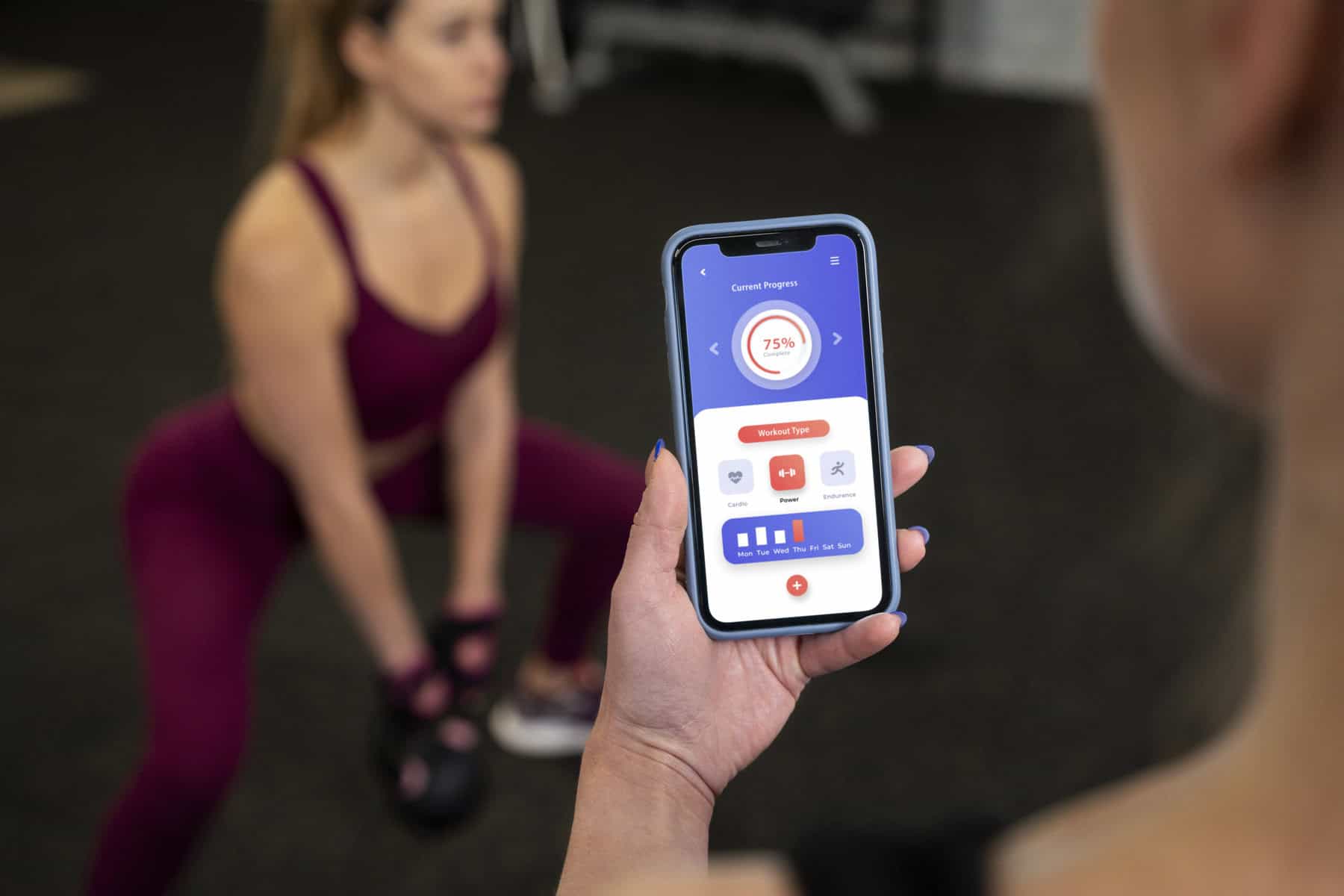
In an age when most people are doing nearly every part of their lives from their phones banking, shopping, scheduling doctor’s appointments, even having therapy sessions the fitness industry can’t afford to lag behind. Fitness is no longer just a gym. Today’s members want on-demand, mobile experiences that integrate into their daily lives.
This change in consumer behavior is redefining what it means to stay connected to your fitness community. Whether it’s booking classes, following a workout program, tracking progress or chatting with a trainer, members now expect their gym or fitness studio to live in their pocket and be available 24/7, wherever they are.
For fitness businesses this is more than a tech upgrade. It’s a chance to boost engagement, retention and ultimately growth by meeting users where they undoubtedly are: on their phones.
In this post, we will discuss the rise of mobile apps in the fitness industry, the ways in which they’re enhancing the member experience, and the fact that moving to mobile is not optional, but necessary to remain competitive and connected.
People spend majority of the time on their phones inside mobile apps. That’s not just social media or games, it’s how they handle daily life. Fitness, once the domain of gyms and personal trainers, has caught on to this mobile revolution.

The pandemic sped up a transition that was already happening. When gyms closed, members tried on-demand classes, virtual coaching and fitness tracking apps as substitutes. Even after reopening, the expectation remained, people want flexibility, convenience and 24/7 access to their fitness resources.
For the fitness industry, this is not a trend but a wake-up call. Companies that don’t digitalize or go mobile risk getting left behind. Besides mobile apps, software solutions for gyms can also greatly help. Members expect to be engaged with technology , whether you are a personal trainer, boutique gym or a massive chain.
In the modern fitness landscape, retaining members is not only about an awesome facility but also providing an integrated mobile experience that supports a members health and fitness goals every day, not just at the gym itself. This is where mobile apps come in.

In the end, fitness mobile applications do more than engage; they create an immersive, integrated ecosystem that helps keep members engaged, happy, and loyal. Hence, mobile solutions are an important part of fitness industry.
Retention in the fitness industry isn’t just about providing great workouts, it’s about creating an experience you want to return to daily. Mobile apps do this by having an effective set of features that promote habits and increasing feelings of satisfaction.

In short, fitness apps for the fitness industry that help users build routines, track results and feel rewarded are the ones that turn casual members into long-term loyal members.

Mobile apps aren’t just member tools, they are business growth engines in the fitness industry. When executed properly, these features can drive revenue, create a great community of customers and retain members like never before.
From smart engagement to seamless management, mobile apps for the fitness industry are no longer “nice to have”, they are critical to fitness businesses that want to scale and succeed in a digital first world.
The fitness industry has quickly transitioned from being location based to always on and digital. Today, mobile apps are integral to the way gyms and fitness brands connect to, engage, retain, and grow their membership. From tailored workout logs and messaging features, to easy membership administration, an effective app helps change the experience of bystander members, and gets them more actively engaged with their wellness journey.
A good mobile app is more than just a digital afterthought, it is an extension of your brand that drives deeper connection, loyalty and growth. Mobile solutions are no longer optional in an environment where immediacy, personalisation and accountability are all critical and non negotiable. They’re the future of a fitness business.
For the fitness businesses in the fitness industry trying to engage and retain customers and scale efficiently, nothing beats investing in mobile technology.
1. Why are mobile apps so important in the fitness industry today?
Mobile apps meet the modern member’s expectation for flexibility, personalisation, and always-on access. They make it easier to track progress, stay accountable, and feel connected—even outside the gym.
2. Can mobile apps really improve member retention?
Yes. Features like habit reminders, progress tracking, and in-app rewards keep users engaged consistently. Plus, regular communication through push notifications reduces drop-off.
3. What if my gym already has a website—do I still need an app?
Websites are great for information. Apps, however, enable real-time interaction, on-the-go convenience, and a more personalised experience, which are crucial in today’s mobile-first fitness industry.
4. How do apps help streamline gym operations?
They reduce admin load by automating class bookings, payments, and membership updates. Many apps also integrate with payment processors and gym equipment for a smoother experience.
5. Is it expensive to build a custom mobile app for a fitness business?
Costs vary, but many white-label fitness app platforms offer affordable, scalable solutions. These provide custom branding and essential features without the overhead of building from scratch.




250 Corporate Blvd
Suite L
Newark, DE 19702


250 Corporate Blvd Suite L Newark, DE 19702
