




Mobile technology has reshaped how people manage nearly every part of daily life, from banking and shopping to communication and entertainment. Fitness is no exception. Today’s gym members expect the same convenience and personalization from their fitness provider that they receive from other digital services. This shift has made the gym mobile app an important tool for engagement rather than a nice extra. When members can access gym services from their phone at any time, their connection to the gym extends far beyond physical visits.
A strong mobile presence supports both member satisfaction and business growth. Through thoughtful fitness app integration, gyms can simplify everyday interactions, strengthen relationships, and build long term loyalty. From class bookings and workout tracking to communication and community building, mobile apps create a consistent gym mobile experience that fits seamlessly into modern lifestyles. Understanding how these tools work and what members value most helps gyms use mobile technology effectively rather than treating it as a passive feature.
Gym members today are busier and more digitally connected than ever. They manage schedules, payments, reminders, and social interactions primarily through their phones. A gym that fails to meet members where they already spend time risks feeling inconvenient or outdated. A gym mobile app solves this by placing access to services directly in a member’s pocket.
Mobile engagement improves the frequency and quality of interactions between the gym and its members. Members who do not come to the facility on a given day might still check the schedule, review workouts, or simply catch up on news. It’s all about this ongoing connection that plays a very important role in engaging with gym apps and retaining members. The easier fitness becomes to manage, the easier it becomes for members to stick to it. With a well-designed mobile experience, the gym stops being a place that members only occasionally go to and instead turns into part of their daily routine.

Members download apps because they expect practical value. A gym mobile app should focus on features that reduce friction and save time rather than adding complexity. Class schedules with real time availability, easy booking, and cancellations are among the most requested features. When mobile booking gym functions work smoothly, members feel in control of their schedule without relying on staff assistance.
Account access is another essential feature. Members appreciate being able to view billing information, update personal details, and check membership status at any time. Fitness app integration that allows workout tracking, training plans, and progress logs further enhances perceived value. These tools reinforce engagement by helping members see their effort translate into measurable results. A functional app earns regular use, which strengthens the member gym relationship.

Push notifications are one of the most powerful yet sensitive tools within a branded gym app. Used thoughtfully, they enhance communication without becoming intrusive. Notifications for upcoming classes, waitlist openings, or schedule changes reduce no shows and improve participation rates. These reminders support both members and staff by keeping schedules accurate.
Beyond logistics, push notifications can motivate behavior. Encouraging messages, progress reminders, or milestone celebrations help sustain fitness habits. Gym app engagement improves when communication feels relevant rather than promotional. The key is moderation and personalization. When notifications align with member interests and activity patterns, they feel helpful instead of disruptive. This balance strengthens the overall gym mobile experience.
Convenience is one of the strongest drivers of retention in fitness memberships. Mobile booking gym features remove barriers that often lead to skipped workouts. Members can book or cancel classes in seconds without phone calls or front desk interactions. This flexibility fits modern schedules and encourages spontaneous participation.
A well-designed gym mobile app clearly communicates schedules and makes real-time availability edits. Its integration with attendance tracking ensures accuracy across systems. One can integrate the fitness app so that these actions automatically interact with staff dashboards and capacity controls. The easier it is to schedule, the more active and consistent members will be. Convenience further develops the value of the gym in everyday life, rather than just on scheduled visits.
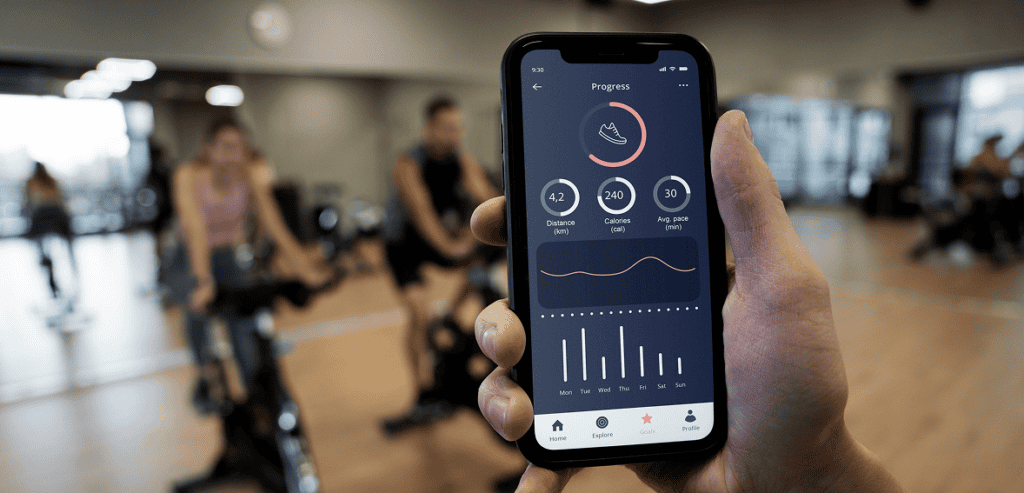
Seeing progress is a powerful motivator. Many members struggle to stay engaged because results feel abstract or slow. A gym mobile app that includes workout tracking helps bridge this gap. Logging workouts, viewing performance history, and monitoring progress makes effort more tangible.
Fitness app integration with gym programming ensures workouts reflect actual training plans rather than generic templates. Progress charts, achievements, or milestones make fitness more rewarding. This visibility strengthens gym app engagement by reinforcing positive behavior. When members associate the app with personal progress, it becomes an essential tool rather than a forgotten download. Over time, this habit supports retention and long term satisfaction.
Fitness is often more enjoyable when it feels shared. Social features within a branded gym app help create community beyond the gym floor. Members may participate in challenges, leaderboards, or group goals that foster friendly competition and accountability. These features encourage regular interaction even outside workout times.
Some apps allow members to share achievements, join group events, or coordinate workouts with friends. This strengthens the gym mobile experience by making fitness feel connected rather than isolating. While not every member seeks social features, those who engage with them often become strong advocates. When implemented thoughtfully, community tools support motivation without overwhelming users.
Wearable technology has become increasingly popular, offering insight into daily activity, heart rate, and recovery. Fitness app integration that connects with wearables allows gyms to recognize workouts performed outside the facility. This creates a more complete picture of a member’s fitness journey.
By syncing data from devices such as smartwatches or fitness bands, a gym mobile app acknowledges efforts beyond structured classes. This inclusion reinforces motivation and shows respect for diverse fitness habits. Wearable integration supports consistency and engagement while positioning the gym as a comprehensive fitness partner rather than a single location. For members, this seamless connection enhances the perceived value of the membership.
From the member perspective, the benefits of a gym mobile app center on control and accessibility. Members can manage their fitness experience without waiting for staff support or limited office hours. This independence fits modern expectations and reduces frustration.
The gym mobile experience becomes more personal through progress tracking, reminders, and tailored communication. Members feel recognized and supported rather than managed. Mobile access also supports accountability by making fitness visible and measurable. Over time, these benefits contribute to higher satisfaction and loyalty, encouraging members to remain active and engaged with the gym.
Gym mobile apps do not only benefit members. They also streamline operations and reduce administrative workload. When members handle bookings, cancellations, and account updates independently, staff can focus on service quality and coaching rather than routine tasks.
Push notifications and in-app messaging simply become a form of communication in and of themselves, independent from the reliance on emails or printed notifications. The engagement tools for the gym app are also marketing tools in themselves by advertising events, referrals, or offers. In addition to this is the usage data from the app that is helpful in understanding the usage patterns and peak times.
Every interaction within a gym mobile app generates data that can inform business strategy. Booking trends, class attendance, and feature usage reveal what members value most. These insights help gyms optimize schedules, staffing, and programming.
Fitness app integration ensures data flows consistently across systems rather than existing in silos. When analyzed thoughtfully, this information supports evidence based decisions rather than assumptions. Understanding how members use the gym mobile experience allows owners to adjust offerings proactively. Over time, this responsiveness strengthens competitiveness and member satisfaction.
A gym mobile app delivers value only when it connects seamlessly with existing systems. Fitness app integration with membership management, billing, and attendance tracking is essential for accuracy and efficiency. Without proper integration, data discrepancies can frustrate staff and members alike.
Smooth system alignment ensures that actions taken in the app reflect instantly across platforms. Bookings, payments, and check ins remain synchronized without manual intervention. For gyms choosing between custom and provider supplied solutions, the focus should be reliability and long term compatibility. Strong integration supports scalability and reduces operational friction as the gym grows.
Not every gym needs a fully custom built app. Many management software providers offer a branded gym app or mobile friendly portal that meets core needs effectively. These solutions allow gyms to maintain consistent branding while reducing development costs and complexity.
The trick depends upon budget and strategic planning. The custom app solution allows flexibility, but investment is also involved. A branded solution allows fast execution and integration capabilities too. The purpose, however, is still the same in either case. The challenge is to make a gym mobile experience that is user-friendly, reliable, and very useful to the members themselves. The value does not lie within innovation.
Launching a gym mobile app does not guarantee engagement. Members must understand its value and feel encouraged to use it. Clear onboarding, staff support, and simple explanations increase adoption rates. Gyms should highlight how the app saves time and improves the fitness experience.
Ongoing engagement grows when features remain relevant and easy to use. Regular updates, meaningful push notifications, and visible benefits reinforce usage habits. Gym app engagement is strongest when the app feels like an extension of the gym rather than a separate platform. Consistent value keeps the app active in members’ daily routines.
Retention is one of the clearest indicators of a gym mobile app’s success. Members who regularly engage with mobile tools tend to feel more connected and satisfied. The convenience, communication, and personalization supported by mobile access strengthen loyalty over time.
Through engagement analytics and retention analysis, fitness centers can measure the effect of their mobile approach. Mobile integration with fitness apps guarantees that such analysis is available and usable. When used properly, mobile technology is more of a long-term relationship-building solution than just a momentary technology improvement.
Gym mobile apps have become powerful tools for engaging members on the go and strengthening long term relationships. By offering practical features such as booking, tracking, communication, and wearable integration, gyms create a seamless experience that supports modern lifestyles. A thoughtful gym mobile app places fitness management directly in the hands of members while reducing operational strain on staff. Through strong fitness app integration and a focus on usability, gyms can turn mobile access into a competitive advantage. The most effective apps prioritize convenience, clarity, and consistency rather than complexity. When executed well, the gym mobile experience becomes a key driver of engagement, retention, and sustainable growth in an increasingly digital fitness landscape.
How does a gym mobile app improve member retention?
A gym mobile app improves retention by making fitness easier to manage on a daily basis. When members can book classes, track workouts, receive reminders, and access their account anytime, they are less likely to disengage due to inconvenience. Consistent interaction through the app strengthens habits and keeps the gym top of mind even on days members do not visit the facility.
What features are most important for an effective gym mobile experience?
The most important features focus on convenience and visibility. Mobile booking gym functions, class schedules with real time updates, account management, and workout tracking provide immediate value. Push notifications for reminders and updates also play a key role when used thoughtfully. These features support gym app engagement without overwhelming users.
Is fitness app integration necessary for small gyms?
Fitness app integration is beneficial for gyms of all sizes, including small facilities. Integration ensures bookings, payments, attendance, and progress tracking remain accurate across systems. For smaller gyms, integrated branded solutions often offer a cost effective way to deliver a professional gym mobile experience without complex development or manual work.
How do push notifications affect gym member engagement?
Push notifications can significantly improve engagement when they are relevant and well timed. Reminders for upcoming classes, waitlist spots, or milestones help members stay consistent and reduce no shows. Overuse can reduce effectiveness, so notifications should be personalized and purposeful to support positive gym app engagement.
Do members actually use gym apps regularly?
Members are far more likely to use a gym mobile app regularly when it provides clear daily value. Features that save time, show progress, and simplify scheduling encourage repeated use. When the app integrates smoothly into routines and supports real fitness goals, adoption and long term usage increase naturally.

Operating a gym around the clock has become an attractive option for many fitness businesses. Modern lifestyles do not always fit within traditional opening hours, and members increasingly expect flexibility that matches shift work, early mornings, or late-night routines. A well-run 24/7 gym can meet these expectations while unlocking additional revenue and improving member retention. However, keeping a facility open at all hours without staff on-site also introduces new operational and safety challenges that must be addressed carefully.
Unstaffed gym operations rely heavily on automation, clear processes, and thoughtful planning. From secure entry systems and monitoring tools to safety protocols and maintenance schedules, every element must work together seamlessly. When executed correctly, after-hours gym management allows owners to extend access without compromising security, safety, or the member experience. This article looks at the systems, practices, and policies that make continuous access possible and practical.

The appeal of a 24/7 gym lies in convenience and autonomy. Members can train when it suits them rather than adjusting their schedules to fixed operating hours. This flexibility is particularly valuable for healthcare workers, hospitality staff, parents, and anyone with unpredictable routines. As expectations shift, extended access becomes a differentiator rather than a luxury.
In terms of operations, unmanned gym facilities also optimize space use. The equipment that otherwise goes to waste in a closed fitness center continues to provide value even in the absence of staff. Through proper gym access control and gym security automation, a gym facility can handle all the required demand without requiring additional personnel. This harmonization of access and control is crucial to the effectiveness of a safe fitness program in a 24-hour fitness center.
Before adopting around-the-clock access, gym owners must define clear principles for unstaffed hours. These principles guide decisions around technology, policy, and communication. The foundation is trust balanced with verification. Members are trusted to use the space responsibly, while systems verify access and behavior. Another core principle is predictability. Automated systems must behave consistently, and rules must be clearly enforced regardless of the time. After-hours gym management works best when processes feel seamless to members. When access, lighting, climate, and security function reliably, the gym feels safe and professional even without staff present.

Controlled entry is the first layer of safety in a 24/7 gym. Only authorized members should be able to enter, and all access should be logged automatically. Modern gym access control systems include RFID key fobs, swipe cards, PIN pads, and keyless entry gym solutions through mobile apps. These tools provide convenience while maintaining accountability.
Advanced systems prevent tailgating by limiting door opening times and recording each entry attempt. Some facilities also restrict access to certain areas during unstaffed hours, such as pools or group studios. In unstaffed gym operations, this segmentation reduces risk without limiting overall availability. Secure access systems form the backbone of 24-hour fitness safety.
Mobile-based access has gained popularity as smartphones become central to daily life. Keyless entry gym systems allow members to unlock doors through secure apps, reducing the need for physical cards or fobs. These systems can integrate with membership platforms, enabling instant activation or suspension if needed.
For after-hours gym management, mobile entry also makes administration easier. Lost access cards are now not an issue because remote system updates can also be done. When combined with adequate authentication processes, for example, device or biometric verification, mobile entry access is beneficial for convenience as well as security for a 24/7 gym set-up.

Continuous monitoring is essential when staff are not present. Modern automated gym security relies on high-resolution surveillance cameras placed strategically throughout the facility. These cameras cover entrances, workout areas, and high-risk zones while respecting privacy guidelines. Cloud-based recording allows footage to be accessed remotely in real time if an incident occurs. Automated alerts can notify owners or security teams of suspicious activity such as forced entry or motion in restricted areas. Surveillance supports 24-hour fitness safety not by creating fear, but by providing reassurance that help is available if something goes wrong.
Even with preventative measures, emergencies can happen. Unstaffed gyms must provide members with clear and immediate ways to seek help. Panic buttons, emergency call stations, or intercoms linked to security services or local emergency responders are critical. These tools should be visible, accessible, and easy to use. Clear instructions help members remain calm under stress. In unstaffed gym operations, emergency systems bridge the gap between independence and support. They ensure that members are never truly alone, even during late-night workouts.
Technology does not ensure safety independently. Having policies can create a set of expectations regarding responsibility when the facility is unmanned. Waivers might be a prerequisite for membership, informing the user that facility employees are not around 24/7. Not only does this cover responsibility, but it is also a sign of facility operators taking responsibility for educating everyone accordingly. Communication at a 24/7 facility can establish trust. When this occurs, managing a facility when patrons are around becomes effortless and secure.
A well-lit environment plays a major role in perceived and actual safety. Automated lighting systems adjust brightness based on time or occupancy, ensuring visibility without wasting energy. Strategic lighting also supports surveillance cameras by improving image quality. Environmental controls extend to heating, ventilation, and air conditioning. Smart systems can adjust settings during unstaffed hours to maintain comfort while reducing costs. In unstaffed gym operations, automation ensures that the facility remains welcoming and safe without manual intervention.
Unauthorized entry is a primary concern for any 24/7 gym. Robust gym access control systems deter misuse by tracking entries and exits in real time. Suspicious patterns, such as repeated failed entry attempts, can trigger alerts or temporary access restrictions. Clear consequences for violations reinforce accountability. When rules are enforced consistently, members feel safer and the gym’s reputation improves. Automated gym security is most effective when paired with transparent policies and prompt follow-up.
Cleanliness will impact both safety, customer satisfaction, and the longevity of equipment. If the gym does not have members on the premises, they will have to incorporate the night cleaning and maintenance. This is done through late night cleaning crews during lull periods, use of automation and sensor technologies to direct the staffing on supplies and cleaning. The equipment and supplies can be shown to be needed through smart equipment and supplies inventory. Night gym operation is reliant on such data.
Equipment misuse poses a greater risk when staff are absent. Clear signage, instructional videos, and equipment placement help reduce improper use. Some gyms integrate usage sensors that track patterns and identify potential safety issues. When combined with surveillance, these tools allow owners to intervene or adjust policies proactively. In a 24/7 gym, prevention through education and design is just as important as enforcement.
Transparency is essential. Members should know exactly when a gym is unstaffed and what that means for support and services. Communication can occur during onboarding, through signage, and via digital channels. Clear messaging reinforces confidence rather than concern. When members understand how gym access control, automated gym security, and emergency systems work together, they are more likely to feel comfortable using the facility during off-hours.
Guest access will usually be restricted on unstaffed hours. This is a great way to minimize liability. Access systems should automatically enforce these rules to prohibit tailgating. To ensure that individuals fully comprehend these rules, it is important to be straightforward. In an unattended gym environment, consistency is a great way to protect gym members. Safety improves on its own when all individuals follow the same rules.
Automation generates valuable data that can guide decision-making. Entry logs, usage patterns, and incident reports provide insight into member behavior and peak times. This information helps refine after-hours gym management strategies over time. Data-driven adjustments improve efficiency and safety simultaneously. For example, lighting schedules can be optimized, or access rules adjusted based on actual usage. A successful 24/7 gym evolves continuously by learning from real-world patterns.
Running a 24/7 gym requires balance. Too many restrictions can undermine convenience, while too few create risk. The goal is to empower members while maintaining oversight through systems rather than constant supervision. By combining gym access control, automated gym security, and thoughtful policies, owners can strike this balance effectively. Members enjoy freedom, and operators maintain peace of mind.
Aside from member satisfaction, scalability is also made possible by automated access. The cost for staffing does not change, but access is increased. This can greatly improve a business’s position since competition in the fitness industry is stiff. A professionally run 24/7 gym operation establishes credibility due to trust, reliability, and safety considerations when it comes to automation.
Operating a gym around the clock is no longer an experimental concept. With the right systems and planning, unstaffed gym operations can be safe, efficient, and highly appealing to members. Automation handles access, monitoring, and environmental control, while clear policies and communication guide behavior. By investing in strong gym access control, reliable automated gym security, and thoughtful after-hours gym management practices, gym owners can confidently offer continuous access. The result is a 24/7 gym experience that delivers convenience, safety, and long-term value without compromising service quality.
Is it safe to operate a 24/7 gym without staff present?
Yes, it can be safe when the right systems are in place. Unstaffed gym operations rely on layered safety measures such as secure gym access control, automated gym security, surveillance cameras, and emergency response tools. When these systems work together and members are clearly informed about safety protocols, a 24/7 gym can operate securely even during late-night hours.
What technology is essential for after-hours gym management?
The most important technologies include keyless entry gym systems or RFID access, CCTV monitoring with cloud recording, emergency panic buttons, and automated lighting and HVAC controls. These tools allow owners to monitor activity, control access, and maintain a safe environment without on-site staff, which is essential for reliable after-hours gym management.
How do gyms prevent unauthorized access during unstaffed hours?
Unauthorized access is reduced through strong gym access control systems that log every entry and restrict access to active members only. Features such as anti-tailgating controls, access alerts, and real-time monitoring help maintain 24-hour fitness safety. Clear policies and penalties for misuse further discourage violations.
What should members know before using a gym during unstaffed hours?
Members should understand when the gym is unstaffed, how to access the facility properly, and what to do in case of an emergency. Clear signage and onboarding communication explain how automated gym security works, where emergency equipment is located, and which areas may be restricted during late hours in a 24/7 gym.
Are guests allowed during unstaffed gym hours?
In most cases, guest access is restricted or completely disabled during unstaffed hours. This policy helps reduce liability and improves safety. After-hours gym management systems typically enforce these rules automatically, ensuring only authorized members with valid access can enter the facility.
How do 24/7 gyms handle cleaning and maintenance overnight?
Many gyms schedule cleaning during low-traffic hours or use smart systems that track equipment usage and facility needs. Some also use overnight cleaning crews or automated solutions. These approaches keep the gym clean and safe while supporting unstaffed gym operations without disrupting member access.

Artificial intelligence is no longer a distant concept in the fitness industry. It is already shaping how people train, track progress, and stay motivated. From wearable devices to intelligent workout apps, technology is changing expectations around convenience and personalization. Among the most impactful developments is the rise of the AI personal trainer, a digital system designed to guide workouts, analyze performance, and adjust programs in real time. For gyms, this shift presents both an opportunity and a challenge.
Virtual fitness coaching does not aim to replace traditional trainers or human connection. Instead, it expands what gyms can offer by supporting members beyond scheduled sessions. With AI handling routine programming, tracking, and feedback, human trainers can focus on deeper coaching, motivation, and accountability.

The fitness industry has always evolved alongside technology, from simple heart rate monitors to advanced wearable sensors. What sets today’s evolution apart is the intelligence built into modern platforms. AI systems now learn from user data, adapt workouts based on performance, and provide guidance that once required one on one attention. This shift has accelerated as members expect on demand support and personalized experiences.
It describes how lifestyles and training habits have changed, with members wanting flexibility in how and when they train without losing structure or the tracking of progress. An AI fitness coach is able to meet these needs through adaptive programs responding to real performance, not static plans. With fast growth expected in this market, gyms that understand and adopt gym AI technology earlier position themselves as forward-looking and member-focused.

An AI personal trainer combines data analysis, machine learning, and user interaction to guide fitness programs. At its core, the system collects information such as workout completion, reps, weights, heart rate, movement patterns, and recovery indicators. This data is processed to generate training recommendations that adjust over time based on how the user responds.
Modern platforms often include automated workout planning, basic nutrition guidance, and progress tracking. Some advanced systems use smartphone cameras to analyze movement and offer form corrections during exercises. Chat based interfaces allow users to ask questions, receive reminders, or clarify instructions. These features make a digital trainer app feel interactive rather than passive. By learning from each session, machine learning workouts become progressively more personalized, helping members train smarter instead of harder.
One of the most compelling aspects of AI powered training is real time feedback. Using computer vision, some systems analyze posture, joint angles, and movement patterns through a device camera. This allows the system to identify improper form and suggest corrections during the exercise itself. For members training alone, this capability adds a layer of safety and confidence.
While this technology does not replace a trainer’s trained eye, it serves as a valuable supplement. Members receive immediate guidance rather than waiting for their next session. Over time, repeated feedback reinforces proper technique and reduces the risk of injury. For gyms, integrating such features into a virtual personal training offering enhances perceived value without requiring additional staff hours.
From a member perspective, accessibility is one of the biggest advantages of AI based coaching. Training support is available at any hour, whether the member is at the gym, at home, or traveling. This flexibility removes common barriers such as scheduling conflicts or inconsistent attendance. Virtual fitness coaching fits more easily into busy lifestyles.
Another key benefit is personalization. Unlike generic workout plans, an AI personal trainer adapts sessions based on performance trends and recovery patterns. If a member struggles with a particular lift or progresses faster than expected, the program adjusts automatically. This responsiveness keeps workouts challenging but achievable. Members also benefit from clear progress tracking, which helps maintain motivation and long term commitment to training.
Engagement is one of the toughest challenges in any gym environment. Many members start strong but gradually lose momentum. AI driven platforms help address this through reminders, progress notifications, and adaptive goals. Small prompts such as workout reminders or milestone celebrations keep members connected to their fitness journey.
By pairing virtual personal training with consistent feedback, members feel supported even when trainers are not physically present. This sense of continuity reduces drop off and encourages regular activity. A well designed digital trainer app can act as a daily touchpoint between the gym and the member, reinforcing habits and loyalty over time.
For gym owners, scalability is one of the most important advantages of gym AI technology. Traditional personal training models require a proportional increase in staff to serve more clients. AI based platforms break this limitation by allowing one trainer to oversee many more members through shared programs and dashboards.
A personal fitness trainer for AI can take care of repetitive work such as training design, recording, and simple follow-up work. This allows professional fitness trainers to concentrate on high-level engagement such as training on proper form, fixing problem areas, and relationship-building workouts. This way, fitness centers can increase training services without adding much to their expenditure on staff. Virtual fitness training also provides an opportunity for generating additional income streams for fitness centers.
A common concern around AI adoption is the fear of replacing human trainers. In practice, successful gyms use a hybrid approach where technology supports staff instead of competing with them. AI systems excel at data processing and consistency, while human trainers excel at empathy, motivation, and nuanced coaching decisions.
By integrating an AI personal trainer into the gym ecosystem, trainers gain better visibility into member activity between sessions. This allows more informed conversations and targeted coaching when they meet in person. Virtual personal training becomes a tool that enhances trainer effectiveness rather than reducing their importance. Clear communication with staff is essential to ensure technology is seen as support, not a threat.

Many gyms already use elements of AI without labeling them as such. Smart strength machines that adjust resistance, apps that modify workouts based on performance, and recovery recommendations based on training load are all examples of machine learning workouts at work. When unified under a single platform, these tools deliver a seamless experience.
Some gyms provide members with a branded digital trainer app that includes AI driven programming and progress tracking. Trainers can review dashboards to monitor adherence and performance trends. Others integrate AI fitness coach features into existing membership apps. These examples show that implementation does not require a complete overhaul, but thoughtful integration into existing systems.
The first thing is defining what integration success constitutes specifically. Some gyms may want to reduce attrition, while others may want to scale personal training or improve member experience. Understanding those priorities helps to choose the right platform and set of features for a gym. Not every gym needs advanced computer vision or nutrition planning from day one.
Staff training is critical during rollout. Trainers and front desk teams should understand how the AI system works and how it complements their roles. Clear workflows should define how virtual fitness coaching interacts with in person sessions. When staff feel confident using the technology, members are more likely to adopt it smoothly.
A hybrid model blends AI driven support with human coaching in a structured way. For example, an AI personal trainer may handle weekly workout updates and daily tracking, while a human trainer conducts monthly assessments and goal reviews. This balance ensures members receive both efficiency and personal attention.
Such models also allow gyms to offer differentiated services. Entry level members may rely more on virtual personal training, while premium members receive more hands on coaching. This flexibility supports diverse member needs and budgets. Over time, hybrid systems become a core part of a modern gym AI technology strategy.
As AI systems collect detailed personal and performance data, privacy becomes a significant consideration. Gyms must ensure that platforms comply with data protection regulations and clearly communicate how data is used. Transparency builds trust and encourages adoption among members. Ethical use of machine learning workouts also involves avoiding unrealistic promises or excessive monitoring. AI should guide and support, not pressure or overwhelm users. Responsible use of data ensures technology enhances wellbeing rather than creating stress.
Adoption alone does not guarantee success. Gyms should measure outcomes such as retention, training frequency, and member satisfaction to evaluate the impact of virtual fitness coaching. Comparing engagement levels before and after implementation provides insight into effectiveness.
Trainer feedback is equally important. When staff feel supported and not burdened by new systems, integration is more sustainable. Continuous refinement based on data and feedback ensures the AI personal trainer remains relevant as member needs evolve.
The fitness industry is expected to maintain an ongoing trend of personalization and flexibility. The use of AI-based platforms is in line with these industry trends, as these platforms are capable of adjusting according to individual behavior on a wider scale. Fitness clubs that fail to adopt gym AI technology are expected to fall short of expectations regarding digital experiences within other sectors. The use of gym AI is not an attempt to revolve around that which already works, but rather an improvement added on to it. When integrated thoughtfully, AI becomes part of a long term strategy rather than a temporary trend. It supports growth, efficiency, and improved outcomes for both members and staff.
AI personal trainers and virtual fitness coaching are reshaping how gyms deliver value. By handling routine programming, feedback, and tracking, AI systems allow human trainers to focus on what they do best. The result is a more scalable, flexible, and personalized training experience that meets modern member expectations. When implemented through a balanced hybrid model, AI fitness coach platforms enhance rather than disrupt existing services. As machine learning workouts become more sophisticated, gyms that integrate these tools thoughtfully will be better positioned to grow, retain members, and deliver high quality training in a rapidly evolving fitness landscape.
What is the difference between an AI personal trainer and a human personal trainer
An AI personal trainer uses data, algorithms, and user input to create and adjust workout plans automatically, while a human trainer brings experience, judgment, and emotional intelligence to coaching. AI handles routine programming, tracking, and feedback, while human trainers focus on motivation, accountability, and complex coaching needs. In most gyms, AI works best as a support system rather than a replacement.
Can virtual fitness coaching work for beginners
Yes, virtual fitness coaching can be very effective for beginners when implemented correctly. AI systems often start with basic assessments and gradually increase intensity based on progress. Clear instructions, visual demonstrations, and adaptive pacing help beginners feel confident. When combined with periodic human check-ins, beginners benefit from both structure and reassurance.
Do gyms need expensive equipment to use gym AI technology
Most gyms do not need major hardware upgrades to start using gym AI technology. Many platforms operate through mobile apps, cloud dashboards, and existing equipment. Advanced features like computer vision may require smartphone cameras or specific integrations, but basic AI fitness coach tools can be deployed using software alone.
How do members typically respond to digital trainer apps
Member response is generally positive when the digital trainer app is positioned as an added benefit rather than a replacement for personal interaction. Members appreciate 24/7 guidance, progress tracking, and flexibility. Adoption improves when staff explain how the technology supports their goals and complements in-gym training rather than replacing it.

Running a successful gym today requires more than intuition and experience. Member expectations have evolved, competition has intensified, and retention has become just as important as acquisition. Predictive analytics allows gyms to move from reactive decision-making to proactive management by using data to anticipate member behavior before problems arise. Instead of discovering cancellations after they happen, gym owners can identify early warning signs and take corrective action while there is still time to engage members effectively.
At its core, predictive analytics involves analyzing historical and real-time data to forecast future outcomes. In a gym setting, this means studying attendance patterns, booking behavior, app usage, and engagement trends to understand which members are thriving and which ones may be drifting away. When used correctly, these insights help gyms reduce churn, increase member satisfaction, and deliver more personalized experiences. Predictive analytics does not replace human interaction, but it strengthens it by guiding staff toward smarter, timely decisions based on evidence rather than guesswork.

Member churn rarely happens overnight. In most cases, cancellations are preceded by subtle behavioral changes that go unnoticed until it is too late. Predictive analytics helps identify these churn predictors early, allowing gyms to intervene with targeted actions. One of the strongest indicators of churn is a decline in attendance. Members who reduce their visits from three or four sessions per week to once weekly often lose momentum, motivation, and connection to the facility.
Class participation is also a very important indicator. If a member that has regularly booked a class stops showing up for class, it could mean that there is a conflict with their schedule, they’re no longer motivated, or they’re unhappy with the class options. An app usage rate is also a good indicator. If there is a drop-off in app usage, booking, and engagement with app offerings, it is probably a sign that they’re no longer tied to the gym.
Tracking churn rate and member lifetime value provides important context for these behaviors. Churn rate measures how many members leave over a given period, while lifetime value estimates the total revenue generated by a member throughout their tenure. Even small improvements in churn reduction can have a large financial impact. Retaining an existing member is typically far more cost-effective than acquiring a new one, making early intervention a critical strategy for long-term profitability.

Predictive analytics is only as good as the data behind it. Gyms must focus on collecting accurate, relevant, and consistent information across all member touchpoints. Attendance logs, class bookings, membership tenure, and payment history form the foundation of churn analysis. These data points reveal not just how often members visit, but how their behavior changes over time.
Digital platforms provide valuable engagement insights as well. App usage, online booking frequency, and interaction with workout plans or challenges help gauge member involvement beyond physical visits. Wearable device integrations can further enrich data by offering insights into workout intensity, consistency, and recovery trends, provided proper consent and privacy measures are in place.
Customer relationship management systems also play their role in tracking communication history, inquiries, and feedback. When all this information is organized and accessible, gyms can create a holistic view of each member’s journey. Data should be clean by definition. Duplicate profiles, missing check-ins, or outdated information may distort insights and lead to incorrect predictions. Regular audits and standardization of data entry practices help in fostering accuracy and reliability.

Once sufficient data is available, predictive models and artificial intelligence tools can analyze patterns that are difficult to detect manually. These systems look at historical behavior and identify correlations between specific actions and outcomes such as cancellations or membership upgrades. For example, a model might recognize that members who miss workouts for three consecutive weeks have a significantly higher likelihood of canceling within the next month.
Machine learning models improve over time by learning from new data. As more members join, engage, or leave, predictions become more refined and accurate. Predictive analytics can also forecast interest in services such as personal training, new class formats, or specialized programs based on past engagement and demographic data.
Importantly, these insights should be used as guidance rather than rigid rules. Predictive scores highlight risk levels, not guaranteed outcomes. A member flagged as at risk still needs a human-centered response that considers personal circumstances. When used responsibly, AI enhances staff efficiency by helping prioritize outreach efforts and focusing attention where it is most likely to make a difference.
The true value of predictive analytics lies in action. Identifying at-risk members without follow-up has little impact. Once warning signs are detected, gyms should have clear strategies for re-engagement. Personalized outreach is one of the most effective approaches. A simple check-in message acknowledging a dip in attendance and offering support can reignite motivation.
Adding incentives can also work. A personal training session, goal review session, or invite to a beginner class can all work to reduce barriers to return. The key to such efforts is their timing. Reaching out to the member prior to complete dis-engagement proves far more successful than last-minute efforts to retain membership.
Predictive insights also inform service improvements. If data shows consistent drop-offs after certain experiences, such as overcrowded classes or limited scheduling options, managers can adjust operations to prevent future churn. Over time, predictive analytics supports a shift from reactive problem-solving to proactive experience design, benefiting both members and the business.
Beyond churn prevention, predictive analytics enables a more personalized gym experience. By understanding individual preferences, gyms can tailor class recommendations, training suggestions, and communication styles to each member. A member who prefers early morning workouts and strength training can receive relevant program suggestions rather than generic promotions.
Personalization also emphasizes the understanding and value of the user. When the same individuals are sent recommendations based on their usage and goals, the chances of engagement automatically increase. Data-based personalization can also prevent the problem of communication fatigue.
This approach strengthens relationships by making interactions more meaningful. Instead of mass messaging, gyms can deliver timely, relevant content that supports each member’s fitness journey. Over time, this builds trust, improves retention, and fosters a more loyal community.
For predictive analytics to succeed, gym leadership must foster a culture that embraces data-informed decision-making. Staff should understand why certain outreach actions are triggered and how data supports member success rather than surveillance. Transparency builds trust internally and externally. Training employees to interpret insights responsibly ensures predictions are used ethically and constructively. Analytics should support empathy, not replace it. Regular reviews of predictive outcomes help refine models and strategies, ensuring they stay aligned with real-world experiences.
When data becomes a shared resource rather than a management-only tool, teams work more cohesively toward retention and satisfaction goals. This alignment transforms predictive analytics from a technical feature into a strategic mindset.
Not all members behave the same way, and predictive analytics becomes far more powerful when gyms segment their audience intelligently. Segmenting members by age group, membership duration, visit frequency, program participation, or goals allows patterns to emerge more clearly. For example, a newer member reducing visits after week three may indicate onboarding issues, while a long-term member dropping attendance could signal burnout or lifestyle changes. Treating both scenarios the same would be ineffective.
Segmentation helps gyms tailor interventions instead of using generic retention tactics. Beginners may need guidance and reassurance, while experienced members might respond better to fresh challenges or advanced programming. Predictive models can compare behavior within similar segments, making risk identification more accurate. A drop from four weekly visits to two may be normal for one group but a red flag for another.
But aside from preventing churns, segmentation also enhances the feature of personalization. The suggestion for classes based on gender or the tone of communication as well as the promotion may be tailored based on the motivational factor for every segment. Gradually, the use of segmented predictive analysis will optimize the allocation of resources for the gym for maximum effect instead of generalized solutions.
Attendance data is one of the most reliable inputs for predictive analytics in gym management. Patterns such as declining weekly visits, irregular schedules, or missed habitual workout days often appear weeks before a member considers canceling. Tracking these trends allows gyms to move from reactive to proactive engagement.
For example, a consistent three-times-per-week member suddenly attending once a week may be struggling with motivation, time management, or unmet expectations. Predictive systems flag these changes early, giving staff time to intervene with encouragement, guidance, or alternative options such as different class times. Attendance trends can also highlight overuse risk, where highly committed members suddenly stop due to injury or fatigue.
Beyond churn prediction, attendance analytics help improve overall programming. If certain classes show declining attendance among specific member segments, it may indicate scheduling issues or content fatigue. On the positive side, rising attendance trends help gyms identify successful programs worth expanding. When attendance data is reviewed regularly and interpreted in context, it becomes a powerful tool for anticipating member needs rather than guessing what went wrong after cancellations occur.
While attendance is critical, predictive analytics becomes more accurate when gyms analyze multiple engagement signals together. These include class bookings, app usage, email interactions, personal training participation, and even response times to communication. A member who still checks in occasionally but no longer opens emails or books classes may be disengaging emotionally even if they are physically present.
Looking at combined signals provides a fuller picture of intent. For instance, declining app usage paired with reduced class bookings is often a stronger churn indicator than attendance alone. On the other hand, a member who reduces visits but increases interactions with online content may simply be adjusting their routine rather than losing interest.
This multi-signal method will help the gyms eliminate false positives and warnings. This will also enable the gyms to undertake smarter outreach programs. The gyms will not be limited to general check-in campaigns. Members will be responded to depending on their pattern of behavior. The gyms will be required to identify whether the members lack accountability, or other activities, or if the members need reassurance. By analyzing engagement holistically, gyms improve the accuracy of predictions and ensure that interventions feel relevant, timely, and supportive rather than intrusive.
Predictive analytics is not just an operational tool, it is a financial strategy. Even small improvements in retention can significantly impact profitability because the cost of acquiring new members is often much higher than retaining existing ones. Measuring the financial effect of churn reduction helps gyms prioritize analytics efforts and justify investment in data-driven decision making.
By linking churn predictions to membership value, gyms can estimate revenue preserved through early intervention. For example, saving a member with a six-month average tenure has a different financial impact than retaining a long-term member who upgrades services. Predictive models help calculate expected lifetime value and highlight where retention efforts deliver the strongest return.
Financial measurement also supports smarter resource allocation. If data shows that targeted outreach to at-risk members reduces cancellations by even a few percentage points, the savings often outweigh additional staff time or program costs. Over time, tracking these outcomes transforms predictive analytics from a technical feature into a core business discipline that directly supports sustainable growth and long-term stability.
Predictive analytics gives gyms the ability to see what may happen next instead of reacting after opportunities are lost. By identifying early signs of churn, understanding engagement patterns, and personalizing member experiences, gyms can significantly improve retention and operational efficiency. Data-driven insights empower staff to act with purpose, connecting with members at the right time and in the right way. As fitness businesses continue to evolve, those that embrace predictive analytics will be better equipped to meet changing member needs and expectations. When combined with thoughtful human interaction and continuous improvement, predictive analytics becomes a powerful tool for building long-term relationships, sustainable growth, and a truly member-centric gym environment.
Q1: What is predictive analytics in gym management?
Predictive analytics is the use of historical and real-time gym data to anticipate future member behavior. In practice, this means analyzing patterns such as attendance frequency, class bookings, and engagement trends to identify members who may be at risk of canceling or who might benefit from specific programs. Rather than reacting after problems occur, gyms can act earlier to improve retention and satisfaction.
Q2: Which member behaviors are the strongest indicators of potential churn?
The most reliable predictors include declining visit frequency, sudden drops in class bookings, reduced engagement with gym apps or communications, and long gaps between check-ins. Members who previously attended multiple times per week but now come only once or twice are statistically more likely to cancel if no intervention occurs.
Q3: Do small gyms have enough data to use predictive analytics effectively?
Yes. Predictive analytics does not require massive datasets to be useful. Even small gyms can gain meaningful insights from attendance records, membership duration, and basic engagement tracking. The key is consistency and accuracy of data rather than volume. Over time, patterns become clear even with a modest member base.
Q4: How can gyms act on predictive insights without feeling intrusive to members?
The best approach is supportive, not alarmist. Instead of referencing data directly, gyms can check in naturally by offering help, encouragement, or relevant programming suggestions. For example, inviting a member to a goal review or recommending a class aligned with their interests feels helpful rather than invasive.
Q5: Can predictive analytics help improve revenue, not just retention?
Yes. In addition to reducing churn, predictive analytics can identify members who are likely candidates for upgrades, personal training, or new programs. By matching offers to member behavior and preferences, gyms can increase average revenue per member while delivering services that genuinely add value.

Implementing new technology is one of the most important decisions a gym owner can make. The right platform can streamline operations, improve member experience, and reduce administrative workload. However, gym management software implementation often feels overwhelming because it affects every part of day-to-day operations, from check-ins and billing to class scheduling and staff workflows. A poorly planned rollout can cause confusion, downtime, and frustration among staff and members alike.
A successful transition requires more than simply purchasing new software and turning it on. Gym software adoption works best when it is approached as a structured change process rather than a technical upgrade. Planning the switch carefully, involving staff early, managing data properly, and communicating clearly with members all play a crucial role. When gym owners take a thoughtful approach to switch gym software, they can minimize disruption and start seeing benefits faster and with more confidence.
Most gyms do not change systems without a clear reason. Common drivers include limited reporting, outdated interfaces, poor customer support, or a lack of features needed for growth. As membership numbers increase and services diversify, older systems often struggle to keep up. This creates inefficiencies that affect both staff productivity and member satisfaction. Gym management software implementation is frequently triggered by the need for better integration.
The main reason why many gyms use distinct systems for billing, entry, and communication is to avoid data silos. The modern system is meant to ensure all processes, including billing and entry, and communication are handled from one platform. To ensure effective decision-making, it is necessary to understand the underlying cause of adopting a new system. To avoid creating a new problem where one has been solved, it is vital to determine a goal to be attained when adopting gym software.

Preparation is the most critical phase of any successful gym software migration. Before evaluating vendors, gym owners should take time to assess their operational needs. This includes understanding class schedules, membership models, billing complexity, staff roles, and reporting requirements. A clear picture of current workflows makes it easier to choose software that aligns with real-world operations.
Creating an implementation timeline is equally important. A rushed transition increases the risk of data errors and staff confusion. Setting milestones for setup, testing, training, and go-live ensures that each phase receives adequate attention. Gym management software implementation benefits from realistic timelines that account for busy seasons, staff availability, and member activity patterns. Planning also involves assigning ownership. Designating an internal project lead ensures accountability and serves as a point of contact between the gym and the software provider. This role helps keep the switch gym software process organized and moving forward.

Selecting the right platform is about fit rather than features alone. While many platforms offer impressive functionality, not all of it may be relevant to a specific gym. Evaluating how the software supports daily operations is more important than focusing on long feature lists. Gym owners should look closely at usability. A system that is difficult to navigate will slow down staff and increase resistance to change.
When it comes to the adoption of gym software, usability is often the determining factor in the speed of adoption for teams. The decision to request demos and trial access ensures the staff is able to have hands-on experience with the software before the final decision is put forward. Customer support and the ability to scale are also important. This is because the software should scale with the business while offering assistance in case there are problems. Gym software implementation is even more.
An organized timeline reduces uncertainty and keeps the transition on track. Instead of approaching implementation as a single event, it should be broken into manageable phases. These phases typically include setup, data preparation, staff training, testing, and final launch. Clear timelines allow gyms to plan around peak hours and busy seasons. Launching new software during a major promotional campaign or high-traffic period can amplify stress.
Choosing a quieter period allows more flexibility for adjustments during early use. Communicating the timeline internally helps staff feel prepared rather than surprised. When everyone knows what to expect and when, gym software adoption feels more structured and less disruptive. This clarity sets a positive tone for the rest of the implementation process.

Staff training is one of the most influential factors in a successful transition. Even the most advanced software will fail if staff are uncomfortable using it. Training should begin early, not just before launch, to give employees time to practice and ask questions. Using sandbox or test accounts allows staff to explore workflows without fear of making mistakes. Hands-on practice builds confidence and reduces anxiety around change.
Staff training should focus on role-specific tasks so each team member understands how the new system affects their daily responsibilities. Ongoing support is just as important as initial sessions. Gym management software implementation improves when refresher training and internal documentation are available. When staff feel supported, gym software adoption becomes a shared effort rather than a top-down directive.
Resisting change in new systems is expected, particularly among employees who like the way things work currently. Recognizing the resistance to change can go a long way in counteracting it. Employees can be brought into the discussion of change impact, which gives them a vested interest in the change. When workers feel heard, they can become allies in change.
This involvement can include feedback on demos or participation in testing phases. Clear leadership also matters. Consistent messaging from management reinforces the importance of the transition. By connecting gym software adoption to long-term improvements in efficiency and member experience, leaders can guide staff through uncertainty more effectively.
Data migration is one of the most sensitive aspects of switching systems. Membership records, billing histories, attendance logs, and access permissions must be transferred accurately. Errors in this stage can cause serious operational issues and member dissatisfaction. Before migration begins, data should be backed up securely. Cleaning up outdated or duplicate records improves accuracy and reduces complications during transfer. Gym software migration works best when only essential and well-organized data is moved to the new platform.
Having a contingency plan is essential. This may include keeping the old system accessible for reference during the early days of launch. Verifying critical data such as memberships and billing details immediately after migration helps catch issues before they affect operations.
Testing enables gyms to detect problems at a stage where they can be controlled. The process of pilot testing with a group of staff members is helpful in detecting gaps in operations and set-ups. The information gained from pilot testing enables modifications even before the system is launched on a full scale. Testing procedures should include real-world simulation of activities such as memberships and payments. The process of implementing gym management software needs to be simulated in real-world environments instead of simulated ones.
Feedback during this phase is invaluable. Encouraging staff to report issues and suggestions helps refine the setup. A successful test phase often determines how smoothly gym software adoption proceeds once the system goes live.
Members are directly affected by new software, especially if it introduces new apps, portals, or booking systems. Clear communication helps manage expectations and prevents confusion. Informing members early allows them to prepare for any required actions. Messaging should focus on benefits rather than technical details. Highlighting features such as easier check-ins, faster bookings, or improved account access encourages positive engagement. When members understand how changes improve their experience, they are more likely to cooperate.
Support channels should be clearly defined during the transition. Staff should be ready to answer questions, and simple guides can help members adjust quickly. Strong communication supports smoother gym software adoption and maintains trust during change.
The first months post-launch are crucial. Although there has been extensive planning, there will undoubtedly be small things about which people begin to grumble when more people start using it in the real world. It is extremely helpful to have more hands on deck during this period to get things sorted out.
Regular check-ins with staff encourage ongoing feedback and reinforce a culture of continuous improvement. Addressing concerns promptly builds confidence in the new system. Gym management software implementation does not end at launch. The first few weeks should be treated as an extension of the rollout phase, with flexibility and responsiveness guiding decision making.
Measuring success helps determine whether the transition achieved its intended goals. Key metrics might include reduced administrative time, improved attendance tracking, or fewer billing errors. Comparing these metrics before and after implementation provides clear insight into impact. Staff feedback is another valuable indicator.
If employees feel workflows are smoother and less stressful, it suggests that gym software adoption is moving in the right direction. Member satisfaction, reflected in reduced complaints or increased engagement, also signals success. Regular reviews encourage ongoing optimization. Gym management software is most effective when it evolves alongside operations rather than remaining static after launch.
Many implementation challenges stem from rushing the process or underestimating complexity. Skipping training, neglecting testing, or migrating data without proper preparation often leads to frustration later. Another common mistake is treating implementation as an IT task rather than an organizational change. Successful gym software adoption requires attention to people, processes, and communication, not just technology. Learning from these pitfalls helps gym owners approach future upgrades with greater confidence and insight. A thoughtful approach minimizes disruption and maximizes long-term value.
Adopting new software should mark the beginning of improvement, not the end. Encouraging staff to explore features and share ideas fosters ongoing engagement. Regular updates and refinements keep the system aligned with evolving needs. Vendor relationships play an important role here. Staying informed about updates and best practices helps gyms get the most from their investment. Gym management software implementation becomes more valuable when it is supported by continuous learning. This culture of improvement ensures that the effort invested in switching systems delivers lasting benefits rather than short-term fixes.
For gym owners looking for a smooth transition experience, choosing a platform that actively supports onboarding and daily operations makes a meaningful difference. CloudGymManager is a cloud-based gym management solution designed to simplify everything from membership management and class scheduling to billing and staff workflows within a single, easy-to-use system. The web-based setup reduces technical complexity during gym management software implementation, while built-in tools support staff training and day-to-day adoption without steep learning curves. For gyms aiming to switch gym software with minimal disruption, a platform that combines flexibility, accessibility, and practical support can significantly improve long-term success.
A switch system can be intimidating, but it can also be a chance for genuine growth. If gym business owners take a gym business software adoption process with meticulous planning and a focus on people, it will become significantly easier. Right from staff training and switching to gym software to communicating with members and evaluating performance, every aspect leads to a better experience. A successful adoption of gym software can enhance operations and member satisfaction and aid in future expansion. If a switch system to gym business software is treated as a chance to invest instead of a disruption, a gym can switch softwares with confidence.
Gym management software implementation timelines vary based on gym size, data complexity, and staff readiness. For small to mid-sized gyms, the process often takes a few weeks from planning to full launch. Larger gyms with multiple locations, complex billing models, or extensive historical data may require more time, especially during gym software migration. The key factor is not speed but preparation. Allowing enough time for staff training, testing, and verification reduces errors and makes gym software adoption smoother and less stressful for both staff and members.
The biggest risk when you switch gym software is poor data handling. Incomplete backups, messy records, or rushed migrations can lead to lost membership details, billing issues, and member dissatisfaction. Gym software migration should always include data cleanup, secure backups, and post-migration validation of critical information like memberships and payments. Another common risk is inadequate staff training, which can slow operations even if the software itself works well.
Staff training is not a one-time task but an ongoing process. Initial training should cover daily workflows such as check-ins, billing, scheduling, and reporting. Hands-on practice using sandbox accounts helps staff gain confidence before go-live. After launch, refresher sessions and real-time support are equally important. Strong staff training reduces resistance, minimizes mistakes, and significantly improves gym software adoption across all roles.
Member communication should start before the system goes live and focus on benefits rather than technical changes. Explain how the new software improves booking, check-ins, payments, or account access. If members need to download a new app or reset passwords, provide clear, simple instructions. During gym management software implementation, having staff available to assist members in the first few weeks builds trust and prevents frustration. Transparency and reassurance are key to member acceptance.
In many cases, running old and new systems in parallel for a short period is a smart strategy. It provides a safety net during gym software migration and allows staff to cross-check data and workflows. However, this overlap should be time-limited to avoid confusion and duplicate work. Clear guidelines on which system is authoritative during each phase help maintain accuracy. This approach supports a smoother transition and builds confidence during gym software adoption.

Running a gym is not just about motivating members and maintaining equipment. It is also a financial operation with recurring costs, fluctuating revenue, and constant pressure on margins. Many gym owners focus heavily on marketing and membership growth but overlook the importance of disciplined financial planning. Without a clear system for gym budgeting and cost control, even a busy facility can struggle to stay profitable. This is especially true in an industry where expenses are fixed, competition is high, and member demand can shift with seasons and trends. A well-managed gym treats financial planning as an ongoing process, not a once-a-year task. Budgeting helps you understand where your money goes, while cost control ensures expenses stay aligned with actual revenue. Together, these practices create stability and allow you to invest confidently in growth.

Gym budgeting starts with clarity. You need a realistic picture of how much money comes in each month and where it goes. This includes membership fees, personal training revenue, class packages, merchandise sales, and any additional services you offer. On the expense side, gyms face a mix of fixed and variable costs that require careful planning. Rent, utilities, payroll, equipment upkeep, and marketing costs add up quickly, and without proper tracking they can quietly erode profits.
A cost-controlled gym business operation is not focused on penny-pinching or reducing the quality of the services offered. These are simply ways in which gym owners can prioritize their spending based on business needs and eliminate waste. A healthy financial operation at a fitness center derives from ensuring that financial management is consistent. When financial management is conducted on a monthly level, ensuring that changes are made based on financial performance, it allows business owners to manage their cash flow instead of managing financial stress. Financial management at a gym is most effective when it is considered a living document that changes along with business.
Rent is often the largest fixed expense for a gym. Depending on location, it can consume a significant portion of monthly revenue. High-visibility areas drive foot traffic but come with higher costs, while less central locations may reduce rent at the expense of exposure. Utility costs are another major factor, especially in gyms with extended hours, climate control, showers, and high electricity usage. Heating, cooling, water, and power draw increase quickly as membership grows.
Payroll is usually the most complex expense. Staff wages, trainer commissions, benefits, and taxes can easily represent a large share of revenue. Equipment is another long-term cost, covering purchases, leasing, repairs, and replacement. Each of these categories must be accounted for clearly in gym budgeting. When owners understand the true cost of operating their facility, it becomes easier to identify where cost control gym strategies will have the greatest impact. Transparent expense tracking is the foundation of sustainable fitness center finances.

The budgeting strategy that gym business owners must follow starts by having accurate revenue estimates. This is followed by overestimation, which results in over-expenditure. This will systematically limit growth. The first step is to analyze past trends and take seasonality into account. Membership growth and decline rates occur periodically. Therefore, monthly estimates will work better than annual estimates. After establishing revenue estimates, expenditure must be allocated effectively.
Tracking performance is just as important as setting the budget. Monthly reviews help identify overspending early and allow adjustments before problems escalate. Cost control gym practices work best when numbers are visible and regularly discussed. Budgeting should not live in a spreadsheet that is opened only during crises. When used consistently, a budget plan gym owners trust becomes a decision-making tool, guiding everything from hiring to marketing spend. This level of awareness is essential for maintaining healthy fitness center finances.
Reducing expenses does not have to harm member satisfaction. Many gyms find savings by improving efficiency rather than eliminating services. Energy efficiency is a common starting point. Switching to LED lighting, using smart thermostats, and servicing HVAC systems regularly can lower utility bills significantly. Equipment that is properly maintained also consumes less power and lasts longer, reducing replacement costs.
Staffing optimization is another area where gyms can reduce gym expenses without affecting service quality. Matching staff schedules to peak usage times prevents overstaffing during slow hours. Preventive maintenance schedules help avoid costly repairs and unexpected downtime. These cost control gym initiatives protect margins while keeping the gym operating smoothly. Over time, small operational efficiencies compound, strengthening overall fitness center finances and creating room for reinvestment.
Pricing is one of the most sensitive areas of gym management, but it is also one of the most powerful. Many gym owners hesitate to raise membership fees out of fear of losing customers. However, if costs increase and prices remain flat, profitability will suffer. Effective gym budgeting requires periodic evaluation of membership pricing to ensure it aligns with operating costs and market expectations. Adding value through services such as specialty classes, personal training packages, or wellness programs can improve margins without relying solely on price increases. These additions not only drive revenues but also enhance member retention. Profitability tips often missed by gym operators include knowing the revenue per member and price changes’ impact on long-term retention. Thoughtful revenue strategies support both cost control gym goals and sustainable growth.
Successful gyms monitor more than just revenue. Metrics such as profit margin, average revenue per member, payroll percentage, and utility cost ratios offer valuable insight into financial health. Tracking these indicators monthly allows gym owners to spot trends early and respond before issues escalate. Financial awareness is a core element of effective gym budgeting. Building a reserve fund is equally important. Slow months, unexpected repairs, or economic downturns can strain cash flow. A financial reserve provides stability and confidence during challenging periods. Strong fitness center finances are not built on best months alone but on preparation for leaner times. Cost control gym strategies support reserve-building by freeing up cash that would otherwise be lost to inefficiencies.

It should also support long-term planning: expansions, renovations, and new service offerings take some financial preparation. When budgeting for the gym is consistent and disciplined, owners can consider growth opportunities with clarity rather than guesswork. Long-term planning entails forecasting future expenses and assessing whether the current revenue flow is able to sustain additional investments. Sustainability depends on aligning ambition with financial reality. Growth pursued without cost control gym principles often leads to burnout and cash flow problems. By contrast, growth built on strong fitness center finances creates confidence and resilience. A stable budget plan gym owners follow over time becomes a strategic asset rather than a constraint.
One common mistake is ignoring small expenses. Minor recurring costs, when left unchecked, can quietly grow into significant drains on profitability. Another issue is failing to adjust budgets as membership numbers change. Static budgets do not reflect the dynamic nature of gym operations. Underestimating maintenance and replacement costs also leads to financial strain over time. Avoiding these mistakes requires discipline and regular review. Cost control gym practices depend on awareness and follow-through. Gym budgeting is most effective when it is proactive rather than reactive. Learning from these pitfalls helps owners protect their margins and maintain healthy fitness center finances in the long run.
Cost control does not mean cutting quality. Members notice when services decline, cleanliness suffers, or equipment is neglected. Smart financial management balances efficiency with experience. Investing in areas that members value while trimming unnecessary expenses creates loyalty and long-term profitability. Clear communication is also essential when changes affect pricing or operations. Members are more receptive when they understand the reason behind adjustments. Profitability tips gym owners apply successfully often involve transparency and consistency. When budgeting supports both operational efficiency and member satisfaction, the gym benefits from stability and growth.
Technology plays an increasing role in controlling costs and improving budgeting accuracy. Management software helps track memberships, billing, staffing schedules, and expenses in one place. Automation reduces administrative workload and minimizes errors that can impact revenue. Data visibility supports better decisions and faster responses to financial changes. The budgeting plans of gyms should carefully consider expenditures on technology investment. Even if there are initial expenses, greater efficiency in the long run will prove beneficial compared to initial expenditures. The budget management strategies of gyms are incorporating more and more technology to coordinate and improve the financial position of the fitness centers.
Financial discipline works best when it is shared across the organization. Staff awareness of costs and efficiency encourages responsible behavior. When employees understand how their actions affect the bottom line, waste decreases and accountability improves. This does not require sharing sensitive numbers, but rather fostering respect for resources. A culture that values financial health supports gym budgeting goals naturally. Cost control gym principles become part of everyday decisions rather than top-down mandates. Over time, this culture reinforces profitability and stability, strengthening fitness center finances from within.
Budgeting and cost management in a gym are not a nice-to-have trait for a gym owner, but a necessity if the business and the gym are to flourish or fail respectively. Budgeting gives a clear direction, while staying within a set budget gives a clear focus on maintaining profits. By understanding expenses, planning realistically, and applying thoughtful profitability tips, gym operators can protect their bottom line without compromising member experience. Reducing gym expenses through efficiency, not shortcuts, strengthens fitness center finances over time. A solid budget plan gym owners rely on ensures the business remains healthy year-round, not just during peak seasons.
1. What percentage of revenue should I allocate to major expenses?
While there is no universal formula, many gyms allocate around 15 to 20 percent of revenue to rent, especially in moderate-cost locations. Payroll often ranges from 30 to 50 percent when trainers and instructors are included. Marketing may fall between 5 and 10 percent, depending on growth goals. These ratios should be reviewed regularly. If payroll or rent increases without corresponding revenue growth, adjustments are needed to maintain strong gym budgeting and cost control.
2. How can I reduce utility costs in my gym?
Utility costs add up quickly in fitness facilities. Switching to LED lighting and smart thermostats helps control electricity and HVAC usage. Regular equipment maintenance reduces power draw and prevents inefficiencies. Managing water use through low-flow fixtures also contributes to reduce gym expenses. Small operational changes, applied consistently, can significantly improve cost control gym outcomes over time.
3. Is it better to lease or buy gym equipment?
Leasing equipment lowers upfront costs and allows frequent upgrades, which helps cash flow. Buying equipment requires higher initial investment but eliminates monthly payments and builds long-term value. Many gyms use a mix, leasing cardio machines while purchasing durable strength equipment. The best choice depends on budget plan gym priorities and long-term strategy.
4. What are some easy wins to save money in a gym?
Negotiating recurring costs can deliver quick savings. Rent discussions, insurance comparisons, bulk purchasing of supplies, and reducing paper usage all help reduce gym expenses. Adjusting staff schedules to match peak hours prevents paying for idle time. These small adjustments support strong fitness center finances without disrupting operations.
5. How do I make sure I’m setting the right membership price for profit?
Start by calculating total operating costs and dividing them by your active member count. This shows the minimum revenue needed per member. Compare this figure with market pricing and the value you offer. If your gym provides more services or amenities, slightly higher pricing is justified. Gradual increases paired with clear communication and improvements support profitability tips gym owners can apply confidently.

Fitness should be a space where everyone feels welcome, safe, and supported. Yet many people still hesitate to join gyms because they fear judgment, lack of accessibility, or programs that do not reflect their needs. An inclusive gym environment goes beyond compliance or good intentions. It is about intentionally designing spaces, programs, and interactions so that people of all ages, abilities, body types, and backgrounds feel that they belong. Inclusivity is not only the right thing to do, it also makes strong business sense.
A significant portion of the population lives with a disability, is returning to exercise later in life, or is new to fitness entirely. These groups are often underserved. Gyms that address these gaps build deeper trust, stronger loyalty, and a richer sense of community. Creating an inclusive gym environment requires attention to physical access, program design, staff behavior, and cultural norms. When these elements work together, gyms become places where confidence grows, intimidation fades, and long-term engagement thrives.
Most gyms only serve a small portion of the population. The environment in which these gyms are located, as well as the programming offered, is often intimidating or overwhelming for many new members or for older adults or for people who have physical limitations. Because of this, many of those in the community who could potentially use the gym are left out. In fact, approximately 1 in 4 adults has some form of disability, whether it be physical or mental. Disabilities can range from physical limitations due to injury, condition, or neurological differences to sensory impairments to chronic illness. In addition to disabilities, older adults are one of the fastest-growing segments of the fitness industry; they are looking for safe, welcoming, and socially supportive exercise opportunities.
Inclusion also extends to people who feel excluded for reasons unrelated to disability. First-time gym users, people in larger bodies, individuals recovering from injury, or those returning after long breaks often carry anxiety about being judged. When gyms acknowledge these realities and actively design for inclusion, they remove barriers that prevent participation. From a business perspective, inclusive gyms benefit from broader reach and stronger retention. Members who feel genuinely welcomed tend to stay longer, refer friends, and engage more consistently. Inclusion improves reputation, but more importantly, it strengthens community. Gyms become places people want to be rather than places they feel they must adapt to.

Physical accessibility is the foundation of an inclusive gym environment. If members cannot safely enter, navigate, or use the space, inclusion efforts fall short before programming or culture can make a difference. Accessible design starts with entry points. Ramps or step-free access, wide doorways, and clear signage make the facility usable for people with mobility aids. Inside the gym, walkways should be wide enough for wheelchairs and walkers, with uncluttered paths between equipment zones. Flooring should be non-slip and consistent to reduce fall risks.
Equipment selection also plays a major role. Gyms do not need to replace everything, but adding a few adaptive options can dramatically improve access. Examples include selectorized machines that allow seated use, cable systems with adjustable heights, and upper body cardio equipment. Clear spacing around machines allows users to transfer safely or position mobility devices. Locker rooms and restrooms should not be overlooked. Accessible stalls, grab bars, seating areas, and showers make the entire gym experience more dignified. When members can manage basic needs independently and safely, confidence and comfort increase. Small design choices communicate inclusion. Good lighting, readable signage, and logical zoning help members orient themselves without asking for help. Accessibility benefits everyone, not just those with disabilities. Parents, older adults, and beginners all appreciate spaces that feel easy to navigate and safe to use.
Programming is where inclusion becomes visible in action. Even accessible facilities can feel unwelcoming if classes and training options only suit a narrow fitness level or ability range. Inclusive programming offers variety. This may include low-impact classes, balance and mobility sessions, beginner-friendly strength training, or chair-based options. Programs for older adults often focus on functional movement, stability, and confidence rather than intensity. Adaptive training allows individuals with disabilities to participate meaningfully rather than being sidelined. Importantly, inclusion does not require segregating every group. Some gyms find success with integrated classes where instructors demonstrate multiple movement options.
This method of providing adaptation normalizes modifications and facilitates a feeling of being less concerned about appearing different. A hybrid solution is offered at several gyms, in which dedicated adaptations are offered along with inclusive general classes. Members choose whichever option they prefer. The importance of personal training is paramount, and a trainer with adaptive training knowledge will provide a tailored session to meet their varied needs. A trainer’s work might include helping someone rehabilitate after an injury or live with chronic illness, or assist a person in managing physical restrictions. Trainers are not attempting to reduce members’ aspirations but rather establish realistic goals based on what the member is capable of handling. When Class Descriptions indicate to whom a class will be beneficial, what to expect, and whether modification options exist, clearly articulating this information improves member anxiety and participation rates.

An inclusive gym is defined as much by how people behave as by how the space looks. Staff interactions shape first impressions and long-term experiences more than any piece of equipment. Staff training is essential. Team members should understand how to welcome people of different abilities and backgrounds with respect and confidence. This includes using person-first language, asking before offering assistance, and avoiding assumptions based on appearance. Inclusion training helps staff respond comfortably rather than awkwardly, which members can feel immediately.
Policies are very important for gyms, to establish and communicate a clear message of “zero tolerance” for harassment, body shaming, and exclusionary behavior. This policy is applicable to the entire membership base, as well as gym staff. When these expectations are established and enforced in a consistent manner, it allows for people to feel safer and appreciated in the fitness community. The front desk interactions are one of the most crucial times in creating a member’s first impression of the gym. The front desk will often be the member’s first encounter with the gym, and therefore, can influence whether the person decides to remain a member, or to leave.
The front desk staff should provide each member with a warm greeting; patient, and informative explanation of the services provided at the gym; and an open door for additional questions without any judgment. By providing an inclusive culture through the usage of imagery and language within marketing materials, catalogues, and its signage, gyms will also increase the likelihood of bringing in new members. For example, using images of all different types of body types, ages, and abilities in marketing materials and avoiding using class names and signage that imply exclusivity or shame within the gym culture will make it easier for potential members to see that there is a place for them within the gym, which will increase the likelihood that they will join.
Many people avoid gyms because they expect to feel judged or out of place. Inclusion must address this emotional barrier, not just physical access. Beginner-friendly initiatives help reduce intimidation. Orientation sessions that explain how equipment works, what gym etiquette looks like, and where to start provide reassurance. Beginner-only classes or programs allow people to build confidence without comparison pressure.
Clear guidance also helps. Signage that explains zones, suggested starter routines, or staff availability reduces the feeling of being lost. When help is visible and accessible, members are more likely to ask questions and stay engaged. Encouraging a supportive member culture matters. Staff can model inclusive behavior by greeting members by name, celebrating effort rather than appearance, and reinforcing that progress looks different for everyone. Over time, this shapes how members interact with each other. Gyms that prioritize psychological safety create environments where people feel comfortable trying new things. This willingness to participate is a key driver of long-term retention and satisfaction.
Inclusion is not a one-time project. It requires ongoing evaluation and adjustment based on member feedback and changing needs. Surveys and informal conversations provide valuable insight. Asking members whether they feel welcomed, supported, and represented highlights areas for improvement. Feedback from underserved groups is especially important, as their experiences may differ from the majority.
Tracking participation across programs can also reveal gaps. If certain demographics are underrepresented or drop out quickly, programming or communication may need adjustment. Inclusion efforts should be revisited regularly rather than assumed to be complete. Staff involvement is critical. Encourage employees to share observations and suggestions. They often notice barriers or opportunities that leadership might overlook. Inclusion works best when it becomes part of everyday operations rather than a separate initiative.
Creating an inclusive gym environment requires intention, education, and empathy. Accessibility, inclusive programming, respectful staff interactions, and welcoming culture all work together to remove barriers that prevent people from participating in fitness. Inclusive gyms do more than expand their market. They create spaces where confidence grows, community strengthens, and members feel genuinely valued. When people feel safe and supported, they are more likely to stay engaged, recommend the gym to others, and integrate fitness into their lives long-term. Inclusion is not about lowering standards or simplifying fitness. It is about recognizing that people arrive with different needs, abilities, and experiences. Gyms that embrace this reality position themselves for stronger relationships, better retention, and a more resilient future built on belonging rather than exclusion.
An inclusive gym environment is one where people of all ages, body types, abilities, fitness levels, and backgrounds feel welcome and supported. It means the space, equipment, programs, and staff interactions are designed so members do not feel judged, excluded, or unsafe. Inclusion goes beyond accessibility requirements and focuses on creating a culture where everyone can participate confidently and comfortably.
No. While accessibility for people with disabilities is an important part of inclusion, inclusive gyms also serve beginners, older adults, people returning after injury, individuals in larger bodies, and anyone who feels intimidated by traditional gym environments. Inclusive design benefits a wide range of members by making fitness more approachable for everyone.
Many improvements can be made without large construction projects. Rearranging equipment to create wider walkways, improving lighting, adding clear signage, offering seated or low-impact options in classes, and training staff on inclusive communication all make a meaningful difference. Small changes often have a big impact on member comfort and usability.
Not always. Some gyms offer dedicated programs for seniors, beginners, or adaptive fitness, while others integrate inclusive options into general classes by providing modifications. A hybrid approach is often the most effective, allowing members to choose what feels right for them without feeling isolated or labeled.
Members who feel welcomed and respected are more likely to stay long term. Inclusive environments reduce intimidation, increase confidence, and help people build positive relationships with staff and other members. This sense of belonging leads to higher engagement, better attendance, and stronger loyalty over time.
Staff play a critical role. Their attitude, language, and willingness to assist shape how members experience the gym. Training staff to avoid assumptions, offer respectful support, and address exclusionary behavior consistently helps create a safe and welcoming atmosphere for all members.
Yes. Inclusion does not mean removing challenging programs. It means offering options and clear communication so members can choose what suits their abilities and goals. Advanced training can coexist alongside beginner and adaptive programs when the gym culture respects all participation levels.
Gyms can track participation across different programs, gather member feedback through surveys or conversations, and monitor retention trends among new and underserved members. Listening to feedback and making adjustments over time helps ensure inclusion remains a living practice rather than a one-time initiative.

Many members are curious about personal training but hesitate because of cost, intimidation, or uncertainty. Entry-level PT offers act as a low-risk bridge between interest and commitment. The goal is not profitability on day one, but conversion into longer-term packages. Effective entry-level offers are time-bound and clearly defined. Examples include a three-session starter pack, a two-week introductory program, or a discounted first session paired with a goal-setting consultation. These formats give members enough exposure to experience value without overwhelming them financially or emotionally. What matters most is structure. Entry-level programs should include a clear objective, a simple plan, and a next step at the end. If members finish the trial without a review or recommendation, the opportunity is wasted. A short progress check and a clear explanation of what continued training would look like dramatically increases conversion.
Entry-level offers are also useful for trainers. They create consistent leads, reduce awkward sales conversations, and allow trainers to demonstrate expertise before discussing larger commitments. When positioned as an evaluation phase rather than a sales tactic, these offers feel helpful rather than transactional.

Small group training sits between personal training and group classes, making it one of the most underutilized revenue opportunities in gyms. It allows members to receive coaching and accountability at a lower price point while enabling trainers to work with multiple clients simultaneously. From a business perspective, small group sessions improve trainer productivity. Instead of selling one hour to one client, that same hour can generate revenue from three to six participants. For members, the shared experience reduces intimidation and creates social motivation, often improving consistency.
Group training programs that succeed are based on specific populations and targets. Examples of this type of program would be beginner strength training, weight loss programs, mobility classes, or sports-specific training programs. Members can identify and join these groups more efficiently by having clearly defined positions. The pricing of a small group training program should be somewhere in between personal training and classes, demonstrating the exclusivity of the program while also providing value. Again, small group training is to complement PT rather than replace PT. Many who participate in a small group format often transition into PT when a rapport has been formed. An effective small group training program will generate additional income, increase member involvement, and create a channel for future development of long-term clients.

One of the biggest reasons clients stop personal training is not dissatisfaction, but lack of visible progress. When improvements are not clearly measured or communicated, clients may feel they can continue on their own. Progress tracking solves this problem by making results tangible. This can include strength benchmarks, mobility improvements, body composition changes, endurance gains, or even consistency metrics such as sessions completed. The exact method matters less than the habit of reviewing progress regularly.
Scheduled review sessions are especially powerful. At set intervals, trainers should walk clients through what has improved, what challenges remain, and how continued training addresses the next phase. This reframes renewal conversations around outcomes rather than cost. Progress tracking also builds credibility. Clients are more likely to trust recommendations when they are backed by evidence rather than opinion. Over time, this shifts the relationship from transactional to advisory. Consistent progress reviews reduce cancellations, increase package renewals, and help clients feel invested in a longer journey rather than a short-term fix.

One of the most effective ways to increase personal training revenue is to move away from open-ended sessions and instead sell outcome-based packages. Members are far more likely to commit when they understand exactly what they are working toward and how long it will take. A package framed as a “12-week strength foundation” or “8-week mobility improvement plan” feels purposeful and finite, which reduces hesitation at the point of sale.
The way outcome-based packaging establishes expectations is by providing clarity on what the member should expect regarding their success before they start. For example, every member knows if they improve on how well they move, how much stronger they become, and how consistent they will be. By providing this information up front, both the trainer and the member benefit; trainers are able to prepare their sessions with predictable structure rather than having to prepare sessions each week.
From a revenue perspective, outcome-based packages encourage upfront commitment rather than pay-as-you-go behavior. Longer packages improve cash flow predictability and reduce the administrative burden of frequent resales. They also create natural review points where progress can be assessed and the next package recommended. When members see tangible results tied to a defined program, continuing training feels like a logical next step rather than a sales decision.
Personal training is often marketed only to experienced members or those already seeking one-on-one coaching, but one of the most effective growth opportunities lies with brand-new members. The early weeks of a membership are when confidence is lowest and guidance is most valuable. Introducing personal training at this stage increases both engagement and long-term spending. New member integration does not require aggressive selling. Instead, training can be positioned as support. A complimentary movement assessment, form check session, or goal-setting consultation introduces the trainer as a resource rather than a salesperson. Once trust is established, offering a short starter package feels like a continuation of help, not an upsell.
Gyms that embed personal training into onboarding benefit from higher adoption rates because members have not yet developed solo routines or habits. Trainers can guide technique early, reduce injury risk, and help members feel more comfortable in the environment. This increases perceived value of the gym overall. When personal training becomes part of the standard welcome experience, it normalizes coaching as a service rather than an optional luxury. Over time, this approach raises the average revenue per member while also improving retention and satisfaction.
Price resistance is one of the most common barriers to personal training sales, but it is often a symptom of unclear value rather than actual cost sensitivity. Many members simply do not understand what they are paying for beyond time with a trainer. Education plays a key role in reframing personal training as an investment rather than an expense. Effective education focuses on outcomes, efficiency, and risk reduction. Members should understand that guided training helps them progress faster, avoid injury, and eliminate wasted effort. Comparing the cost of training to the cost of stalled progress, repeated program hopping, or injury downtime helps shift the conversation.
The use of workshops, small group demonstrations, and informal floor interactions can serve as highly effective educational resources. By demonstrating to members how to perform various exercises and explaining how programs adapt over time to help members achieve their goals, trainers instill confidence in members who are utilizing those programs. The provision of solid educational opportunities and the importance of clear communication also contribute to the building of trust and trustworthiness, which, in turn, reduce the need for training services to be discounted. As the scopes of support provided by the trainer are thoroughly communicated, the objection of price tends to lessen, and the conversation typically shifts to discussion about finding the right training package.
As personal training revenue grows, managing trainer capacity becomes critical. Overloading trainers with back-to-back sessions may increase short-term income but often leads to burnout, inconsistent service quality, and eventual turnover. Sustainable revenue depends on balancing utilization with recovery and development time. Smart scheduling starts with realistic session limits. Trainers need space for program design, client communication, education, and rest. Protecting this time improves performance and client outcomes, which directly impacts renewals and referrals. A slightly lower session volume with higher quality delivery often produces better long-term revenue.
Capacity planning also benefits from service diversity. Mixing one-on-one sessions with small group training, consultations, and workshops allows trainers to earn more without extending work hours excessively. This variety keeps roles engaging and reduces physical and mental fatigue. From a business perspective, tracking session utilization helps identify when to hire, train assistants, or expand group formats. Waiting until trainers are overwhelmed usually leads to lost revenue and declining service quality. Proactive capacity management ensures that personal training remains profitable, scalable, and sustainable for both the gym and its staff.
Revenue growth from personal training depends as much on staff structure as on sales tactics. If trainers are only rewarded for session volume, they may focus on short-term bookings rather than long-term client success. Aligning incentives with retention and outcomes creates healthier growth. This can include bonuses for package renewals, rewards for high client attendance rates, or recognition for long-term client relationships. The objective is to encourage trainers to think beyond single sessions.
A defined career path is another consideration. When trainers can see opportunities for advancement, specialization, and/or leadership, they are more likely to build strong client relationships and not consider personal training as a temporary role. Also, it is essential that trainer incentives are clear and equitably distributed. Many times, trainers become confused or demotivated by a complex system of commissions, therefore, trainers typically respond better to simple measures for tracking client activity and retention. When trainers take pride in helping their clients improve and maintain a consistent program, they will generate revenue through providing quality service as opposed to being pressured to sell services. When trainers are motivated to help clients stay consistent and progress over time, revenue becomes a byproduct of quality service rather than pressure-driven sales.
Personal training is one of the most effective ways for gyms to increase revenue while improving member results and retention. When thoughtfully structured, training becomes a core part of the member experience rather than an optional add-on. Packages built around clear outcomes, early onboarding, and consultative selling create tangible value. Upselling works best through genuine problem-solving, addressing members’ goals, limitations, and frustrations. Education helps members see how training saves time, reduces injury risk, and accelerates progress. Sustainable growth also depends on managing trainer capacity and well-being. Ultimately, aligning training systems with member success drives higher revenue, retention, and long-term stability.
Personal training increases average revenue per member because it adds high-value services on top of standard memberships. It also improves retention, since members who train consistently tend to stay longer and engage more deeply with the gym.
Packages are generally more effective. They encourage longer commitments, provide predictable revenue, and deliver better outcomes for clients by allowing trainers to follow structured programs rather than isolated sessions.
The key is consultative selling. Trainers should focus on understanding member goals, challenges, and motivations first. Recommendations should feel like logical solutions rather than sales pitches, supported by education and clear explanations of benefits.
Yes. Members who participate in personal training are more accountable, attend more consistently, and build stronger relationships within the gym. These factors significantly reduce early cancellations and improve long-term retention.
Sustainable scheduling, realistic session limits, service variety, and protected planning time are essential. Mixing one-on-one sessions with small group training and consultations helps grow revenue without overloading staff.
They can be very effective when aligned with member needs. These services offer additional value without requiring full one-on-one commitment and often appeal to members looking for results but watching costs.
Ideally within the first few weeks. Early exposure builds confidence, establishes good habits, and positions training as a support system rather than an optional upgrade later on.

Modern gyms are no longer just physical spaces. They are data-driven businesses that collect and store large volumes of sensitive information every day. From membership applications and billing details to health questionnaires and attendance logs, gyms manage data that members expect to remain private and protected. A single security lapse can damage trust that took years to build. Data security is not only a technical concern. It directly affects a gym’s reputation, member confidence, and legal standing. When members share personal or health-related information, they assume it will be handled responsibly. A breach can lead to canceled memberships, negative reviews, and legal scrutiny that can disrupt operations for months.
Regulatory expectations are also increasing worldwide. Laws such as GDPR and other privacy frameworks emphasize transparency, consent, and accountability. Even gyms that are not legally required to comply with every regulation benefit from following these standards, as they represent best practice in data handling. Protecting member data is therefore not optional. It is a foundational responsibility that supports long-term trust, stable growth, and professional credibility in an increasingly digital fitness industry.
Gyms deal with many of the same cybersecurity risks as other small businesses, often without having dedicated IT support. A common concern is unauthorized access, which can happen when weak passwords or shared accounts allow employees or outsiders to view information they are not supposed to see. Over time, situations like this can result in accidental data exposure. Phishing is another ongoing problem. Employees may receive emails that seem legitimate but are actually intended to steal login details. Without proper awareness or training, staff can unknowingly put systems at risk by clicking harmful links or downloading infected files.
Data breaches can also occur through outdated software. Systems that are not regularly updated may contain known vulnerabilities that hackers can exploit. In some cases, breaches result not from sophisticated attacks but from simple neglect, such as unsecured Wi-Fi networks or lost devices without password protection. Understanding these risks is the first step toward prevention. Gyms that actively assess vulnerabilities are far better positioned to protect both their members and their business.

Strong gym management systems are built with multiple layers of security. Encryption is one of the most important safeguards. It ensures that data is unreadable to unauthorized users, even if it is intercepted during transmission or accessed improperly. Access controls are equally critical. Role-based permissions limit what staff members can see and do based on their responsibilities. For example, trainers may need access to workout histories but not billing information. This reduces exposure and limits damage if credentials are misused.
Regular backups protect against data loss caused by system failures, cyberattacks, or human error. Secure backups allow gyms to restore information quickly without operational disruption. Many systems also include monitoring tools that detect unusual activity and trigger alerts. Security is most effective when it is built into the system rather than added later. Gyms should prioritize software that treats data protection as a core function, not an optional feature.

Technology by itself is not enough to keep member data safe. How people behave plays a big role in whether security measures actually work. In most gyms, staff are the first ones handling sensitive information, which is why training matters so much. Employees need to understand why data privacy is important and how small actions can affect security. Training should cover simple things like using better passwords, spotting suspicious emails, and dealing with member information carefully. Staff should also avoid sharing login details or leaving computers unlocked where others can access them. Having clear rules in place helps reduce errors and makes people more responsible.
Privacy policies should be documented and accessible. These policies explain how data is collected, stored, and used. When staff understand the rules, they are more likely to follow them consistently. Policies also help resolve disputes and demonstrate professionalism if questions arise. Creating a culture of data protection ensures that security is not treated as an inconvenience but as a shared responsibility across the organization.
Privacy laws vary by region, but most share common principles. These include transparency about data use, consent from members, and reasonable efforts to protect information. Gyms should know which regulations apply to their operations and take steps to comply. Health-related data often carries additional obligations. Injury reports, health questionnaires, and fitness assessments may fall under stricter privacy rules depending on jurisdiction. Even if specific laws do not apply, handling this information carefully is critical to member trust.
Compliance is not only about avoiding fines. It demonstrates respect for members and reduces legal exposure if incidents occur. Regular policy reviews help gyms adapt to regulatory changes and evolving expectations. When in doubt, gyms should follow the highest applicable standard. This proactive approach reduces risk and strengthens credibility.

People are far more willing to share information when they know it’s being handled with care. When gyms clearly explain what data they collect and how it improves the member experience, uncertainty fades and trust grows. Openness matters just as much when problems arise. If a security issue happens, being upfront and timely shows integrity. Trying to quietly brush things aside often causes more harm than the issue itself. Privacy shouldn’t feel like a technical obligation, it should feel like a promise. When members feel respected and protected, they stay engaged and loyal. Trust may be delicate, but it’s also what holds strong gym communities together.
One of the most overlooked aspects of gym data security is access control. Not every staff member needs access to every type of information, yet many gyms operate with shared logins or overly broad permissions. This significantly increases the risk of accidental data exposure or misuse. A structured access system ensures that employees can only view or edit the information necessary for their role. For example, front-desk staff may need to see contact details and membership status but not payment card data. Trainers may need access to attendance history or workout notes but not billing records. Managers may require broader visibility, but even then, access should be logged and reviewed periodically.
Limiting access reduces the potential impact of compromised credentials. If one account is breached, the damage is contained rather than system-wide. It also improves accountability, as actions can be traced back to specific users. Regularly reviewing access permissions is just as important as setting them initially. When staff roles change or employees leave, permissions should be updated immediately. Clear access management is a simple but powerful way to strengthen overall data protection.
Payment information is among the most sensitive data gyms handle. Membership fees, personal training payments, and retail transactions all involve financial details that must be protected at the highest level. Improper handling of payment data exposes gyms to fraud risks and serious compliance issues. Gyms should ensure that payment information is never stored in plain text or accessible to unauthorized staff. Secure systems tokenize or encrypt payment data so that actual card numbers are never visible. This reduces exposure even if internal systems are compromised.
It is also important to separate payment processing from general member records wherever possible. Staff who handle customer service should not need access to full transaction details. Clear separation minimizes risk and simplifies compliance. Regular audits of payment processes help identify vulnerabilities early. This includes checking who has access, how refunds are processed, and whether transaction logs are properly secured. Protecting payment data is not just about technology. It requires disciplined processes and clear boundaries that prioritize member trust and financial safety.
Data that is held for a time period longer than what is normal increases exposure and risk of being compromised without providing any value. To mitigate this, gyms should create Data Retention policies stating how long different types of data will be retained and what date is appropriate to delete this data securely. This type of retention policy will be applicable to things like inactive member records, expired waiver forms, old payment log information, and outdated health information. Retaining unnecessary data will create greater exposure in the event of a security breach and will also increase the difficulty of complying with privacy laws that require Data Minimization. Members should be able to expect that their data will not be kept indefinitely without just cause.
A responsible data retention policy balances operational needs with privacy obligations. For example, financial records may need to be kept for accounting or legal reasons, while inactive marketing contacts can be removed sooner. Health-related data should be retained only as long as it is relevant. Secure deletion is as important as secure storage. Data should be permanently removed from systems and backups according to policy, not simply hidden or archived indefinitely. Clear retention practices reduce risk and demonstrate respect for member privacy.
Even with strong safeguards, no system is completely immune to incidents. What matters most is how quickly and effectively a gym responds when something goes wrong. Having a basic incident response plan ensures that decisions are not made in panic or confusion. An effective response plan defines who is responsible for assessing the situation, securing systems, and communicating internally. Staff should know how to report suspicious activity and whom to contact immediately. Quick action can prevent a minor issue from escalating into a major breach.
When incidents occur, they create a need for clear communication within an organisation’s response plan. Communication is vital if an organisation has data that impacts its members and if communication is carried out promptly and transparently, trust can be maintained. Members expect organisations to communicate honestly about their data breaches and to show evidence of their management’s responsibility for the incident. Gyms need to conduct a post-incident review to determine what occurred and make any necessary changes to processes to prevent future incidents from occurring. By learning from past incidents, gyms become better prepared for future challenges. Being prepared does not indicate a weakness; rather, it demonstrates that an organisation is professional, responsible and committed to protecting its community.
Every fitness facility must provide secure storage of customer information for the entire user lifecycle. That’s why strong health club software combined with documented policies, knowledgeable employees and compliance with appropriate regulations provides the base of a well protected data security system. When fitness facilities demonstrate a strong commitment to privacy, they are also building customer loyalty as well as reducing their risk of legal and financial exposure and enhancing their professional image. Data protection consistency facilitates sustainable business practices, long-term business growth, member loyalty, confidence and security in a data-driven environment.
Q1: What kind of member data does a gym need to protect?
Gyms handle personal information such as names, contact details, payment records, attendance history, and sometimes health or injury data. All of this information should be treated as sensitive and protected accordingly.
Q2: How do gym management systems keep data secure?
Secure systems use encryption, access controls, and backups to protect data. These measures prevent unauthorized access and ensure information remains available even if systems fail.
Q3: What is a data breach and how can it affect a gym?
A data breach occurs when sensitive information is accessed without authorization. For gyms, this can lead to loss of member trust, legal action, financial penalties, and long-term reputational damage.
Q4: Do small gyms really need to worry about privacy laws?
Yes. Even if certain regulations do not strictly apply, following privacy best practices protects members and reduces future legal risk. It also demonstrates professionalism and responsibility.
Q5: What steps can gym owners take to improve data security?
Owners should use strong passwords, keep software updated, limit data access based on roles, train staff regularly, and maintain clear privacy policies. These steps significantly reduce risk.

Running a modern gym involves far more than training floors and class schedules. Owners and managers juggle billing, member inquiries, staff coordination, retention efforts, and data tracking every day. As member expectations rise and competition increases, efficiency has become just as important as experience. This is where AI and automation are beginning to reshape gym management in meaningful ways. Automation is not about replacing people. It is about removing repetitive tasks that drain time and energy, so staff can focus on building relationships, coaching members, and maintaining a welcoming environment. When implemented thoughtfully, AI-driven tools can improve accuracy, speed, and consistency across daily operations while also enhancing the member experience.
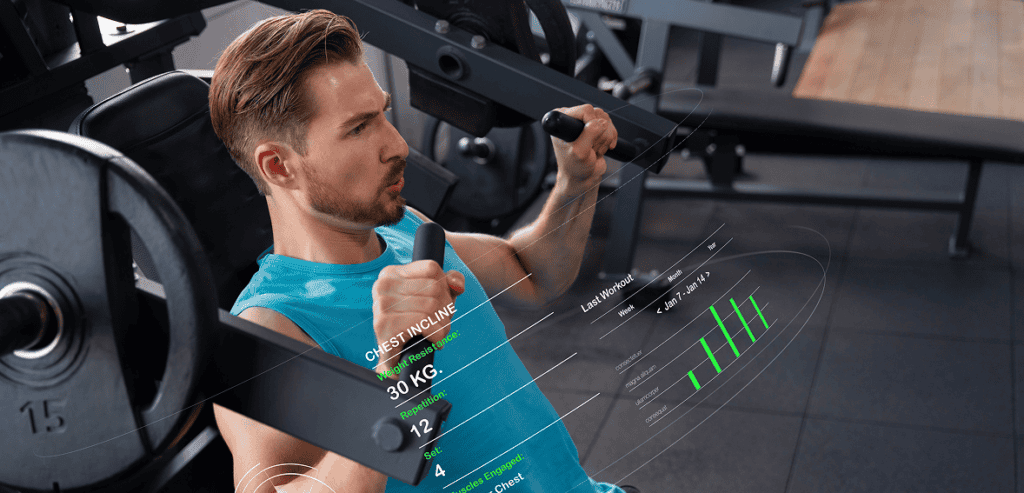
Some of the biggest hidden costs in gym operations revolve around administrative work. Manual billing follow-ups, schedule changes, attendance tracking, and reporting can take hours every week. Automation simplifies these by handling them in the background with little to no human intervention. Automated billing systems reduce missed payments thanks to reminders, retried failed transactions, and real-time status updates of member accounts. This improves cash flow while eliminating awkward conversations at the front desk.
Class scheduling automation prevents double bookings, manages waitlists, and updates availability instantly when changes occur. Members benefit from clearer information, and staff spend less time correcting errors. Check-in automation also plays a role. Digital check-ins using apps, QR codes, or access controls reduce congestion during peak hours and provide accurate attendance data. Over time, these systems create a reliable operational rhythm that keeps the gym running smoothly even during busy periods.
Member questions are constant. Class timings, pricing options, holiday hours, freezing memberships, or booking policies are asked repeatedly throughout the day. AI-powered chatbots help manage this demand by answering common questions instantly, at any hour. Chatbots do not replace staff interaction for complex or sensitive issues. Instead, they handle straightforward inquiries so staff can focus on conversations that require empathy, judgment, or personalization. For members, this means faster responses and fewer delays. For gyms, it reduces interruptions and improves service consistency.
Virtual assistants can also guide members through basic actions such as booking classes, checking schedules, or updating contact details. When designed well, these tools feel helpful rather than intrusive, especially for members who prefer self-service options.

One of the most powerful uses of AI in gym management is data analysis. Gyms collect large amounts of information such as attendance frequency, class participation, payment behavior, and engagement patterns. AI tools can analyze this data far more effectively than manual reports. Predictive analytics help identify early warning signs of disengagement. For example, a steady decline in visit frequency or missed classes may indicate a member is at risk of canceling.
Rather than reacting after the cancellation request arrives, gyms could intervene earlier with a check-in message, class recommendation, or incentive to re-engage. These insights also help hone programming and scheduling. If some classes retain members better than others or certain time slots perform poorly, management can change its offerings based on actual evidence rather than assumptions.
Human error is unavoidable in manual systems, especially when staff are stretched thin. Automation reduces these risks by standardizing processes. Billing rules are applied consistently. Schedules update automatically. Policies are enforced uniformly. This consistency benefits members as much as staff. Clear expectations, reliable systems, and fewer mistakes create trust. Members feel confident that their accounts are accurate and their bookings are secure. Staff experience less stress because they spend less time fixing avoidable problems. Over time, fewer errors also translate into cost savings. Reduced chargebacks, fewer disputes, and lower administrative workload improve operational efficiency without cutting service quality.

Automation does not reduce the need for staff. It reshapes how staff time is used. When repetitive tasks are automated, employees can focus on higher-value activities such as onboarding new members, providing guidance, managing classes, and building community. This shift improves job satisfaction. Staff are less likely to feel burned out by endless administrative work and more likely to stay engaged in meaningful roles. For gyms, this supports better staff retention and a stronger service culture. Automation also helps managers make better staffing decisions by providing accurate data on peak hours, attendance patterns, and workload distribution. Schedules can be adjusted based on real usage instead of guesswork.
One problem with AI and the use of automation is the loss of the human element. The problem is the opposite in this scenario. By using technology to complete everyday tasks, employees are better placed to interact with members on a personal level. The most successful gyms incorporate AI into their framework to act as an aid to better human interaction rather than an alternative to it. Members are to have access to an actual human being when required. Channels of communication can either foster this trust or induce frustration based on how the technology has been used. The goal is balance. Automation handles scale and consistency, while humans deliver empathy, motivation, and connection. Together, they create a better overall experience.
Implementing AI and automation does not have to be expensive or complex. Many modern gym management platforms include automation features as part of their standard offerings. Gyms can start small by automating one or two high-impact areas such as billing or scheduling before expanding further. The return on investment often comes from saved staff time, reduced errors, improved retention, and better decision making. Even small efficiency gains add up over time, especially for growing gyms. Planning is essential. Clear goals, staff training, and gradual rollout ensure that automation enhances operations instead of disrupting them.
Technology in fitness is evolving quickly, and member expectations are evolving with it. AI and automation are no longer optional tools reserved for large chains. They are becoming practical necessities for gyms of all sizes. Gyms that adopt automation thoughtfully position themselves for long-term sustainability. They operate more efficiently, respond faster to members, and adapt more easily to changing demands. Most importantly, they free their teams to focus on what truly matters: helping members stay active, motivated, and supported.
Consistent communication is essential for keeping members informed and engaged, but manual outreach quickly becomes overwhelming as membership grows. Automation helps gyms maintain regular contact without sounding robotic or impersonal. The key lies in setting up communication triggers that are timely, relevant, and supportive. Automated messages can be used for welcome emails, class reminders, payment confirmations, and milestone check-ins. When a new member joins, an automated welcome sequence can introduce gym policies, highlight beginner-friendly classes, and explain how to get support. This reduces confusion during the critical early weeks and sets expectations clearly.
Automation also means no member falls through the cracks. If a person hasn’t checked in for two weeks, a gentle reminder can urge them to come back. When a class is suddenly canceled, immediate notifications avoid frustration. These messages should always be customizable so gyms can have their own voice and tone. The best strategy combines automation with human follow-up. Staff can jump in for personal outreach when a system flags a person who is seriously disengaging or ignoring messages. When used thoughtfully, automation enhances communication, instead of replacing it with meaningful interactions.
One of the biggest advantages of AI-driven systems is access to real-time operational data. Instead of relying on monthly reports or gut instinct, gym owners can see what is happening inside their business day by day. This visibility supports faster and more confident decision making. Real-time insights help managers identify peak usage hours, underutilized classes, and staffing inefficiencies. If certain time slots consistently run empty, schedules can be adjusted quickly. If specific programs show strong retention impact, they can be expanded or promoted further.
Financial insights also improve accuracy. Automated tracking of revenue, attendance, and labor costs allows gyms to understand profitability by service type instead of looking only at overall numbers. This makes budgeting more precise and helps prevent costly assumptions. Data-driven decisions reduce risk. Instead of guessing what members want, gyms can respond to actual behavior patterns. Over time, this approach leads to smarter growth, better resource allocation, and fewer reactive changes that disrupt operations.
Growth is a positive goal, but it often brings operational strain. As memberships increase, manual systems struggle to keep up. Automation allows gyms to scale without proportionally increasing administrative workload or staffing costs. When systems handle billing, scheduling, reporting, and basic communication automatically, growth does not create chaos. New members can be onboarded smoothly, class demand can be managed efficiently, and records stay accurate even as volume increases. Scalability also supports consistency. Whether a gym grows from 200 to 500 members or adds new programs, automated workflows ensure that policies, pricing rules, and communication standards remain consistent. This protects the brand experience and reduces internal confusion.
For multi-location gyms or those planning expansion, automation becomes even more valuable. Centralized systems allow management to monitor performance across locations without duplicating effort. Growth feels controlled rather than overwhelming, allowing leadership to focus on strategy instead of paperwork.
As gyms adopt more advanced technology, ethical use becomes an important consideration. Members trust fitness facilities with personal data related to health, habits, and payment information. AI systems must respect that trust through transparency and responsible use. Gyms should clearly explain what data is collected and how it is used. Members should understand that analytics exist to improve service and support engagement, not to monitor behavior unfairly. Consent and privacy safeguards should be standard, not optional.
In ethical use of AI, one must prevent over-automation. Not all engagements must be automated, particularly in cases that are sensitive, such as for injured follow-ups or account disputes. There must be clear escalation to human representatives to prevent depriving people of empathy. In gyms, when a clear message about the use of technology to enhance services is delivered, users will find no issues with the adoption of such technology. Trust grows when systems feel supportive rather than intrusive. Ethical implementation ensures that automation strengthens relationships instead of weakening them.
In the end, AI and automation are not about turning gyms into cold, tech-driven spaces. They are about creating breathing room. When routine tasks run quietly in the background, gym owners and staff gain time, clarity, and energy to focus on people. Members feel the difference through smoother experiences, faster support, and more thoughtful engagement. Used responsibly, technology strengthens trust rather than replacing connection. As fitness businesses continue to evolve, the gyms that blend smart systems with genuine human care will stand out. They will not just operate better, they will build stronger communities that keep members coming back.
What can AI do for a gym in practical terms?
AI can automate routine tasks such as billing reminders, scheduling confirmations, and basic member support. It can also analyze data to identify trends and risks, helping gyms make smarter decisions.
How does automation improve daily operations?
Automation reduces manual work, minimizes errors, and keeps systems consistent. This leads to smoother workflows, faster service, and better use of staff time.
Are members comfortable interacting with AI tools?
Most members appreciate quick responses for simple questions, as long as there is an easy option to reach a human when needed.
Can AI really help with member retention?
Yes. By identifying early signs of disengagement and enabling timely outreach, AI supports proactive retention efforts rather than reactive ones.
Is AI implementation expensive for small gyms?
Not necessarily. Many platforms offer built-in automation features that are affordable and scalable, allowing gyms to start small and expand as needed.

250 Corporate Blvd
Suite L
Newark, DE 19702


250 Corporate Blvd Suite L Newark, DE 19702
