




Running a modern gym involves far more than training floors and class schedules. Owners and managers juggle billing, member inquiries, staff coordination, retention efforts, and data tracking every day. As member expectations rise and competition increases, efficiency has become just as important as experience. This is where AI and automation are beginning to reshape gym management in meaningful ways. Automation is not about replacing people. It is about removing repetitive tasks that drain time and energy, so staff can focus on building relationships, coaching members, and maintaining a welcoming environment. When implemented thoughtfully, AI-driven tools can improve accuracy, speed, and consistency across daily operations while also enhancing the member experience.
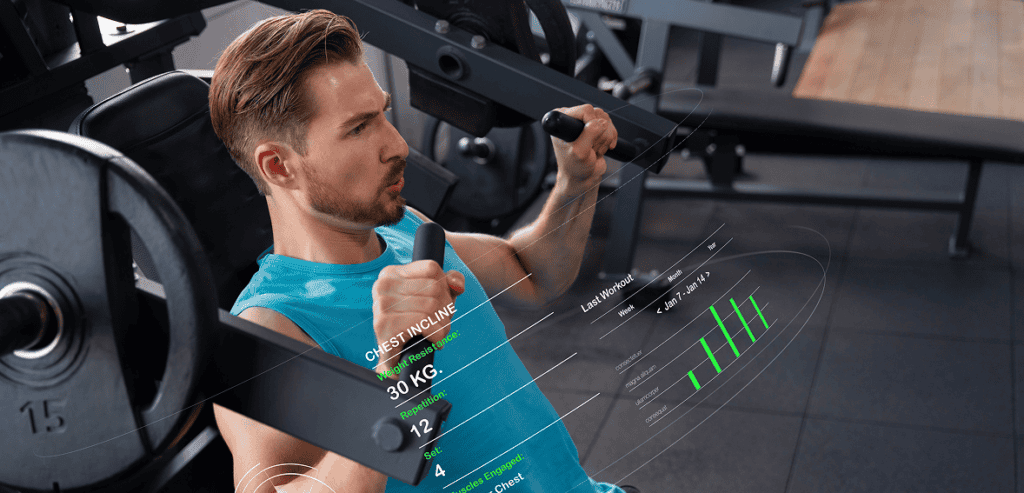
Some of the biggest hidden costs in gym operations revolve around administrative work. Manual billing follow-ups, schedule changes, attendance tracking, and reporting can take hours every week. Automation simplifies these by handling them in the background with little to no human intervention. Automated billing systems reduce missed payments thanks to reminders, retried failed transactions, and real-time status updates of member accounts. This improves cash flow while eliminating awkward conversations at the front desk.
Class scheduling automation prevents double bookings, manages waitlists, and updates availability instantly when changes occur. Members benefit from clearer information, and staff spend less time correcting errors. Check-in automation also plays a role. Digital check-ins using apps, QR codes, or access controls reduce congestion during peak hours and provide accurate attendance data. Over time, these systems create a reliable operational rhythm that keeps the gym running smoothly even during busy periods.
Member questions are constant. Class timings, pricing options, holiday hours, freezing memberships, or booking policies are asked repeatedly throughout the day. AI-powered chatbots help manage this demand by answering common questions instantly, at any hour. Chatbots do not replace staff interaction for complex or sensitive issues. Instead, they handle straightforward inquiries so staff can focus on conversations that require empathy, judgment, or personalization. For members, this means faster responses and fewer delays. For gyms, it reduces interruptions and improves service consistency.
Virtual assistants can also guide members through basic actions such as booking classes, checking schedules, or updating contact details. When designed well, these tools feel helpful rather than intrusive, especially for members who prefer self-service options.

One of the most powerful uses of AI in gym management is data analysis. Gyms collect large amounts of information such as attendance frequency, class participation, payment behavior, and engagement patterns. AI tools can analyze this data far more effectively than manual reports. Predictive analytics help identify early warning signs of disengagement. For example, a steady decline in visit frequency or missed classes may indicate a member is at risk of canceling.
Rather than reacting after the cancellation request arrives, gyms could intervene earlier with a check-in message, class recommendation, or incentive to re-engage. These insights also help hone programming and scheduling. If some classes retain members better than others or certain time slots perform poorly, management can change its offerings based on actual evidence rather than assumptions.
Human error is unavoidable in manual systems, especially when staff are stretched thin. Automation reduces these risks by standardizing processes. Billing rules are applied consistently. Schedules update automatically. Policies are enforced uniformly. This consistency benefits members as much as staff. Clear expectations, reliable systems, and fewer mistakes create trust. Members feel confident that their accounts are accurate and their bookings are secure. Staff experience less stress because they spend less time fixing avoidable problems. Over time, fewer errors also translate into cost savings. Reduced chargebacks, fewer disputes, and lower administrative workload improve operational efficiency without cutting service quality.

Automation does not reduce the need for staff. It reshapes how staff time is used. When repetitive tasks are automated, employees can focus on higher-value activities such as onboarding new members, providing guidance, managing classes, and building community. This shift improves job satisfaction. Staff are less likely to feel burned out by endless administrative work and more likely to stay engaged in meaningful roles. For gyms, this supports better staff retention and a stronger service culture. Automation also helps managers make better staffing decisions by providing accurate data on peak hours, attendance patterns, and workload distribution. Schedules can be adjusted based on real usage instead of guesswork.
One problem with AI and the use of automation is the loss of the human element. The problem is the opposite in this scenario. By using technology to complete everyday tasks, employees are better placed to interact with members on a personal level. The most successful gyms incorporate AI into their framework to act as an aid to better human interaction rather than an alternative to it. Members are to have access to an actual human being when required. Channels of communication can either foster this trust or induce frustration based on how the technology has been used. The goal is balance. Automation handles scale and consistency, while humans deliver empathy, motivation, and connection. Together, they create a better overall experience.
Implementing AI and automation does not have to be expensive or complex. Many modern gym management platforms include automation features as part of their standard offerings. Gyms can start small by automating one or two high-impact areas such as billing or scheduling before expanding further. The return on investment often comes from saved staff time, reduced errors, improved retention, and better decision making. Even small efficiency gains add up over time, especially for growing gyms. Planning is essential. Clear goals, staff training, and gradual rollout ensure that automation enhances operations instead of disrupting them.
Technology in fitness is evolving quickly, and member expectations are evolving with it. AI and automation are no longer optional tools reserved for large chains. They are becoming practical necessities for gyms of all sizes. Gyms that adopt automation thoughtfully position themselves for long-term sustainability. They operate more efficiently, respond faster to members, and adapt more easily to changing demands. Most importantly, they free their teams to focus on what truly matters: helping members stay active, motivated, and supported.
Consistent communication is essential for keeping members informed and engaged, but manual outreach quickly becomes overwhelming as membership grows. Automation helps gyms maintain regular contact without sounding robotic or impersonal. The key lies in setting up communication triggers that are timely, relevant, and supportive. Automated messages can be used for welcome emails, class reminders, payment confirmations, and milestone check-ins. When a new member joins, an automated welcome sequence can introduce gym policies, highlight beginner-friendly classes, and explain how to get support. This reduces confusion during the critical early weeks and sets expectations clearly.
Automation also means no member falls through the cracks. If a person hasn’t checked in for two weeks, a gentle reminder can urge them to come back. When a class is suddenly canceled, immediate notifications avoid frustration. These messages should always be customizable so gyms can have their own voice and tone. The best strategy combines automation with human follow-up. Staff can jump in for personal outreach when a system flags a person who is seriously disengaging or ignoring messages. When used thoughtfully, automation enhances communication, instead of replacing it with meaningful interactions.
One of the biggest advantages of AI-driven systems is access to real-time operational data. Instead of relying on monthly reports or gut instinct, gym owners can see what is happening inside their business day by day. This visibility supports faster and more confident decision making. Real-time insights help managers identify peak usage hours, underutilized classes, and staffing inefficiencies. If certain time slots consistently run empty, schedules can be adjusted quickly. If specific programs show strong retention impact, they can be expanded or promoted further.
Financial insights also improve accuracy. Automated tracking of revenue, attendance, and labor costs allows gyms to understand profitability by service type instead of looking only at overall numbers. This makes budgeting more precise and helps prevent costly assumptions. Data-driven decisions reduce risk. Instead of guessing what members want, gyms can respond to actual behavior patterns. Over time, this approach leads to smarter growth, better resource allocation, and fewer reactive changes that disrupt operations.
Growth is a positive goal, but it often brings operational strain. As memberships increase, manual systems struggle to keep up. Automation allows gyms to scale without proportionally increasing administrative workload or staffing costs. When systems handle billing, scheduling, reporting, and basic communication automatically, growth does not create chaos. New members can be onboarded smoothly, class demand can be managed efficiently, and records stay accurate even as volume increases. Scalability also supports consistency. Whether a gym grows from 200 to 500 members or adds new programs, automated workflows ensure that policies, pricing rules, and communication standards remain consistent. This protects the brand experience and reduces internal confusion.
For multi-location gyms or those planning expansion, automation becomes even more valuable. Centralized systems allow management to monitor performance across locations without duplicating effort. Growth feels controlled rather than overwhelming, allowing leadership to focus on strategy instead of paperwork.
As gyms adopt more advanced technology, ethical use becomes an important consideration. Members trust fitness facilities with personal data related to health, habits, and payment information. AI systems must respect that trust through transparency and responsible use. Gyms should clearly explain what data is collected and how it is used. Members should understand that analytics exist to improve service and support engagement, not to monitor behavior unfairly. Consent and privacy safeguards should be standard, not optional.
In ethical use of AI, one must prevent over-automation. Not all engagements must be automated, particularly in cases that are sensitive, such as for injured follow-ups or account disputes. There must be clear escalation to human representatives to prevent depriving people of empathy. In gyms, when a clear message about the use of technology to enhance services is delivered, users will find no issues with the adoption of such technology. Trust grows when systems feel supportive rather than intrusive. Ethical implementation ensures that automation strengthens relationships instead of weakening them.
In the end, AI and automation are not about turning gyms into cold, tech-driven spaces. They are about creating breathing room. When routine tasks run quietly in the background, gym owners and staff gain time, clarity, and energy to focus on people. Members feel the difference through smoother experiences, faster support, and more thoughtful engagement. Used responsibly, technology strengthens trust rather than replacing connection. As fitness businesses continue to evolve, the gyms that blend smart systems with genuine human care will stand out. They will not just operate better, they will build stronger communities that keep members coming back.
What can AI do for a gym in practical terms?
AI can automate routine tasks such as billing reminders, scheduling confirmations, and basic member support. It can also analyze data to identify trends and risks, helping gyms make smarter decisions.
How does automation improve daily operations?
Automation reduces manual work, minimizes errors, and keeps systems consistent. This leads to smoother workflows, faster service, and better use of staff time.
Are members comfortable interacting with AI tools?
Most members appreciate quick responses for simple questions, as long as there is an easy option to reach a human when needed.
Can AI really help with member retention?
Yes. By identifying early signs of disengagement and enabling timely outreach, AI supports proactive retention efforts rather than reactive ones.
Is AI implementation expensive for small gyms?
Not necessarily. Many platforms offer built-in automation features that are affordable and scalable, allowing gyms to start small and expand as needed.

Every gym experiences predictable cycles throughout the year. Membership interest peaks in January, steadies through spring, dips during summer, and fluctuates again around holidays. These shifts are not signs of poor performance but natural patterns tied to weather, travel, school schedules, and lifestyle changes. The real challenge for gym owners is not avoiding seasonality altogether, but learning how to manage it so that quieter periods do not erode revenue, engagement, or morale.
Seasonal slumps can slowly weaken a gym if left unaddressed. Reduced foot traffic often leads to lower energy on the floor, declining class attendance, and increased risk of cancellations. However, gyms that plan ahead and adapt their offerings throughout the year can maintain momentum even during slower months. By aligning programs, communication, and flexibility with seasonal realities, gyms can keep members engaged year-round and stabilize long-term retention.

Human nature is a major influence on gym seasonality trends. January is often characterized by a large influx of members as the new year provides them a fresh start with their fitness commitments. However, as summer approaches, more and more people begin to prioritize traveling for vacations, engaging in outdoor activities, and spending time with their families, causing many to change the way they view fitness as well. Summer members are typically still interested in physical activity, but their workout schedules may be less frequent or less predictable, as the desire to exercise indoors during the summer typically declines. Therefore, it is important for gym owners to be able to determine these trends and anticipate when their business will have to adapt accordingly. Many gyms fall into the trap of keeping the same schedule and expectations year-round, which can create a disconnect during seasonal changes. During times when attendance is low, most gym facilities dramatically decrease their communication or member engagement strategies, inadvertently contributing to increased membership cancellations.
Instead, understanding seasonality helps reframe slower months as opportunities to experiment, strengthen relationships, and support members in different ways. A gym that adapts its rhythm to match member lifestyles builds trust and loyalty, reducing the likelihood that temporary disengagement turns into permanent cancellation.
Summer does not mean members lose interest in fitness; it means they want flexibility and variety. Offering outdoor training options such as bootcamps, running clubs, or mobility sessions allows gyms to meet members where they are. These programs capitalize on good weather while maintaining a connection to the gym community. Family-friendly options also resonate during summer months when children are home from school. Parent-child fitness events, flexible class times, or limited youth programs can help members stay engaged instead of stepping away entirely. Short-term passes or flexible memberships appeal to college students, seasonal workers, or members with irregular summer schedules. These initiatives are not about replacing core offerings but complementing them. Even modest summer programming can preserve routine, reinforce accountability, and remind members that fitness remains part of their lifestyle regardless of season.

The end of the year often brings two extremes: holiday distractions followed by a January surge. During the holiday period, workouts may take a back seat to travel, social commitments, and year-end fatigue. Gyms that acknowledge this reality and offer lighter challenges, flexible attendance goals, or community-focused events tend to retain more members through December. Once January arrives, the challenge shifts to managing increased demand. A surge of new members can strain equipment, classes, and staff if unprepared. More importantly, many of these new members are at high risk of early dropout if they feel overwhelmed or unsupported.
Strategic planning is what connects these two periods. Holiday challenges may revolve around consistency more than intensity, whereas the January onboarding programs ought to emphasize habit formation and setting the right expectations. Fitness centers that consider the New Year as a follow-up to member care rather than a fresh start usually experience higher retention rates long after February.
Consistent communication is one of the most effective tools for managing seasonal slumps. Members are less likely to disengage when they feel informed, supported, and understood. Seasonal check-ins, encouragement messages, and program updates remind members that their gym remains a partner in their fitness journey, even when attendance fluctuates. Flexibility also plays a critical role. Offering temporary freezes, schedule adjustments, or alternative programming prevents members from feeling forced into cancellation when life becomes busy. Special events, workshops, or community challenges during quieter months help maintain emotional connection even if workout frequency decreases. Retention is not just about attendance numbers. It is about maintaining relationships through changing seasons so members return fully engaged when their schedules allow.

One of the most effective ways to manage seasonal slumps is to rely on data rather than instinct. Attendance trends, class participation, membership freezes, and cancellation timing often follow predictable patterns year after year. When gyms analyze this historical data, they gain clarity on when slowdowns typically begin, which member segments are most affected, and which programs lose momentum first. For example, if class attendance consistently drops in late June, that insight allows gyms to introduce alternative programming or promotional engagement earlier in the month. Similarly, tracking freeze requests or reduced visit frequency helps identify members who may need proactive outreach before disengagement becomes cancellation. Data-driven planning turns seasonal dips into manageable phases rather than surprises.
Beyond attendance, data can inform staffing decisions, marketing timing, and budget allocation. Gyms that understand their seasonal rhythm can smooth cash flow, adjust schedules thoughtfully, and avoid reactive cost-cutting that harms member experience. Over time, using data to anticipate seasonal behavior builds operational confidence and ensures the gym remains stable even during quieter months.
However, not every member reacts in a similar fashion. Students, families, professionals, retirees, and heavy travelers have different levels of disruption at different times in a year. It is often a recipe for disappointment when every member is treated the same way in a seasonal low point. It is helpful to divide the membership according to behaviors or usage patterns. Students can be targeted with summer membership plans, which last for a shorter period. Professionals can be treated with flexible membership plans that involve efficient workouts. Families can be addressed through group workouts or class timing changes that consider the school schedules.
Tailored communication also matters. A single generic message rarely resonates with everyone. When gyms align messaging with member needs, engagement feels personal rather than promotional. This approach helps members feel understood instead of pressured, which strengthens trust and long-term loyalty. Seasonal engagement becomes far more effective when gyms acknowledge that different members face different constraints. Segmenting audiences allows gyms to support members realistically, keeping more people connected even when routines change.
Seasonal disengagement does not automatically lead to cancellation, but ignoring it often does. The critical difference lies in how gyms respond when members start showing signs of reduced activity. A member attending less frequently in summer may simply need reassurance, flexibility, or encouragement to stay connected until routines stabilize. Proactive outreach plays a major role here. A simple check-in message, reminder of available options, or invitation to try a different format can prevent small lapses from turning into full disengagement. Members are far more likely to remain loyal when they feel noticed rather than forgotten during quieter periods.
It is also important to normalize seasonal fluctuations rather than frame them as failure. When gyms acknowledge that slower periods are expected, members feel less guilt or pressure about reduced attendance. This emotional reassurance often keeps the relationship intact. By addressing seasonal slumps early and empathetically, gyms protect long-term retention. The goal is not forcing consistency at all costs, but maintaining connection so members return fully engaged when circumstances allow.
A successful season must integrate the messaging and programs offered by the gym with the sentiment experienced by the member throughout the year. January motivation comes through the lenses of ambition and goal orientation, whereas the desire for flexibility, enjoyment, or balance resonates during the summer season. Holiday seasons emphasize stress relief or maintenance and not necessarily transformation. A gym can begin to feel more relevant or accessible by speaking the language and speaking it with the right tone. For instance, high-intensity challenges may not seem relevant during holidays, whereas a quick or flexible workout or complementing it with the outdoors may work better.
Seasonal alignment also applies to visuals, class descriptions, and internal communication. Small shifts in how programs are framed can significantly impact participation. When members feel that offerings match their current priorities, they are more likely to stay engaged even if attendance frequency changes. By respecting seasonal mindsets rather than resisting them, gyms position themselves as supportive partners. This alignment reinforces trust, strengthens brand perception, and helps smooth engagement throughout the year.
Seasonal dips remain an inevitable fact for most commercial fitness centers. Yet, these phenomena should not be the defining factor in overall business performance. For most fitness centers, an awareness and deliberate response to these inevitable trends mean that off-peak seasons become manageable phases rather than bottleneck finances. Strategies revolve around adapting to predictability, adjusting operational focus according to membership groups at various times, and aligning messaging with seasonal attitudes. Even minimal efforts like incorporating outdoor classes, setting up short-term membership programs, or simply adjusting overall goal formulations during off-peak seasons make substantial contributions to overall retention without necessarily making major adjustments.
Summer brings travel, school breaks, outdoor activities, and competing social events. Many people shift workouts outside or reduce routine consistency. These factors naturally lower gym attendance during warmer months, even among committed members.
Summer engagement works best when gyms adapt rather than resist seasonal habits. Outdoor classes, short-term challenges, flexible memberships, referral incentives, and strong communication all help members stay connected without pressure.
Yes, but cautiously. Attendance data should guide decisions. Minor schedule adjustments, combined classes, or alternative programming can reduce costs without harming member experience. Abrupt cuts risk alienating members who remain active.
Preparation is key. Additional beginner classes, clear onboarding processes, and realistic goal-setting help manage crowding and reduce early dropout. Engagement beyond January is just as important as acquisition.
Yes. Seasonal programs keep members engaged during periods when they might otherwise disengage completely. Members who remain connected through slow seasons are significantly less likely to cancel long term.

A gym’s layout influences far more than how the space looks. It shapes how members move, how comfortable they feel, how safe workouts are, and whether people enjoy spending time in the facility. Even well-equipped gyms can struggle with retention if the layout feels cramped, confusing, or intimidating. On the other hand, a thoughtfully designed floor plan can elevate the member experience, reduce friction during peak hours, and support smoother daily operations.
Gym layout design is ultimately about balance. It must support high-energy training while also allowing space for recovery and focus. It should feel open without wasting square footage, and structured without feeling restrictive. By planning equipment placement, traffic flow, lighting, and accessibility carefully, gyms can create environments that work efficiently for staff and feel welcoming to members of all fitness levels.

An effective gym layout requires effective utilisation of the facility’s available space, both in terms of flow and safety. Additionally, being able to easily locate and navigate between different pieces of equipment in a facility is critical to the comfort and enjoyment of your members as well as for their ability to maximise their time. As a result, providing clear lines of sight allows members to re-orient themselves quickly and easily which decreases anxiety for new members while also increasing the overall efficiency of regular members. A major component of flow is based on how members naturally move through a gym. Therefore, in order to reduce the possibility of congestion within your facility, you should look at positioning high-volume traffic areas (entrances, locker rooms, and cardio) in areas that would lower the possibility of members congregating in one place at any given moment. Additionally, congested areas may occur from having walkways that are either too narrow or having equipment that is located too close together, so providing adequate space around your equipment will assist in creating a safe exercise environment and will reduce the likelihood that your members will feel rushed or uncomfortable while exercising.
Safety considerations should guide every design decision. Equipment must be spaced to allow full range of motion, spotting, and emergency access. Flooring should match activity types, with rubberized surfaces under heavy weights and non-slip materials in stretching or functional areas. When safety and flow are prioritized from the start, gyms experience fewer incidents and smoother daily operations.

Zoning divides the gym into purposeful areas based on activity type. Common zones include cardio, strength training, functional training, group exercise studios, and recovery or stretching spaces. Proper zoning reduces confusion and helps members choose workouts more intuitively. Cardio equipment is often placed near windows or entrances to create an open, energetic feel. Strength areas typically require more durable flooring and clear boundaries, especially where free weights are used. Functional training zones benefit from open layouts that support movement in multiple directions, while studios need sound separation and controlled lighting.
Zoning also helps manage noise levels. Loud, high-energy areas can be positioned away from quieter recovery zones. Clear visual cues such as flooring changes, signage, or lighting variations reinforce boundaries without physical barriers. When zones are well defined, members feel more confident using the space, and staff can supervise more effectively.
Beyond equipment placement, environmental elements play a major role in how a gym feels. Lighting affects mood, energy, and safety. Bright, evenly distributed lighting works well in strength and cardio zones, while softer lighting can support stretching or mind-body classes. Avoid harsh glare or shadowy corners, which can feel uninviting or unsafe. Décor and color choices also influence perception. Neutral tones paired with accent colors can energize the space without overwhelming it.
Mirrors don’t just help us see our appearance; they also give a feeling of greater space and light in a room. Mirrors can help with both the physical shape of the room and how big it appears to be when looking at it from inside. The volume and type of music should be adjusted for different areas of the gym, and placing speakers strategically will aid in avoiding any audio interference that could be distracting. The atmosphere of a gym should clearly communicate what the gym is; whether it is focused on maximum results (high performance), social interaction (community), or overall health and well-being (wellness), the gym’s physical environment should consistently communicate that message.
An inclusive gym layout ensures that people of all abilities feel welcome and capable of participating. Accessibility goes beyond basic compliance and considers real-world usability. Walkways should be wide enough for mobility aids, equipment spacing should allow turning and maneuvering, and key areas such as entrances and restrooms should be easy to reach. Providing accessible equipment options and adjustable machines helps accommodate a broader range of members. Clear signage, simple navigation, and beginner-friendly areas reduce intimidation for new or returning exercisers. Inclusivity also includes thoughtful placement of seating, water stations, and recovery spaces so members can rest comfortably when needed. When gyms design with inclusivity in mind, they broaden their appeal and foster a sense of belonging that directly supports long-term retention.
Peak hours test every gym layout. Crowded conditions reveal weaknesses in spacing, circulation, and equipment distribution. Designing with peak demand in mind prevents frustration and safety issues during the busiest times of day. Strategic placement of popular machines reduces crowding. For example, spreading treadmills across multiple rows instead of a single line can improve flow. Open floor space near high-use areas allows members to wait or transition without blocking access. Clear signage and visual organization help members navigate efficiently even when the gym is busy. Designing for peak hours does not mean sacrificing comfort during quieter periods. Flexible spaces that support multiple uses throughout the day help gyms adapt without constant rearrangement.

Smaller gyms face unique challenges but also benefit from greater design flexibility. Every piece of equipment must justify its footprint. Multi-functional machines, modular rigs, and wall-mounted storage maximize usable space without clutter. Vertical space is often underutilized. Wall racks for mats, bands, and weights free up floor space and improve organization. Mirrors, light colors, and smart lighting enhance the perception of openness. Clear scheduling and zoning reduce traffic conflicts when multiple activities occur in the same area. In compact environments, layout discipline is essential. Clean lines, minimal obstacles, and intentional spacing help small gyms feel efficient rather than cramped.
A well-designed gym layout benefits staff as much as members. Clear visibility across the floor allows trainers and front desk teams to supervise activity, assist members, and respond quickly to issues. Logical placement of staff workstations reduces unnecessary walking and improves response times. Storage areas should be accessible without interrupting workouts. Cleaning supplies, towels, and equipment accessories need designated locations to maintain organization. When staff can move efficiently and manage the space easily, service quality improves and operational stress decreases. Layout decisions that support staff workflows ultimately translate into a better member experience.
Gym layouts are not static. Member demographics, training trends, and programming evolve over time. A flexible floor plan allows gyms to adapt without major renovations. Modular equipment, movable partitions, and open zones make it easier to adjust offerings as demand changes. Regularly reviewing how spaces are used helps identify underutilized areas or congestion points. Small adjustments such as relocating equipment, widening walkways, or repurposing zones can significantly improve efficiency. Continuous improvement ensures the layout remains aligned with member needs and business goals.
Visibility plays a critical role in how comfortable and confident members feel inside a gym. When people can easily see where activities are happening and how equipment is arranged, the space feels more intuitive and less intimidating. Poor sightlines, blocked views, or cluttered layouts can create uncertainty, especially for new members who may already feel self-conscious. Clear sightlines help members locate equipment, identify available space, and observe how exercises are performed. This is particularly important in strength and functional training areas, where watching others can help reinforce proper form and build confidence. Open layouts, lower equipment profiles, and strategic mirror placement all contribute to better visual awareness without sacrificing privacy.
Good Operational Visibility enables staff to monitor the floor more efficiently. Trainers and front desk staff can quickly identify safety hazards, assist members quickly, and keep order on the floor without actually walking the floor all the time. Avoid placing tall cabinets or storage, banners and/or partitions in front of windows and sightlines across the major training areas. Gyms that appear more visually open are generally regarded as having a more welcoming and organized atmosphere and being more professionally operated.
Noise is an often-overlooked factor in gym design, yet it significantly impacts member satisfaction. Different training zones naturally generate different sound levels. Cardio machines, group classes, and weight drops can quickly create an overwhelming environment if not planned carefully. Thoughtful layout design helps control noise without relying solely on soundproofing. Separating high-noise zones from quieter areas is a simple but effective strategy. For example, placing group exercise studios away from stretching or recovery spaces reduces disruption. Using rubber flooring in strength areas helps absorb impact noise, while ceiling materials and wall treatments can soften echo and reverberation.
Music zoning is another important consideration. Members generally prefer different sound levels depending on activity type. Overlapping audio sources can cause frustration and sensory overload. Strategic speaker placement and directional sound help maintain distinct zones without excessive volume. When noise is managed intentionally, members are more likely to stay longer, feel less fatigued, and return more consistently.
Even well-designed gyms can feel confusing without clear wayfinding. Signage supports the layout by guiding members smoothly through the space and reducing friction during busy times. This is especially important for larger facilities or gyms offering multiple services. Effective wayfinding includes clear labels for zones, studios, restrooms, locker rooms, and exits. Signs should be visible from key decision points, such as entrances and intersections between zones. Simple language and consistent design make navigation intuitive without overwhelming the visual environment.
Floor markings, color-coded zones, or subtle icons can reinforce spatial organization without relying heavily on text. For new members, good signage reduces anxiety and dependence on staff for directions. For regular members, it improves efficiency and flow during peak hours. Clear wayfinding also supports safety by making emergency exits and protocols easy to identify. When members can navigate confidently, the entire gym experience feels smoother and more professional.
Cleanliness strongly influences how members perceive a gym, and layout decisions directly affect how easy the space is to maintain. Crowded layouts with tight gaps make cleaning difficult and allow dirt and clutter to accumulate unnoticed. Thoughtful spacing improves both hygiene and visual order. Designated storage areas understanding traffic flow keep accessories from piling up in workout zones. Easily accessible cleaning stations encourage members to wipe down equipment after use, reinforcing shared responsibility. Flooring choices also matter. Durable, easy-to-clean surfaces reduce maintenance effort and extend the life of the facility.
Staff members will appreciate that designs that facilitate rapid access to disposal and cleaning supplies may optimize day-to-day business operations. Separate and clearly delineated wet zones, entryways, and training areas will also help minimize cross-contamination and extended usage periods or decreased performance of equipment. Members are more likely to feel safe, welcomed, and trust the facility when they know how clean the facility appearsAll of this will ultimately lead to increased retention due to cleanliness being an unnoticeable but positive contributor to retention through layout.
Gym layout design is a strategic tool that shapes member satisfaction, safety, and operational efficiency. When space is organized with intention, members move confidently, staff work effectively, and the facility feels inviting rather than overwhelming. By focusing on flow, zoning, accessibility, and adaptability, gyms create environments that support both performance and comfort. A well-designed layout is not just a backdrop for workouts. It is a core part of the experience that keeps members coming back.
Q1: Why is gym layout so important?
Layout directly affects how members feel and function in the space. Poor layouts create confusion, crowding, and discomfort, while thoughtful design improves motivation, safety, and retention.
Q2: How should I decide where to place equipment?
Group similar equipment into zones and consider traffic flow. Place high-traffic machines where access is easy and quieter activities in less busy areas. Always maintain clear walkways.
Q3: What are common gym layout mistakes to avoid?
Overcrowding equipment, ignoring safety spacing, poor signage, and failing to plan for peak times are frequent issues. These mistakes reduce comfort and increase risk.
Q4: How can layout design improve inclusivity?
Providing accessible pathways, adjustable equipment, clear signage, and beginner-friendly zones helps members of all abilities feel comfortable and supported.
Q5: Any tips for small studio layouts?
Use multi-purpose equipment, vertical storage, mirrors, and smart lighting. Keep the space uncluttered and schedule activities thoughtfully to manage traffic.
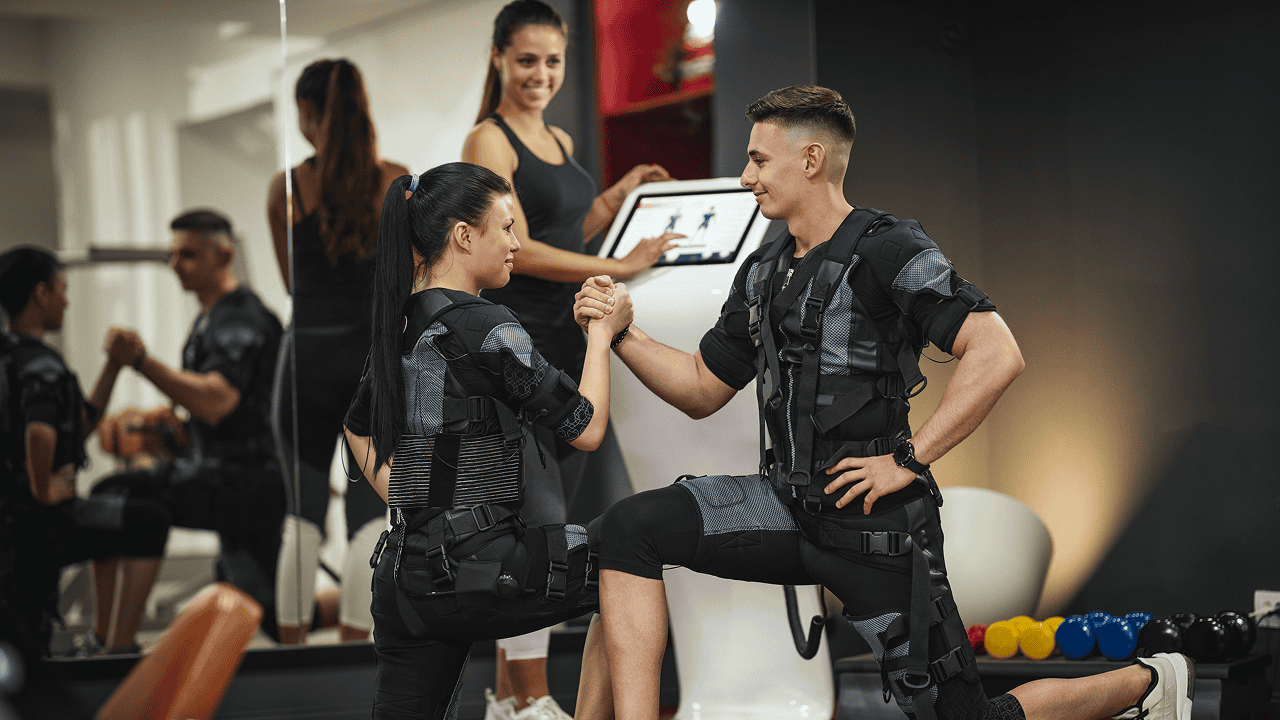
Keeping members motivated over the long term is one of the biggest challenges gyms face. Even highly motivated people can lose momentum when workouts start to feel repetitive or isolating. Gamification offers a practical way to solve this problem by turning fitness into an engaging, goal-driven experience. By introducing challenges, rewards, and friendly competition, gyms can make workouts feel more interactive and enjoyable while encouraging consistent attendance. Gamification does not mean turning your gym into a video game. Instead, it involves using simple game-like elements such as points, milestones, leaderboards, and rewards to reinforce positive behaviors. When implemented thoughtfully, gamification strengthens member engagement, builds community, and supports better retention. It also creates shared experiences that give members reasons to talk about the gym outside its walls, helping drive referrals organically.
Gamification works because it taps into our natural drive to stay motivated. People are really motivated by progress, recognition, and achievement. When people see clear signs of getting better, like earning points or hitting milestones, that feeling of accomplishment makes them want to return. These small wins build consistency, which is essential for forming fitness habits. Competition also matters a lot, even for people who don’t think of themselves as competitive. Friendly challenges create accountability and social motivation. Knowing their participation helps a team goal or shows up on a leaderboard makes members more likely to stick with it. But this competition doesn’t need to be intense. Often, friendly comparison and shared goals work better than aggressive ranking.
Rewards add another layer of motivation. Tangible incentives such as gym merchandise or small perks, combined with recognition, make members feel valued. Over time, these external motivators support internal motivation by helping members associate fitness with enjoyment rather than obligation. The result is higher engagement without adding pressure or guilt.

Challenges are one of the most accessible ways to introduce gamification into a gym. The key is designing challenges that feel achievable, inclusive, and fun rather than intimidating. Popular formats include 30-day consistency challenges, class attendance goals, step-count competitions, or team-based challenges where members work together. Successful challenges focus on participation rather than elite performance. For example, rewarding members for attending a set number of sessions is more inclusive than rewarding only the strongest or fastest participants. This ensures beginners and long-term members feel equally welcome. Team-based challenges also reduce pressure by shifting the focus from individual performance to collective effort.
Clear communication is essential. Members should understand the rules, duration, and rewards from the start. Progress updates during the challenge help maintain excitement and prevent drop-off. When challenges are framed as opportunities for growth and fun rather than tests of ability, participation rates remain high and members associate the gym with positive experiences.

Leaderboards can be powerful motivators when used thoughtfully. They provide visible progress and encourage members to stay engaged by showing how their efforts add up over time. However, leaderboards should highlight participation, consistency, or improvement rather than just top performance to avoid discouraging less advanced members. Many gyms use multiple leaderboard categories to increase inclusivity. Examples include most improved, most consistent attendance, or team contributions. This approach allows more members to see themselves reflected positively.
Progress tracking tools that show individual achievements also reinforce motivation by reminding members how far they have come. Transparency matters. Members should feel that tracking is fair and accurate. When progress data is clear and easy to understand, trust increases and engagement follows. Over time, progress tracking becomes part of the gym’s culture, helping members focus on long-term habits rather than short-term results.
Rewards programs often give gamification its structure; they turn effort into actual benefits. Members earn points for many different actions. Think about check-ins, class attendance, referrals, or finishing challenges, for instance. These points, then, can be used for merchandise, services, or membership perks. The most effective rewards, truly, align with the gym’s brand and its community. Branded apparel, guest passes, or complimentary services do more than just build loyalty; they also promote the gym outside its walls.
Membership-related rewards (like discounts or priority booking) also help keep people committed long-term. But here’s a key point: rewards must be achievable. Programs that feel out of reach quickly lose their appeal. Regular chances to redeem points keep things exciting and members engaged throughout the year. Recognition, in fact, is just as important as physical rewards. Publicly acknowledging member achievements helps them feel truly seen and appreciated, strengthening their emotional ties to the gym.

One risk of gamification is unintentionally excluding certain members. Not everyone enjoys competition, and some may feel discouraged if challenges favor advanced athletes. Inclusive gamification focuses on effort, consistency, and personal progress rather than raw performance. Offering multiple challenge tracks or beginner-friendly options helps broaden participation. Allowing members to opt in or out of leaderboards also respects individual preferences. Feedback plays a critical role.
Listening to members and adjusting formats ensures gamification remains enjoyable rather than stressful. Inclusivity also extends to communication. Gamification should feel supportive, not demanding. When members view challenges as encouragement rather than pressure, engagement increases naturally. Over time, inclusive gamification helps create a welcoming environment where members of all abilities feel comfortable participating.
To be effective, gamification should be evaluated regularly. Tracking participation rates, attendance frequency, and retention trends helps gyms understand what is working. Comparing engagement before and after introducing challenges provides valuable insights into member behavior. Feedback is equally important. Short surveys or informal conversations reveal how members feel about challenges and rewards.
If participation declines or certain members disengage, it may indicate that adjustments are needed. Continuous improvement keeps gamification fresh and relevant. When gamification is aligned with broader retention goals, it becomes more than a novelty. It supports consistent attendance, stronger community bonds, and long-term loyalty. Over time, these benefits contribute directly to a healthier and more resilient gym business.
Not all gym members want the same thing. Some people aim for weight loss; others seek strength gains, stress relief, or simply consistency. Personalized gamification gets this. It matches challenges to individual goals instead of forcing everyone into one competitive system. This makes gamification more relevant and helpful, especially for members who feel overlooked by broad challenges. Therefore, personalized challenges can focus on attendance regularity, personal improvement, or habit building; they don’t have to involve just performance numbers. For instance, a member coming back after a long break might do well with a “10 visits in 30 days” goal. But someone focused on endurance could simply track their cumulative workout minutes.
When members see goals that reflect their intentions, engagement increases because success feels achievable and meaningful. Personalization also reduces intimidation. Members are less likely to compare themselves negatively to others when progress is measured against their own baseline. This fosters intrinsic motivation and builds confidence. Over time, personalized gamification supports long-term behavior change rather than short bursts of participation. By recognizing that progress looks different for everyone, gyms create a more supportive environment where members stay engaged for the right reasons.
Group classes often suffer from uneven attendance, with peak sessions overbooked while others struggle to fill spots. Gamification can help rebalance class participation by encouraging members to explore underutilized sessions. This improves operational efficiency while giving members more variety in their routines. Attendance-based challenges can reward members for trying new class times, instructors, or formats. For example, a “class explorer” challenge might recognize members who attend sessions across different days or times. This nudges behavior without forcing schedule changes. Members feel rewarded for flexibility, and gyms benefit from better class distribution.
Actually, gamification helps cut down on those last-minute cancellations. When people earn points or hit streaks for showing up regularly, they simply won’t skip sessions as often. It’s a psychological thing. That obviously makes classes more reliable, and frankly, it boosts instructor morale. Eventually, steady attendance helps everyone. You get less crowding, yes; but also, class sizes become much more predictable. That means a better experience overall. So, when gyms tie gamification to simply showing up for class (not just hitting physical goals), they really strengthen both member engagement and how smoothly things run. Members get motivated to come often. And in turn, gyms get a much better handle on scheduling and using their resources.
One of the strongest drivers of long-term gym retention is social connection. Gamification can play a powerful role in strengthening relationships between members by creating shared goals and collective experiences. Team-based challenges, group milestones, and community-wide achievements shift focus away from individual outcomes and toward collaboration. When members work together toward a shared target, such as total check-ins or collective workout hours, participation becomes social rather than solitary. This reduces dropout risk, especially for newer or less confident members who may feel isolated. Social accountability encourages consistency without pressure, as members feel supported rather than judged.
Community-focused gamification also encourages organic interaction. Members start conversations around progress, celebrate wins together, and build familiarity beyond their immediate workout circles. This sense of belonging makes the gym feel less transactional and more relational. Over time, strong community bonds become a competitive advantage that is difficult to replicate. Members who feel connected are less likely to cancel, even when motivation dips. Gamification that emphasizes teamwork and shared success helps transform the gym from a place people visit into a community they belong to.
Gamification works, yes, but endless repetition without new twists? That will make people lose interest fast. Members might check out if challenges become too predictable; the rewards may start feeling cheap, too. So, to avoid this ‘gamification fatigue,’ we really need to plan things out carefully and refresh them often. Simply mixing up the challenge formats helps keep everything new. Try individual tasks, then team efforts; sometimes focus on showing up, other times on building habits. This kind of variety keeps people involved and engaged. Actually, seasonal themes or quick campaigns can perk things up quite a bit, and without making members feel swamped. Here’s a key point: not every single challenge has to be a competition. Some, in fact, should just be about taking part, learning something new, or trying things out.
Listening to member feedback is critical. If participation drops or certain groups disengage, it may signal that challenges are too demanding or no longer relevant. Adjusting difficulty levels, timelines, or rewards can restore balance. Offering optional participation ensures gamification remains an enhancement rather than an obligation. Sustainable gamification is not about constant intensity. It is about rhythm, variety, and responsiveness. When gyms treat gamification as an evolving engagement strategy rather than a fixed system, members remain curious, motivated, and willing to participate long term.
Gamification offers gyms a smart way to get members more involved without actually changing their main services. How? By using challenges, leaderboards, and rewards carefully. This helps create a better, more fun environment for members. The real point isn’t just competition; it’s about building connection, encouraging consistency, and celebrating every bit of progress. When used the right way (with inclusivity and balance), gamification makes habits stronger, builds a sense of community, and keeps people coming back. Think about it: gyms that truly focus on fun, achievable goals and real acknowledgement create experiences members genuinely want. They come back for more. In an industry all about motivation, gamification truly turns effort into enjoyment, making workouts feel like shared wins.
1. What does gamification mean in a gym context?
Gamification in a gym involves using game-like elements such as points, challenges, badges, or rewards to encourage participation and consistency. It turns workouts into engaging experiences rather than routine tasks.
2. How do challenges and leaderboards motivate members?
They provide visible progress and social accountability. Seeing achievements or rankings encourages members to stay consistent and feel proud of their efforts, especially when competition remains friendly and inclusive.
3. What are simple ways to start gamifying a gym?
Monthly challenges, attendance milestones, referral rewards, or recognition boards are easy entry points. Even simple tracking and small prizes can significantly increase engagement.
4. Do rewards programs really improve retention?
Yes, when designed well. Rewards reinforce positive behavior, increase visit frequency, and make members feel appreciated, all of which contribute to stronger loyalty.
5. Can gamification discourage some members?
It can if it feels exclusive or overly competitive. Inclusive design, multiple participation levels, and optional involvement help ensure gamification remains motivating rather than intimidating.

Wearable technology has become a defining part of modern fitness culture. From tracking daily steps and heart rate to monitoring recovery, sleep quality, and workout intensity, fitness wearables are no longer niche tools used only by athletes. They are now widely adopted by everyday gym members who want greater insight into their health and performance. For gyms, this shift represents both a challenge and an opportunity. The challenge lies in adapting operations and programming to match evolving member expectations. The opportunity lies in using wearable data to enhance engagement, personalize experiences, and improve retention without undermining the value of in-person training.
Rather than viewing wearables as distractions or competitors to professional coaching, gyms can treat them as complementary tools. When integrated thoughtfully, wearable technology strengthens the relationship between members and their gym by providing actionable insights, reinforcing accountability, and supporting consistent habits. Members increasingly expect their fitness environments to acknowledge and align with the data they already track. Gyms that ignore this reality risk appearing outdated or disconnected from how people actually train today.

Fitness tracking devices have been increasing in popularity at an exponential rate over the last decade. From basic step trackers, the technology has upgraded to the point where it is possible to monitor heart rate variability, intensive exercise zones, recovery cycles, and activity levels. Almost every gym-goer tracks the exercise habits, performances, and levels of other members before heading to the gym. This has brought about a sea change in the way individuals approach their exercise routine. The first reason why the popularity of fitness devices is phenomenal is the immediacy factor. The users get a feedback report on the exercise routine in real time and get a graphical representation immediately after the routine is completed. This motivates the individual in two ways. Firstly, the members get concrete evidence of the effort they have been putting in, and secondly, they get the motivation to meet the targets achieved. Fitness devices give individuals the feeling of autonomy. The members do not have to depend on instructors for information on how well the body is responding to the exercise routine.
Tracking also supports accountability. Members who see gaps in activity are reminded to return, while those who notice progress feel encouraged to continue. For many people, this data becomes part of their identity as someone who values health and consistency. Gyms that recognize and respect this mindset are better positioned to build trust and loyalty. Ignoring wearables can create a disconnect. Members may feel their gym experience exists in isolation from the data they care about most. Embracing wearable technology signals that a gym understands modern fitness behavior and is willing to evolve alongside its members.

The most effective wearable integration does not overwhelm members with information. Instead, it aligns relevant data points with existing gym services. This alignment creates continuity between personal tracking and professional support. For example, wearable data can complement group classes by helping instructors understand how participants respond to different intensities. Rather than guessing whether a class is too challenging or too easy, instructors can adjust pacing based on aggregated trends. Similarly, trainers can use activity patterns to tailor recommendations more accurately.
Alignment also extends beyond workouts. Visit frequency, recovery trends, and consistency patterns provide context that attendance logs alone cannot capture. When a gym understands not just how often members show up but how they engage outside scheduled sessions, support becomes more meaningful. The key is selectivity. Not every data point needs to be integrated. Successful gyms focus on metrics that support safety, motivation, and habit formation rather than attempting to analyze everything.
Integration works best when wearable data flows seamlessly into gym systems without requiring extra effort from members or staff. When syncing is intuitive, adoption increases and friction decreases. Many gyms choose to integrate wearable data with member profiles, allowing activity summaries to appear alongside attendance history or program participation. This creates a more complete picture of engagement. For members, seeing wearable insights reflected within the gym ecosystem reinforces the idea that their efforts are recognized and valued.
And instructors and trainers benefit, too. With access to aggregated data, they can provide guidance with more insight, but without invading personal space. For instance, an understanding of the average heart rate zones during a class can help provide insight into future programming, without exposing individual metrics. Effective integration shuns complexity: If members have to manually upload data or sift through confusing systems, they quit participating. Clarity is the necessary element in bringing about simplicity and clarity.

Personalization is one of the strongest arguments for wearable integration. Members expect experiences tailored to their goals, abilities, and limitations. Wearable data supports this expectation by offering objective insights into how individuals actually train. Trainers can use activity trends to identify undertraining, overtraining, or inconsistent routines. Instead of relying solely on self-reported behavior, guidance is based on real patterns. This leads to safer programming and more realistic goal setting.
Personalization also supports motivation. When members receive feedback that reflects their actual effort, they feel seen rather than generalized. Small adjustments based on data can significantly improve satisfaction and results. Importantly, personalization should feel supportive, not corrective. Wearable data should be used to encourage progress, not to criticize lapses. Tone and intent matter greatly in how insights are communicated.
Early indication of member disengagement is probably the most useful thing that members’ fitness data will offer the fitness center. The reality is that member churn is almost never immediate. It is usually the result of decreased engagement and motivation that happens weeks and even months before the member considers submitting the cancellation request. The good thing about fitness trackers is that they give fitness centers insight into the weeks leading up to the cancellation request and give them the opportunity to reach out and correct the situation before the cancellation is finalized.
Trust is the foundation of any successful wearable integration strategy. Members must feel confident that their data is handled responsibly and used solely to support their goals. Clear consent processes are essential. Members should understand what data is collected, how it is used, and who can access it. Transparency builds confidence and reduces hesitation. Data security is equally important. Wearable data should be stored securely and accessed only by authorized staff. Sharing individual metrics publicly without explicit permission should be avoided. Any competitive features, such as leaderboards, should be opt-in or anonymized. Respecting privacy does not limit effectiveness. In fact, ethical data practices enhance credibility and long-term engagement.
Wearable technology enables creative engagement strategies that go beyond traditional attendance incentives. Challenges based on steps, consistency, recovery, or cumulative effort can motivate members across fitness levels. The most successful challenges prioritize inclusivity. Instead of rewarding only top performers, they recognize participation, improvement, and consistency. Team-based challenges foster social connection and reduce intimidation for beginners. Challenges also provide structure. Members who struggle with motivation benefit from clear goals and timelines. Wearables make tracking progress effortless, reducing barriers to participation. Importantly, challenges should feel optional and fun. Overly competitive or rigid structures risk alienating members who prefer a more relaxed approach.
Wearable data enhances coaching quality when used appropriately. Trainers gain a clearer understanding of how members respond to programs outside scheduled sessions. This insight allows for more accurate adjustments. For example, if recovery data suggests fatigue, trainers can recommend lighter sessions or rest days. If consistency improves, progression can be introduced confidently. Data-informed coaching strengthens trust. Members appreciate guidance that reflects their actual experience rather than generic advice. Over time, this leads to better outcomes and stronger relationships.
One common pitfall of wearable integration is information overload. Too many metrics can overwhelm both members and staff. Successful gyms focus on a small number of meaningful indicators aligned with specific goals. Clarity matters more than volume. Members should understand why certain data points matter and how they support progress. Simplifying insights also improves communication. When staff can explain trends clearly, members are more likely to engage and act.
Evaluating success requires both quantitative and qualitative measures. Metrics such as visit frequency, program participation, and retention trends provide objective indicators. Member feedback offers context and insight into perceived value. Wearable integration should ultimately strengthen the gym experience. If members feel more supported, motivated, and connected, the strategy is working.
Staff training is imperative for successful integration. They should learn how the data can be responsibly decoded. It should teach them how to decode the data effectively and constructively. Empathy and consent should also feature in the training. Wearable data should rather serve as a support tool and not a surveillance device. People should learn how to decode the data with respect.
Wearables should enhance human interaction, not replace it. The most successful gyms use data to inform conversations, not substitute them. Members still value encouragement, expertise, and community. Wearable insights simply provide additional context for these interactions. Maintaining this balance ensures technology serves the relationship rather than dominating it.
Not all members engage with wearables equally. Some embrace tracking enthusiastically, while others prefer minimal data. Flexible integration respects these differences. Participation should be optional, and support should adapt to individual preferences. This flexibility ensures wearables enhance inclusion rather than creating pressure.
Integration with wearables needs to be seen from the lens of a lot SaaS adoption and not something to add as a special feature to fitness centers down the line. As technology keeps advancing, fitness centers also need to keep adjusting to these changing needs and demands down the line and not become rigid due to adoption challenges from the beginning.
Group fitness classes are a core engagement driver for many gyms, yet they are often programmed based on instructor intuition rather than measurable outcomes. Wearable data provides an opportunity to refine class design using real participation and intensity trends. When aggregated responsibly, wearable insights can reveal how different class formats impact member effort, recovery, and consistency. For example, heart rate trends across a HIIT class can indicate whether participants are consistently reaching effective training zones or struggling to keep up. If data shows excessive fatigue or frequent drop-offs mid-session, it may suggest the class intensity needs adjustment. Similarly, step counts or activity levels following certain classes can indicate which formats encourage continued movement versus those that leave members overly exhausted.
This data-driven approach helps gyms optimize class schedules without relying on trial and error. It also supports better instructor feedback, allowing programming changes to be framed around member experience rather than criticism. Over time, wearable-informed adjustments can improve class satisfaction, reduce burnout, and increase repeat attendance. When members feel classes are challenging but achievable, engagement naturally improves.
One of the most practical benefits of wearable integration is its role in injury prevention. Many gym injuries stem from overtraining, inadequate recovery, or pushing intensity beyond safe limits. Wearables offer early indicators of these risks by highlighting patterns such as elevated resting heart rate, reduced recovery quality, or sudden spikes in training volume. When trainers and staff understand how to interpret these signals, they can guide members toward safer choices. This may involve recommending rest days, modifying workouts, or adjusting training frequency. For members returning from injury or managing chronic conditions, wearable data provides reassurance that progress is being monitored thoughtfully.
Importantly, this approach shifts injury prevention from reactive to proactive. Instead of responding only after pain or injury occurs, gyms can help members make informed decisions earlier. This not only reduces liability risk but also builds trust. Members appreciate environments that prioritize long-term health over short-term performance. A gym that uses wearable insights responsibly demonstrates commitment to member well-being rather than just attendance numbers.
Accountability is a powerful motivator, but it must be handled carefully. Wearable data can enhance accountability when framed as supportive insight rather than surveillance. The goal is to help members stay aware of their habits, not to monitor or judge their behavior. When used correctly, wearable insights enable gentle check-ins instead of confrontational conversations. For example, noticing a decline in activity can prompt a supportive message asking how a member is feeling or whether they need help adjusting their routine. This feels collaborative rather than corrective.
Accountability also becomes more effective when members choose how they engage with data. Some may enjoy regular feedback, while others prefer minimal touchpoints. Offering opt-in levels of engagement respects individual preferences and avoids burnout. The most successful gyms use wearable data to reinforce positive behaviors rather than highlight lapses. Celebrating consistency, progress, or recovery improvements creates motivation without pressure. This balanced approach strengthens trust and encourages long-term adherence rather than short bursts of enthusiasm followed by disengagement.
Wearable integration is not just a current trend; it reflects a broader shift toward data-informed health and fitness experiences. As technology continues to evolve, members will expect greater alignment between their personal tracking tools and professional fitness environments. Preparing for this future does not require advanced systems or complex analytics from day one. It begins with establishing clear principles around data use, staff training, and member consent. Gyms that build these foundations early are better positioned to adapt as wearable capabilities expand.
Future-ready gyms also focus on flexibility. New devices, metrics, and platforms will emerge, but the core objective remains the same: supporting healthier habits and stronger engagement. By prioritizing meaningful insights over novelty, gyms avoid chasing trends and instead build sustainable strategies. Ultimately, wearable integration should evolve alongside member needs. Gyms that listen, adapt, and maintain a human-centered approach will continue to thrive as fitness becomes increasingly personalized and data-aware.
Wearable technology is now a permanent part of the fitness landscape. Gyms that integrate it thoughtfully gain powerful tools for personalization, engagement, and retention. Success depends on simplicity, ethics, and human-centered design. By aligning wearable data with professional guidance, respecting privacy, and focusing on meaningful insights, gyms can enhance the member experience without losing what makes in-person fitness valuable. Wearables are not replacements for coaching or community. They are tools that, when used well, strengthen both.
Gyms typically work with activity-related data such as heart rate zones, workout duration, calories burned, step counts, and general activity frequency. Some wearables also provide recovery indicators or sleep summaries, though these should be used cautiously and only with member consent. In a gym setting, this data helps trainers understand effort levels during workouts, identify participation trends, and support members with more appropriate programming. The focus should always be on high-level insights rather than medical interpretation, using the data to guide motivation, safety, and engagement rather than diagnose health conditions.
Q2: How do gyms integrate wearables with their systems?
Wearable integration usually happens through mobile apps, Bluetooth-enabled equipment, or third-party fitness platforms that allow members to connect their devices voluntarily. Once connected, workout data can sync to member profiles or class dashboards. Some gyms display anonymized group data during classes, while others use the information privately for coaching and engagement purposes. Successful integration prioritizes simplicity, clear opt-in processes, and minimal technical friction so members can participate without confusion or setup fatigue.
Q3: What is the main benefit of using wearable data for members?
The biggest benefit is personalization. Wearable data allows workouts to feel more relevant to individual effort levels rather than one-size-fits-all programming. Members gain clearer feedback on progress, intensity, and consistency, which helps reinforce motivation. Trainers can also offer more informed guidance, adjusting recommendations based on real activity patterns. When members feel understood and supported, they are more likely to stay engaged and maintain long-term fitness habits.
Q4: Are there privacy concerns with collecting wearable data?
Yes, and they must be taken seriously. Gyms should clearly explain what data is collected, how it is used, and who can access it. Participation should always be optional, with easy ways to disconnect devices or limit data sharing. Wearable data should be stored securely and never shared publicly without explicit permission. Leaderboards or challenges should be opt-in and anonymized where possible. Respecting privacy builds trust and prevents wearable programs from feeling intrusive.
Q5: Can wearables help with member retention?
Wearables support retention indirectly by increasing engagement and awareness. Members who track progress are more likely to stay consistent and notice improvements. Gyms can also use activity gaps as early indicators of disengagement, allowing timely outreach or encouragement. Group challenges based on wearable data foster community, while personal milestones reinforce commitment. When members feel connected to their progress and supported by data-driven insights, dropout rates tend to decrease.

A gym’s success is shaped not just by its equipment, programs, or location, but by the people who operate it daily. From trainers and coaches to front desk staff and cleaning crews, every team member contributes to the member experience. Well-trained, motivated employees help create a welcoming environment, deliver high-quality instruction, and maintain operational consistency. In contrast, unprepared or disengaged staff can push members away, increase complaints, and damage the gym’s reputation. This is why staff development must be treated as an essential investment, not an optional perk.
The fitness industry is fast, physically demanding, and member-focused. Employees often juggle multiple responsibilities: coaching classes, providing personal training, handling sales inquiries, managing schedules, or responding to facility issues. Clear training, supportive management, and ongoing development prevent burnout and turnover. A strong staff training plan also builds confidence, improves communication, and enhances service quality. When employees feel valued and prepared, they stay longer and create a more proactive and positive culture.

High rates of employee turnover negatively impact both the financial and operational aspects of a gym. The cost of hiring and training is significant, and employees who leave frequently interrupt the continuity of service that members expect; thus, it undermines the relationships that members create with trainers and/or front desk staff. The personality of a group fitness instructor is generally considered by many members to be just as important to their experience as the workout. Consequently, an unstable workforce means that the connection between instructors and members can be disrupted or lost altogether.
Additionally, employee turnover has a direct impact on the daily operations of a gym; managers must continuously recruit and train new employees, create and maintain stable schedules, and ultimately create a weaker culture for the entire workforce. Frequent turnover leads to the disappearance of familiar faces of employees, which can cause members not to trust the gym. Experienced trainers are familiar with each member’s personal goals and limitations, while experienced front desk staff members learn to provide assistance to everyone from beginners to long-time clients. By maintaining a consistent group of employees, mistakes are reduced, consistency is increased, and an overall strong identity for the gym is established.
Onboarding sets the tone for an employee’s experience. A well-structured onboarding program includes facility orientation, equipment training, emergency procedures, and expectations for communication and professionalism. For trainers, ensuring they possess proper certifications such as CPR, first aid, and nationally recognized fitness credentials is essential. Beyond hard skills, customer service training teaches staff how to greet members, handle difficult interactions, and upsell services appropriately.
Ongoing training ensures staff maintain strong technical knowledge and stay updated on industry trends. Workshops on new fitness formats, coaching cues, mobility training, or injury prevention elevate trainers’ expertise. Front desk teams benefit from sessions on administrative software, conflict resolution, and member engagement. Many gyms also support continuing education through certifications or conference attendance. A consistent training program builds team confidence and creates a culture of growth.

Motivated employees provide better service and create a more energetic environment, which members immediately notice. Recognition can be a powerful motivator, especially in a high-energy industry where staff rely on positive feedback. Simple initiatives like “Trainer of the Month,” rewards for outstanding member reviews, shout-outs during team meetings, or bonuses tied to performance metrics help sustain enthusiasm.
Culture plays a central role in motivation. When staff feel included and appreciated, they are more likely to collaborate and stay dedicated to the gym’s mission. Regular team-building events, open communication channels, and opportunities to share ideas empower employees. Offering clear career pathways, such as progressing from instructor to lead trainer, or from front desk associate to operations manager, keeps high performers committed. A strong culture drives not only staff satisfaction but also member loyalty, since members consistently interact with a team that is engaged and enthusiastic.
The fitness industry sees a lot of burnout among its employees. Fitness trainers tend to have long days that start early in the morning and continue through until late at night, often working multiple classes in addition to training clients one-on-one. Front desk personnel are also continuously responding to questions from gym members, resolving complaints and performing routine tasks. Without enough support, everyone on the team can very easily become bored, exhausted and demotivated.
By closely monitoring employee workload and establishing realistic work schedules, gym managers can minimise employee burn-out. Implementing some basic practices: for example; providing an adequate time period between shifts, eliminating consecutive back-to-back classes and allowing trainers the necessary time to prepare for their classes can all greatly reduce the possibility of an employee being burned out, thereby increasing staff retention rates. Furthermore, offering wellness programs; like providing access to gym facilities for personal workouts, creating teams for competition, and implementing support groups, all provide a healthier work environment.
Regular check-ins/progress evaluations also provide an opportunity for managers to identify early indicators of employee fatigue/burnout at the very beginning, helping to keep managers on top of potential issues before they develop into larger problems. When employees feel that their needs are being taken care of, they tend to show up at a higher level for their members and are more likely to stick around for the long term.

Career growth is a major factor in employee retention. Many trainers enter the fitness industry with passion but little guidance on how to build a long-term career. A structured progression plan gives them clarity and motivation. Gyms can define pathways such as junior trainer, senior trainer, lead instructor, fitness director, or specialized program coach. Front desk staff can progress into membership sales, operations management, or customer experience roles. When employees know advancement is possible, they invest more in their work.
Providing leadership development programs, shadowing opportunities, and mentorship enhances the effectiveness of career planning. Trainers may aspire to develop new class formats, spearhead wellness programs, or lead community events. Offering small responsibilities early builds confidence and prepares them for higher roles. Staff are more likely to stay when they see a future at the facility rather than viewing it as a temporary job. Clear growth opportunities transform your gym into a place where employees feel encouraged to evolve professionally.
Strong communication keeps gym staff aligned and reduces misunderstandings. A structured communication system ensures that employees know their schedules, class changes, member requests, and operational updates. Without clear communication, trainers might show up late, cleaning crews may miss areas needing attention, and front desk staff could relay inconsistent information to members. Daily briefings, shared calendars, messaging platforms, and shift reports help maintain clarity.
Regular team meetings allow staff to discuss challenges, highlight member feedback, and propose solutions. Creating opportunities for employees to speak openly fosters trust and enhances collaboration. Written guidelines and checklists ensure that recurring tasks, like equipment checks, class setup, or opening and closing duties, are completed consistently. Effective communication encourages employees to work together seamlessly, which elevates the entire member experience. When staff understand expectations clearly, they perform better and feel more secure in their roles.
Routine performance evaluations help staff understand their strengths and opportunities for improvement. Instead of relying on annual reviews, gyms benefit from quarterly or monthly check-ins that offer actionable feedback. Evaluations should cover customer service, punctuality, class quality, sales performance, and teamwork. Constructive feedback supports professional development and allows employees to correct issues before they affect members.
Positive reinforcement is just as important. When employees excel, acknowledging their efforts boosts morale and encourages continued performance. Managers should provide specific examples rather than general praise to reinforce good habits. Establishing measurable goals, for example, improving class attendance, increasing member satisfaction scores, or enhancing personal training sales, gives staff clear targets. A well-planned evaluation process creates accountability while fostering growth. Employees who feel guided rather than judged are more likely to remain loyal and motivated.
Technical skills can be trained, but personality cannot. Successful gyms hire individuals whose attitude aligns with the facility’s culture. A trainer who is enthusiastic, empathetic, and encouraging can inspire members far more effectively than someone with superior technical knowledge but poor interpersonal skills. Similarly, front desk staff should be friendly, reliable, and patient, as they represent the first and last impression for members.
Hiring for fit means looking beyond resumes. Conducting practical interviews, such as mock class demonstrations or role-play customer interactions, reveals how candidates behave in real-world scenarios. Asking questions about teamwork, conflict resolution, and long-term career goals helps ensure alignment with gym values. Background checks and reference calls further validate a candidate’s reliability. When gyms recruit individuals who naturally align with their mission and culture, training becomes easier, service improves, and member loyalty increases.
Building a strong gym team is about more than hiring capable people. It takes consistent training, a supportive culture, and clear communication. When employees feel valued and have the tools they need, they naturally give better service and build stronger connections with members. Good onboarding, ongoing learning, fair recognition, and opportunities to grow help turn staff into true partners in the gym’s success. A motivated team also keeps members coming back by creating a welcoming atmosphere and maintaining a clean, dependable space. When your staff are energized and supported, the whole gym benefits.
1. Why is staff training important in a gym?
Staff training ensures employees understand how to deliver great member experiences, use equipment safely, and follow operational standards. Well-trained staff feel more confident in their roles, which leads to better service and stronger member satisfaction.
2. How often should gym staff receive training?
Training should begin with a strong onboarding program and continue regularly through monthly workshops, quarterly refreshers, and annual certifications. Consistent development keeps staff updated on new fitness trends and improves overall performance.
3. What skills should gym employees have beyond fitness knowledge?
Employees benefit from strong communication skills, customer service abilities, conflict resolution techniques, and basic sales knowledge. These skills help them manage member interactions effectively and contribute to a positive environment.
4. How can gym owners motivate their staff?
Motivation grows when staff feel valued. Recognition programs, constructive feedback, clear career paths, and opportunities for further education all help employees stay engaged. A positive culture also contributes significantly to motivation and job satisfaction.
5. How does staff retention impact gym success?
High retention helps preserve member relationships and maintains consistent service quality. When staff stay longer, they build trust with members, reduce hiring costs, and contribute to a more stable and supportive environment within the gym.

Running a fitness facility means managing more than equipment, programming, and memberships. Every gym also carries a level of legal and financial risk that must be carefully understood and managed. Whether dealing with everyday slip-and-fall incidents, equipment malfunctions, or health-related emergencies, gym owners must protect themselves with strong liability waivers and proper insurance coverage. Clear agreements, safe operations, and well-documented procedures form the backbone of responsible risk management. Without these safeguards, even a small incident can escalate into costly claims or legal disputes. Navigating gym insurance and liability is not just about avoiding lawsuits. It is about building a stable foundation that keeps your members safe, protects your investment, and ensures long-term business continuity.
Many owners underestimate the importance of legal preparation, assuming waivers alone are enough or believing insurance will handle any situation. In reality, both elements play different but complementary roles. Waivers help set expectations and reduce disputes, while insurance covers financial exposure when accidents occur. A proactive approach that blends both, along with a strong safety culture, helps gyms avoid preventable risks and respond effectively when emergencies happen. Understanding how each element works allows fitness businesses to stay compliant, confident, and fully prepared.
Liability waivers are one of the first lines of defense for gyms because they establish that members understand the inherent risks of physical activity. A well-written waiver clarifies that injuries may occur despite proper supervision and safe conditions. This transparency helps reduce misunderstandings and discourages unnecessary legal claims. Effective waivers also outline member responsibilities, such as using equipment properly, reporting hazards, and following staff instructions. When members acknowledge these expectations, gyms build a shared sense of responsibility that strengthens overall safety.
But waivers aren’t perfect protection. They usually cover typical accidents. Gross negligence is a different story; waivers almost never protect against it. So, gyms can’t just depend on signed papers. They need to keep things safe, check equipment regularly, and make sure everyone follows the safety rules, every single time. Courts often look at whether a gym truly met basic safety standards before deciding if a waiver even matters. That’s why these waivers need yearly checks. This ensures they still fit current operations, new programs, and any changing rules. When used correctly, they really do cut down legal risks; plus, they help build a clear, responsible environment for everyone.

Gyms face a wide range of financial risks, which is why having the right insurance policies is essential. General liability insurance protects against injuries that occur on the premises, such as slips, equipment malfunctions, or accidental harm during workouts. This coverage is considered the minimum requirement for any fitness facility, regardless of size. If your gym offers personal training, coaching, or specialized instruction, professional liability insurance becomes just as important. It protects against claims related to advice, programming errors, or improper instruction.
Think about property insurance: it covers the building itself and all the equipment inside. Without proper protection, things like fires, floods, theft, or vandalism could create huge financial problems suddenly. Also, for gyms with staff, worker’s compensation insurance is almost always required; this covers employees injured while on the job. Many gym owners choose umbrella policies too, which simply raise your overall coverage limits, giving you another layer of financial security when you face a very expensive claim. Frankly, understanding each policy and then matching that coverage to your facility’s specific risks helps your business stay strong and recover from anything unforeseen.
Insurance and waivers are essential, but everyday risk reduction begins with strong operational practices. A clean, well-maintained facility with clear safety procedures significantly reduces the likelihood of accidents. Regular equipment inspections help identify issues like frayed cables, unstable benches, or malfunctioning treadmills before they cause injuries. Preventive maintenance is not simply good practice for equipment longevity; it is a critical component of liability prevention. Documenting inspections, repairs, and safety procedures demonstrates diligence and protects against negligence claims.
Staff training is another cornerstone of risk management. Employees should understand how to handle emergencies, recognize hazards, provide basic first aid, and guide members in safe equipment use. Clear signage, proper lighting, and uncluttered walkways further enhance safety by reducing common risks such as slips or collisions. Health-related emergencies, such as cardiac events, require preparedness. Having AED devices, first aid kits, and staff trained in immediate response can save lives and strengthen your legal defense. Risk management is an ongoing process, and consistent safety habits protect both members and the business.
Even with excellent precautions, accidents may still occur, and gym owners must be prepared with clear response protocols. The first priority in any emergency is ensuring member safety. Staff should immediately assess the situation, provide necessary aid, and call emergency services when needed. Documenting the incident as soon as possible is crucial. This includes member statements, staff observations, equipment conditions, and any factors that contributed to the event. Thorough documentation becomes valuable evidence if a claim arises.
After handling any immediate concerns, gym owners should look closely at their insurance policies. This helps them understand the best way forward. Contacting your insurance provider early prevents delays or misunderstandings during the claims process. Also, be sure to speak with the injured member respectfully and carefully. Clear, compassionate messages help maintain trust, and they avoid saying anything that could be mistaken as admitting fault. If the facility has to close temporarily because of safety issues, let members know right away and explain the next steps; this avoids confusion and frustration. Handling an incident well really shows you’re professional and that you take member well-being seriously.
Regular facility audits are one of the most effective ways to prevent accidents before they occur. A structured audit involves walking through every area of the gym, inspecting equipment, checking flooring conditions, reviewing signage, and evaluating overall safety readiness. These audits help identify hazards such as unstable machines, loose bolts, worn cables, malfunctioning treadmills, slippery surfaces, inadequate lighting, and damaged mats. Many gyms overlook small issues because staff get used to the environment and stop noticing gradual changes. A formal audit schedule ensures nothing is missed and encourages fresh eyes on recurring risks. It also allows owners to document findings over time and track improvements.
When audits are documented consistently, they create a reliable log that can be invaluable during insurance reviews or legal disputes. Audits should cover not just physical equipment but also emergency supplies, first aid kits, AED devices, fire extinguishers, and evacuation path visibility. Involving multiple departments, such as trainers, maintenance teams, and front-desk staff, strengthens the process by incorporating different perspectives. A thorough audit can reveal patterns, such as frequent machine breakdowns in certain areas or repeated wear from specific exercises, allowing gyms to address root causes instead of symptoms. Over time, regular facility audits create safer workout environments and significantly reduce liability exposure.

Staff training plays a critical role in reducing liability risks because team members are the first line of defense against accidents. Employees should understand not only how to use equipment properly but also how to teach members safe form and machine setup. Training programs should include recognizing early signs of equipment malfunction, enforcing safety rules on the floor, and guiding members who appear unsure about how to use a machine. Legal awareness is equally important. Staff should understand what they are permitted to advise, how to avoid making medical or therapeutic claims, and how to respond when a member is injured.
Clear boundaries prevent misunderstandings that may lead to legal complaints. Crisis response training ensures staff know what steps to take during health emergencies, evacuations, or equipment failures. Documentation training is also essential, as inaccurate or incomplete incident reporting can weaken insurance claims and create liability gaps. Regular refresher sessions help reinforce procedures, and new employee onboarding should always include safety and policy training. When staff consistently act with awareness and professionalism, they help prevent lawsuits, protect member safety, and support a strong overall risk management culture inside the gym.

Many gyms actually run into trouble, legally speaking, not from accidents, but because people misunderstand their rules. To fix this, gyms need clear, easy-to-find rules for everything: membership, using equipment, joining classes, guest access, and just general etiquette. These rules cut down on confusion; they also help keep everyone safer. Think about it. Policies should clearly explain what staff and members can expect. This includes details like dress codes, the right shoes, limits in areas for heavy lifting, and how to report any hazards. Also, policies must cover health issues. Members should be responsible for knowing their own physical limits, and they need to confirm that. You can post signs in busy spots; that helps reinforce these points.
For a start, during sign-up, give members detailed digital versions of all policies to ensure they’ve read and agreed to them. Periodic reminders are great too, maybe in emails or app notifications. Even clear policies for cancellations and refunds help. They prevent many disagreements from turning into full-blown legal problems. What’s more, transparent rules for things like reserving classes, sharing equipment, and handling waitlists can stop arguments between members, especially when it’s busy. When gyms share their rules consistently and enforce them fairly, everyone knows what to expect. This makes the environment predictable. Plus, it significantly lowers the chance of arguments growing into formal complaints, ultimately giving the facility much better legal protection.
Accurate digital documentation is essential for managing liability and supporting insurance claims. Gyms should maintain detailed digital records of maintenance logs, equipment inspections, incident reports, staff training certifications, member waivers, and emergency procedures. Storing everything electronically ensures that nothing is lost and that records can be retrieved quickly when needed. In legal disputes, poor documentation is often the biggest weakness, as it becomes difficult to prove that the gym fulfilled its obligations. Digital timestamping adds credibility to reports and maintenance records, demonstrating consistency and professionalism. Documenting minor issues, even if they appear insignificant at the time, helps establish patterns that may later justify equipment replacement or reveal deeper safety concerns. Incident reports should include witness accounts, photos, time of event, equipment conditions, and staff actions taken during and after the event. Storing waiver signatures digitally helps address claims that a member was unaware of risks, while digital training records prove that staff were properly qualified. Comprehensive digital documentation creates a strong legal defense by showing that the gym took all reasonable steps to maintain a safe environment. Over time, this organized record-keeping strengthens risk management and reduces liability.
Q1: What kind of insurance should a gym have?
Gyms should carry general liability insurance, professional liability if offering training, and property insurance for equipment and the facility. Many also choose umbrella policies for extended protection.
Q2: Do liability waivers actually protect my gym?
Waivers help set expectations and reduce lawsuits for ordinary accidents. They do not protect against gross negligence, so maintaining safe conditions remains essential.
Q3: What are common liability risks in a gym?
Slips, equipment injuries, and health incidents are among the most common risks. Poor maintenance or lack of emergency readiness increases liability exposure.
Q4: How often should we update our waivers and policies?
Review waivers annually and whenever services change. Legal requirements evolve, and waivers should reflect current operations and risk areas.
Q5: What if a member gets hurt? Won’t insurance just pay?
Insurance covers many incidents but not all. Claims may be denied if conditions were unsafe or if the incident falls outside policy coverage. Preventive safety measures remain crucial.

Member onboarding is one of the most underestimated drivers of gym retention. Many fitness businesses focus heavily on sales and promotions, only to lose a significant percentage of new members within the first three months. This early drop-off is rarely caused by pricing or facilities. Instead, it stems from uncertainty, lack of direction, and feelings of intimidation in an unfamiliar environment. When new members are left to figure things out on their own, motivation fades quickly. A structured onboarding process replaces confusion with clarity and transforms early enthusiasm into long-term commitment.
The initial ninety days of a membership are the most fragile. Habits have not been formed, confidence is still cultivating, and emotional attachment to the gym is at a bare minimum. This period defines whether a member integrates fitness into their lifestyle or quietly disengages. Effective onboarding for gym members gives guidance, reassurance, and connection in this crucial window. It helps members understand how to use the facility, how to progress toward personal goals, and how the gym fits into their daily routine. When done well, successful onboarding does much more than simply introduce a space. It builds trust, accountability, and lays the foundation for significantly reduced early churn.

First impressions in the gym environment are powerful, as they combine physical, emotional, and social factors. New members experience unfamiliar equipment, new people, and often internal self-doubt about their fitness level. If these impressions are overwhelming or impersonal, members may regret joining within days. On the other hand, a warm, structured greeting will help to signal that support is available and progress can be attained.
Research on retention continually indicates that those members who attend regularly in their first month are much more likely to remain long-term. A portion of this early attendance is driven by onboarding. A clear introduction to class options, workout zones, scheduling expectations, and culture removes hesitation. Members who know where to go and what to do will be more likely to show up consistently. Consistency builds routine and drives habits. Habits are the foundation for retention.
Onboarding also sets expectations. When members understand realistic progress timelines and gym policies early on, misunderstandings decrease. Clear communication reduces frustration related to results, scheduling, or cancellation rules. By addressing these topics upfront, onboarding prevents dissatisfaction later. In essence, the onboarding phase defines how members perceive value, support, and professionalism within the gym.

An effective onboarding program is not a single event. It is a structured journey that unfolds over the first ninety days of membership. This timeline supports habit formation, skill acquisition, and relationship building. The process should begin immediately after signup, not weeks later. The first step is orientation. A comprehensive orientation introduces the facility layout, explains how equipment is used safely, and highlights key programs. This prevents intimidation and reduces injury risk. Orientation is also the ideal moment to explain how the gym supports different fitness goals, from weight loss to strength training or stress reduction. When members understand how the gym aligns with their objectives, motivation increases.
Goal setting should follow orientation closely. A brief consultation allows staff to understand the member’s motivations and constraints. Goals should be realistic, measurable, and aligned with available programs. This transforms the membership from a vague commitment into a personal plan. When members can visualize progress, attendance becomes purposeful rather than optional. Check-ins throughout the ninety-day period reinforce engagement. A short follow-up in the first week confirms that the member feels comfortable. Another check-in at thirty days helps assess consistency and obstacles. A sixty-day touchpoint reinforces progress and encourages continued commitment. These moments of contact signal care and accountability. Members who feel seen are far more likely to stay.

Gyms are social environments, even for members who prefer training independently. Early social connection dramatically increases retention. Staff play a central role in creating these connections, especially during onboarding. Simple gestures, such as greeting members by name or asking about progress, reinforce belonging. When staff recognize new members consistently, the gym feels less anonymous and more supportive. Peer support is equally important. Introducing members to group classes, training partners, or informal gym communities helps reduce isolation. Group environments create accountability and enjoyment, especially during the early phases when confidence is still developing. Members who form relationships are less likely to cancel because leaving the gym also means leaving a social network.
Small gyms and boutique studios hold a natural advantage in this area. Personal interactions feel more authentic and manageable. However, larger gyms can also foster community through structured programs, welcome events, or beginner-focused classes. The key is intentionality. Community does not happen by accident. It must be facilitated during onboarding before disengagement occurs. Tools such as CloudGymManager support onboarding communication and engagement tracking, helping gyms ensure that no new member is overlooked during this crucial period.
Many members quit not because they lack motivation, but because they lack understanding. They may be unsure how to use equipment properly, how often to train, or how to structure workouts. This uncertainty leads to frustration and eventual disengagement. Education is a core pillar of onboarding that directly impacts retention. Teaching members how to navigate the gym empowers them. Equipment demonstrations, safety guidelines, and workout suggestions increase confidence. Educational resources do not need to be complex. Simple explanations delivered at the right time are effective. When members feel competent in the gym environment, anxiety decreases and consistency increases.
Confidence also grows when expectations are managed realistically. New members often overestimate short-term progress. Onboarding discussions should normalize gradual improvement and setbacks. This prevents discouragement when results are slower than expected. Members who understand the journey are more resilient during challenging periods.
Onboarding effectiveness should be measured, not assumed. Data provides insight into which strategies reduce churn and which need improvement. Attendance frequency during the first thirty, sixty, and ninety days is a strong indicator of long-term retention. Members who attend regularly early on are far more likely to renew. Feedback also plays an important role. Short surveys or informal conversations can reveal whether members feel supported, informed, and comfortable. Comparing retention rates between members who completed onboarding and those who did not reveals its true impact. In most cases, the difference is substantial.
Monitoring early cancellations provides additional insights. If members leave within the first three months, understanding why helps refine onboarding strategies. Continuous improvement ensures the program remains effective as member demographics and expectations evolve. Modern systems like CloudGymManager allow gyms to track onboarding completion, attendance patterns, and churn data in one place. This visibility helps owners make informed decisions instead of relying on assumptions.
Onboarding should not exist in isolation. It must align with the gym’s broader retention strategy. Membership structure, class programming, communication cadence, and community initiatives should all reinforce the onboarding experience. When onboarding transitions seamlessly into ongoing engagement, members feel continuity rather than disruption.
Retention is built through consistent experiences. If onboarding promises guidance and support, those qualities must continue beyond the first ninety days. Follow-up programs, progress tracking, and community events all contribute to long-term satisfaction. Gyms that view onboarding as the foundation of retention, rather than a short-term task, achieve stronger and more predictable membership stability.
One of the biggest hidden threats to retention in the early stages of membership is intimidation. Many new members feel out of place, unsure of where to begin, and worried about being judged due to their fitness level or lack of experience. This hesitation often leads to inconsistent attendance, which quickly turns into disengagement. A strong onboarding program reduces intimidation by taking away uncertainty and replacing it with familiarity. It’s important to create beginner-friendly experiences. Clearly defined starting areas, labeled workout zones, and introductory programs help new members feel welcomed instead of overwhelmed. Staff should proactively check in with new members during their first few visits, even with simple encouragement or guidance. These small interactions greatly reduce anxiety and build reassurance that support is available.
Visual cues prove important. Signs, instructional posters, and easy-to-see staff aid orientation and prevent the feeling of being lost. Beginner classes or workouts indicate a concern for safety and welcoming. Where gyms take the time to thoughtfully create experiences that are comfortable and make sense, new members are likely to regularly come back. Early intimidation reduction creates confidence, and confidence is the source from which consistent commitment flows.
Habits are what drive retention, not motivation alone. Often, new members start with high motivation, but consistency only develops when fitness becomes part of routine. Onboarding should be designed with intention to support this habit formation through the first ninety days. This requires structure, repetition, and reinforcement, starting with realistic attendance scheduling. Instead of suggesting daily workouts, onboarding discussions should focus on sustainable frequency, such as two to three sessions per week. When members succeed at achievable goals, confidence grows and dropout risk decreases. Early wins reinforce positive behaviour and make attendance feel rewarding instead of stressful.
Routine cues help, too: encouraging members to come in at the same time or on the same days every week builds predictability. Reminders, check-ins, and progress recognition reinforce these routines. When going to the gym becomes automatic, not a matter of willpower, members are far more likely to sustain over the long term. Habit formation doesn’t need fancy systems. It requires purposeful onboarding conversations that lead with sustainability over intensity. Gyms that get their members to create habits, instead of pursuing short-term goals, experience better overall engagement and far lower early churn.
Many gyms lose members not because of lack of interest, but because onboarding ignores real-life constraints. Time availability, work schedules, family responsibilities, and energy levels all influence attendance. Effective onboarding takes these factors seriously and adapts guidance accordingly. During initial consultations, staff should explore when and how members realistically plan to attend. This allows recommendations to align with actual lifestyles rather than ideal scenarios. Suggesting programs or schedules that fit naturally into a member’s routine increases follow-through. When fitness feels manageable, participation becomes consistent.
Lifestyle alignment also includes acknowledging barriers. Travel, shift work, childcare responsibilities, or recovery limitations should be addressed openly. Offering flexible alternatives makes members feel understood rather than pressured. Members who feel supported are more likely to stay, even when attendance fluctuates occasionally. Onboarding is not about enforcing compliance. It is about collaboration. When gyms respect individual constraints and tailor guidance accordingly, members develop trust. That trust strengthens commitment and drastically reduces early cancellation driven by guilt, frustration, or perceived failure.
Silent dropout is the most damaging kind of churn. Members simply stop attending, never formally quit, become detached emotionally, and are lost without any feedback on their experience. Onboarding should actively work to avoid this by not letting communication fall during the earliest parts of membership. Early engagement sends a signal that attendance is important and that the gym will notice if members don’t show up. Simple outreach after missed sessions, friendly check-ins, or words of encouragement help connect members to the facility even during periods when they aren’t attending as much. The goal isn’t pressure; it’s presence. Members are more likely to come back instead of drifting further and further away when they feel wanted.
Proactive engagement identifies problems early. If a member stops coming because of injury, schedule issues, or discomfort, catching those issues early prevents full disengagement. Most leave simply because no one followed up. Successful onboarding assumes challenges will occur. Rather than wait for members to fail, it builds out safety nets that keep lines of communication open. Preventing silent dropout is more cost-effective than replacing lost members, and it bolsters long-term retention across the entire membership base.
Optimizing gym member onboarding is one of the most effective ways to improve long-term retention. The first ninety days determine whether members develop confidence, habits, and emotional connection to the gym. A structured onboarding program that includes orientation, goal setting, staff engagement, and regular check-ins reduces early dropout and builds loyalty. When members feel supported and informed, they are more likely to attend consistently and view the gym as part of their identity. Onboarding transforms a transactional signup into a relational journey. With the right systems and intentional design, gyms can significantly reduce churn and increase lifetime member value. Tools like CloudGymManager help make this process consistent and measurable, ensuring that every new member receives the guidance needed to succeed.
Q: Why is gym member onboarding so important?
Because the initial experience often determines whether a member feels confident and supported. Strong onboarding reduces intimidation and increases early engagement, which boosts retention.
Q: What should a good onboarding program include?
A facility orientation, equipment guidance, personal goal setting, and scheduled follow-ups in the first ninety days. These elements help members build consistency and confidence.
Q: How does onboarding improve member retention?
It helps members form habits and relationships early. When people understand how to succeed in the gym, they are far less likely to quit within the first three months.
Q: Should small gyms invest in formal onboarding?
Yes. Personal attention and structured guidance are often easier to implement in smaller gyms and can dramatically reduce early cancellations.
Q: How can we measure whether our onboarding is working?
Track attendance frequency, early churn rates, and feedback from new members. Comparing retention between onboarded and non-onboarded members provides clear insight.
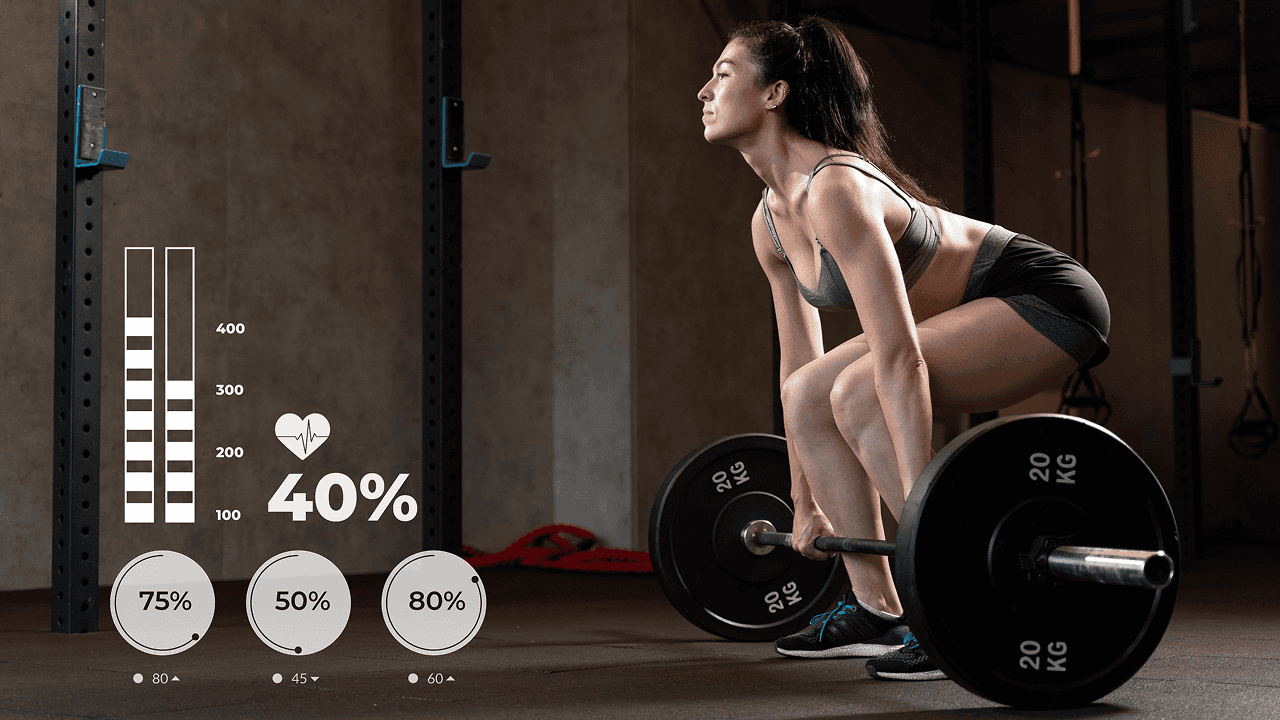
Free trials have become one of the most common acquisition tools in the fitness industry. They remove the fear of commitment, reduce the barrier to entry, and allow prospects to experience the facility before making a financial decision. Yet despite their popularity, most gyms struggle to convert trial members into paying customers. Industry averages show trial conversion rates hovering around twenty five to thirty five percent. Many gyms fall short of even this benchmark, converting only fifteen to twenty percent of prospects. At the same time, the most optimized trial systems convert at forty percent or higher. The difference lies in trial structure, experience quality, communication strategy, and follow up execution.
A trial is not simply free access. It is a conversion funnel. It introduces prospects to the gym’s environment, community, staff, programs, and values. If the experience is unplanned or passive, prospects wander without direction, attend once or twice, and disappear. If the trial is intentional and structured, it creates habit formation and builds emotional connection. A powerful trial system helps prospects feel supported, recognized, and capable. It helps them understand why the gym is the best environment for their goals. To achieve forty percent or higher conversion rates, gyms must refine each step of the process.
A strong gym free trial conversion strategy addresses trial length, onboarding, mid-trial engagement, communication sequence, conversion offer design, and post-trial follow up. Each step contributes to a prospect’s impression. When these elements work together, free trials become one of the highest ROI marketing channels a gym can use. When executed poorly, they become a liability that fills the gym with trial tourists and non serious prospects. Gyms that take a strategic approach consistently outperform their competitors in member acquisition and long term revenue growth.

The first question gym owners ask is: how long should a free trial be? The answer varies by facility type, membership model, and program intensity, but clear patterns have emerged across the industry. Three day trials are generally too short for prospects to form a routine or build meaningful connection. Seven day trials are the most effective for most fitness studios because they balance urgency with enough exposure to classes, coaching, and community. Fourteen day trials may work well for specialized studios focused on coaching heavy programs, but they also risk giving too much time without a commitment. Thirty day trials rarely generate higher conversion and often create complacency, turning the trial into an extended free membership instead of a conversion opportunity.
The structure of trial access also influences conversion. Some gyms allow full access to equipment, classes, and amenities. This strategy helps prospects experience everything the facility offers, but it reduces the sense of urgency to upgrade. Limited access trials focus on specific classes or times, which can increase commitment urgency but may prevent prospects from understanding the full value. A balanced approach provides full access but includes structured touchpoints, such as orientation, goal setting, and scheduled check ins, that guide trial members toward conversion.
Pricing transitions also play an important role. Some gyms require a credit card to activate the trial, which reduces friction at conversion. Others offer low cost paid trials, creating early buy in and reducing non serious trial users. A trial to paid conversion tactic can include limited time pricing, founder’s rates, or exclusive trial-only bonuses. Each strategy supports conversion by connecting the trial experience to a compelling upgrade offer.
Conversion success depends heavily on what trial members experience during their first seventy two hours. This window is critical for shaping impressions and establishing habits. The most effective trial systems require an orientation on day one. During orientation, staff introduce the prospect to the facility layout, explain the membership structure, recommend specific classes or programs, and address any questions. This avoids the common problem where trial users feel lost or intimidated and fail to return.
Goal setting is also essential. When trial members articulate their fitness objectives, the gym becomes personally relevant. A short consultation helps prospects identify desired outcomes such as weight loss, strength improvement, endurance, mobility, or mental well being. With guidance from staff, these goals can be translated into a workout plan for the trial period. When people understand how the gym supports their personal goals, they become more engaged.
Mid trial check ins help maintain momentum. A seven day trial should include a touchpoint around day three or four. This can be a short message asking how the trial is going, acknowledging their effort, or suggesting classes they may enjoy. This simple touchpoint prevents disengagement. Recognition and support create emotional connection and reinforce the trial experience.
Early wins increase conversion likelihood significantly. When prospects see small improvements such as better energy, improved mood, or familiarity with classes, they begin to visualize long term membership. Coaches should acknowledge progress openly. Trial members who feel noticed convert at much higher rates than those experiencing the gym passively.
Community integration is a powerful retention and conversion driver. Encouraging trial users to attend group classes, events, or social gatherings helps them feel included. People join gyms for results but stay for relationships. Introducing trial members to regulars or instructors deepens connection and increases the perceived value of membership.

Every successful free trial system relies on strong communication. Trial members need structured messaging before, during, and after their trial period. A seven day trial should include several strategic communication points. A welcome message or orientation reminder on day one begins the relationship. A mid trial check in around day three maintains momentum. A reminder that the trial is ending one or two days before expiration prepares them for the upgrade conversation. A final message on the last day should present the membership offer clearly.
Follow up messaging is vital for prospects who do not convert immediately. Many people need three to seven days to make a decision. Gyms should deploy a follow up sequence that includes value reminders, class recommendations, success stories, and short-term incentives. Without follow up, the trial lead goes cold quickly and conversion drops significantly.
Analytics play a major role in improving conversion rates. Gyms should track trial attendance, class participation, communication engagement, and conversion outcomes. These metrics reveal bottlenecks and areas for improvement. If attendance is low during trials, fix engagement. If follow up messages show low response, adjust messaging. If conversion dips during certain seasons, refine offers or trial design.
Automated systems such as CloudGymManager provide trial tracking tools that show how many prospects start trials, how many convert, and which communication touchpoints produce the strongest responses. This level of visibility enables gyms to refine their trial funnel continually.
Trust is the foundation of trial conversion. Prospects evaluate whether the gym environment feels welcoming, supportive, and aligned with their goals. When instructors acknowledge their progress, when staff greet them by name, and when the gym feels approachable, trial members become emotionally invested. This emotional engagement matters more than amenities, facility size, or equipment.
Relevance means showing prospects how the gym fits into their lifestyle and needs. Trial systems that personalize recommendations based on goals convert far more reliably. A one-size-fits-all trial experience fails to address individual motivations. The most successful gyms tailor communication, class suggestions, and follow up based on what the member wants.
Support means guiding the trial member through the entire experience. It involves proactive communication, coaching, encouragement, and availability for questions. Supportive trials create confidence. Confident prospects convert.

Several strategic tactics help move trial members from interested to committed. One tactic is offering a limited-time conversion opportunity that creates urgency. Examples include discounted enrollment fees, trial-to-paid membership bonuses, or special rates reserved only for trial participants. Another tactic is the founder’s rate, a pricing model that rewards early adoption and makes prospects feel part of something meaningful.
For prospects hesitant about long commitments, offering a membership pause option reduces fear. If people know they can freeze their membership temporarily, their willingness to convert increases. Another effective strategy is extending the trial by a few days for highly engaged prospects who are close to converting. This brief extension often provides enough time to finalize a decision.
Objection handling is also essential. Common objections include pricing concerns, schedule conflicts, fear of commitment, and uncertainty about results. Staff must address these objections respectfully and consultatively. People convert when they feel understood rather than pressured.
The front desk team, sales staff, and instructors play critical roles in conversion. Staff should understand trial structure, talking points, and conversion scripts. They must know how to greet trial members, support them during workouts, and encourage continued engagement. Staff who know how to build rapport take trial conversion from a transactional moment to a relationship-based decision.
Training staff to recognize trial members and offer personalized guidance enhances their experience. Instructors should offer modifications, encouragement, and follow ups. Front desk staff should ask how their trial is going, remind them of class options, and ensure they understand next steps. Every staff interaction shapes the trial member’s perception.
Communication is not limited to digital channels. Physical touchpoints matter as well. These include welcome boards recognizing trial participants, printed maps of the facility, schedule explanations, and signage that guides prospects through their first workouts. These details reduce confusion and improve confidence.
Some gyms host trial-specific intro classes to introduce movements and ease intimidation. Others hold community events such as member meetups, beginner workshops, or themed classes. These touchpoints help trial members build relationships with instructors and peers, which significantly improves conversion rates.
Conversion is both a rational and emotional decision. Rationally, prospects evaluate pricing, scheduling, convenience, and amenities. Emotionally, they consider whether they feel comfortable, supported, motivated, and capable. The strongest conversion strategies address both layers. Trial members should feel progress and connection early on. They should understand the value proposition clearly. They should imagine themselves as long-term members of the community.
Trial fatigue is a problem when prospects use trials repeatedly without converting. To avoid this, gyms must require orientation, limit trial frequency, and use communication to explain the importance of membership commitment. A structured trial becomes a relationship-building tool, not a free-access loophole.
Optimizing a gym free trial program is one of the most valuable steps a gym can take to increase membership growth. When trials are intentional, structured, and supported with strong communication, gyms convert prospects at forty percent or higher rates. Trial length, onboarding quality, mid-trial engagement, conversion offers, and follow up strategy all contribute to the overall outcome. Gyms that treat trials as a guided experience, rather than a free access pass, create meaningful relationships with prospects.
Systems that support trial tracking and communication make this process significantly easier. CloudGymManager helps gyms manage trial memberships, automate touchpoints, and track conversion data so that trial funnels become predictable and scalable. With the right strategy and tools, gyms transform free trials into one of their highest performing acquisition channels and maintain steady membership growth throughout the year.
Q1: What is the optimal free trial length for gyms
Seven days is the most common and effective length because it provides enough time for habit formation without giving unlimited free access. Three days is often too short, while fourteen days can work for higher commitment studios. Thirty day trials typically reduce urgency.
Q2: What conversion rate should gyms expect from free trials
Industry averages fall between twenty five and forty percent. Well structured trials with strong onboarding and follow up perform at the upper end of this range. Tracking trial performance helps gyms understand which elements influence conversion.
Q3: What level of access should trial members receive
Full access showcases maximum value but may reduce urgency. Limited or class-focused access can increase conversion by encouraging upgrades. The best approach depends on the facility’s model and positioning.
Q4: How often should gyms contact trial members
A structured sequence works best. Send a welcome message on day one, a mid-trial check in around day three or four, a pre-expiration reminder, and an end-of-trial membership invitation. Follow up for several days after expiration.
Q5: What converts hesitant trial members
Clear offers, personalized support, trial extensions for engaged prospects, and addressing objections respectfully all help. People convert when they feel supported, confident, and connected to the gym environment.

Competition with big-box gyms is one of the biggest concerns for independent gym owners and boutique studio operators. Large chains seem to have every advantage: extensive brand recognition, low monthly pricing, high-volume marketing budgets, and wide-ranging amenities that smaller facilities cannot replicate. When a big-box gym opens nearby, many small gym owners fear losing existing members or struggling to attract new ones. The fear is understandable, but the reality is encouraging. Small studios have unique strengths that large gyms cannot copy. Independent facilities can create personal, community-driven, high-engagement environments that make members feel valued, supported, and connected.
Rather than competing on the same battlefield as large chains, small gyms succeed by competing differently. They focus on personalized coaching, specialized programming, authentic relationships, and community belonging. While big-box gyms rely on volume and low-cost access, boutique studios thrive by offering meaningful experiences with higher perceived value. Members who choose smaller gyms often seek more than equipment access. They want accountability, recognition, and purpose in their fitness journey. Understanding these dynamics helps small gym owners approach competition with confidence, knowing that their core strengths form a defensible advantage that large facilities cannot duplicate.
Competing effectively requires clear differentiation, pricing strategy rooted in value rather than cost, strong retention systems, and communications that reinforce why the small gym experience is fundamentally different from the big-box model. When done well, small studios not only survive in competitive markets but often outperform large gyms in member satisfaction, retention, and long-term relationship building.

Small studios excel where large chains struggle. The most important advantage is community. Members of independent gyms often know the staff by name, recognize other members, and feel like part of a familiar group. This sense of belonging increases accountability and encourages consistency. Members are less likely to skip workouts because their absence is noticed. Big-box gyms cannot replicate these relationships because their scale makes interactions impersonal.
Personalization is another major strength. Instructors can observe individual progress, modify workouts as needed, and provide guidance tailored to each member’s goals. Boutique facilities also offer programming that is more focused and specialized than big-box gyms, which typically provide generic classes. Whether the niche is strength training, mobility, Pilates, martial arts, functional fitness, or high-energy group sessions, specialization creates a strong identity that attracts members seeking a specific training style. Because specialized workouts require knowledge and skill, members associate boutique studios with higher expertise.
Small gyms are also far more adaptable. They can adjust schedules, change programs, launch new events, or test new training formats quickly. Big-box gyms require layers of approvals, making experimentation slow. Independent gyms respond directly to feedback. When members suggest new class types or time slots, smaller gyms can accommodate these requests immediately.
Big-box gyms depend on high traffic and peak-time crowding. Many people join with enthusiasm but gradually disappear due to lack of support. As a result, big-box gyms often suffer from low long-term retention rates. Small gyms historically achieve stronger retention because they offer accountability and create strong interpersonal connections. When members feel supported, they renew memberships more consistently.
Small gyms cannot compete with big-box gyms on price and should not attempt to do so. Competing with a ten-dollar membership model is not sustainable. Instead, boutique studios win by offering more value, not lower cost. Value-based pricing communicates that the gym provides something different: expert coaching, specialized training, smaller class sizes, personal attention, and a supportive community.
One strategic approach is to position pricing around results. When members associate membership with progress and transformation, cost becomes secondary. Small gyms can highlight measurable outcomes, such as accountability, tailored programs, and structured pathways to success. These features justify higher pricing.
Tiered pricing is another powerful strategy. Offering multiple membership levels allows members to choose the structure that fits their goals and budget. Options may include class-pack memberships, unlimited memberships, hybrid memberships, specialty programs, or premium coaching bundles. High-value tiers can include assessments, personalized training plans, and additional touchpoints. Lower tiers keep entry accessible without discounting core services.
Small gyms can demonstrate total value by illustrating everything a member gains that large chains often charge extra for, such as coaching support, personalized guidance, community events, and smaller class environments. The key is to communicate benefits, not price comparisons. Showing the difference in experience, rather than the difference in cost, helps members understand that the two gym models serve different purposes.
Small studios also save money by operating efficiently, especially when technology eliminates unnecessary overhead. CloudGymManager can reduce recurring software expenses, allowing independent gyms to invest more in member experience instead of operational costs. When the business allocates resources effectively, it becomes easier to maintain competitive yet sustainable pricing.
Member retention is the real battleground where small gyms can outperform large chains. Big-box facilities lose an estimated forty to fifty percent of members every year because relationships are weak and accountability is minimal. Smaller gyms can achieve retention rates of seventy to eighty percent or more because the member experience feels personal and supportive.
Experience quality begins with the training environment. Members want clean spaces, friendly staff, knowledgeable coaches, and an atmosphere where effort is acknowledged. They also want consistency in class quality and predictable interactions with trainers. Small studios can deliver this because staff and members know one another well. Recognizing members by name and remembering their goals strengthens loyalty.
Group training is a major driver of retention. When workouts are shared experiences, members form social bonds. These relationships anchor members to the facility even when life gets busy. Chains may offer group classes, but instructors often rotate and the scale prevents personal connections. Small studios thrive because members trust their coaches and appreciate the smaller group sizes.
Retention also requires proactive communication. When a big-box gym opens nearby, a small studio can immediately re-engage its members through check-ins, community events, referral incentives, and reminders of what makes the studio unique. This reassurance solidifies loyalty before members start comparing options. Small gyms should also use data-driven tools to identify at-risk members and intervene early with personalized outreach.
Differentiation is the foundation of competing against big-box gyms. Small gyms must define what they do better and communicate it clearly. This begins with identifying core strengths. These may include specialized programming, coaching quality, community-based culture, accountability systems, or unique class formats. Once the differentiators are clear, they should shape the brand’s identity and messaging.
For example, a strength studio may emphasize expert coaching and technique, while a functional fitness gym highlights performance and community. A Pilates studio may focus on precision and restorative training. Each niche creates a natural point of separation from general access gyms.
Consistency is vital. Members must see the differentiation in daily experiences, communication, events, and marketing. Branding should reinforce the value proposition through testimonials, case studies, and member stories. When a gym positions itself convincingly, price becomes less relevant because members associate the experience with identity and results.

Big-box gyms thrive on volume, not loyalty. Their model relies on selling memberships, not ensuring consistent attendance. This leads to low engagement and minimal community building. Small gyms, however, build strong relationships and meaningful engagement. Members stay because they feel seen. They also invest more effort because coaches guide them through structured progression.
Retention increases when staff intentionally interact with members. Small gestures such as greeting members by name, acknowledging milestones, sending helpful messages, or offering guidance during workouts all make a difference. When members feel proud of belonging to a community, switching to a big-box gym becomes unlikely even if it costs less.

The announcement of a new big-box competitor often triggers panic among small gym owners. The instinct is to lower prices or add more services quickly. However, this reactive approach often harms the business more than the competition itself. The right response is strategic, calm, and value-focused.
First, communicate with members proactively. Remind them what makes your studio different. Highlight community, coaching, personalization, and support. Share success stories and reinforce the feeling of belonging. Members will think twice before switching because these qualities are not replicable in large facilities.
Second, double down on quality. Ensure classes start on time, instruction is excellent, and coaching is consistent. Improve small details such as cleanliness, greeting rituals, or member follow ups. When quality becomes exceptional, retention holds strong even during competitive pressure.
Third, run community-building events. These could include small challenges, workshops, social gatherings, themed workouts, or referral drives. When members socialize, loyalty becomes emotional rather than transactional.
Fourth, identify at-risk members through engagement patterns and re-engage them before they explore alternatives. CloudGymManager provides data on member behavior, helping studios identify who may be slipping and intervene with personalized support.
Marketing against big-box gyms requires clear, authentic messaging. Small gyms should never try to mimic chain marketing strategies. Instead, they should emphasize the opposite. Where big-box gyms offer access, small gyms offer coaching. Where big-box gyms offer low cost amenities, small gyms offer accountability. Where big-box gyms offer crowds, small gyms offer community.
Effective marketing messages include themes such as:
Highlighting local values and ownership is particularly powerful. People enjoy supporting businesses that contribute to the community. Use real member stories to demonstrate impact. Authentic content resonates more deeply than polished advertising.
Small studios should also communicate transformation stories regularly. Photos, testimonials, and progress highlights create emotional connection. These messages speak directly to people dissatisfied with the anonymity of big-box experiences.
Independent gyms and boutique studios can compete successfully with large chains when they leverage their strengths and meet members where big-box gyms fall short. By focusing on personalization, community connection, specialized programming, and consistent member support, small gyms create value that large facilities cannot reproduce. Competing with big-box gyms is not about matching amenities or lowering prices. It is about offering an experience that feels meaningful, supportive, and results-driven.
CloudGymManager supports small gyms by reducing operational overhead and enabling data-driven retention strategies. With better insight into member behavior and fewer administrative costs, independent gyms can focus on delivering exceptional service and building the strong community bonds that drive long-term success.

250 Corporate Blvd
Suite L
Newark, DE 19702


250 Corporate Blvd Suite L Newark, DE 19702
