



Keeping existing members engaged is one of the most effective ways to build a healthy and sustainable fitness business. While new sign ups are important, long term success depends on how well a gym retains its current members and makes them feel valued. A well designed gym loyalty program helps strengthen emotional connection, encourage consistent attendance, and reward behaviors that benefit both members and the business. When members feel appreciated rather than taken for granted, they are far more likely to stay, participate, and advocate for the gym within their social circles.
Member rewards are most effective when they are simple, visible, and aligned with what members actually care about. A strong loyalty approach blends tangible benefits with recognition, turning everyday actions like check ins, class attendance, or referrals into positive reinforcement. Fitness membership rewards and VIP gym perks work best when they are positioned as appreciation rather than promotion. Over time, loyalty tiers and thoughtful recognition can transform regular members into long term advocates, making a retention program gym not just a retention tool but a growth driver.
One of the most popular formats for a gym loyalty program is a points-based system. Members receive points for actions such as attending workouts, joining group classes, referring friends, or hitting personal milestones. Those points can then be redeemed for rewards like free shakes, merchandise, guest passes, or service upgrades. This is the idea to encourage behaviors to increase engagement while giving them a little something to look forward to each time they come in.
It is not required that member rewards be costly in order to hold significant meaning. The frequent small rewards keep the motivation high, while the larger milestone rewards give the members a long-term reason to be continuously involved. Fitness membership rewards work effectively when immediate gratification and aspirational benefits are combined together. When loyalty tiers are set up, they add yet another layer of motivation by clearly showing progress and status. A thoughtful points-and-perks structure turns everyday participation into a rewarding experience and strengthens the overall retention program gym.
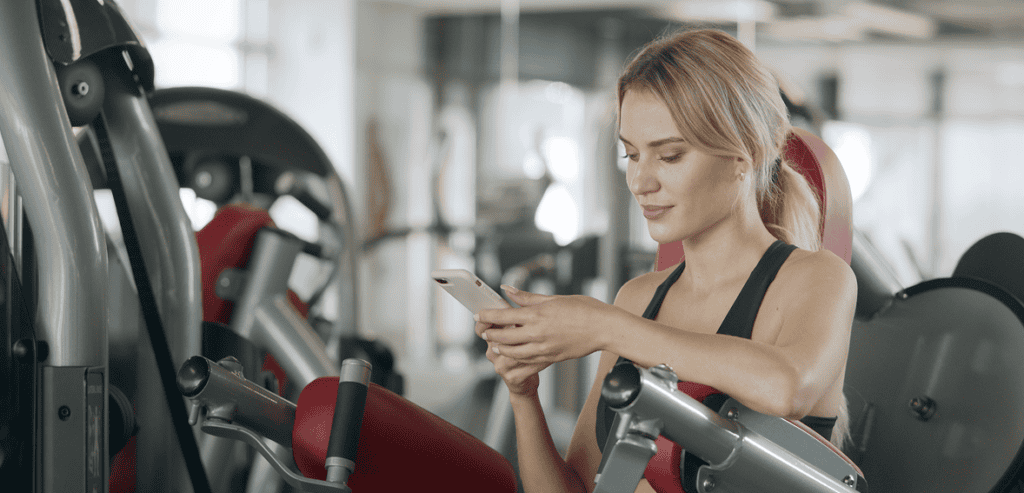
Managing a loyalty system manually can quickly become overwhelming, especially as a gym grows. This is where technology plays a crucial role. Modern gym management software and mobile apps make it easy to track points, reward redemptions, and loyalty tiers automatically. When a member checks in, attends a class, or completes a referral, points can be added instantly without staff intervention.
A gym loyalty program supported by technology feels effortless to members. They can view their points, rewards, and VIP status directly from their phone, which keeps the program top of mind. Member rewards become more effective when the system is transparent and easy to understand. Technology also allows gyms to analyze engagement data and refine their retention program gym over time. Automation reduces errors, saves staff time, and ensures consistency, making loyalty initiatives sustainable rather than burdensome.

Recognition is one of the most powerful and overlooked components of loyalty. While rewards matter, feeling seen and appreciated often has an even greater impact on retention. Celebrating membership anniversaries, personal achievements, or consistency milestones reinforces the emotional connection members have with the gym. These gestures show that loyalty is noticed and valued.
Recognition does not have to be complex or expensive. A simple congratulatory message, a social media shout out, or a small in club display can create pride and belonging. VIP gym perks tied to long term milestones, such as one year or five years of membership, reinforce loyalty tiers in a visible way. Fitness membership rewards that include recognition help humanize the brand and make members feel like part of a community rather than just subscribers. Over time, this emotional bond becomes a key reason members stay.
The greatest danger in developing loyalty programs is over-engineering them. The rules might be very difficult to understand or rewards very difficult to earn. A successful gym loyalty program is one which is easy to understand and easy to use. A member should be able to easily know how to earn and how to win without requiring further explanation.
A strong retention program gym has simplicity and consistency. Communication, whether through the gym, applications, or conversations with club employees, can help in this regard. Rewards offered to club members must always be reachable and enjoyable, while simultaneously desirable. Ideally, loyalty levels must be motivational, thus discouraging any feelings of frustration. By looking through these rewards, it is easier to make improvements. As long as simplicity, fun, and focus are achieved, loyalty programs are helpful in engagement while keeping budgets out of the picture.
One of the biggest challenges gyms face is inconsistent attendance, even among active members. A well structured gym loyalty program can gently nudge members toward more regular visits by rewarding consistency rather than intensity. When members earn points or progress within loyalty tiers simply by showing up each week, attendance becomes a habit rather than a chore.
Member rewards tied to consistency work because they reinforce positive routines. For example, earning bonus points for attending three times a week or completing a monthly streak motivates members to stay on track without pressure. Fitness membership rewards linked to attendance also help members feel proud of their commitment, which strengthens emotional attachment to the gym. Over time, this habit building approach supports a more reliable retention program gym, as members who use the facility regularly are far less likely to cancel. Consistency based rewards benefit the business as well by improving utilization, energy inside the gym, and community engagement.

Referrals are one of the most powerful yet underused components of a gym loyalty program. Members who enjoy their experience are often willing to recommend it to friends, but incentives help turn that goodwill into action. Loyalty programs can reward both the referring member and the new joiner, making referrals feel like a shared benefit rather than a sales tactic.
Member rewards for referrals might include bonus points, temporary VIP gym perks, or upgrades tied to loyalty tiers. Fitness membership rewards connected to referrals strengthen trust because recommendations come from real experiences, not promotions. From a retention program gym perspective, referral based loyalty also brings in members who are more likely to stay longer because they already have a social connection inside the gym. When referral rewards are simple and well communicated, they naturally integrate into the broader loyalty ecosystem without feeling forced.
Not all fitness seekers will have the same interaction with a fitness center or gym. Some will prefer group activities, some will focus on weight training, and some will be there during off-peak hours of operation. There should not be a one-size-fit-all approach, as this can reduce the effectiveness of even an optimal loyalty program strategy.
By providing varied rewards to gym members based on their activity interests, loyalty is made more inclusive. For example, they can offer rewards like attending classes, personal training sessions, or consistent attendance at non-peak hours, as they appreciate every type of commitment in their own way. Significantly, fitness rewards programs seem to be more personal as they acknowledge the interests of the members. Furthermore, loyalty levels can be made more adaptable to various types of progress, not necessarily based on a single factor. This will definitely make the ‘gym’ aspect of the loyalty program more robust by making every member feel important, not just the visible and consistent ones.
A loyalty program should evolve, not remain static. Tracking its performance helps gyms understand what works and what needs refinement. Measuring participation rates, reward redemptions, attendance changes, and retention trends provides insight into whether the program is delivering real value.
A successful gym loyalty program shows clear patterns of engagement, with members actively earning and redeeming rewards. Member rewards that go untouched may indicate misalignment with preferences. Fitness membership rewards should feel attainable and exciting, not theoretical. Loyalty tiers should also be reviewed periodically to ensure they remain motivating and sustainable. From a retention program gym perspective, even small improvements in retention linked to loyalty participation can significantly impact revenue. Ongoing evaluation ensures the program continues to support both members and business goals effectively.
First of all, member loyalty programs and VIP benefits and perks are not about giveaways; they’re about relationships. Gyms that reward consistency, milestone achievements, and individual efforts make their members feel special and appreciated. Members reciprocate with attendance that becomes encouraged by having such a simple but well-communicated member loyalty program. They help create a sense of community while elevating routine workouts into special events. Ultimately, such heartfelt gestures of member appreciation generate true member loyalties that no amount of marketing efforts can replicate. By providing an engaging combination of member benefits, smart technology, and member recognition, gyms are enabled to create lasting loyalties that support sustainable business growth while making their members feel special.
Effective rewards vary by gym, but the most successful programs combine small frequent perks with a few meaningful milestones. Popular options include free shakes, merchandise, guest passes, or complimentary services like personal training sessions. Recognition based rewards such as social media features or special parking spots are also highly effective. The key is ensuring the rewards align with what your members value and use.
Simplicity is critical. Use straightforward rules such as points per visit or points per class. Communicate the structure clearly through signage, apps, and staff interactions. Technology should handle tracking automatically so members can focus on participation rather than calculations. A simple and visible system encourages consistent engagement.
Yes, when designed thoughtfully, they increase engagement, attendance, and emotional attachment. Members who feel recognized and rewarded are less likely to cancel. Loyalty initiatives often work indirectly by encouraging more frequent visits and referrals, which naturally lead to higher retention. While not a solution to poor service, they are a powerful part of a broader retention strategy.
A tiered system rewards members based on longevity or engagement levels. Higher tiers unlock better perks, creating status and motivation. Gyms with strong long term communities benefit greatly from loyalty tiers, as they visibly honor commitment. Even simple milestone tiers can significantly strengthen loyalty.
Staff play a crucial role by promoting the program, celebrating milestones, and reminding members of earned rewards. When employees actively acknowledge loyalty moments, rewards feel more personal and meaningful. Staff feedback also helps improve the program over time, ensuring it stays relevant and engaging.
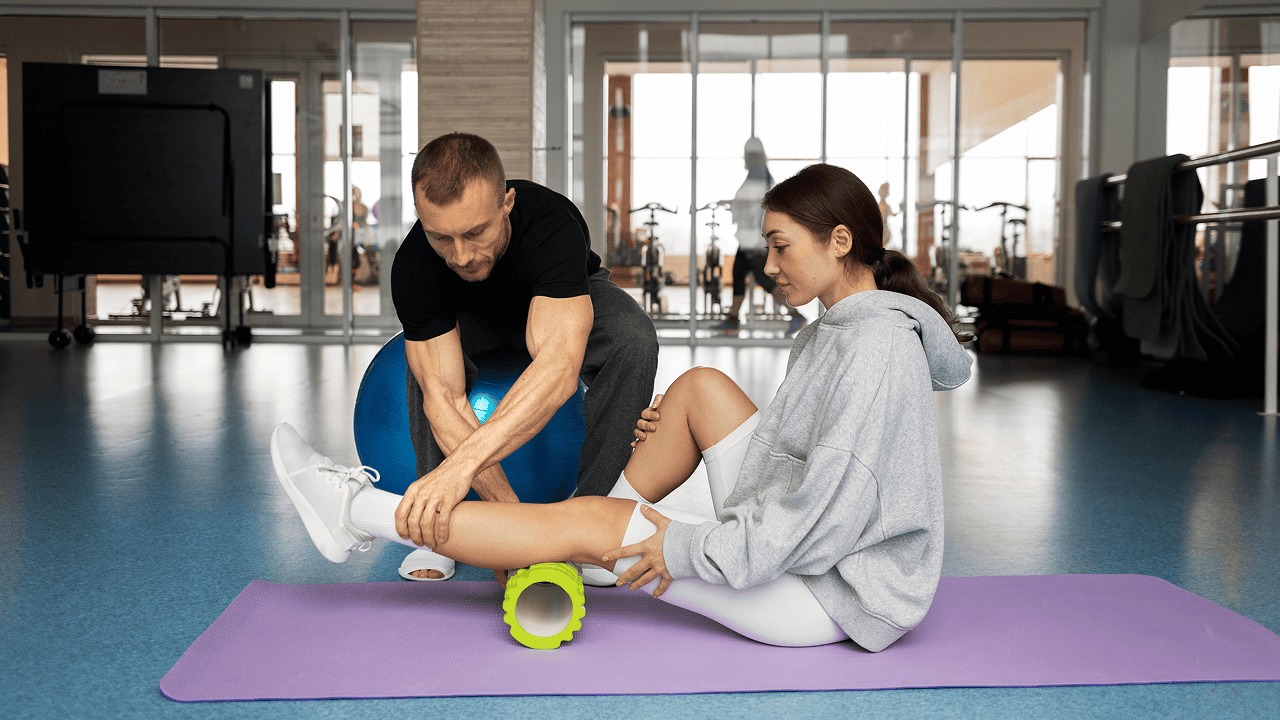
A successful gym is not defined only by modern equipment, energetic trainers, or packed group classes. At its core, a truly successful fitness facility is one where members feel safe every time they walk through the doors. Gym safety and injury prevention are not side considerations. They are central to long term member trust, retention, and business sustainability. When people believe a gym genuinely prioritizes their well being, they are more likely to train consistently, recommend the facility to others, and stay committed even as their fitness goals evolve.
Building a strong safety culture requires intention and consistency. It means creating systems, habits, and attitudes that place member safety at the center of daily operations. From staff readiness and equipment care to member education and emergency planning, every layer of the gym experience plays a role. Workout injury prevention is not about eliminating all risk, which is impossible in physical activity. It is about reducing unnecessary risk and responding effectively when issues arise, ensuring that fitness remains empowering rather than intimidating.
The first step for a gym owner is to understand what kind of injuries will most probably happen in the fitness environment. The majority of prevalent problems include strains and sprains, mainly brought about by improper form, lifting too much weight too fast, or not warming up. Back injuries are more frequent because one can lift with bad mechanics while performing deadlifts and squats. When performing bench presses and overhead movements, the shoulders become sensitive. Poor jumping, lunging, or squatting due to lack of proper technique or mobility causes knees to be strained.
Accidents can happen outside of lifting as well. Slips and falls due to wet floors, cluttered walkways, or poorly placed equipment are very common contributors to gym-related injuries. Dropped weights, unstable benches, and misused cardio machines will too often turn minor mistakes into serious incidents. Planning out the layout of a facility for gym safety, along with supervision and clear guidelines on how to use equipment, majorly reduces these risks. Injury prevention early on is key; beginners are statistically more likely to get hurt within the first months of starting their journey.

A strong safety culture starts with staff. Trainers, front desk personnel, and floor supervisors are the first line of defense when it comes to injury prevention and emergency response. Every gym should ensure that multiple staff members are trained in first aid and CPR, with current certifications that are renewed on schedule. Having staff who can respond calmly and competently to medical emergencies builds confidence among members and can significantly reduce the severity of incidents.
Beyond certifications, gym safety training should include regular emergency drills and clear role assignments. Staff should know exactly who calls emergency services, who retrieves first aid equipment, who manages crowd control, and who documents the incident. These procedures should be reinforced periodically so responses remain automatic rather than reactive. Ongoing training also helps staff spot risky behavior on the floor, allowing them to intervene politely but effectively before an injury occurs.

Equipment safety is a non-negotiable part of gym operations. Even the most experienced lifter can be injured by faulty machines, frayed cables, or loose bolts. Daily visual checks help catch obvious issues such as damaged padding, unstable benches, or malfunctioning consoles. Weekly inspections should go deeper, looking at wear on cables, belts, and moving parts, while monthly or scheduled professional servicing ensures long term reliability.
Maintaining a clear maintenance log is essential for accountability and protection. When equipment inspections and repairs are documented, gyms demonstrate due diligence in member safety protocols. If an issue is identified, equipment should be removed from service immediately until fixed. Cleanliness also matters. Sweat or water on floors, especially near locker rooms and cardio areas, increases the risk of slips. A well maintained facility directly supports workout injury prevention by creating an environment where members can focus fully on movement without unnecessary hazards.
The rules in the gym are there not to constrict the members, but to protect them. Clear guidelines around re-racking of weights, use of collars on barbells, returning dumbbells, and wiping down of equipment are what keep things running and safe. When there are weights strewn all over or improperly stored, the chances of tripping up, dropping any equipment, or making strained movements go way up.
Rules should be communicated in such a way as to provide support rather than authoritarian commands. Visible signage near free weight areas and machines reinforces expectations without confrontation. Staff should also model the exact behavior consistently. When members see trainers following the same rules, compliance improves naturally. Effective protocols for ensuring members’ safety make safe behavior the norm and reduce the occurrence of preventable injuries across the gym floor.

Member education is one of the most powerful tools in injury prevention. New member orientations are a perfect opportunity to introduce basic gym safety principles, including equipment usage, spotting etiquette, and the importance of warming up and cooling down. Even brief instruction can prevent long term habits that lead to pain or injury.
Ongoing education can take many forms. Occasional workshops on lifting technique, posture, or mobility not only reduce injuries but add value to memberships. Friendly reminders from staff when form looks risky help correct issues early. When education is presented as support rather than criticism, members are more receptive. A culture where people feel comfortable asking questions and receiving guidance contributes strongly to gym safety and long term member confidence.
Even with the best prevention systems, emergencies can still occur. A strong emergency action plan ensures gyms are ready when seconds matter. Fitness facility first aid supplies should be well stocked, clearly labeled, and easily accessible. Automated External Defibrillators should be visible and staff should be confident using them if needed.
Emergency preparedness also includes clear evacuation routes, emergency contact lists, and communication protocols. Regular reviews of these plans keep them current and effective. When members see staff handling situations calmly and professionally, trust deepens. Preparedness is not only about response. It reinforces the message that member safety is taken seriously at every level of operation.
The most successful safety culture is not one that is driven through rules and compliance, but through a culture of shared responsibility between members and staff themselves. By promoting a sense of members looking out and spotting each other, and by providing spot assistance and informing staff of a hazard, this environment can become a better place.
Positive reinforcement is also significant. For example, thanking a member for re-racking weights or assisting another member is a good practice. This breeds a culture of care and thoughtfulness within the club. Injury prevention is a key element of the culture members develop in their interaction with the facility and other members, which is good for the experience.
From a business perspective, injury prevention has clear benefits. Fewer injuries mean fewer disruptions, less negative publicity, and reduced legal exposure. Consistent gym safety training, equipment maintenance, and documentation create a defensible position if incidents occur. More importantly, safe gyms retain members longer and attract those who value professionalism and care.
Members who feel safe are more likely to train confidently, try new programs, and stay engaged. This leads to higher retention and stronger community reputation. In an industry where trust is critical, a visible commitment to safety becomes a competitive advantage rather than an operational cost.
The physical layout of a gym has a major influence on injury prevention, yet it is often overlooked during planning or expansion. Crowded floors, narrow walkways, or poorly defined training zones increase the likelihood of collisions, dropped equipment injuries, and accidental trips. A safety focused gym layout clearly separates cardio areas, free weights, functional training zones, and group exercise spaces so members can move confidently without interfering with each other’s workouts.
Adequate spacing between machines allows full range of motion without obstruction, while clearly marked walkways reduce congestion during peak hours. Flooring also plays a key role in gym safety. Slip resistant surfaces in locker rooms and high sweat zones, shock absorbing flooring in weight areas, and stable platforms for lifting all contribute to workout injury prevention. Thoughtful layout design signals professionalism and care, helping members feel secure and focused. Over time, a safer layout not only reduces incidents but also improves overall workout flow and member satisfaction.
Peak hours present unique safety challenges for gyms. Increased foot traffic, equipment shortages, and rushed workouts raise the likelihood of accidents and poor form. Managing these periods effectively is an important part of member safety protocols. Staffing levels should align with peak demand so there are enough trained eyes on the floor to guide members and intervene when needed.
Clear systems for equipment sharing and time limits can also reduce frustration and unsafe behavior. When members feel pressured to rush sets or lift without proper spotting, injury risk rises. Encouraging patience and awareness during busy times helps maintain gym safety even under strain. Simple measures such as reminding members to wait for open space, offering alternative exercises, or directing traffic flow around congested zones can make a meaningful difference. Proactive management during peak hours reinforces the message that safety matters at all times, not only when the gym is quiet.
First aid in a fitness facility works best when visible and accessible. First aid kits, AEDs, and instructions should not be behind a desk or in a staff-only area. Clear signs assist both the staff and members in identifying where help is located, especially in high-stress moments when time and clarity are critical.
It is also the case that visibility reinforces trust; when members observe well-maintained first-aid stations and clearly marked emergency equipment, it speaks to a sense of preparedness and professionalism. Not to be understated is the confidence of the staff in deploying this equipment. To this end, regular refreshers ensure that such muscle memory takes over during incidences. In the context of ensuring accessibility, pathways to emergency equipment must remain unimpeded at all times. First aid readiness, when put into the physical environment, reinforces gym safety culture and supports faster, more effective responses when incidents arise.
Incident reporting is not about assigning blame. It is a powerful tool for improving injury prevention when used correctly. Documenting near misses, minor injuries, and safety concerns helps gym management identify patterns before serious problems develop. These reports can highlight recurring issues such as slippery areas, frequently misused equipment, or times of increased risk.
Encouraging staff to report incidents consistently creates a feedback loop that strengthens gym safety over time. Members can also be invited to report hazards without fear of inconvenience. Reviewing reports regularly allows adjustments to training, layout, or procedures that reduce future risk. Proper documentation also demonstrates accountability and professionalism, which is valuable for liability protection. When incident reporting is treated as part of continuous improvement rather than failure, it becomes one of the most effective tools in workout injury prevention.
What are the most common injuries that happen in gyms?
Common gym injuries include muscle strains, sprains, back injuries from improper lifting, knee issues from poor squat or jump mechanics, shoulder injuries during pressing movements, and accidents such as dropped weights or slips on wet floors.
How often should equipment be inspected or maintained?
Cardio equipment should receive quick daily checks and deeper monthly inspections, while strength equipment should be checked weekly for wear, loose parts, or cable damage, with regular professional servicing scheduled throughout the year.
What should be included in a gym emergency plan?
A gym emergency plan should cover medical emergencies, evacuation procedures, staff roles during incidents, first aid and AED access, emergency contacts, and regular staff training to ensure confident and coordinated response.
How can I encourage members to prioritize safety?
Safety can be encouraged through clear orientations, visible signage, supportive staff guidance, occasional form workshops, and fostering an environment where members look out for one another and feel comfortable asking for help.
Do liability waivers fully protect a gym from injuries?
Liability waivers are important but not absolute protection. They help set expectations but do not cover negligence. Proper safety practices, staff training, equipment maintenance, and documentation remain the strongest protection for gyms.

The fitness industry has changed dramatically over the last few years. Peloton bikes in living rooms, guided workouts on smartphones, and fully equipped garage gyms are no longer niche trends. For many people, exercising at home feels convenient, flexible, and private. This shift has created real at-home fitness competition for traditional gyms, forcing owners to rethink how they communicate value and retain members.
However, the rise of home workouts does not mean the decline of gyms. It means expectations have evolved. People who choose a gym today are not only looking for equipment, but for outcomes, motivation, and experiences that go beyond convenience. The gym vs home workout comparison is no longer about which option is “better,” but about which option delivers results, consistency, and connection.
Gyms that clearly articulate their value, adapt to changing habits, and highlight what cannot be replicated at home can still thrive. By focusing on in-person fitness advantages, leveraging hybrid options, and refining their gym value proposition, fitness facilities can compete with fitness apps while strengthening member loyalty and long-term growth.

The pandemic accelerated an already emerging trend. When gyms temporarily closed, many people discovered that, with the right app, screen, or piece of equipment, fitness could happen anywhere. This, in turn, normalized home workouts and lowered the psychological barrier to exercising outside traditional gyms. Even as restrictions were lifted, a portion of members didn’t immediately return, further intensifying at-home competition in the process.
What gyms learned during this period is that convenience alone tends to be a powerful motivator. People enjoy workouts that fit into their schedule without the need for traveling or waiting for equipment. Concurrently, many people learned the limitations of at-home routines. Motivation dropped, and progress plateaued, as many found it difficult to remain consistent with numerous home distractions.
This is an important insight that comes out of this landscape: The debate is not winner takes all: gym versus home workout. Many fitness consumers are now choosing a mix of both. Gyms that understand this trend and adjust their messaging to it find themselves in a better position for those members who covet flexibility but will not sacrifice results.

One of the most important advantages gyms hold is environment. Stepping into a gym changes mindset in a way that a living room rarely can. The collective energy of people training around you creates momentum, accountability, and focus. These in-person fitness advantages are difficult for apps or prerecorded videos to recreate.
Equipment variety is another major differentiator. Most homes cannot accommodate squat racks, sleds, cable machines, pools, or large group class setups. Gyms offer access to tools that enable progression, variety, and specialized training. This matters especially for members who want strength gains, functional training, or sport-specific conditioning.
Professional guidance further strengthens the gym value proposition. Trainers, coaches, and staff can correct form, provide encouragement, and adapt workouts in real time. This reduces injury risk and improves results. While apps can guide, they cannot watch, adjust, or motivate in the same way human interaction can.
Community has always been one of the strongest yet most underestimated assets of gyms. At-home workouts are often solitary, which works for some people but not for everyone. Over time, many exercisers miss the social reinforcement that comes from seeing familiar faces, attending group classes, and feeling part of a shared effort.
Social motivation supports consistency. Knowing that others expect to see you, whether it is a trainer or classmates, increases follow-through. This is a key factor in why many people return to gyms after experimenting with home workouts. The gym vs home workout comparison often comes down to results, and results are strongly tied to accountability.
Gyms can lean into this by highlighting member stories, group achievements, and supportive culture. Positioning the gym as a place of connection reinforces its identity as more than a place to burn calories. It becomes a place where habits are built and sustained.
Instead of seeing digital workouts as the competition, many thriving gyms now incorporate them into their offerings. A hybrid model of fitness recognizes that the lives of members are dynamic. Travel, busy schedules, or family may sometimes make on-site visits impossible, but that does not mean the engagement needs to stop.
Offering on-demand workouts, livestream classes, or app-based programming enables gyms to compete with fitness apps while keeping members connected to their brand. This way, home workouts are an extension of the gym experience, not a replacement. This approach strengthens retention and increases perceived value.
Others even support home-based fitness by lending or renting equipment short term, or by assigning at-home accessory workouts that complement in-gym training. These strategies reinforce the idea that fitness is a continuum, not a location, with the gym remaining the anchor of progress.

Effective marketing today requires clarity. Gyms must clearly communicate why their experience delivers better long-term outcomes than at-home-only routines. This does not mean dismissing home workouts, but highlighting what members gain by showing up.
Storytelling plays a powerful role here. Testimonials from members who tried working out alone but achieved better results at the gym resonate strongly. These stories humanize the gym value proposition and reflect real-world journeys rather than idealized marketing claims.
Cleanliness, safety, and professionalism should also be visible and communicated clearly. For those hesitant about shared spaces, transparency builds confidence. Showing clean layouts, sanitation routines, and responsible occupancy practices helps remove anxiety and positions the gym as a safe, supportive environment.
Results are the ultimate motivator. Many people turn to at-home fitness for convenience but return to gyms when progress stalls. Gyms should confidently highlight their role in helping members break plateaus through structured programming, progressive overload, and expert guidance.
Group training, personal coaching, and live feedback create momentum that apps alone often cannot sustain. This is where in-person fitness advantages translate directly into outcomes. Gyms that focus on progress tracking, milestone celebrations, and visible results reinforce their relevance.
When members associate the gym with success rather than obligation, loyalty increases. The goal is not to compete on ease alone, but to win on effectiveness, consistency, and support.
Trying to out-tech global fitness apps is rarely practical for local gyms. Instead, gyms can compete with fitness apps by offering experiences that technology cannot fully replicate. This includes human connection, sensory engagement, and emotional reinforcement.
Apps deliver workouts. Gyms deliver experiences. The sounds, energy, coaching cues, and shared effort create an atmosphere that keeps people coming back. Technology can support this experience, but it should not replace it.
By integrating digital tools where they add value and emphasizing human-led experiences where they matter most, gyms can position themselves as balanced, modern fitness destinations rather than outdated alternatives.
The biggest weakness of at-home workouts is that there’s no accountability. While fitness apps provide structure, they rarely provide follow-through. Gyms are uniquely positioned to make accountability a defining part of their offer: scheduled classes, trainer check-ins, progress assessments, and visible goal tracking all reinforce commitment in ways self-guided workouts struggle to maintain.
When people know someone will notice whether they show up, consistency goes up. This directly affects results, which in turn affect retention. In this gym vs home workout comparison, accountability is sometimes the unseen reason behind better results. Gyms that message on this move the conversation from convenience to effectiveness.
Accountability can also be built into the culture of the gym. Progress boards, milestone shoutouts, and trainer-led goal reviews reinforce effort and achievement. These practices reinforce the value proposition of the gym, showcasing that success is supported and not merely left to chance. Within the at-home fitness competitive market, such positioning of the gym as a place where results actually happen creates not only a strong but also a defensible identity.
Another way gyms can stand out is through structured programs that are difficult to replicate at home. Periodized strength cycles, group challenges, sports-specific conditioning, and coached transformation programs all require planning, space, and equipment that most home setups lack. These offerings elevate the gym from a place to exercise into a place to train.
Well-designed programs provide clarity and direction. Instead of asking members to decide what workout to do each day, gyms guide them through a progression that builds skill and strength over time. This reduces decision fatigue, which is a common reason people abandon home workouts despite good intentions.
Programming also reinforces the in-person fitness advantages of coaching, supervision, and shared effort. When programs are marketed clearly, they become a compelling alternative to generic app subscriptions. Gyms that lead with program outcomes rather than amenities communicate seriousness and expertise. In an environment where many people feel stuck with home routines, structured programs offer a reason to return.
Convenience is often cited as the primary advantage of home workouts, but gyms can address time concerns without trying to match living-room ease. The key is efficiency rather than proximity. Short, focused sessions with clear outcomes often feel more valuable than longer, less structured workouts at home.
Gyms can design express classes, streamlined training blocks, and quick check-in systems that respect busy schedules. When members feel they can get effective workouts done in 45 minutes or less, time becomes less of a barrier. This reframes the at-home fitness competition by shifting focus from saving time to using time wisely.
Clear scheduling, predictable class times, and minimal waiting all support this approach. When the gym experience feels intentional and efficient, members perceive higher value. The gym vs home workout comparison then becomes about quality per minute rather than just ease. This perspective resonates strongly with professionals, parents, and others balancing multiple responsibilities.
Fitness is not strictly a physical activity. There is a substantial role for mental and emotional considerations for an individual to keep exercising regularly. While home workouts reduce physical friction, there is not enough disconnect from daily stressors. There is a physical and psychological shift from daily living by visiting the gym.
Going inside a gym is a mental shift. The noises, activity, and vibrations create a form of immersion that allows users to turn off their jobs, devices, and home nagging distractions. The emotional shift is a critical in-person fitness benefit that apps cannot replicate.
However, a gym can further enhance this benefit through music, lighting, and the attitude of the staff. By providing a sense of a dedicated space meant for self-betterment, the gym can create a habitual attendance pattern. In the face of stiff competitions from home-based fitness alternatives, emotional wellness adds strength to the gym’s value proposition.
The fitness revolution that has happened with home workouts and fitness apps has changed the way people approach and view workouts; however, it has not replaced the need for the gym. What has changed is that now, with more opportunities out there, people are no longer choosing based on convenience; they are choosing based on results, motivation, and sustainability. This has made gyms focused on their benefits. This is true because, apart from workouts and motivation, diversity in equipment is also important for exercise, which is not achievable at home. The truth is that home workouts are not long-term transformation; transformation happens in the gym.
Q1: What advantages do gyms have over home workouts?
Gyms offer equipment variety, adequate space, professional coaching, and a motivating environment that includes community and accountability, which most home setups cannot replicate consistently.
Q2: Should gyms offer their own online classes or apps to keep up?
Yes, many gyms benefit from offering on-demand or livestream content as part of a hybrid fitness model, helping members stay engaged when they cannot attend in person.
Q3: How can gyms encourage members who switched to home workouts to return?
Consistent communication, sharing success stories, offering welcome-back trials, and highlighting new equipment or programs remind members of the benefits they may be missing.
Q4: Is at-home fitness a temporary trend or a permanent change?
At-home fitness is here to stay, but most people adopt a hybrid approach rather than fully replacing gyms, especially when motivation or progress declines.
Q5: How can gyms address cleanliness and safety concerns compared to home workouts?
By implementing visible cleaning routines, upgrading ventilation, communicating safety practices, and showcasing a clean, well-maintained space, gyms can reduce anxiety and build trust.

For gym owners, few decisions are as important or as confusing as choosing how to classify trainers and instructors. The choice between employees and independent contractors affects costs, legal risk, culture, and long term growth. Gym staff employment is no longer just an operational detail; it is a strategic decision that shapes how the business runs day to day and how it is perceived by both members and staff.
With evolving regulations, increased scrutiny around worker classification, and rising expectations from trainers themselves, the traditional contractor heavy gym model is being questioned. Understanding the difference between a trainer contractor vs employee setup is essential for staying compliant, building a reliable team, and protecting the business.
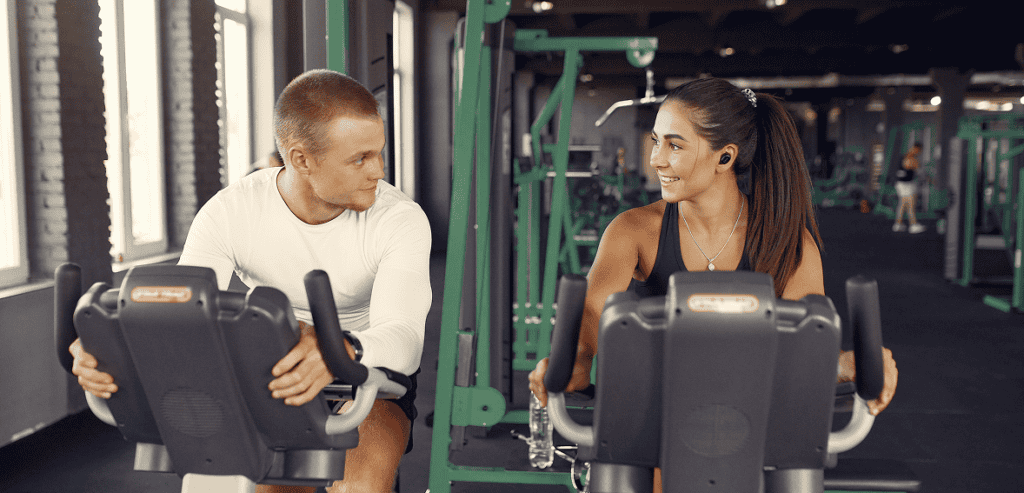
The very core of the employee vs independent contractor gym debate is the nature of control. Employees are within the internal structure of the organization. Generally, they are scheduled by management, expected to adhere to specific training methodologies or service delivery protocols, and might also be requested to assume responsibilities additional to coaching, such as sales support or maintenance of the facility.
Independent contractors are more like separate businesses. In the context of a fitness instructor 1099 or W2 classification, the regular course of action is that contractors set their own schedule, decide how they deliver sessions, and may work with several gyms simultaneously. More often than not, they get paid per session, per class, or as a percent of revenue instead of a guaranteed wage. Understanding these distinctions is critical for proper gym employment decisions in relation to staff, for misalignment of role and classification can create legal problems in no time.
Worker classification laws have become stricter, particularly in industries like fitness where contractors have traditionally been common. Regulators look closely at whether a trainer truly operates independently or functions like an employee in practice. Tests such as IRS guidelines in the United States or the widely referenced ABC test examine factors like behavioral control, financial independence, and the overall relationship between the parties.
For gym owners, gym labor laws are a growing area of risk. If a trainer’s schedule, pricing, branding, and methods are dictated by the gym, authorities may rule that the trainer should have been classified as an employee. Misclassification penalties can include back taxes, fines, and legal fees, making careful evaluation of trainer contractor vs employee status essential for long term stability.
From a financial perspective, contractors often appear less expensive upfront. When hiring personal trainers as independent contractors, gyms typically avoid payroll taxes, benefits, and certain insurance costs. Payments are tied directly to revenue, which can be attractive for businesses with fluctuating member demand.
However, this cost advantage can be misleading. Employees require payroll taxes and possibly benefits, but they often contribute more broadly to operations. They can fill gaps during slow periods, support retention efforts, and follow standardized programs that enhance brand consistency. Over time, a well structured employee model can stabilize income and reduce turnover related expenses, making gym staff employment costs more predictable and manageable.
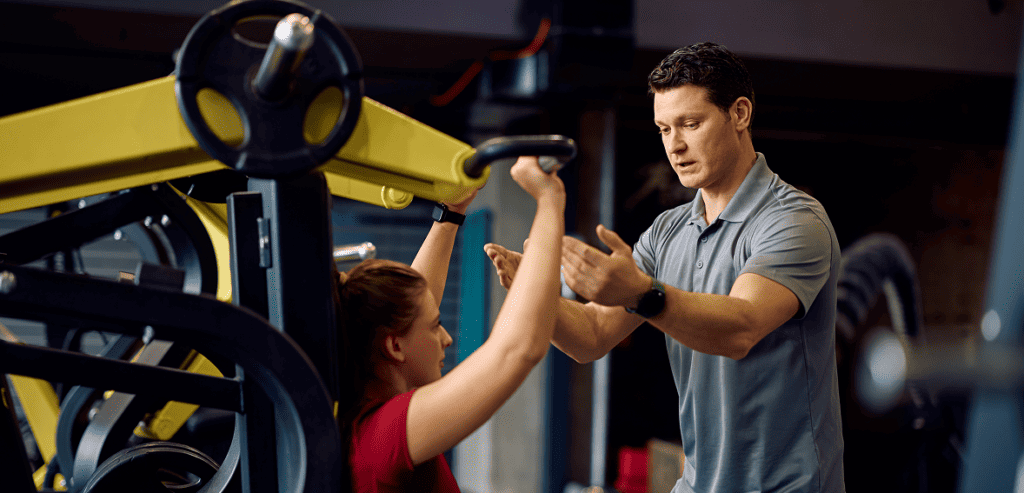
How the classification of trainers affects morale and engagement is multilayered. Independent contractors tend to appreciate flexibility and autonomy, especially those who have well-established personal brands or specific niche specialties in which they may be considered experts. They do not want to be restricted from choosing or accepting projects with a rate that best suits their preferences, clients that appeal to them, or locations for execution.
On the other hand, employees seem to prioritize stability, predictable income, and a sense of belonging. Benefits, career opportunities for professional growth, and clear paths for career development contribute to their loyalty. From an employee versus independent contractor gym perspective, employees are more likely to invest emotionally in the brand, build community, and identify with long-term business objectives. This disparity makes quite a difference in regard to service quality and consequently, the member experience.
Operational control is one of the most important but often underestimated factors in the hiring decision. Employees can be trained to follow specific programming philosophies, service standards, and customer experience guidelines. This consistency is critical for gyms aiming to build a strong, recognizable brand.
Independent contractors may resist strict control because it undermines their legal classification. This can lead to inconsistent member experiences across classes or trainers. For gyms focused on premium service or standardized outcomes, the trainer contractor vs employee decision directly affects brand cohesion. Greater control often points toward an employee based model.
Flexibility is a major reason gyms rely on contractors, particularly for classes with seasonal or unpredictable attendance. Contractors allow gyms to scale offerings up or down without committing to fixed payroll expenses. This can be valuable for boutique studios or gyms testing new programs.
Stability, however, becomes critical as a gym matures. Employees provide reliable coverage, are available for cross functional roles, and support operational continuity. In gym staff employment planning, many owners find that a balance between flexibility and stability works best, depending on class types, peak hours, and business maturity.
Indeed, many gyms have adopted hybrid models to combine benefits from both classifications. Front desk staff, managers, and core trainers could be employees, while specialized instructors are hired as contractors. This can allow a gym to retain control over essential operations while retaining flexibility in program offerings.
For the hybrid models, it’s very important to pay attention to detailed documentation and sharp role separation in order not to violate the labor laws of your gym. If implemented right, these models allow gyms to optimize costs, lower legal risk, and meet diverse staffing needs. This model has recently gone mainstream as regulations tighten around the 1099 vs W2 classification of fitness instructors.
The hiring model chosen today influences future growth. Investors, franchisors, and partners often scrutinize worker classification due to liability exposure. Gyms built entirely on contractor models may face challenges during expansion or acquisition due to inconsistent operations and legal risk.
Employee based models often appeal to stakeholders because they support scalable systems and standardized service delivery. For owners focused on long term brand building, gym staff employment decisions play a significant role in shaping sustainable growth trajectories.
Regardless of model, documentation is critical. Contractors should have clear independent contractor agreements outlining responsibilities, payment structure, and tax obligations. Employees require formal onboarding, payroll setup, and compliance with wage and hour laws.
Consistent review of contracts, schedules, and operational practices ensures alignment between classification and reality. This diligence reduces risk and protects the business if questions arise. In an environment of increasing enforcement, proactive compliance is essential.
Culture often follows structure. Employees tend to feel more integrated into the gym community, participate in meetings, and support collective goals. Contractors may feel more transactional, focusing primarily on their own client base.
Neither approach is inherently better, but clarity matters. Understanding how the trainer contractor vs employee decision shapes culture helps owners align staffing with their vision. A cohesive culture can improve retention and member satisfaction, which ultimately drives revenue.
Local and regional legal environments matter. Some jurisdictions make it challenging to justify contractors for core services like personal training. Not respecting that fact increases exposure to audits and associated penalties.
In that respect, the gym owners must gauge their risk tolerance and stay up to date on labor laws regarding gyms. What was defendable a decade ago may not be today. It is a characteristic of responsible leadership that hiring models are adjusted to reflect present regulations.

Members may not understand employment classifications in technical terms, but they can feel the difference in service consistency. When trainers are employees, their availability, coaching style, and adherence to gym standards tend to be more predictable. Members often experience smoother onboarding, consistent programming, and better follow up because employees are embedded into the gym’s daily operations.
In contractor heavy models, member experience can vary more widely. Contractors may prioritize their own clients, adjust schedules independently, or leave with short notice if opportunities arise elsewhere. While many contractors deliver excellent service, the lack of long term alignment can affect continuity. From a gym staff employment perspective, employee based teams often create stronger relationships with members, improving retention and referrals. Understanding how the trainer contractor vs employee choice impacts the client side experience is essential, especially for gyms focused on community, long term memberships, and brand loyalty.
Liability considerations are often underestimated when choosing between employees and contractors. With employees, gyms typically carry workers’ compensation insurance and maintain clearer lines of responsibility for on floor incidents. This structure often simplifies claims handling and reduces ambiguity when something goes wrong.
Liability for independent contractors is more complex, with many carrying their own insurance. However, gaps in coverage and unclear responsibility can put gyms at risk. If an independent contractor is injured or a client files a claim, the gym might still find its way into court. More recently, the gym labor laws and insurance providers are putting a closer eye on such setups. In addition to determining the cost, liability exposure should also be reviewed by the owner. Determining between employee and independent contractor status for the gym labor should be discussed with insurance experts to ensure protection and minimize financial liability long term.
Employees and contractors experience professional growth differently. Employees often benefit from structured development paths, including mentorship, advanced certifications, leadership opportunities, and performance reviews. This structure encourages long term commitment and skill development, particularly for newer trainers building their careers.
Contractors, by contrast, typically invest in their own growth independently. While this can foster entrepreneurial thinking, it may limit alignment with the gym’s long term vision. When hiring personal trainers as employees, gyms gain the opportunity to shape coaching philosophy and develop future leaders. From a gym staff employment standpoint, investing in employee development can improve retention, consistency, and internal promotion. This focus on growth often strengthens culture and positions the gym as an employer of choice in competitive markets.
The fitness industry continues to face evolving labor regulations, with increased scrutiny around independent contractor use. Laws and interpretations change over time, and what is compliant today may not be tomorrow. Gym owners who rely heavily on contractors may face challenges as enforcement increases and definitions tighten.
Preparing for future change requires flexibility and awareness. Employee based models often offer greater resilience to regulatory shifts because classification risk is lower. Hybrid models can also provide adaptability when structured correctly. Staying informed about gym labor laws and proactively adjusting staffing strategies reduces disruption. For long term stability, gyms should periodically review their employment model to ensure it aligns with both business goals and the legal landscape. Forward planning in gym staff employment decisions helps protect operations and supports sustainable growth.
One of the most important decisions a gym owner can face is the question of employees versus contractors. Determining what is best depends on a number of factors, including control requirements, financial situation, and specific legislative settings. While there is no clear answer to this dilemma, there is a clear need to clarify and achieve consistency. By understanding the realities of staffing within the gym industry, managing the balance between trainer contractor and employee options, and keeping abreast of current intelligence related to fitness instructor 1099 and W2 requirements, a gym owner can ensure a solid base for their business. It is much more than just a staffing issue, as the hiring decisions can mean the difference between success and failure for a gym owner as a whole.
Q: Why do many gyms choose to use independent contractors for trainers?
Historically, many gyms used contractors because the model felt flexible and cost effective. Contractors handle their own taxes and insurance, and gyms often pay only when sessions or classes are delivered. This works well for variable schedules and niche instructors who teach at multiple locations. For many years, the model was widely accepted in the fitness industry.
Q: What are the risks of misclassifying an employee as a contractor?
Misclassification can lead to serious consequences. If authorities determine that a contractor functions like an employee, gyms may owe back taxes, penalties, overtime pay, and benefits. There is also reputational risk and the operational disruption of sudden reclassification. This is why following classification rules closely is essential.
Q: How can I decide which model is best for my gym?
Consider control, cost, legal climate, and culture. If you need trainers following strict protocols and schedules, employees may be the safer choice. If flexibility is key and the role truly supports independence, contractors may work. Many gyms successfully combine both models depending on function and seniority.
Q: If I use independent contractors, how do I protect my gym?
Use strong contractor agreements, avoid excessive control, require contractors to manage their own insurance and taxes, and keep roles clearly distinct from employee duties. Contractors should invoice for services and maintain independence in scheduling and methods to support proper classification.
Q: What changes if I switch contractors to employees?
Switching to employees involves payroll setup, tax withholding, and possibly benefits. You gain more control and consistency but also higher fixed costs. Many gyms find that converting key trainers improves service quality, retention, and overall member experience, making the transition worthwhile despite increased expenses.

Membership fees and class packages form the financial backbone of most gyms, but long-term stability often depends on building gym revenue streams that go beyond monthly dues. Non-dues revenue helps gyms smooth out cash flow, reduce reliance on membership volume alone, and increase the overall value delivered to members. When executed thoughtfully, these additional offerings feel like natural extensions of the gym experience rather than sales add-ons.
Non-dues revenue works best when it aligns closely with member needs and daily behavior. Gym merchandise sales, fitness supplements retail, and ancillary gym services such as massage or nutrition coaching all meet members where they already are in their fitness journey. Instead of sending members elsewhere for gear, recovery products, or wellness support, the gym becomes a convenient one-stop environment. This approach strengthens community connection while improving financial resilience.
A thoughtfully merchandised pro shop can be one of the easiest ways to unlock non-dues revenue. Branded apparel and basic training equipment are more than just products; they are statements of affiliation. Members who feel a part of the gym culture tend to enjoy wearing logo tees, hoodies, or caps both in and out of the gym, making gym merchandise sales a form of grassroots marketing.
Effective gym revenue streams in retail begin small and niche. Instead of carrying dozens of items, gyms find success by choosing a limited selection of high-quality apparel in neutral colors and popular sizes. Items like shaker bottles, towels, lifting straps, or gym bags tend to sell well because they address a need. Pro shop revenue increases when products are merchandised cleanly, competitively priced, and cycled out periodically to keep interest without overproducing.
Fitness supplements retail is another common and effective source of non-dues revenue, especially when products are positioned as recovery and convenience solutions rather than aggressive performance enhancers. Members leaving a workout are often receptive to ready-to-drink protein shakes, electrolyte beverages, or healthy post-workout snacks they can consume immediately.
The key to sustainable supplement sales is trust. Gyms should prioritize reputable brands with transparent labeling and proven demand. Selling a smaller selection of high-turnover items reduces waste and simplifies inventory control. Shelf life must be closely monitored, and products should be stored correctly to maintain quality. Ethical upselling matters here. Staff should be trained to recommend products based on member needs rather than pressure. When done well, fitness supplements retail supports efficient recovery routines while adding steady revenue to the business.

Ancillary gym services such as massage therapy, physical therapy support, or nutrition coaching elevate the gym from a workout space into a broader wellness destination. These services generate non-dues revenue while also improving member outcomes and satisfaction. Members value convenience, especially when recovery or guidance is available immediately after training.
There are multiple models for introducing these services. Some gyms hire licensed professionals part-time, while others partner with independent practitioners who operate on a rental or revenue-share basis. This approach limits risk while testing demand. Nutrition coaching can begin with consultations, workshops, or limited one-on-one plans before scaling. Ancillary gym services work best when they are visibly integrated into the gym environment and clearly positioned as performance and wellness support rather than luxury extras.
It is critical to understand the financial impact of non-dues revenue. Pro shop items and supplements usually have margins ranging from 15 to 20 percent, depending on the source and volume. Wellness services may have varying margin structures but are known to enhance retention and member lifetime value, which is also vital.
The revenue streams of gyms should be monitored separately to identify what is driving the revenue and what needs to be corrected. Even a slight increase of two to three percent in non-dues revenue in the first year can make a huge difference. Eventually, some gyms may attain 10 to 15 percent or even higher by leveraging pro shop revenue, wellness services, and strategic retail offerings. The aim is not to substitute membership but to supplement it with aligned revenue streams.
One of the most pressing issues gym owners face in expanding non-dues revenue is the concern of turning the gym into a retail store. Members come to exercise, not to be sold to, and this difference is important. The best gym revenue models incorporate retail in a way that feels supportive and accessible rather than sales-oriented. When merchandise, supplements, or wellness services are marketed as solutions to common member needs, they are seen as beneficial additions.
The setting is also important. A clean and organized retail area in the corner near the front desk or exit area is visible without being pushy. Staff interactions should remain educational and conversational. Bringing up a recovery drink after a tough workout or a new hoodie when members ask about equipment keeps interactions organic. Non-dues revenue increases when trust is maintained. Members are much more likely to purchase when they feel the gym has their best interests at heart rather than a sales goal.

Seasonal launches and limited-time offerings can significantly boost gym merchandise sales and service uptake without increasing complexity. Limited runs of apparel tied to events, challenges, or milestones create urgency and reduce inventory risk. Members are more inclined to purchase when they feel they are buying something special rather than a permanent fixture.
The same approach applies to fitness supplements retail and wellness services. Introducing a new protein flavor for a month or offering discounted massage packages during high-training periods keeps offerings fresh and relevant. These limited windows encourage trial and feedback, helping gyms refine what works best. Seasonal strategies also make non-dues revenue feel dynamic rather than static, which keeps members engaged without overwhelming them with too many choices at once.

Staff members are essential to the success of ancillary gym services and retail products. When staff members are educated on the purpose, benefits, and proper use of products and services, they communicate more confidently and genuinely. This helps prevent aggressive communication and establishes credibility with gym members.
Staff member education does not have to be complicated. Basic product demonstrations, effective talking points, and fundamental nutritional or recovery knowledge will equip staff members to respond to questions organically. When front desk staff and personal trainers understand that non-dues revenue is an extension of member service rather than a sales goal, success will occur naturally. Informed staff members will help to normalize these services as part of the gym experience.
Not every gym community has the same interests or spending habits, which is why alignment is critical when expanding gym revenue streams. A powerlifting-focused gym may see strong demand for lifting accessories and recovery tools, while a boutique fitness studio might perform better with branded lifestyle apparel and smoothie options. Understanding who your members are helps prevent wasted investment.
Surveying members, observing purchasing behavior, and listening to casual feedback provide valuable insights. Non-dues revenue grows fastest when offerings reflect member identity rather than generic gym trends. This alignment also strengthens community culture. Members feel understood when services and products match their goals, preferences, and values. Over time, that sense of fit reinforces loyalty and positions non-dues revenue as a natural part of the gym’s ecosystem rather than an add-on.
Yes, it often is. While gym merchandise sales may not surpass membership income, they are relatively low effort and deliver both financial and branding benefits. Branded apparel acts as mobile advertising when members wear it outside the gym. Even modest sales volumes can be profitable if items are ordered carefully and rotated in limited batches. Starting with a small run allows gyms to test demand without tying up capital. Beyond revenue, merchandise strengthens loyalty and community identity, which supports retention over time.
Products that complement workouts and recovery tend to sell most consistently. Ready-to-drink protein shakes, protein powders, recovery beverages, electrolyte drinks, and simple healthy snacks usually perform better than niche or complex supplements. Quality and brand reputation are critical. Many gyms partner with supplement companies for wholesale pricing or shared revenue models. Monitoring sales closely and rotating slow-moving items keeps fitness supplements retail manageable and profitable.
The addition of ancillary gym services can be implemented on a gradual basis. Gyms can hire professionals on a part-time basis or permit independent professionals to operate in the gym for a rental fee or revenue share. Nutrition services can start with consultations or office hours before expanding into programs. Pre-implementation surveys of gym members can help determine interest. These services must be accessible, affordable, and clearly related to fitness and recovery objectives.
Strong systems and discipline are essential. Inventory management should start small, focusing on a limited product range with clear tracking through a point-of-sale system. Avoid over-ordering and regularly assess what sells. Display matters, and products should be kept in visible, organized areas. Staff training is equally important so team members can mention offerings naturally without pressure. When retail and services are aligned with member needs and managed intentionally, they enhance both revenue and experience.
Industry benchmarks vary, but many gyms generate between 5 and 15 percent of total revenue from non-dues sources, with some reaching higher levels through diversified offerings. For gyms just starting out, adding even 2 to 3 percent in the first year is a solid goal. Over time, pro shop revenue, supplements, personal training, and wellness services can collectively reach 10 to 20 percent. The ultimate objective is not just revenue share but creating a more complete and engaging member experience that supports long-term retention.
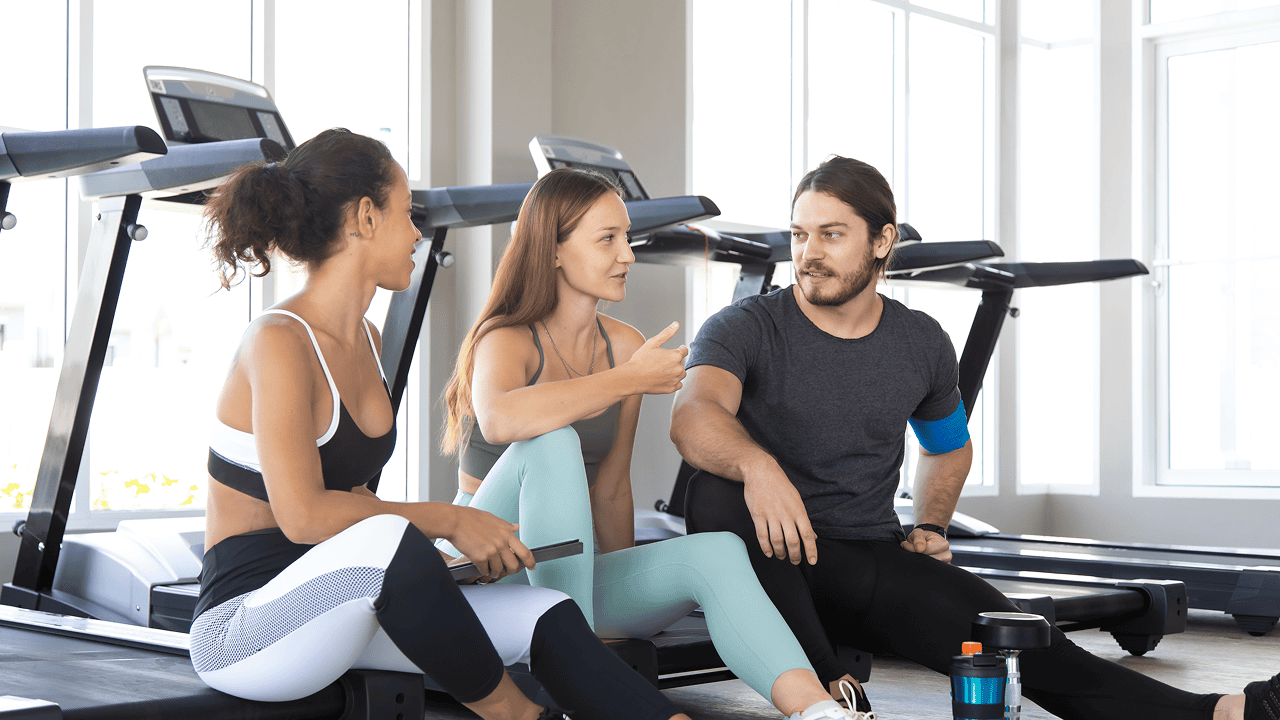
For gym owners and fitness operators, losing members is one of the most discouraging parts of running a business. Months of relationship building, onboarding, and habit formation can quietly fade when a cancellation notice arrives. Yet membership churn does not always mean the relationship is permanently over. Many former members leave due to timing, life changes, or temporary dissatisfaction rather than a complete loss of interest in fitness. Win-back campaigns exist precisely to address this gap.
Gym win-back campaigns focus on reconnecting with people who have already experienced your facility, your trainers, and your culture. Unlike first-time prospects, these individuals know what you offer and require less education to return. Re-engaging former members through thoughtful outreach can significantly reduce churn while being far more cost effective than continuous new member acquisition. When handled with care and relevance, reactivation efforts can strengthen long-term retention marketing fitness strategies.
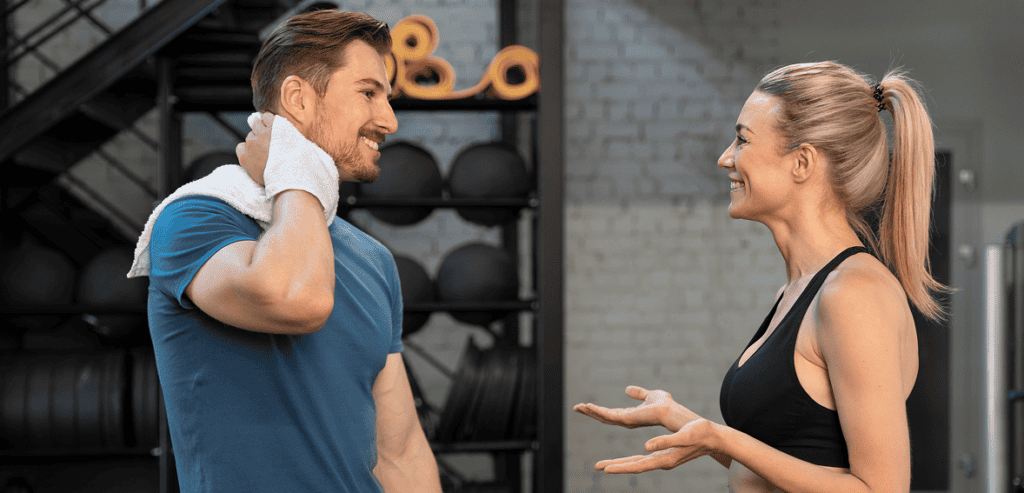
Before any re-engagement effort begins, it is essential to understand why members leave. Cancellations usually fall into a few broad categories such as budget constraints, schedule changes, relocation, motivation loss, or dissatisfaction with a specific aspect of the gym. Rarely is the decision purely emotional or impulsive. More often, it reflects a mismatch between life circumstances and the membership offering at that moment.
One of the best ways to win back a lost member is to make it clear that you understand why they left instead of just ignoring it altogether. If somebody stopped going because the place was too crowded for them, that’s a very different situation from someone who moved to a different town or was sick and couldn’t go. When fitness centers cannot differentiate between their past customers and treat them all in the same way, reopening invitations feel like mere formality and are mostly disregarded. Membership churn strategies become stronger when exit feedback is collected during cancellation or shortly after, allowing future campaigns to address real concerns rather than assumptions.
Retention focuses on keeping active members engaged, while win-back campaigns deal with people who already stepped away. This difference matters because expectations are different. Former members are not looking for motivation reminders or class schedules. They are evaluating whether returning makes sense given what changed in their lives or your gym.
Gym win-back campaigns must strike a careful balance between familiarity and renewal. Re-engaging former members works best when gyms show awareness of past relationships while highlighting meaningful updates. Simply offering a discount without context can feel transactional. Effective lapsed member marketing acknowledges history and offers a fresh reason to return, whether that means new classes, improved facilities, or more flexible plans.
Timing plays a critical role in inactive member outreach. Contacting former members too quickly can feel intrusive, while waiting too long reduces relevance. Most gyms benefit from a structured outreach timeline beginning about one month after cancellation. At this stage, emotions have cooled and routines are still flexible.
Follow-up communication around three to six months later can reintroduce your gym when circumstances may have changed again. Re-engage former members during seasonal moments such as New Year, pre-summer, or back-to-routine periods. Membership churn strategies that respect timing feel supportive rather than desperate. By spacing outreach thoughtfully, gyms maintain brand goodwill while increasing the likelihood of reactivation.

A compelling offer should make it easier for members to come back, however, it should not devalue your pricing strategy. Free weeks, waiving rejoining fees, or discounted trials for a short time are usually more effective than price reductions for the long term. The idea is to let ex-members enjoy the gym facilities once more and not to financially commit them right away.
Gym win-back campaigns are more successful when offers are positioned as invitations rather than incentives. Pairing an offer with updates about what has improved since they left adds relevance. Lapsed member marketing becomes more compelling when the message focuses on value rather than urgency. A well-designed win-back offer feels like an opportunity, not a clearance sale.
Generic messaging is one of the biggest reasons win-back efforts fail. Former members quickly recognize mass emails that lack relevance. Inactive member outreach becomes effective when communication reflects past usage, preferences, or relationships. Mentioning classes they attended, trainers they worked with, or goals they shared personalizes the message in a meaningful way.
Re-engage former members by showing that they were seen and remembered. Even light personalization can dramatically improve response rates. Membership churn strategies grounded in recognition feel human and respectful. When former members feel valued rather than marketed to, they are more open to reconsidering their decision.
Email remains the most widely used channel for win-back campaigns, but it should not be the only one. SMS can be effective for short, friendly check-ins, while phone calls work well for high-value former members or those who left after negative experiences. The key is matching the channel to the relationship.
Gym win-back campaigns should avoid overwhelming former members across multiple channels simultaneously. One or two well-timed touchpoints feel thoughtful, whereas repeated messages feel intrusive. Re-engaging former members works best when outreach feels like an open door rather than persistent pressure. Communication choice directly influences perception and response.

Some former members leave due to dissatisfaction rather than external factors. Ignoring this reality can make reactivation impossible. When gyms are aware of a past issue, addressing it openly can rebuild trust. Acknowledging mistakes and explaining improvements shows accountability and growth.
Lapsed member marketing in these situations requires humility instead of promotion. Re-engage former members with an apology and an invitation to come and see the changes for themselves. Membership churn strategies involving honesty often win back relationships that looked like they were completely gone. Conservative communication between brand and customers when reactivation is missing even keeps the brand’s image intact.
Automation makes win-back campaigns scalable, ensuring no former member is forgotten. Automated email sequences triggered at specific time intervals help maintain consistency. However, automation should support personalization rather than replace it entirely.
Gym win-back campaigns work best when automation handles timing and delivery while humans handle tone and nuance. Personalized subject lines, dynamic content, and optional follow-up by staff keep messages from feeling robotic. Re-engaging former members at scale becomes realistic when automation and human awareness work together.
Tracking performance is essential to refining inactive member outreach. Key metrics include open rates, response rates, reactivation percentage, and long-term retention of returned members. These insights reveal which messages resonate and which offers perform best.
Membership churn strategies should evaluate not only how many people return, but how long they stay after returning. A successful gym win-back campaign focuses on sustainable re-engagement rather than short-term spikes. Measurement helps gyms invest effort where it delivers long-term value and adjust strategies with confidence.
Win-back efforts should not operate in isolation. Insights gained from reactivation campaigns can inform retention improvements for active members. Patterns in why people leave often reveal gaps in onboarding, scheduling, or communication that can be addressed proactively.
Re-engage former members while also strengthening systems that prevent future churn. Retention marketing fitness strategies become more effective when win-back data is used to improve the member journey from the start. This integrated approach creates a feedback loop that supports sustained growth.
It can be a bit strange for ex-members to come back to a gym after canceling their membership. A friendly environment is very important for reactivated members to stay. The people at the front desk, the trainers, and the managers should learn how to be nice and greet the returning members positively without bringing up that they canceled before.
Gym win-back campaigns are reinforced by in-gym experiences that reflect warmth and professionalism. Inactive member outreach brings people back, but culture keeps them there. When re-engaging former members leads to positive in-person interactions, the likelihood of long-term retention increases significantly.
Not all former members should be approached in the same way, and segmentation is one of the most effective ways to improve win-back results. When gyms treat every canceled member as a single group, messages often feel generic and disconnected. Segmenting former members based on factors such as length of membership, reason for leaving, usage patterns, or time since cancellation allows outreach to feel more thoughtful and relevant.
Gym win-back campaigns become more effective when messaging aligns with each segment’s motivation. Someone who canceled after two years of consistent attendance likely needs reassurance and flexibility, while someone who left after a month may need clarity on value or guidance. Re-engage former members by reflecting their past experience rather than sending broad promotions. This approach increases response rates while protecting brand credibility.
Lapsed member marketing that uses segmentation also helps prioritize effort. High value former members with strong engagement histories often deserve more personalized attention. Membership churn strategies that focus on quality reactivation rather than volume create longer-lasting returns and stronger relationships.
Former members may hesitate to return because they are unsure whether the experience will be different from before. Social proof can help overcome this hesitation by showing real examples of current member satisfaction. Testimonials, success stories, and visible engagement on social platforms reassure former members that the gym is active, supportive, and improving.
Re-engage former members by sharing authentic stories rather than promotional slogans. Highlight member progress, community events, or positive changes that directly address common reasons for churn. Gym win-back campaigns that use social proof feel less like sales messages and more like invitations to rejoin a thriving environment.
Inactive member outreach that includes social proof also reduces perceived risk. When former members see others benefiting, the decision to return feels easier. Membership churn strategies that leverage real experiences increase credibility and emotional connection, which are often more powerful than discounts alone.
Fitness behavior is strongly influenced by seasonal patterns, and timing win-back campaigns accordingly can significantly improve results. Motivation tends to spike during periods such as the start of the year, pre-summer months, or after major holidays when routines reset. Aligning outreach with these natural cycles increases relevance.
Gym win-back campaigns that acknowledge seasonal motivation feel timely and supportive. Messaging that reflects common goals during specific periods resonates more strongly than generic reminders. Re-engage former members by framing the return as part of a broader life reset rather than a standalone decision.
Seasonal alignment additionally enables gym capacity to be handled internally. Membership churn tactics which stagger communication during times of high interest not only prevent overcrowding but also maximize conversion. When a reactivation campaign for inactive members is in line with both the customer’s mindset and the operational cycle, the success of the recovery efforts can be prolonged and will be more effective.
Winning a former member back is only the first step. Without a follow-through plan, reactivated members may churn again quickly. The post-return experience matters just as much as the outreach that brought them back. Clear onboarding support for returning members helps rebuild habits and confidence.
Re-engage former members fully by acknowledging their return and helping them reconnect with routines. This might include orientation refreshers, check-ins from staff, or guided class recommendations. Gym win-back campaigns should be paired with intentional reintegration to reinforce commitment.
Membership churn strategies that include structured follow-through improve long-term retention. When reactivated members feel supported rather than left to restart alone, they are more likely to stay. Inactive member outreach succeeds best when it connects directly to meaningful, sustained engagement inside the gym.
Win-back campaigns are one of the most underutilized tools in reducing membership churn. Former members already understand your value and require less convincing than new prospects. By focusing on timing, personalization, transparency, and respectful communication, gyms can turn churn into opportunity. Gym win-back campaigns are not about desperation but about relationship repair and renewal. Re-engage former members with empathy, relevance, and value, and many will return when the timing feels right. When paired with strong retention marketing fitness strategies, win-back efforts become a powerful driver of long-term stability and sustainable growth.
How do I find out why members left in the first place?
The most effective way is to ask during the cancellation process through short exit surveys or personal conversations. If that opportunity was missed, follow-up emails with optional feedback questions can still provide insight. Understanding why members left allows you to tailor future outreach and improve internal operations.
What is a good deal to offer to win back a former member?
Effective offers include waived rejoining fees, a free trial period, or a discounted short-term plan. The key is to reduce risk and highlight improvements. Matching the offer to the reason for leaving increases effectiveness.
How often should I contact former members?
Two to three touchpoints over six months is generally effective. Start with a friendly check-in after one month, followed by a value-focused message later, and a final offer-driven outreach around six months. Avoid over-communication.
How can I win back someone who had a bad experience?
Acknowledging the issue, apologizing sincerely, and explaining what has changed can rebuild trust. Pair this with a no-pressure invitation to return. Transparency shows respect and can repair damaged relationships.
Can automation help with win-back campaigns?
Yes, automation ensures consistent outreach and timing. However, personalization remains essential. Combining automated delivery with human oversight produces the best results for re-engaging former members at scale.

People rarely join a gym only for machines or square footage. What many are really looking for is a sense of belonging, motivation, and shared identity. In an increasingly digital and isolated world, gyms have the opportunity to become physical gathering spaces where people connect around health, movement, and lifestyle. Community focused initiatives transform gyms from transactional fitness facilities into meaningful local hubs.
Gym community events and educational sessions create experiences that extend beyond workouts. They encourage members to interact, learn, and support one another, which deepens loyalty and strengthens retention. When done consistently, member workshops and social activities build emotional ties that standard memberships cannot.
Modern gym members have countless fitness options, from at home workouts to boutique studios and digital subscriptions. What differentiates a local gym is not just equipment variety but the relationships built inside the space. Community driven gyms offer accountability, encouragement, and familiarity, which are powerful motivators for consistency.
Gym community events help narrow the gap between personal workouts and shared experiences. When members come across familiar faces outside their normal schedules, the gym becomes a more inviting and personal place. These ties not only make the gym less scary for newcomers but also give fresh energy to old-timers. In fact, the feeling of being a part of a community actually becomes the main reason why people continue to go in spite of having other options.
From a business perspective, community creates resilience. Members who feel connected are less price sensitive and more forgiving during challenges. Investing in events and workshops is therefore not an extra activity but a strategic approach to retention and brand strength.
Successful gym community events strike a balance between fun, accessibility, and purpose. Social focused activities such as member appreciation nights, anniversary celebrations, or seasonal get togethers allow members to relax and interact without performance pressure. These events humanize the gym environment and encourage friendships that extend beyond workouts.
Fitness focused initiatives such as challenges, themed workout days, or friendly competitions bring a sense of structure and fun. Team based challenges not only promote working together and sharing responsibility but also help when the focus of the goals is on participation rather than performance only. These kinds of events are attractive to people with different fitness levels and foster an atmosphere of inclusivity.
Educational member workshops complement social and fitness events by providing practical value. Nutrition talks, injury prevention sessions, mobility clinics, and mindset workshops reinforce the gym’s role as a trusted wellness resource. Together, these varied formats keep engagement fresh while supporting different member interests.
Fitness workshops allow gyms to demonstrate expertise beyond programming classes. They provide structured learning experiences that empower members with knowledge they can apply immediately. Topics such as proper lifting technique, recovery strategies, or goal setting help members feel more confident and supported.
Unlike regular classes, workshops create space for questions and discussion. This interactive format strengthens trust between members and staff, positioning trainers as approachable guides rather than distant instructors. Over time, this trust supports upsells into personal training, specialty programs, or advanced services.
Fitness workshops also appeal to potential members who may not be ready to commit to a membership. Hosting open workshops introduces the gym to the wider community in a low pressure way. This makes workshops a powerful tool for both education and local gym outreach.
Effective planning keeps events sustainable rather than stressful. Start with clear objectives, whether the goal is member retention, new lead generation, or community goodwill. This clarity shapes decisions around format, budget, and promotion.
Scheduling is of great importance. The events should be actually scheduled when the people are highly available rather than at the time of highest work stress. Most of the time evenings and weekends are the most convenient time, however, the regularity is more important than the number of times. A monthly or quarterly pattern keeps the excitement of the meeting going without overloading the employees.
Staff involvement should feel collaborative rather than burdensome. Assign roles based on strengths, such as promotion, hosting, or logistics. When teams feel ownership, energy and execution improve. Thoughtful planning ensures gym social events enhance operations rather than disrupt them.
Great events fail without visibility. Promotion should begin inside the gym, where members already feel engaged. Simple conversations at check in, class announcements, and in gym signage make events feel personal rather than transactional.
Digital mediums help you reach more people and keep spreading the message. Email newsletters, member groups, and social media posts work together to reinforce awareness and excitement. Focusing on the benefits rather than the details is a great way to get people interested. Instead of just giving time and date, highlight the fun, learning, or exclusivity aspects.
Members inviting their friends is one way of getting the message further. Gym community events can be great entry points for non-members, especially workshops or charity-driven initiatives. If you state clearly whether events are open, free, or donation based, you will avoid confusion and gain people’s trust.
Local partnerships amplify reach while sharing costs and expertise. Collaborating with health food stores, physiotherapists, dietitians, or wellness brands adds credibility and variety to member workshops. These partners benefit from exposure while members gain access to complementary knowledge or products.
Co hosted events feel richer and more dynamic. A nutrition workshop with a local expert or a recovery session featuring a physiotherapy clinic elevates perceived value. These collaborations position the gym as a connector within the local wellness ecosystem.
Partnerships also strengthen local gym outreach. Cross promotion introduces the gym to new audiences and builds goodwill within the community. Over time, these relationships create a network effect that benefits all involved.
Cause driven events resonate deeply with members who want their fitness efforts to mean something beyond themselves. Charity workouts, fundraising challenges, or donation based classes align physical activity with social impact.
Such events are greatly anticipated by the outside community and often attract participants from beyond the gym, thus enhancing the gym’s visibility and goodwill. They also foster the formation of emotional memories that members regularly share, which results in strengthened relationships among them. Moreover, purpose oriented activities serve as a living manifestation of the gym’s values and culture.
From a business standpoint, charity events generate positive associations that are difficult to replicate through traditional marketing. They showcase the gym as a community contributor rather than just a business, enhancing long term reputation.
Inclusivity is essential for successful gym social events. Activities should feel welcoming regardless of fitness level, age, or experience. Avoid formats that favor only advanced members or specific demographics.
Small gestures help improve accessibility. Clear descriptions, options that are friendly to beginners, and non-competitive framing work to reduce anxiety. Social mixers, coffee meetups, or outdoor group walks could be equally as beneficial as high, intensity workouts.
Inclusive events reinforce member community engagement by ensuring no one feels left out. Over time, this openness attracts more diverse memberships and strengthens the gym’s role as a shared space rather than a niche club.
Tracking impact helps justify ongoing investment. Attendance numbers provide basic insight, but deeper indicators matter more. Retention trends, referral activity, and informal feedback reveal how events influence behavior.
Post event surveys or casual conversations help capture qualitative feedback. Members often share insights about what made them feel connected or motivated. These responses guide future planning and refinement.
Community initiatives also generate valuable marketing content. Photos, testimonials, and stories from events reinforce brand identity and attract like minded prospects. Measuring both operational and emotional outcomes provides a full picture of value.
One off events create temporary excitement, but consistency builds culture. Successful gyms treat community initiatives as an ongoing strategy rather than occasional experiments. Regular touchpoints help members anticipate connection as part of their membership.
Staggering formats keeps programming fresh. Rotating between gym community events, educational member workshops, and social gatherings maintains interest across different preferences. This variety supports sustained engagement over time.
Embedding events into the gym calendar normalizes participation. When community becomes expected rather than optional, members integrate it into their routines, strengthening loyalty and identity.

Staff play a central role in shaping event experiences. When trainers and front desk teams are enthusiastic, members respond. Supporting staff with clear expectations, recognition, and involvement encourages authentic engagement.
Community initiatives also benefit staff morale. Events allow teams to interact with members in relaxed, positive settings, strengthening relationships. This human connection reduces burnout and enhances job satisfaction.
Training staff to facilitate rather than control events keeps experiences genuine. The goal is connection, not perfection. When staff feel empowered, community efforts flourish organically.
Community driven gyms offer more than physical training. They provide shared experiences, learning opportunities, and social connections that transform fitness into a lifestyle. Gym community events and thoughtfully designed member workshops build emotional ties that traditional memberships cannot replicate. When supported by consistent planning, inclusive design, and strategic partnerships, these initiatives strengthen member community engagement and local visibility. Fitness workshops, gym social events, and outreach activities position the gym as a trusted wellness hub rather than just a place to exercise. Ultimately, the strongest gyms are those where members feel known, supported, and connected. By investing in community experiences alongside fitness programming, gym owners create environments where people choose to stay, participate, and advocate, turning the gym into a true local hub.
Gyms can begin with simple, low barrier initiatives that require minimal setup. Member appreciation evenings, charity workouts with small donations, or short educational talks hosted by in house trainers are effective starting points. These events focus on connection rather than complexity and help build confidence in organizing future activities.
Consistent, personal promotion works best. Mention events during check ins, classes, and conversations. Use email and social media to reinforce details, and encourage staff to share enthusiasm. Highlight what makes the event enjoyable or valuable rather than just logistical information.
Yes, and often even more so. Smaller gyms create intimate experiences that feel special and personal. Events such as small group workshops, outdoor sessions, or casual social meetups fit limited space while fostering strong connections. Size does not limit community.
They strengthen retention, increase referrals, and differentiate the gym from competitors. Members who feel connected are more loyal and more likely to recommend the gym. Events also create marketing opportunities and enhance brand image within the local community.
Health focused businesses such as dietitians, physiotherapists, wellness brands, and cafés are natural fits. These partners bring expertise or resources while expanding reach. Mutually beneficial collaborations reduce costs and increase event value.

For many parents, staying consistent with fitness is less about motivation and more about logistics. Finding time to work out while managing school schedules, childcare responsibilities, and household demands is a constant challenge. This is where family-friendly fitness strategies can make a real difference. Gyms that recognize these realities and adapt their offerings accordingly are better positioned to attract, retain, and truly support parent members.
Adding gym childcare services, kids’ programs, or structured youth activities transforms a gym from a personal fitness space into a family oriented environment. Gym childcare and related services are no longer seen as niche add ons. They are increasingly viewed as essential features for parent-friendly gym models. When implemented thoughtfully, these strategies reduce barriers to attendance, strengthen member loyalty, and open access to an underserved but highly motivated audience of parents.
Gym daycare services specifically target one of the most popular reasons that parents give for not exercising. Without a safe and responsible way to watch young children, many parents simply choose not to exercise at all. A parent-friendly gym that provides a safe and supervised environment for children allows parents to exercise while knowing that their children are safe and sound.
Family-friendly exercise environments also promote long-term retention. Parents who discover a gym that meets their needs are less likely to leave their memberships during busy family periods. Gym daycare services are particularly attractive to parents of young children, for whom other childcare alternatives may be limited or costly. Even a small amount of childcare during peak periods can make a big difference in attendance. Gyms that support parents in this way often build stronger emotional connections with members, moving beyond transactions to trusted community spaces.
Safety is the foundation of any gym childcare setup. A designated kids’ zone should be physically separated from workout areas, fully childproofed, and designed specifically for children rather than adapted from unused gym space. Flooring, furniture, toys, and layout must all prioritize safety and age appropriate engagement.
Staffing is equally important. Caregivers should have experience working with children, along with background checks and basic first aid or CPR training. Many gyms also establish clear check in and check out procedures to ensure children are released only to approved guardians. Licensing requirements vary by location, so gyms must confirm local regulations before launching gym daycare services. A well designed, well staffed kids’ area reassures parents and reinforces trust in the gym’s commitment to family-friendly fitness.

While childcare at the gym is primarily about supervision, kids fitness programs are one step ahead of engagement. Structured classes cater to children by making the introduction to movements fun and supportive, thus laying the foundation for healthy habits. Youth classes gym offerings can include very simple fitness games, initiation to strength movements, dance based sessions, or coordination activities that are designed for different age groups.
Kids fitness programs also turn time at the gym into a positive experience rather than just waiting for a parent to finish working out. For gyms, these programs create additional value and sometimes new revenue streams. Parents appreciate services that benefit their children as much as themselves. Over time, youth classes and gym initiatives help position the gym as a family wellness hub rather than an adult-only space.
Family-friendly fitness does not always require separating parents and children. Some gyms successfully offer shared activities that bring families together. Weekend family workout sessions, parent and child classes, or seasonal fitness events encourage joint participation and enjoyment.
These experiences are especially appealing for parents who want to model healthy behaviors for their children. Family workouts build a sense of inclusion and reduce the feeling that fitness competes with family time. From a branding perspective, these initiatives strengthen community identity and differentiate the gym from competitors. A parent-friendly gym that welcomes families creates lasting impressions that go well beyond traditional membership benefits.
Adding gym childcare or kids programs introduces new operational responsibilities. Staffing schedules must align with peak parent attendance times, often mornings, late afternoons, or weekends. Clear ratios of caregivers to children are essential for safety and quality.
Training should extend beyond childcare basics to include emergency procedures, communication with parents, and coordination with front desk staff. Scheduling systems must track children’s attendance just as carefully as adult check ins. For family-friendly fitness strategies to succeed, childcare operations must feel professional, consistent, and reliable. When operations run smoothly, trust grows and utilization increases.
Childcare is a service that must be very carefully managed in terms of liability. Fitness centers should double-check whether their insurance policies cover childcare and youth programming. Typically, insurance companies demand special riders or policy amendments to cover gym daycare and kids fitness classes.
Parent waivers are the norm, however, they need to be very comprehensible about risks, duties, and how children are supervised. Regular inspections of the premises, monitoring of equipment, and keeping up with the cleanliness standards help to lower the risk even more. Handling gym childcare with the same degree of concern as workout safety will lead to the children and the establishment being well-protected. A parent, friendly gym will help families to feel secure as it gives them the assurance that safety is never sacrificed for convenience.
Introducing gym childcare and youth classes gym services does add costs. These include space modifications, equipment, staffing, training, insurance, and cleaning. However, these investments often lead to higher membership acquisition, improved retention, and reduced churn among parents.
Many gyms offset costs through childcare fees, premium membership tiers, or limited complimentary hours per week. Others find that increased membership stability justifies the expense. Family-friendly fitness strategies also attract referrals within parent networks, which reduces marketing costs over time. When evaluated holistically, gym childcare often delivers strong long term value rather than short term profit alone.
Promoting family-friendly features requires empathy and clarity. Parents want to know exactly how childcare works, when it is available, and who is supervising their children. Messaging should focus on relief, convenience, and peace of mind rather than overselling features.
Highlighting gym childcare, kids fitness programs, and parent-friendly gym values on websites, tours, and social media builds awareness. Visual content showing welcoming kids’ spaces and family events helps parents imagine themselves there. Clear communication builds trust and sets realistic expectations. When done well, family-focused marketing resonates deeply and encourages word of mouth within parent communities.
Family-friendly fitness strategies often result in stronger long term loyalty than traditional gym features. Parents who feel supported are more likely to stay through different life stages, even when workout frequency fluctuates. Over time, children who participate in youth classes gym activities may grow into future members themselves.
By integrating gym childcare and kids programs thoughtfully, gyms create multigenerational value. This approach positions the gym as part of a family routine rather than an optional extra. In an industry where retention is a constant challenge, family inclusion becomes a powerful differentiator.
One of the most important factors in successful gym childcare is scheduling. Parents typically plan workouts around school drop offs, pickups, nap times, and work hours. If childcare availability does not align with these routines, even the best facilities may remain underused. A parent-friendly gym pays close attention to when members actually want to train rather than offering generic childcare hours.
Usually, mornings are preferred by parents who are home based, whereas the time in late afternoon as well as the early evening is suitable for working families. On the other hand, the possibility of a weekend can be a major differentiator, especially for those who find it difficult to exercise during the week. Family-friendly fitness approaches are most effective when the schedule is based on the actual behavior and feedback of the members. Surveys and attendance tracking allow the gyms to fine tune the hours gradually. Whenever a few hours of childcare seem to be intentionally designed rather than limited or inconvenient, parents are highly likely to develop consistent workout habits and keep their loyalty to the gym.
Children of different ages have very different needs, attention spans, and energy levels. Treating all children the same in a gym childcare setting can lead to frustration for both kids and caregivers. Successful gym daycare models recognize these differences and create age-appropriate experiences that keep children engaged and comfortable.
Younger children often need quiet play areas, simple toys, and comforting routines, while older kids benefit from structured activities and movement based games. Youth classes gym offerings are particularly effective when grouped by age range so instruction and pacing feel natural. Family-friendly fitness environments thrive when children look forward to visiting the gym rather than resisting it. Designing experiences that respect developmental stages improves safety, enjoyment, and overall satisfaction. Parents notice when their children are happy and well cared for, which directly influences how often they choose to return.
Capacity management is a common challenge in gym childcare operations. During peak hours, demand may exceed available space or staff, leading to waitlists or turned away families. Poorly managed capacity can frustrate members and reduce trust, even if overall service quality is high.
A parent-friendly gym model typically establishes straightforward rules about the maximum number of people allowed in the facility and the number of caregivers per child to keep the environment safe and provide them with consistent experiences. Some gyms manage demand at peak times by introducing a booking system, others by giving out session times in such a way that attendance is evenly distributed. Defining a limit very clearly to the public can work very well as it helps a lot in setting the right expectations of people as well as avoiding them feeling let down. A well put-together child care at the gym will be successful if parents can trust that when they come in they will find the child care readily available, not booked out. Careful considerations of capacity limit help in maintaining both the smooth running of the business and the satisfaction of the customers.

Family needs change over time, and successful gyms evolve with their members. What works for parents with toddlers may not suit families with school aged children. Adapting offerings ensures that family-friendly fitness remains relevant across different life stages. As children grow, gym childcare may transition into kids fitness programs, youth classes gym activities, or supervised homework and activity zones. Older children often value independence and skill building, while parents appreciate services that continue to support their routines. Gyms that plan for these transitions retain families longer and strengthen lifetime value. By viewing family-friendly fitness as a long term relationship rather than a temporary feature, gyms create continuity and deeper community connections that benefit both members and the business.
Gym childcare is becoming more common, especially in large fitness centers and family oriented clubs. Industry surveys suggest that roughly a quarter of gyms offer some form of childcare, with the number continuing to grow. Many smaller or boutique gyms still do not offer it due to space or cost constraints, which means adding gym daycare can be a strong competitive advantage.
Liability is a critical consideration. Gyms must ensure appropriate insurance coverage for childcare services and have parents sign clear waivers. Background checks for staff, secure check in procedures, and childproofed spaces are essential. Treating childcare safety with the same rigor as workout safety significantly reduces risk.
Start by assessing interest among your members. Decide on age groups and program types, then hire instructors experienced in youth fitness. Schedule classes at family-friendly times such as weekends or after school hours. Well structured kids fitness programs enhance value for parents and support youth engagement.
Costs include space setup, equipment, staffing, insurance, and cleaning. Many gyms charge small childcare fees or include access in higher tier memberships. While there are ongoing expenses, many gyms find that improved retention and new member growth offset these costs over time.
Make gym childcare and kids programs highly visible in marketing. Use clear messaging, photos, and tours to show how the services work. Family-focused events and open houses also help parents experience the environment firsthand. Word of mouth within parent networks often becomes one of the strongest growth drivers.
By prioritizing gym childcare, kids fitness programs, and parent-friendly gym strategies, fitness businesses can remove one of the biggest barriers parents face. Family-friendly fitness is not just a service offering. It is a long term strategy that supports inclusion, loyalty, and sustainable growth.

Music plays a powerful role in shaping how people feel during a workout. The right track can push someone through the final minutes of a run, help maintain rhythm during strength training, or create calm during a stretch or yoga session. For gym owners, music is more than background noise. It is part of the overall experience that members associate with the brand. However, creating the right sound environment involves more than just picking popular songs. There are important legal and technical considerations that many gyms overlook until problems arise.
Gym music licensing and fitness center ambiance go hand in hand. While music motivates and energizes members, it must also be used legally and managed carefully within the physical space. This article looks at how gyms can create an effective sound environment while staying compliant with copyright laws. It explains why personal streaming accounts are not allowed, how music licensing works, and how smart sound system planning supports gym atmosphere management. By understanding both the legal and practical sides, gym owners can design a motivating atmosphere that enhances workouts without risking penalties.

Music directly affects perception, mood, and performance. Research and practical experience have proven that rhythm and tempo can affect exercise intensity and endurance. In a gym environment, music can help establish the level of intensity and energy in various zones. Upbeat and energetic songs can stimulate activity in cardio zones, while stronger beats can help with concentration and weight training in weight training zones. Even background music configurations in locker rooms or lounges affect how gym-goers perceive the gym.
Fitness center ambiance is built through consistency. When members walk into a gym and immediately recognize its sound style, the environment feels intentional and professional. Music contributes to that identity just as much as branding or interior design. When sound feels chaotic or mismatched, it distracts rather than motivates. Thoughtful gym atmosphere management treats music as a strategic element, not an afterthought.

Many gym owners assume that playing the radio or a personal playlist is harmless. In reality, this is one of the most common compliance mistakes. Playing music in a commercial environment is considered a public performance under copyright law. This means businesses must obtain proper permission to play copyrighted music publicly. Gym music licensing exists to ensure artists, songwriters, and publishers are compensated when their work is used in commercial spaces.
Legal music in gyms is not optional. Without proper licenses, gyms risk receiving cease and desist notices or facing significant fines. Fitness center ambiance should never come at the cost of legal exposure. Understanding licensing requirements early helps gym owners avoid stress and unexpected expenses while operating responsibly.
Music licensing is typically managed through performing rights organizations. In the United States, the most well known organizations include ASCAP, BMI, and SESAC. These organizations represent songwriters and publishers and issue licenses that allow businesses to play music from their catalogs legally. A blanket license from one or more of these groups allows gyms to play a wide range of music without negotiating individual song rights.
The cost of licensing gym music can also vary depending on a number of factors, including the size of the gym, the number of members, and the intended use of the music. For instance, the cost of licensing music used as background music may be different from the cost of licensing music used in instructor-led classes. While this may seem complicated, many gyms have actually made the process simpler by using business music services.
A common misconception is that paying for a personal streaming service makes music legal to play anywhere. In reality, personal accounts on platforms like Spotify or Apple Music are licensed for individual, private use only. Using them in a gym violates their terms and copyright law. This applies even if the account is paid and ad free.
Legal music in gyms requires a public performance license, which personal streaming plans do not provide. Business focused platforms exist specifically to address this gap. These services offer curated fitness playlists and include proper licensing fees. Choosing the right service protects gym owners legally while also providing music suited to workout environments. Treating licensing seriously is a foundational part of responsible gym atmosphere management.
Gyms are not single use spaces. A cardio area, a strength training zone, a group class studio, and a stretching corner all have different energy needs. Sound system fitness planning should account for these differences. Playing the same volume and style everywhere often leads to discomfort and complaints.
Zoning allows gyms to adjust volume and music type based on activity. Louder and more upbeat tracks work well in group classes and high intensity areas. Moderate energy music suits general workout floors. Quieter or more relaxed tracks fit recovery areas and locker rooms. Background music gym design should support activity rather than overpower it. By managing sound zones carefully, gyms create balance instead of noise.
The quality of music experience depends heavily on sound system fitness design. Poor speaker placement or uneven distribution can result in dead zones, echoes, or overwhelming noise near equipment. High ceilings, hard floors, and metal surfaces common in gyms can amplify sound in undesirable ways.
Effective gym atmosphere management includes assessing acoustics and adjusting accordingly. Evenly spaced speakers allow lower volume levels while maintaining clarity. Acoustic panels or sound absorbing materials help reduce echo in large spaces. Volume controls should be adjustable by zone so that energy levels can be tailored throughout the day. A well designed system improves clarity and comfort without relying on excessive volume.
Fitness center ambiance evolves throughout the day. Early morning gym users may prefer motivating but not overwhelming music. Midday periods might call for lighter background music gym setups, while evening peak hours may demand higher energy tracks. Understanding member patterns allows gyms to align music with expectations.
Gym atmosphere management also benefits from considering the target audience. A gym catering to young professionals may lean toward contemporary hits, while another focused on general wellness may favor more neutral or instrumental tracks. Matching music style to audience preferences helps members feel understood and comfortable, reinforcing loyalty and satisfaction.
Music directly impacts brand perception. Just as logos and interior design, music is an emotional trigger. By having a consistent approach to music selection, members will begin to associate a certain energy or vibe with the gym. This sound identity can be a subtle yet powerful differentiator.
Legal music in gyms helps with this long-term branding strategy. By using licensed music services, gyms can provide members with playlists designed specifically for certain moods and activities. This helps to ensure consistency in sound identity. Over time, music becomes part of the overall experience that members can recognize and appreciate.

Loud music does not always mean better energy. Over time, excessive volume leads to fatigue, irritation, and even member complaints. Staff may also experience burnout when working long shifts in loud environments. Effective gym atmosphere management focuses on clarity and balance rather than sheer loudness.
Volume should enhance motivation without interfering with communication. Members should be able to hear instructors and interact without shouting. Sound system fitness planning that emphasizes even distribution allows lower overall volume while preserving impact. Thoughtful volume control keeps the environment energized but comfortable.
Failing to follow gym music licensing requirements can result in serious consequences. Copyright enforcement agencies actively monitor commercial spaces. In some cases, gyms have faced substantial penalties for unlicensed music use. Fines for willful infringement can reach thousands of dollars per song per incident.
Beyond financial penalties, legal action can disrupt operations and damage reputation. Cease and desist orders may require immediate removal of music until compliance is achieved. Compared to these risks, licensing fees are relatively modest. Compliance ensures peace of mind and uninterrupted service, making legal music in gyms a responsible business decision.
Selecting the right music solution involves balancing budget, ease of use, and musical quality. Many gyms choose business music providers that include licensing and playlist management in one package. These services are tailored to fitness environments and often allow control by time of day or area.
Gym music licensing becomes simpler when handled through a single provider. This approach eliminates the need to manage relationships with multiple licensing organizations independently. It also supports consistent sound delivery across locations if the gym expands. Choosing a reliable licensed solution supports long term gym atmosphere management goals.
Consistency means that employees must understand how music systems are used. Unintended changes to playlists or volume levels could disrupt planning. Employees should be trained on the basics of sound system use and the need to comply with licensing.
Guidelines help avoid accidental misuse, such as connecting personal devices to the sound system. When employees understand the reasoning behind guidelines, they are more likely to comply. This consistency helps to achieve a fitness center atmosphere and safeguard the gym.
Gyms evolve as membership grows, classes change, and new equipment is added. Music strategy should evolve alongside these changes. Regular review of playlists, volume levels, and member feedback helps keep the environment fresh and relevant.
Gym atmosphere management is not a one time task. Seasonal changes, new demographics, and updated branding may require adjustments. Licensed music services make adaptation easier by offering updated playlists and customization options. Staying flexible ensures music continues to support the gym experience effectively.
Music influences how members feel about their workouts. A motivating and comfortable sound environment encourages longer stays and repeat visits. Over time, this contributes to retention and positive word of mouth.
Fitness center ambiance that feels intentional signals professionalism and care. Members may not consciously analyze music choices, but they feel the impact. When music aligns with activity and mood, workouts feel smoother and more enjoyable. This emotional connection plays a subtle but important role in member loyalty.
Music is a potent element in designing the gym experience, but it has to be managed carefully and within the law. Gym music licensing helps gyms stay on the right side of the law while allowing them to design a motivating and professional atmosphere. The fitness center atmosphere is more than just sound levels and song selection. It encompasses factors such as zoning, acoustics, timing, and consistency. With proper investment in legal music in gyms and sound system fitness planning, gym owners safeguard their business and improve member satisfaction. Proper gym atmosphere management helps gym owners leverage music as a strength instead of a weakness. When done correctly, music helps with performance, builds brand, and provides a workout environment that members want to come back to.
Personal streaming services are licensed for private use only. Even paid individual accounts do not allow public performance in commercial settings. Using them in a gym violates copyright law and platform terms. Gyms require a public performance license or a business music service that includes licensing. Legal music in gyms ensures artists are compensated and protects the business from penalties.
A music licensing fee is payment made to performing rights organizations that represent song creators and publishers. Gyms typically purchase a blanket license that allows them to play a wide range of music legally. Fees depend on factors such as facility size and music usage. Many gyms use third party providers that bundle licensing with curated playlists for simplicity.
Gyms that play unlicensed music risk legal action and significant fines. In serious cases, penalties can reach thousands of dollars per song. Businesses may also receive cease and desist notices requiring immediate removal of music. Compared to these risks, proper gym music licensing is a small and necessary investment.
Start by assessing the physical space. High ceilings and hard surfaces can cause echoes. Even speaker distribution allows lower volumes with better clarity. Acoustic panels or sound absorbing materials help reduce noise issues. Zoning speakers by area supports balanced sound and better gym atmosphere management.
The best music depends on the area and activity. Faster tempos work well in cardio zones. Strength training areas often favor intense genres like rock or hip hop. Group classes should match the class style, such as calm music for yoga or energetic tracks for dance fitness. Mixing familiar songs with new ones helps avoid playlist fatigue and keeps the environment engaging.
Technology is reshaping how people exercise, track progress, and engage with fitness facilities. Gyms are no longer just rooms filled with weights and machines. They are becoming connected environments where data, personalization, and user experience play a central role. Smart gym equipment and IoT fitness technology are driving this change by turning traditional machines into interactive tools that respond to users and generate valuable insights for operators.
For gym owners, connected tech is not simply about keeping up with trends. It is about improving member satisfaction, optimizing operations, and future-proofing the facility. Connected fitness machines can track usage, monitor performance, and integrate seamlessly with apps and wearables. As expectations rise and competition increases, understanding how smart equipment data and gym IoT devices work together has become essential for modern fitness businesses.
Smart gym equipment refers to machines that are equipped with sensors, connectivity, and software that allow them to collect and share data. Unlike traditional machines that operate in isolation, these connected systems communicate with apps, cloud platforms, and sometimes with other machines on the gym floor. This connectivity is the foundation of IoT fitness technology.
At a basic level, smart gym equipment can track metrics such as repetitions, resistance, speed, and heart rate. More advanced systems offer guided workouts, automatic adjustments based on user profiles, and real-time coaching feedback. For members, this means workouts feel more personalized and engaging. For gym owners, it means access to smart equipment data that reveals how the facility is actually being used.
One very obvious benefit of smart gym equipment is the ability to track workouts in real-time. Fitness machines that are connected to the internet can automatically count reps, measure time under tension, and monitor cardio intensity thus deepening the fitness experience without the user having to manually log anything. Doing so, removes the barrier and hence, encourages the members to be more consistent, especially those who are data driven in their progress.
Even after the basic tracking, some types of smart equipment give you form guidance and coaching cues. For example, sensors can detect your movement patterns and give you feedback so that you can adjust your posture or cadence. Such a feature is extremely helpful for novices who might get scared when they see free weights or complicated machines. By delivering guidance directly through the equipment, gyms can enhance safety and confidence without requiring constant staff intervention.
IoT fitness technology connects individual machines into a broader ecosystem. Each piece of equipment becomes part of a network that sends and receives data. This network can include cardio machines, strength stations, wearables, and mobile apps, all communicating in real time.
From an operational perspective, gym IoT devices provide visibility that was previously unavailable. Owners can see usage patterns across different times of day, track how often machines are used, and identify underutilized areas of the floor. This connected view transforms the gym from a static space into a dynamic system that can be adjusted based on real behavior rather than assumptions.

Real-time workout tracking is one of the strongest drivers of member engagement. When progress is captured automatically and displayed clearly, members feel more motivated to return and improve. Smart gym equipment removes the burden of manual logging and turns workouts into measurable experiences.
Connected fitness machines often sync with mobile apps, allowing members to review sessions, track trends over time, and set goals. This continuity creates a sense of ownership over progress. For gyms, real-time workout tracking supports retention by reinforcing the value of membership beyond access to physical space.
Maintenance is one of the most practical applications of IoT fitness technology. Traditional maintenance schedules are often based on fixed intervals rather than actual usage. Smart equipment data changes this by showing how frequently each machine is used and how hard it is being worked.
Gym IoT devices can also flag performance issues before they become visible problems. For example, a treadmill may detect motor strain or belt wear and alert staff early. This proactive approach reduces downtime, improves safety, and extends equipment lifespan. For operators, data driven maintenance supports better budgeting and fewer unexpected disruptions.
Having this information about equipment usage is essential for layout design and staffing. The fitness technology offered by IoT helps gym owners understand usage patterns, including peak usage times and traffic flow patterns on the gym floor.
The data from smart equipment allows gym owners to determine areas that are overcrowded and areas that are underutilized. This information can be used to make decisions about layout design, equipment purchases, or class offerings. Rather than making decisions based on member feedback, gym owners can now make decisions based on actual usage patterns.

One of the most appealing aspects of connected fitness machines is their ability to integrate with wearables and gym apps. Members can log in to a machine using a phone or wearable, and the equipment automatically adjusts settings based on their preferences or training history.
This integration allows workouts to follow members from machine to machine. Their history, targets, and progress are carried forward without manual input. For many users, this seamless experience is a major upgrade from traditional gyms. Member integration strengthens engagement by making workouts feel personalized and consistent across visits.
Smart fitness equipment also enables structured training plans. Personal trainers can create training plans that are directly pushed to equipment, leading members through their training in a step-by-step process. Resistance levels, intervals, and rest periods can all be set to automatically adjust.
This functionality adds to the value of personal training services while enabling trainers to extend their reach. Members benefit from consistent instruction, while trainers have access to performance data that informs their coaching. Smart fitness technology fills the gap between planning and execution.
As gyms collect more data, privacy and security become critical considerations. Smart gym equipment may collect performance metrics, biometric data, and usage habits. Members need to trust that this information is handled responsibly.
Gym owners must ensure that vendors follow strong security standards and comply with relevant privacy laws. Transparency is essential. Members should understand what data is collected, how it is used, and how they can control access. A clear privacy policy and opt-in approach help maintain trust while still leveraging the benefits of smart equipment data.
Cost is one of the biggest concerns when upgrading to smart gym equipment. Fully replacing an entire gym floor with new connected machines can be expensive. However, adoption does not need to happen all at once.
Many gyms begin with selective upgrades, adding a few connected fitness machines as premium offerings or pilot programs. Others choose leasing models to spread costs over time. Budgeting decisions should account not only for upfront expense but also for long term operational savings, improved retention, and potential new revenue opportunities tied to smart services.
Not every gym needs to start from scratch. Some gym IoT devices are designed to retrofit existing equipment with sensors that track reps, load, or usage. Retrofitting can be a practical entry point for facilities with solid equipment that is not yet connected.
Buying new smart gym equipment offers deeper integration and advanced features, but retrofitting allows gradual adoption. The right approach depends on budget, facility age, and strategic goals. Many gyms use a hybrid approach, combining new connected fitness machines with upgraded legacy equipment.
Adoption of technology will only be successful if the staff are aware of and on board with the technology. The training staff and floor staff have an important role to play in educating members on how to use the connected equipment. Otherwise, the advanced technology may never be used.
Staff training needs to be more functional than technical. If the staff feel confident in explaining the features and responding to questions, the adoption rate will improve. Eventually, smart gym equipment will become a normal part of the gym environment and not something that is intimidating or optional.
Members may not automatically explore advanced features on their own. Clear communication helps them see the value of IoT fitness technology. Introductory sessions, signage, and app walkthroughs can support adoption.
When members understand how real-time workout tracking works and how to access their smart equipment data, they are more likely to engage. Education turns connected fitness machines from novelty into meaningful tools for progress.
Retention is one of the biggest challenges in the fitness industry. Smart gym equipment addresses this by making workouts more engaging and progress more visible. When members can clearly see improvement over time, motivation increases.
Connected fitness machines also create switching costs. Members who build workout histories and routines within a gym’s ecosystem are less likely to leave. IoT fitness technology supports retention by embedding value into the daily experience rather than relying on external motivation alone.
These layout decisions impact the movement of the members within the facility and their interaction with the equipment. The Gym IoT equipment offers proof of the areas that are congested and the areas that are avoided. This information can be used to make layout modifications.
The data from the smart equipment could indicate that some equipment is in high demand at certain times of the day, indicating the need for modification.
For gym brands with multiple locations, consistency and visibility become more complex. IoT fitness technology allows centralized monitoring of equipment performance and usage across sites.
Smart gym equipment generates standardized data that supports comparison and benchmarking. Operators can identify best performing layouts, equipment mixes, or programs and replicate them elsewhere. Scaling becomes more controlled and less dependent on local guesswork.
The connected gym equipment market is growing rapidly and shows no signs of slowing. As technology advances, features will become more integrated and affordable. What feels premium today may become standard in the coming years.
Gyms that begin exploring IoT fitness technology now gain experience that prepares them for future innovations. Early adoption does not require full transformation, but it does require curiosity and strategic thinking. Prepared facilities adapt more easily as expectations evolve.
Not all gyms require the same level of connectivity. This is because boutique gyms, large fitness clubs, and community gyms cater to different audiences. Assessing the demographics and training styles of gym members, as well as brand positioning, will help determine the best approach.
Intelligent gym equipment will work best when it meets the expectations of gym members. This is because understanding the problems that need to be solved will ensure that technology is used for a purpose and not as a distraction.
Smart gym equipment and IoT fitness technology are transforming how gyms operate and how members experience exercise. Connected fitness machines provide real-time workout tracking, personalized guidance, and valuable smart equipment data that supports better decisions. For operators, gym IoT devices unlock insights into usage, maintenance, and layout that were previously difficult to access. Upgrading to connected technology does not have to be all or nothing. Thoughtful planning, phased adoption, and clear communication help gyms modernize without disruption. As this technology becomes more mainstream, facilities that understand and embrace connected systems will be better positioned to deliver engaging, efficient, and future-ready fitness experiences.
1. What is smart gym equipment and how is it different from traditional machines?
Smart gym equipment refers to fitness machines that use sensors, software, and internet connectivity to track performance and share data. Unlike traditional machines, these connected fitness machines can record repetitions, speed, resistance, and heart rate automatically. They often sync with apps or wearables, allowing workouts to be stored and reviewed later. This creates a more interactive and personalized exercise experience for members and provides useful operational data for gym owners.
2. How does IoT fitness technology benefit gym owners?
IoT fitness technology helps gym owners gain visibility into how their facility is used. Gym IoT devices can show which machines are most popular, identify peak usage times, and flag equipment that may need maintenance. This data supports better decisions around layout, staffing, and equipment investment. Over time, smart equipment data can reduce downtime, improve member satisfaction, and support more efficient facility management.
3. Do members actually use the smart features on connected fitness machines?
Yes, usage is increasing, especially among members who enjoy tracking progress and using apps or wearables. Real-time workout tracking makes exercise more engaging and helps members see improvement over time. Adoption is highest when staff explain features clearly and gyms promote the benefits. While not every member will use advanced features, many appreciate the option, and those who do often become more consistent.
4. Is upgrading to smart gym equipment expensive?
Costs can be higher than traditional machines, especially when replacing entire equipment lines. However, gyms do not need to upgrade everything at once. Many facilities start with a few connected fitness machines or choose leasing options to spread costs. Retrofitting existing equipment with gym IoT devices can also reduce upfront investment. Over time, operational efficiencies and improved retention can offset initial costs.
5. Can existing gym equipment be retrofitted with IoT technology?
Yes, some smart solutions are designed to retrofit existing equipment using sensors that track repetitions, load, or usage. While retrofitting may not provide every advanced feature of new smart gym equipment, it can deliver valuable data and serve as a practical entry point into IoT fitness technology. A hybrid approach combining new and retrofitted equipment is common.

250 Corporate Blvd
Suite L
Newark, DE 19702


250 Corporate Blvd Suite L Newark, DE 19702
