




Virtual and augmented reality are no longer distant concepts reserved for gaming or science fiction. They are steadily making their way into gyms, studios, and fitness centres around the world. As members look for experiences that are engaging, motivating, and different from traditional routines, technologies like VR fitness and augmented reality workouts are emerging as serious contenders in the modern gym landscape. These tools promise immersive environments, real time feedback, and a level of novelty that can re-energize how people think about exercise.
For gym owners and fitness managers, the question is not whether VR and AR are possible, but whether their gyms and members are ready for VR and AR. A virtual reality gym setup can turn a simple cardio workout into something that feels more like exploration than exercise. On the other hand, AR fitness classes can provide guidance and cues on top of physical movement. The combination of these two technologies is changing the expectations of what a workout should feel like, but they also have some considerations that need to be weighed.

Immersive workouts are gaining traction because they change how people experience effort and repetition. VR fitness allows users to step into visually rich environments while exercising, such as cycling through mountain roads, rowing across open water, or boxing in a digital arena. Instead of staring at a wall or screen, members become part of a scene that distracts from fatigue and makes workouts feel shorter and more engaging.
Augmented reality fitness training has a slightly different approach in that it enhances the real world instead of replacing it. AR fitness classes can project form instructions, exercise data, or engaging challenges on screens or smart mirrors while exercising. This combination of physical and virtual exercise is attractive to those who want innovation without losing sight of their environment. As more advanced immersive fitness technology emerges, fitness centers are discovering that these technologies are attractive not only to younger generations but also to those who struggle with motivation and boredom.
Introducing VR or AR into a gym environment requires more than simply purchasing new software. VR fitness setups typically involve headsets, motion sensors, compatible cardio equipment, and in some cases dedicated machines designed specifically for immersive use. These components need to work together seamlessly to ensure safety, comfort, and performance. Adequate floor space is also important so that users can move freely without risk of collision or imbalance.
Augmented reality workouts might need the use of big screens, smart mirrors, cameras, or wearable sensors, depending on how interactive the sessions are. The internet connection has to be very fast and reliable to help with updates, streaming, and giving instant feedback. Cleanliness is another big factor, particularly with shared VR headsets, that have to be perfectly disinfected after every use. It is very important to decide on the space arrangement and the way of work flow in order to turn the immersive workout technology into something convenient that is not distracting.
Even the most advanced technology can fail if staff and members are not comfortable using it. Training plays a critical role in ensuring that VR fitness and AR fitness classes deliver value rather than frustration. Staff need to understand setup procedures, safety protocols, basic troubleshooting, and how to guide members through their first sessions with confidence.
Members also need onboarding support, particularly those who may feel intimidated by new technology. Clear instructions, short introductory sessions, and supervised trials help reduce hesitation and build curiosity. When people feel supported, they are more likely to embrace immersive workouts as part of their regular routine. A smooth introduction helps position VR and AR as enhancements to the gym experience rather than complicated add ons that only a few people use.
One of the most important questions for gym owners is whether the investment makes financial sense. Immersive workout tech often involves upfront costs for equipment, software subscriptions, and space modifications. Ongoing expenses such as maintenance, updates, and cleaning must also be considered. For smaller gyms, these costs can feel significant, especially without guaranteed adoption.
However, the value for money is in the differentiation and engagement. The virtual reality gym experience can be a great marketing tool, enticing tech-savvy members to join. The word-of-mouth referrals alone can be a great marketing strategy. Many gyms have incorporated VR fitness as an upsell or additional revenue stream. Augmented reality fitness classes can boost attendance and retention by offering a new experience.

The concept of a metaverse gym experience is still evolving, but it captures the imagination of both users and fitness brands. In this model, members may participate in shared virtual environments, compete with others remotely, or attend digital classes that feel social despite physical distance. This approach blends fitness, gaming, and community in ways that traditional gyms cannot easily replicate.
While not every facility needs to jump fully into metaverse concepts, understanding their direction is important. VR fitness and AR fitness classes are early building blocks of this broader movement. As technology matures, gyms that have already experimented with immersive workout tech may find it easier to adapt and expand. Early adoption does not have to mean full transformation, but it can signal innovation and openness to change.
Despite the excitement, VR and AR are not without challenges. Some members may experience discomfort, motion sensitivity, or reluctance to wear headsets. Learning curves can slow adoption if experiences are too complex or poorly introduced. Equipment downtime or technical issues can also disrupt operations if there is no backup plan.
There is also the matter of inclusivity. Not all members will want a highly digital workout, and traditional equipment will always be an important part of any gym. VR fitness and AR workouts are best when marketed as an optional addition rather than a replacement. A successful gym will strike a balance between innovation and accessibility.
Readiness comes down to alignment. Gym owners should evaluate their member demographics, brand identity, and long term goals before investing. Facilities that cater to younger, tech engaged audiences may see faster adoption, while others may benefit from pilot programs or limited offerings. Understanding internal capabilities, staff comfort, and budget flexibility helps determine the right pace of introduction.
VR fitness and AR fitness classes are tools, not solutions on their own. When implemented thoughtfully, they can elevate engagement, refresh the workout environment, and position a gym as forward thinking. When rushed or misaligned, they can become underused novelties. Assessing readiness honestly is the first step toward making immersive technology work in a real world fitness setting.
One of the biggest challenges gyms face today is keeping members motivated over the long term. Many people join with enthusiasm, only to lose interest once workouts start feeling repetitive. VR fitness and augmented reality workouts directly address this issue by changing how members experience exercise. When a workout feels like an experience rather than a routine, consistency becomes easier.
Immersive environments also distract from physical exhaustion and help the time pass faster. A virtual reality gym experience can transform a regular cycling class into a journey or a competition, which will motivate members to go a bit further. AR fitness classes also help members stay motivated by providing them with real-time feedback and visual indicators of progress that help them feel like they are making progress. This will help members stay longer in the long run because members who are eager to experience new things are more likely to come back.
The fitness industry is highly competitive, with many gyms offering similar equipment and class formats. Standing out requires more than competitive pricing or extended hours. VR fitness and augmented reality workouts provide a clear point of differentiation that can redefine how a gym is perceived.
A virtual reality gym experience positions a facility as innovative and forward thinking. This perception matters, especially for younger or tech curious audiences who value novelty and personalization. AR fitness classes can enhance instructor led sessions, making them feel more interactive and modern without replacing the human element. When marketed effectively, immersive workout tech becomes part of the gym’s identity rather than just another amenity. Differentiation through experience rather than scale allows gyms of all sizes to compete more effectively by offering something distinctive that members cannot easily find elsewhere.
For immersive technology to succeed, it must fit naturally into daily operations. Gyms do not need to overhaul their entire timetable to introduce VR fitness or AR fitness classes. Instead, these experiences can be integrated gradually alongside traditional offerings.
Some gyms start by designating specific time slots for immersive workouts or offering them as optional add ons to current classes. This approach allows members to look at new technology without feeling pressured. Instructors can also blend AR elements into familiar formats, enhancing rather than replacing existing routines. Thoughtful scheduling ensures that immersive workout tech complements core offerings and does not disrupt established attendance patterns. When integration feels seamless, adoption increases and staff resistance decreases, supporting smoother long term implementation.

VR and AR represent only one phase of a broader shift toward digital and experiential fitness. As hardware becomes lighter, more affordable, and easier to maintain, immersive workout tech is likely to become more common. Gyms that take early steps gain valuable experience in managing digital tools, member expectations, and operational challenges.
However, being ready for the future does not mean that the full scale of investment has to be made right away. Pilot projects, soft launches, and feedback loops from members enable gyms to learn without overextending themselves. VR fitness and AR fitness classes can serve as a proving ground for future developments, such as connected equipment and hybrid experiences. By creating familiarity with the technology now, gyms can prepare themselves for the future when the technology matures.
1. What types of VR workouts can gyms offer?
Gyms can offer a range of VR fitness options such as virtual cycling, rowing, boxing, dance based workouts, and gamified cardio experiences. Members wear headsets that place them in immersive environments, turning standard machines like bikes or treadmills into interactive adventures that increase motivation and engagement.
2. Do members need their own VR equipment?
In most cases, the gym provides all necessary equipment for VR fitness and augmented reality workouts. This includes headsets, sensors, and compatible machines. Members typically use the equipment during scheduled sessions or booked time slots, similar to other specialised equipment.
3. Will AR and VR workouts replace traditional exercise?
VR fitness and AR fitness classes are designed to complement, not replace, traditional workouts. They add variety and excitement, while foundational training with weights, machines, and group classes remains essential for overall fitness.
4. What are the costs involved in adding VR or AR to a gym?
Costs can include headsets, sensors, specialised machines, software subscriptions, space adjustments, hygiene supplies, maintenance, and potentially stronger internet connections. Some gyms offset these costs by positioning immersive workouts as premium experiences.
5. Does VR fitness improve results or is it just a gimmick?
When used correctly, VR fitness can improve motivation and workout consistency, which are critical for results. While it is not a substitute for good programming, immersive workout tech can make people more excited to train and more likely to stay committed.

The fitness industry has always evolved alongside technology, from the introduction of digital treadmills to app based workout tracking. Today, a new wave of innovation is reshaping how people experience exercise, driven by immersive technologies such as augmented reality and virtual reality. These tools are no longer limited to gaming or entertainment. They are steadily entering gyms, studios, and home fitness environments, changing expectations around engagement, motivation, and interaction.
Immersive technology brings workouts to life by blending physical movement with digital environments. Through AR and VR, exercise can feel more like exploration, competition, or play rather than routine effort. As attention spans shrink and consumer expectations rise, gyms are searching for ways to stand out while keeping members engaged. AR VR fitness solutions and immersive gym technology are emerging as powerful answers to these challenges, offering experiences that traditional equipment alone cannot deliver.

Immersive technology refers to digital tools that surround or enhance the user’s real world environment. In fitness, this typically takes the form of virtual reality, where users enter a fully simulated environment, or augmented reality, where digital elements are layered over physical surroundings. Both approaches aim to deepen engagement by making workouts more interactive and visually stimulating.
Immersive technology in the gym does not just mean screens or even wearables; rather, it is all about creating an experience that reacts in response to the movement, pace, and intensity of the movements in real time. Immersive fitness experience suits all types of consumers, be they regular gym-goers who are looking for uniqueness in their experience or new consumers who feel threatened by their immediate environment. The combination of physical activity with immersion is what adds value to the experience.

The adoption of AR VR fitness has accelerated as hardware becomes more affordable and content more sophisticated. Headsets are lighter, motion tracking is more accurate, and software ecosystems are expanding rapidly. These improvements make immersive solutions more practical for commercial gym environments.
Gyms adopting immersive gym technology often aim to differentiate themselves in competitive markets. A VR enabled workout area or AR guided training zone creates a sense of innovation that attracts curiosity and media attention. Members are increasingly drawn to experiences that feel personalised and exciting. As technology matures, immersive fitness experiences are shifting from novelty features to integrated parts of gym offerings, influencing how facilities design spaces and structure programs.

Virtual reality workouts place users inside fully digital environments where exercise becomes part of a game or journey. Wearing a headset, members can row through virtual rivers, box against animated opponents, or climb simulated terrain. These VR workouts gym experiences distract users from fatigue and make time feel shorter, which can improve workout adherence.
Virtual reality gym solutions are particularly effective for cardio based activities and group challenges. The immersive nature of VR encourages users to push harder while maintaining enjoyment. For gyms, VR workouts gym programs appeal to members who enjoy gaming or interactive entertainment. They also provide structured experiences that require minimal instruction once users are familiar with the system. As content libraries grow, VR workouts are becoming more diverse and adaptable to different fitness levels.
Unlike VR, augmented reality workouts enhance the real environment rather than replacing it. Using smartphones, tablets, smart mirrors, or wearable glasses, AR overlays digital guidance onto physical exercise. This might include form cues, performance metrics, or animated demonstrations appearing in real time.
The augmented reality workouts allow for correct technique training as users are provided with immediate feedback with regard to their training. For instance, a person performing squat workouts will be provided with guidelines and prompts through a screen or mirror in front of them. The AR-based platforms developed around fitness in gyms conceptualize immersion through AR and VR technology. This allows users to exercise in a familiar environment with additional enhancement through introduced technology. The AR VR fitness platforms are designed not to interfere with gym designs.
Not all immersive fitness experiences require personal devices. Some gyms and boutique studios use projections, lighting, and sound to create immersive environments for group classes. Spin rooms with animated landscapes or high intensity classes enhanced by synchronized visuals demonstrate how immersive gym technology can transform the atmosphere without wearables.
These immersive studio environments create collective energy and shared experience. Participants feel transported without needing headsets, reducing barriers for those uncomfortable with VR equipment. From a business perspective, immersive studios allow gyms to upgrade experiences while maintaining high group class capacity. AR VR fitness does not always mean individual immersion. It can also involve spatial design that stimulates multiple senses, making workouts more memorable and engaging.
Immersive fitness experiences offer several psychological and behavioural benefits. By turning workouts into interactive challenges or journeys, they reduce perceived effort and boredom. Members are more likely to return when exercise feels enjoyable rather than obligatory.
Motivation improves when progress is visualised in engaging ways. Immersive gym technology provides instant feedback, rewards, and milestones that reinforce positive behaviour. AR VR fitness platforms often include gamification elements such as levels or achievements, which appeal to competitive and achievement oriented users. These experiences also support mental focus, helping users stay present and connected to their movement. Over time, immersive engagement can improve consistency and long term fitness adherence.
One of the strongest advantages of immersive gym technology is its ability to attract demographics that might otherwise avoid gyms. Younger audiences familiar with gaming and digital interaction often respond positively to AR VR fitness environments. These technologies reduce intimidation by offering guided and entertaining entry points.
Immersive fitness classes cater to individuals who prefer to exercise either alone or independently rather than taking a class environment. Virtual reality gyms let people work out in privacy even when the space is shared. Such flexibility promotes inclusivity and personal preference. With the incorporation of immersion, gyms brand themselves as progressive and culturally relevant, enhancing brand appeal across diverse age and lifestyle groups.
Implementing immersive gym technology requires careful planning around space and safety. Virtual reality workouts and gym setups need clear areas free from obstacles to prevent injury. Supervision is essential, especially for new users adjusting to VR environments.
Augmented reality workouts generally pose fewer physical risks but still require clear layout and lighting. Gyms must consider cable management, equipment durability, and sanitation protocols for shared devices. Immersive fitness experiences should enhance safety rather than compromise it. Clear guidelines, onboarding sessions, and staff training help ensure that AR VR fitness installations operate smoothly within commercial environments.
While immersive gym technology offers significant potential, costs remain a key consideration. VR headsets, software licenses, and maintenance represent upfront and ongoing investment. Not every member will use immersive features, making return on investment an important factor.
Gyms can manage risk by starting small with limited VR workouts gym stations or pilot AR programs. Measuring member interest and usage patterns helps inform scaling decisions. Augmented reality workouts can often be implemented through apps and displays, offering lower cost entry points. With strategic planning, immersive fitness experiences can become valuable differentiators without overwhelming budgets.
Immersive technologies generate large amounts of data related to movement, performance, and engagement. When used responsibly, this data enhances personalisation. AR VR fitness platforms can adapt difficulty levels, recommend workouts, and provide tailored feedback based on individual performance.
Personalized immersive fitness experiences increase levels of satisfaction and retention among members, as users of immersive fitness feel accepted and helped rather than merely processed through a series of fitness programs, as opposed to gyms that could benefit from data-driven analytical tools that aid in improvement.
High tech offerings naturally attract attention. Gyms offering AR VR fitness experiences often benefit from stronger word of mouth and social media visibility. Virtual reality gym classes and immersive studios are visually compelling, making them ideal for promotional content.
Immersive gym technology also signals innovation and leadership. This perception helps gyms stand out in competitive markets. Even limited immersive fitness experiences can elevate brand image when positioned thoughtfully. For many facilities, the marketing value of immersive technology complements its functional benefits, supporting both growth and differentiation.
As technology advances, immersive fitness experiences will become more intuitive and accessible. Hardware will continue to improve, reducing discomfort and increasing realism. Content will expand to include more training styles, accessibility features, and integration with traditional equipment.
AR VR fitness is also a field which is expected to integrate with artificial intelligence. This is a field which might become routine instead of extraordinary. As the demands of fitness enthusiasts change, so might the nuances of such fitness centers. By engaging with such technology early on, gyms stand to gain valuable competency.
Immersive technology is redefining how fitness is experienced, delivered, and perceived. Through AR VR fitness solutions, gyms can create engaging, personalised, and memorable environments that motivate members in new ways. Immersive gym technology supports enjoyment, focus, and consistency while offering businesses fresh opportunities for differentiation. Virtual reality gym experiences, augmented reality workouts, and immersive studio environments represent more than trends. They signal a shift toward experience driven fitness that blends physical movement with digital innovation. For gym owners and members alike, immersive fitness experiences open the door to a future where exercise feels more interactive, inclusive, and inspiring than ever before.
What is immersive technology in fitness and how does it work in gyms?
Immersive technology in fitness refers to the use of digital environments and overlays that enhance physical workouts through interaction and simulation. In gyms, this typically includes AR VR fitness solutions such as virtual reality gym stations where members exercise inside digital worlds, or augmented reality workouts that layer guidance and performance data onto real movements. These systems respond to motion and intensity, making workouts feel more engaging while still delivering physical results. Immersive gym technology blends exercise with visual and sensory stimulation to improve motivation and consistency.
Are VR workouts safe for regular gym members?
VR workouts gym experiences can be safe when implemented properly with adequate space, supervision, and user education. Gyms usually designate clear areas for virtual reality gym sessions to reduce the risk of collisions. Staff guidance during onboarding is important, especially for first time users. When safety protocols are followed, immersive fitness experiences can be both enjoyable and secure for most members.
How is augmented reality different from virtual reality in fitness?
Augmented reality workouts enhance the real environment by adding digital instructions or visuals, while virtual reality places users inside a completely simulated space. AR VR fitness solutions serve different needs. Augmented reality workouts are often used for form correction, coaching, and technique guidance, whereas virtual reality gym setups focus more on immersive cardio and game like training. Both contribute to immersive gym technology but in distinct ways.
Do immersive fitness experiences replace traditional workouts?
Immersive experience in fitness does not replace traditional workouts but simply adds to them. There are many gyms that utilize different immersive gym technologies in addition to traditional ones. There are AR and VR in fitness that provide users with different experiences and more choice. It has been seen that workouts such as lifting and training remain an essential part of healthy living.
Is immersive gym technology expensive for fitness centres to implement?
The cost of immersive gym technology varies depending on scale and complexity. Virtual reality gym setups often require higher upfront investment, while augmented reality workouts can be introduced through apps, screens, or smart mirrors at lower cost. Many gyms begin with limited AR VR fitness installations to test interest before expanding. Starting small helps balance innovation with financial feasibility.
What type of gym members benefit most from immersive fitness experiences?
Immersive fitness experiences appeal to a wide range of members, including beginners who want guided support and experienced users looking for variety. Younger members familiar with gaming often enjoy virtual reality gym sessions, while augmented reality workouts benefit those focused on technique and performance. Immersive gym technology is especially effective for members who value engagement, feedback, and motivation as part of their fitness journey.

Running a successful gym is no longer just about having good equipment or attractive membership prices. Members today expect a well-rounded experience that feels supportive, motivating, and consistent from the moment they first hear about a gym to the point where they decide whether to renew or leave. Understanding this full experience requires gym owners to step into their members’ shoes and view every interaction as part of a connected journey rather than isolated events.
Member journey mapping helps gym owners visualise and improve the entire gym customer journey. By clearly defining each stage of the gym member journey, from first impression to long term retention, it becomes easier to identify friction points and opportunities to improve gym experience. A thoughtful approach to customer experience gym design does not just increase satisfaction, it directly impacts retention, referrals, and long term revenue stability.

The gym member journey represents the complete lifecycle of a member’s relationship with a fitness facility. This includes all interactions before joining, the early onboarding phase, ongoing engagement, and the renewal or exit decision. Each stage shapes how members feel about the gym and whether they remain committed over time.
Viewing the customer experience a gym owner delivers as a journey brings into light that retention issues rarely materialize at renewal time. They develop far earlier, often because of weak onboarding, lack of engagement, or unmet expectations. Member experience design focuses on designing these touchpoints with intention so members feel supported at every stage. When the customer journey of the gym is mapped out clearly, it becomes easier to provide continuity and not fragmented experiences that confuse or frustrate members.
The first stage of the gym member journey begins long before someone sets foot inside the facility. Prospects interact with a gym through its website, social media content, online reviews, and word of mouth. These early touchpoints strongly influence whether someone feels confident enough to visit or enquire.
A smooth attract and join process sets the tone for the entire relationship. Clear information, easy contact options, and transparent pricing build trust. During tours and consultations, staff should focus on listening rather than pushing sales. This approach improves customer experience gym wide by making prospects feel welcomed rather than pressured. Simple and efficient digital sign-up processes reduce friction and signal professionalism. Improving this stage of the gym customer journey helps create positive momentum that carries into onboarding.
Onboarding is one of the most critical phases in the member lifecycle gym owners need to manage carefully. Research consistently shows that a large percentage of new members drop out within the first few months if they do not feel supported or confident. The way a gym handles the first 30, 60, and 90 days often determines long term commitment.
Effective member experience design during onboarding focuses on guidance and habit building. New members benefit from clear orientation sessions, equipment demonstrations, and introductions to staff. Structured follow ups such as check-ins during week one or goal setting sessions in the first month help members feel noticed. When onboarding supports routine formation, it significantly improves the gym experience and lowers early dropout risk.

Beyond logistics and training, emotional connection plays a major role in the early gym member journey. Many new members feel intimidated or unsure, especially if fitness is new to them. Creating a sense of belonging early helps reduce anxiety and increases comfort.
Small acts, like staff learning names, welcoming, and words of encouragement, create safe emotion. Community-driven initiatives, from group classes to informal social interactions, allow people to become part of something instead of becoming isolated. It’s in these customer experience strategies of a gym that confidence and motivation are bred through inclusivity. Belonging makes people more likely to stay consistent and be part of the lifestyle.

Once the initial onboarding phase passes, maintaining engagement becomes the next challenge. The gym member journey does not plateau after the first few months. Members need ongoing motivation, guidance, and recognition to stay invested.
Ongoing engagement can include regular progress check-ins, fitness assessments, or informal conversations on the gym floor. These touchpoints show that the gym remains attentive to individual goals. Communication channels such as newsletters or community groups help sustain connection outside workouts. Improving customer experience gym wide during this stage is about consistency rather than intensity. When members feel supported long term, the gym customer journey becomes stable and predictable.
Recognition is a powerful but often underused element of the member lifecycle gym owners manage. Celebrating progress reinforces effort and keeps motivation high. Milestones do not need to be dramatic to be meaningful.
Acknowledging attendance consistency, personal records, or time spent as a member helps individuals see value in their commitment. Member experience design that includes recognition supports emotional satisfaction alongside physical progress. These moments strengthen the gym member journey by reminding members how far they have come. Recognition also contributes to a positive customer experience gym culture where effort is noticed and appreciated.
Attendance fluctuations are natural, but prolonged disengagement often signals deeper issues. A well mapped gym customer journey includes strategies for detecting and responding to these patterns before members decide to cancel.
This can be achieved through automated reminders, personalized messages, or staff outreach due to the drop in attendance. However, the approach’s tone will be more supportive in nature rather than being command-oriented. At this point of gym improvement, the idea will be to recognize the difficulties. Then solutions will be offered. Therefore, the gym will be safeguarding the member lifecycle against the risk of ‘silent churn’ and will be displaying its genuine interest in the members’ success.
Communication weaves through every stage of the gym member journey. Clear, timely, and consistent messaging helps manage expectations and reduce confusion. Poor communication is one of the fastest ways to damage customer experience gym wide.
From explaining policies to sharing updates or celebrating achievements, communication should feel human and relevant. Member experience design improves when communication is proactive rather than reactive. Consistent messaging across staff ensures members receive the same information regardless of who they speak with. A smooth gym customer journey relies on communication that supports clarity and trust at every step.
Feedback provides insight into how members perceive their experience. A strong gym member journey includes regular opportunities for members to share opinions without fear of dismissal. Feedback should be viewed as guidance rather than criticism.
Surveys, informal conversations, and suggestion channels reveal what is working and what needs adjustment. Using this input to improve gym experience demonstrates responsiveness and respect. Customer experience gym strategies improve when decisions are informed by real member voices. Over time, this feedback loop strengthens the member lifecycle gym wide by aligning services with evolving needs.
The renewal period is a decisive moment in the gym customer journey. Members typically evaluate whether the gym is still helping them move toward their goals. This evaluation is influenced by cumulative experiences rather than last minute offers.
When it comes to proactive renewal strategies, they concentrate on reinforcing messages of progress, consistency, and accomplishment. Goals and even new plans can be effective. However, when it comes to member experience design, one should focus on reinforcing value rather than relying on discounting. When there is a natural flow in the renewal process, the retention rate is greatly enhanced.
Not every member will renew, and that reality is part of the member lifecycle gym owners must accept. How cancellations are handled plays an important role in long term brand perception.
A respectful exit process maintains goodwill and leaves the door open for return. Conducting exit surveys and listening without defensiveness shows maturity. Improving customer experience gym wide includes treating departing members with the same respect as active ones. A positive final interaction can transform a cancellation into a potential future reactivation.
The true power of journey mapping lies in connecting all stages into a cohesive whole. When onboarding, engagement, and renewal are designed in isolation, gaps appear. A seamless gym member journey requires alignment across teams, systems, and culture.
Member experience design should ensure that transitions between stages feel natural rather than abrupt. Each phase should build upon the previous one. Improving gym experience in this way reduces friction and strengthens loyalty. When the gym customer journey feels intentional, members are more likely to stay consistent and committed.
Investing time in mapping and refining the gym member journey delivers long term benefits. Retention improves, staff engagement increases, and operational decisions become more member focused. Instead of reacting to churn, gym owners gain clarity and control.
Customer experience gym improvements driven by journey mapping lead to stronger community and predictable growth. Member lifecycle gym management becomes proactive rather than reactive. Over time, a well designed journey creates a reputation for care and professionalism that attracts new members organically.
Member journey mapping is not a one time exercise but an ongoing strategy. As member expectations, fitness trends, and business models evolve, the gym customer journey must evolve as well. Viewing each interaction as part of a connected experience allows gyms to design with intention rather than assumption. Focusing on the full gym member journey, improving customer experience across the board, and applying thoughtful member experience design are all ways in which gym owners can create environments that make their members feel supported from sign-up to renewal and beyond. When the journey is seamless, members not only stay longer but ultimately become advocates who strengthen the gym’s future year after year.
What is a gym member journey and why is it important?
The gym member journey refers to the complete experience a person has with a gym, starting from first awareness and sign-up through onboarding, regular engagement, and renewal or cancellation. It is important because members do not decide to stay or leave based on one moment but on a series of experiences over time. When this journey is clearly mapped and intentionally designed, gyms can improve satisfaction, reduce dropouts, and create a more consistent and supportive environment that encourages long term commitment.
How does journey mapping help improve gym retention?
Journey mapping helps gym owners identify where members feel confused, unsupported, or disengaged. Many cancellations happen not because of price or facilities but because members lose motivation or feel disconnected. By understanding the full gym customer journey, gyms can improve onboarding, add timely check-ins, and address problems early. This structured approach helps improve gym experience across all stages and directly supports higher retention rates.
Which stage of the member lifecycle should gyms focus on the most?
While each stage is important in its own way, the onboarding phase is usually the most critical. The first 30 to 90 days weigh heavily on whether a member builds a habit or drops out. Poor onboarding may weaken the entire lifecycle of the member across the gym, even if later engagement efforts are strong. That being said, renewal and ongoing engagement also deserve attention, because long-term members still need motivation and recognition to stay committed.
How can small gyms implement member experience design without large budgets?
Member experience design does not require expensive technology or large teams. Simple actions such as clear communication, staff follow-ups, recognition of milestones, and personal interactions can significantly improve the gym member journey. Small gyms often have an advantage because they can offer more personal attention, which strengthens customer experience gym wide and builds loyalty through genuine relationships.
What role does staff play in shaping the gym customer journey?
Staff are central to the gym member journey because they influence nearly every touchpoint. Friendly interactions, consistent messaging, and proactive support improve trust and motivation. When staff understand the full journey and their role within it, member experience design becomes part of daily behaviour rather than a management concept. This alignment helps improve gym experience naturally and sustainably.
How often should a gym review and update its member journey map?
A member journey map should be reviewed regularly, at least once or twice a year, or whenever there are major changes such as new services, pricing models, or member demographics. The gym customer journey evolves as expectations change, so ongoing review ensures the experience remains relevant. Continuous refinement helps gym owners stay proactive and maintain a strong member lifecycle over time.

For gym owners who have built a stable business and loyal membership base, growth eventually becomes the next big question. Once the first location is running smoothly, many owners begin thinking about how to scale without losing what made their gym successful in the first place. This is where the debate of gym franchise vs independent expansion comes into focus. Both paths can lead to growth, but they involve very different trade offs in control, investment, complexity, and long term vision.
Fitness entrepreneurs are increasingly exposed to success stories built on fitness franchising, where a single concept grows into dozens or even hundreds of locations. At the same time, many owners choose independent gym ownership, opening additional company run locations to maintain full oversight. There is no universally correct answer. The right choice depends on your appetite for risk, your leadership style, available capital, and how much structure you are willing to build around your brand. Understanding how these two models differ in practice can help you choose the growth path that truly fits your goals.

Before comparing, it is essential to know what franchising is all about. Franchising, in the fitness industry, is not just opening more gyms, but there is more to it. You will not be opening more gyms but will, instead, license other people to use the same in their own gyms. These people are known as the ‘franchisees’ or the ‘franchisees’ in the industry.
Successful franchise brands such as Orangetheory Fitness and F45 Training followed this approach to scale quickly beyond what individual ownership would typically allow. As the franchisor, your role shifts from day to day gym management to brand building, system enforcement, and ongoing franchisee support. You earn revenue through franchise fees and royalties rather than direct gym profits alone.
This model requires you to think differently about your business. You are no longer just running a gym. You are building a repeatable business system that other people can operate successfully. That distinction is at the heart of deciding between a franchise gym and independent growth.
Independent growth means opening additional locations that you own and operate yourself, either alone or with investors. You retain full decision making authority over staffing, pricing, programming, marketing, and culture at every location. This path appeals strongly to owners who value creative and operational control.
With independent gym ownership, expansion is usually more gradual. Each new location requires significant capital, whether from retained earnings, loans, or investors. You also carry all the financial risk if a new location underperforms. However, you also keep all the profits, rather than sharing revenue through royalties.
Many operators prefer this route because it keeps the business simpler structurally. There are no franchise disclosure documents, royalty audits, or franchisee support obligations. You focus on operating gyms rather than managing relationships with semi autonomous owners. For some entrepreneurs, this hands on involvement is exactly why they entered the fitness business in the first place.
One of the biggest deciding factors in the gym franchise vs independent debate is how growth is funded. Independent expansion requires you to finance every new location. This includes real estate, equipment, staffing, marketing, and working capital. Cash flow becomes a major constraint, especially during early months of operation.
Franchising changes that equation significantly. Franchisees typically invest most of the capital needed to open new gyms. This allows the brand to grow faster without requiring the franchisor to raise large amounts of funding. However, fitness franchising introduces its own costs. Developing legal frameworks, franchise agreements, training programs, and operations manuals requires upfront investment. You also need staff and systems to support franchisees on an ongoing basis.
While franchise gym costs for the franchisor are lower per location, they are more front loaded in system development. Independent growth spreads investment over time but concentrates financial risk on the owner. Understanding where you are financially and how much risk you are comfortable carrying is critical in choosing between these models.
Control is often the most emotional part of this decision. With independent gym ownership, you directly manage or oversee every location. This makes it easier to protect your culture, customer experience, and brand identity. If something is not working, you can change it quickly without negotiation.
Franchising calls for a different mentality. Even as you lay down standards and guidelines, you allow the franchises to manage their businesses themselves. This sometimes becomes difficult for the owner as he or she takes a personal liking to operational aspects. It is possible that a mismanaged franchise can hamper the entire brand.
That said, many franchise systems succeed by investing heavily in training, audits, and communication. Franchise gym benefits include faster expansion and local market expertise from franchisees, but only when strong systems are in place. Owners who struggle to delegate or enforce standards objectively may find franchising more stressful than independent growth.
Speed is where franchising often has a clear advantage. A strong concept with proven systems can scale rapidly when franchisees see value in the brand. This is how companies like Planet Fitness grew to thousands of locations nationwide. Franchisees bring local knowledge, capital, and motivation, which accelerates market entry.
Independent expansion is typically slower and more deliberate. You might open one new gym per year, ensuring stability before moving further. This approach reduces complexity but limits how quickly you can establish a broader footprint. For owners focused on dominating a region rather than a country, this slower pace may be perfectly acceptable.
When evaluating gym expansion options, consider whether speed and scale are core objectives or simply appealing ideas. Rapid growth introduces complexity in systems, people management, and compliance. Not every owner wants or needs national reach to feel successful.

One of the most overlooked differences between these models is how your daily role changes. Independent owners continue operating gyms directly. Your attention stays focused on sales, retention, staff performance, and member experience. As you grow, management layers may increase, but the business remains operationally centred.
Franchising changes your role to one of supporting others. You are now responsible for the training of franchisees, marketing of the brand, developing new programs, and maintaining consistency. In other words, you operate a headquarters organisation instead of individual gyms. This suits owners who enjoy strategy, systems, and mentorship more than frontline operations.
Some owners find this transition exciting, while others feel disconnected from the core gym experience they love. Understanding how you want to spend your time in five or ten years is just as important as financial considerations when choosing between these paths.
Risk exposure differs significantly between franchising and independent expansion. Independent owners shoulder full risk for each new location. Market downturns, staffing challenges, or location specific issues affect your bottom line directly. However, you also retain full upside when a gym performs well.
Franchising distributes risk across franchisees. Individual locations may struggle without threatening the survival of the entire system. This diversification can create greater long term stability for the brand. At the same time, your income becomes partially dependent on franchisee performance and compliance.
From a financial resilience perspective, fitness franchising can offer more predictable revenue streams through royalties. Independent growth offers higher margins per location but greater volatility. Aligning risk tolerance with business structure is essential for sustainable growth.
Growth does not always have to be an either or decision. Many successful brands use hybrid approaches that combine franchise and independent locations. Some owners maintain flagship gyms under company ownership while franchising in other regions. This allows them to test innovations internally while scaling externally.
Hybrid models can offer balance. You retain hands on involvement and direct revenue from owned gyms while leveraging franchisees for faster expansion. However, they also increase complexity and require clear role definitions to avoid conflicts between company run and franchise locations. For owners unsure about committing fully to fitness franchising, hybrid strategies can provide a gradual transition. They allow you to learn the demands of franchising without abandoning independent operations entirely.

The choice between gym franchise vs independent growth ultimately depends on your vision, not industry trends. Franchise gym benefits such as faster scale and shared investment are attractive, but they come with obligations and loss of direct control. Independent gym ownership offers autonomy and simplicity, but growth is slower and capital intensive.
Ask yourself whether you want to build a brand or run gyms. Consider whether you enjoy developing systems and supporting others, or if you prefer leading teams directly on the gym floor. Evaluate your financial position, risk tolerance, and willingness to invest in infrastructure.
There is no single best answer. The right growth strategy aligns with who you are as an owner and how you define success in the fitness business.
Legal complexity is one of the most underestimated differences between franchising and independent growth. When you remain independently owned, legal responsibilities are largely limited to property leases, employment law, local regulations, and contracts with vendors. While these obligations are not simple, they are familiar to most gym owners and can be managed with local legal support.
It must be noted that fitness franchising constitutes an entirely new legal environment. To become a franchisor, one must make formal disclosures, franchise agreements, and comply with regulations at both the federal and sometimes at the state levels. You are held liable for ensuring that your franchise disclosures are formalized and updated properly. One mistake may cause legal issues or your brand may get harmed. Hence, legal fees will be an ongoing process.
From a risk perspective, franchising offers protection by separating franchisee liabilities from the parent entity. However, brand level issues can still affect the entire network. Owners considering the gym franchise vs independent route must be comfortable operating in a more regulated environment. If legal structure and compliance feel burdensome rather than manageable, independent gym ownership may be a more comfortable growth path.
How you lead people changes significantly depending on your growth model. Independent gym ownership keeps leadership close to operations. You directly hire, train, and manage staff across locations. Your leadership focus remains on motivating employees, retaining trainers, and maintaining a consistent culture within your teams. This appeals to owners who enjoy personal involvement and hands on mentorship.
Franchising shifts leadership away from employees and toward business owners. Instead of managing trainers and front desk staff, you manage franchisees who are running their own teams. This requires a different leadership mindset that emphasises influence, education, and accountability rather than direct authority. Success depends on your ability to guide, evaluate, and sometimes challenge franchise owners without controlling their daily actions.
For many entrepreneurs, this distinction is critical. Fitness franchising rewards leaders who excel at communication, coaching, and system building. Independent expansion suits owners who prefer leading from the front and staying deeply embedded in gym culture. Matching your leadership style to the structure you choose can prevent frustration and burnout as your business grows.
Decision making speed and flexibility differ sharply between franchised and independent models. With independent gyms, you can pivot quickly in response to local market changes. Pricing adjustments, new class formats, staffing changes, or promotional campaigns can be implemented immediately. This agility is particularly valuable in competitive or rapidly changing neighbourhoods.
Franchising is more involved. Every significant decision has to be considered in the context of the overall brand and franchise. Updates in documentation, training, and communication have to be addressed in order to ensure consistency. While this affects the timeliness of decisions, consistency is ensured. The benefits in the franchise gym system usually lie in this.
Owners evaluating gym expansion options should consider how much flexibility they want to retain. If experimentation and rapid change are central to your strategy, independent growth may feel more natural. If you prefer structured rollouts and predictable execution, franchising can provide a disciplined framework for expansion.
Your chosen growth model also affects how and when you may eventually exit the business. Independent gym ownership typically leads to exits through individual location sales or acquisitions. While profitable, these exits are often tied closely to operational performance and local market conditions, which can limit valuation multiples.
Franchising can create a different type of long term value. A well established franchise system with recurring royalty revenue is often viewed as more scalable and attractive to investors or buyers. The predictability of income and brand reach can increase enterprise level valuation. However, this only holds true if systems are strong and franchisee performance is consistent.
Exit planning should not be an afterthought. Whether you intend to sell, pass the business on, or remain involved long term, the gym franchise vs independent decision shapes future options. Owners who think about end goals early often make more confident and aligned growth choices, ensuring the path they choose today supports the outcome they want tomorrow.
Growth is an exciting milestone for any gym owner, but it also introduces complex choices that shape the future of your business. Whether you pursue fitness franchising or remain independently owned, clarity of purpose is essential. Each model offers distinct advantages and challenges, and both can lead to long term success when executed thoughtfully. By understanding the realities behind franchise gym costs, operational control, and expansion speed, you can move beyond surface level comparisons. The best gym expansion options are those that support sustainable growth while preserving your motivation and values as a business owner. With a clear framework, the decision becomes less about trends and more about building a future you are prepared to lead.
No, franchising is not the only way to grow a gym quickly, but it is one of the most capital efficient paths to rapid scale. Independent gym ownership can also lead to growth, especially when owners reinvest profits, raise external funding, or expand regionally with a strong management team. However, growth speed is often limited by available capital and personal bandwidth. Franchising allows expansion using franchisee investment and local market knowledge, which can significantly accelerate footprint growth. That said, speed alone should not drive the decision. If systems, culture, or leadership structure are not ready, rapid expansion through franchising can create long term operational strain rather than sustainable success.
The best gyms for fitness franchising would likely have a strong concept, member experience, and operating system that already works without the founder being there. This would mean boutique gyms, group training models, or gyms with strong programming. If your gym’s success hinges upon your personal presence within your community, you would likely have difficulty franchising your gym without a strong system in place. Brand, process, and unit economics are strong signs of whether your gym would be viable for fitness franchises.
Franchise gym costs can be higher in terms of upfront system development, legal compliance, and support infrastructure, but lower on a per location basis over time. Independent expansion concentrates costs in real estate, equipment, and staffing for each new gym, all funded by the owner. In franchising, franchisees fund most location specific expenses, while the franchisor invests in systems and support. Over the long term, franchising can offer more predictable revenue through royalties, while independent ownership offers higher margins per location. The total cost depends on scale, growth pace, and operational efficiency.
Yes, many gyms operate independently for years before transitioning into a franchise model. In fact, building multiple successful company owned locations can strengthen your case as a franchisor by proving scalability and refining systems. However, transitioning requires careful planning. You will need to formalise processes, protect intellectual property, develop training programs, and meet legal requirements before offering franchises. Owners should also be prepared for a mindset shift from operator to brand steward. When done intentionally, moving from independent gym ownership to fitness franchising can be a natural evolution rather than a risky leap.

Opening a second gym is a milestone that many fitness business owners aspire to reach. It signals that the first location has achieved a level of stability, demand, and brand recognition strong enough to support growth. At the same time, expanding too quickly or without a clear plan can place significant strain on finances, operations, and leadership. What worked for one location does not automatically translate to success across multiple sites unless it is carefully adapted.
The process of opening second gym locations requires more than enthusiasm and available space. It demands strategic thinking, disciplined execution, and a clear growth plan gym business owners can rely on. From understanding local demand to managing multiple gyms under one brand, expansion should strengthen your business rather than complicate it. When done thoughtfully, a second location can unlock new revenue streams, improve brand visibility, and create long term resilience.

Timing plays a critical role in any gym expansion strategy. Many owners rush into opening second gym locations because the first site appears busy or profitable on the surface. True readiness goes deeper than packed classes or strong monthly signups. Your first gym should operate smoothly without constant owner intervention, supported by reliable staff, documented systems, and predictable cash flow.
Before pursuing second location fitness expansion, it is necessary to assess if your current business can sustain on its own. This entails member retention, profitability, and management expertise. The business growth strategy that fitness expansion business owners should employ will verify that second location fitness expansion will not hurt the first business. This is a positive move that should not create a diversion from what initially created its growth.

Selecting the right location is one of the most critical decisions when opening second gym sites. Market analysis helps determine whether there is enough demand to support your concept in a new area. This involves studying population density, age groups, income levels, lifestyle trends, and proximity to workplaces or residential hubs. A strong gym expansion strategy focuses on identifying underserved segments rather than simply copying the first location’s geography.
Competition must also be assessed carefully. The presence of other gyms is not always a negative sign, but understanding how your offering differs is essential. Location factors such as visibility, accessibility, parking, and rental costs directly influence performance. When planning second location fitness growth, the aim is to place your brand where it can stand out naturally while remaining convenient for your target audience.
Financing is often the biggest hurdle in multi-location gym management. Opening a new gym involves costs beyond equipment and rent, including build out, permits, marketing, staffing, and working capital for the initial months. Underestimating these expenses is a common mistake that puts pressure on both locations.
A realistic gym expansion strategy looks into various ways of funding. This could be through profits reinvested from the first gym, taking a business loan, bringing in strategic partners, or looking for structured expansion models. A carefully thought-out financial plan defines startup costs, monthly expenses, and a specific timeline to break even. A well-thought-out growth plan that the owners of the gym business trust will keep expansion financially sustainable and not gamble on it.
One of the biggest advantages of opening second gym locations is the ability to replicate what already works. Systems and processes developed at the first gym form the backbone of scalable growth. Documented standard operating procedures for sales, onboarding, cleaning, equipment maintenance, and member communication ensure consistency across sites.
In multi-location gym management, consistency builds trust. Members expect the same quality of service, branding, and experience regardless of location. Technology plays an important role here by centralising membership data, billing, scheduling, and reporting. While some local adaptation is necessary, the core systems should remain aligned. This disciplined approach allows second location fitness operations to benefit from proven structure rather than trial and error.
As you expand, protecting your brand identity becomes increasingly important. A second gym should feel like a natural extension of the original, not a separate business. This includes visual elements such as interior design, signage, and uniforms, as well as intangible aspects like culture, service standards, and communication tone.
A clear gym expansion strategy ensures that branding guidelines are documented and followed consistently. Members who visit both locations should experience the same atmosphere and values. Strong brand consistency also simplifies marketing efforts and reinforces recognition. When opening second gym locations, maintaining a unified identity builds credibility and long term loyalty across your growing network.

Staffing is one of the most complex challenges in managing multiple gyms. You cannot be physically present at two locations at once, which makes leadership depth essential. Hiring a reliable manager for the second gym who understands your vision and values is a critical decision that shapes long term success.
Training needs to extend beyond the technical area and focus on customer service, problem-solving, and cultural integration. Second location gym operations mean employees become a face of the facility as much as the owner is a face for the business. A plan for growth in gym business owners involves leadership building and accountability systems. Properly trained teams minimize reliance on gym owners for necessary growth to occur successfully.
Deciding how you will oversee operations is central to multi-location gym management. Some owners choose to divide their time between locations, while others appoint managers and focus on strategic oversight. Each approach has implications for communication, decision making, and workload.
Clear reporting systems and regular check ins help maintain visibility across sites. Performance metrics such as membership growth, retention rates, class utilisation, and revenue trends provide insight without micromanagement. A structured gym expansion strategy ensures that both locations receive attention and support while allowing the owner to focus on long term planning rather than daily firefighting.
Technology plays a vital role in simplifying the complexity of expansion. Cloud based management platforms allow owners to oversee memberships, schedules, payments, and performance metrics from a single dashboard. This unified view is essential for managing multiple gyms efficiently.
In second location fitness businesses, technology reduces duplication and errors by centralising information. It also enables features such as cross location access, which can add value for members and differentiate your brand. A scalable growth plan gym business owners adopt should prioritise technology that supports expansion rather than creating silos between locations.
Expansion can be disruptive if not managed carefully. Members at the original gym may worry about declining service quality or divided attention. Clear communication is essential to reassure them that growth will enhance rather than dilute their experience.
Access to both locations or new class options can fuel loyalty. A considerate gym expansion strategy keeps member experience at the forefront of transition periods. Members are likely to support the brand organically and promote it, if they are involved in the growth story.
Launching a new gym requires targeted marketing that reflects local needs while aligning with overall brand messaging. Pre launch campaigns, community partnerships, and referral incentives help build early momentum for the second site.
Marketing should highlight what makes the new location valuable without undermining the original gym. In multi-location gym management, coordinated marketing avoids internal competition and confusion. A well planned approach ensures that opening second gym locations feels like an exciting evolution rather than a risky leap.
Many gym expansion failures stem from similar mistakes, including undercapitalisation, poor location choice, and lack of leadership depth. Overconfidence can also be dangerous, especially when early success creates pressure to grow faster than systems allow. A disciplined gym expansion strategy emphasises patience and preparation. Growth should be paced according to operational readiness, not just ambition. Learning from challenges at the first location and applying those lessons to second location fitness development reduces avoidable errors and builds resilience.
Expansion should be working toward a larger purpose and not merely be an endpoint itself. Whether this endpoint is regional expansion, franchises, or ultimate stability, each new business should reflect an encompassing plan. An effective growth plan that gives purpose to the decisions that occur on a daily basis and relate to larger goals is one that successful gym business owners can trust and count on. Multi-location gym management is more feasible with expansion that is purposeful and driven by principles.
Opening a second gym is a defining step in the life of a fitness business. When approached strategically, it can amplify brand strength, increase revenue, and create a platform for long term growth. Success depends on readiness, disciplined planning, and the ability to manage complexity without losing focus. By following a structured gym expansion strategy, investing in systems and leadership, and maintaining a clear growth plan gym business owners can navigate second location fitness challenges effectively. Managing multiple gyms is not simply about duplication, but about scaling what works while adapting wisely. When growth is intentional, opening second gym locations becomes a powerful catalyst for sustainable success rather than a risky gamble.
When is the right time for opening second gym locations?
The right time for opening second gym locations is when your first gym operates profitably without requiring your constant presence. This usually means stable member retention, predictable cash flow, and well documented systems that staff can follow independently. If you still handle most day to day decisions or firefighting, expansion may add pressure instead of growth. A clear growth plan gym business owners trust should confirm that the first location can sustain itself before resources and attention are divided.
How much capital is typically needed for a second location fitness expansion?
The cost of second location fitness expansion varies widely based on size, location, and positioning. Expenses usually include lease deposits, equipment, interiors, licences, staff hiring, and marketing, along with several months of operating buffer. Many gym owners underestimate working capital needs, which creates early stress. A realistic gym expansion strategy factors in conservative revenue projections and a clear break even period rather than assuming immediate profitability.
How do you manage multiple gyms without losing control?
Managing multiple gyms becomes manageable when systems, reporting, and leadership structures are in place. Multi-location gym management relies on standardised procedures, trained managers, and centralised technology that provides visibility across sites. Regular performance reviews and clear accountability reduce the need for micromanagement. Growth works best when oversight is structured and data driven rather than reactive.
Should members be allowed access to both gym locations?
Allowing members access to both locations can significantly increase perceived value and retention. However, it must be planned carefully to avoid overcrowding or operational imbalance. Many successful gym scaling tips include tiered memberships or controlled cross access as part of the offering. When aligned with capacity planning, shared access strengthens brand loyalty and supports a cohesive expansion experience.

The fitness industry has changed significantly over the last few years, driven by shifting lifestyles, technology adoption, and evolving member expectations. Today’s gym members no longer want rigid schedules or limited access tied only to physical locations. They want flexibility, continuity, and options that fit into unpredictable routines. This shift has given rise to the hybrid gym model, which blends traditional in person workouts with digital and remote fitness experiences.
A hybrid approach is not about replacing physical gyms but about expanding their value. By combining face to face training with virtual fitness integration, gym owners can offer members more ways to stay active and engaged. Online and in person fitness together create a system where members remain connected even when life interrupts their gym visits.

The hybrid model gym business plan is centered on the philosophy that workouts should not be confined by time, space, or schedules. The hybrid model incorporates the physical gym services of equipment usage, group fitness, and one-on-one training with electronic services that include live workouts, on-demand workouts, or virtual coaching. Such a business plan enables the gym to reach members both off-site or on-site.
For gym owners, hybrid fitness business models create new revenue channels while strengthening existing ones. Members who cannot attend the gym consistently still stay active through virtual classes and online programs. Virtual fitness integration ensures that engagement does not drop during travel, busy periods, or unexpected disruptions. Instead of competing with digital fitness platforms, hybrid gyms use technology to extend their brand and retain members more effectively.
Modern lifestyles are increasingly fragmented, making rigid routines difficult to maintain. Many members struggle to attend scheduled classes or training sessions every week, even if they are motivated. The hybrid gym model addresses this challenge by offering alternatives that keep momentum going regardless of circumstances.
Online and in person fitness working together increases consistency, which is one of the most important factors in long term results. Studies and industry observations indicate that hybrid gym membership options often lead to stronger engagement and improved retention. Members who have multiple ways to work out are less likely to drop off completely. Virtual fitness integration supports continuity, making the gym a constant presence rather than an occasional destination.
For gym owners, the hybrid model offers both defensive and growth advantages. On a practical level, it acts as a buffer against disruptions such as weather, travel, or capacity limitations. Members can continue using services even when they cannot physically visit the gym, protecting revenue and engagement.
When viewed from a growth perspective, a hybrid fitness company can expand outside of local geographic areas. With virtual training capabilities, a gym can meet the needs of members that live farther away or move away. With virtual training programs also having scalability that is not tied down by physical limitations, by mixing local fitness success with virtual fitness integration, a gym develops a more robust and flexible business platform.

A successful hybrid gym model starts with strong in person experiences. Physical classes, training sessions, and gym culture remain central to building trust and emotional connection. Members are more likely to engage with virtual offerings when they already value the in person environment and instructors.
To support hybrid growth, in person classes should be structured with digital compatibility in mind. Clear instruction, consistent programming, and well organized sessions make it easier to adapt content for virtual classes gym formats. When instructors understand that their sessions may be streamed or recorded, delivery becomes more inclusive for both audiences. This alignment strengthens online and in person fitness integration rather than creating separate experiences.
Virtual classes gym programs are often the first step toward hybrid adoption. Not all classes translate equally well to online formats, but many styles such as yoga, bodyweight training, mobility, meditation, and basic HIIT adapt smoothly. These classes can be live streamed so members join in real time or recorded for later access.
Virtual fitness integration works best when online classes follow a predictable schedule and clear structure. Members should know when live sessions are happening and how to join easily. Over time, recorded sessions build a valuable content library that members can access anytime. This approach increases the perceived value of a hybrid gym membership and keeps members connected even when they miss in person sessions.
An on demand video library is one of the most powerful components of a hybrid fitness business. It allows members to work out on their own schedule without losing connection to the gym brand. Short focused workouts, longer full sessions, recovery routines, and guided mobility sessions all serve different needs within a single platform.
Virtual classes, gym libraries, need to be about quality and usability, not just about the volume. Clear audio, strategic camera placement, and consistent branding elevate the experience. The integration of virtual fitness is much stronger when members feel that online content reflects the same professionalism as in-person training. This library will eventually become one of the core benefits of the hybrid gym membership, motivating long-term use and retention.
Technology plays a central role in enabling the hybrid gym model. A reliable digital fitness platform is essential for hosting videos, live streams, scheduling sessions, and managing member access. The platform should be easy for both staff and members to use without creating technical friction.
Virtual fitness integration succeeds when technology fades into the background and supports the experience seamlessly. Members should be able to log in, choose workouts, and join live sessions without confusion. For gym owners, digital platforms also provide valuable insights into participation patterns and engagement levels. These insights help refine offerings and ensure that online and in person fitness remain aligned.

Hybrid models are not limited to group classes. Personal training and coaching services adapt especially well to online delivery. Many members value accountability, guidance, and personalized plans even when they cannot meet trainers regularly in person.
A hybrid gym model might include a combination of in person sessions and virtual check ins. For example, a member may attend one physical training session per month and receive weekly online programming updates and video calls. Virtual fitness integration allows trainers to support more clients efficiently while maintaining quality. This expands revenue opportunities and strengthens relationships beyond the gym floor.
Fitness results depend on more than workouts alone. Nutrition, recovery, and lifestyle habits play a major role, making them ideal candidates for virtual delivery. Many gyms successfully include nutrition coaching, habit tracking, and educational sessions as part of their hybrid fitness business.
Online and physical fitness offering will be more inclusive by incorporating lifestyle support online. The online consultation and follow-up system eliminates the constraints associated with scheduling. The system provides a sense of constant support for the gym-goers. Additionally, it offers more value to the hybrid gym membership packages without necessarily occupying extra space.
Pricing is a critical factor in adoption of the hybrid gym model. Gym owners must decide whether virtual access is included in standard memberships or offered as a premium add on. Some gyms include basic digital access with all memberships to increase perceived value, while offering advanced coaching or small group virtual sessions at higher tiers.
A separate digital only membership can also attract customers outside the immediate area. This option allows people to engage with the brand before committing to full in person access. Virtual fitness integration works best when pricing is simple and clearly communicated. Members should understand exactly what they receive and how online and in person fitness fit together within their plan.
Effective communication is essential when introducing a hybrid gym model. Members need to understand that virtual offerings enhance rather than replace in person experiences. Marketing messages should focus on flexibility, convenience, and consistency rather than technology alone.
Virtual classes gym promotions should highlight real scenarios, such as traveling, busy weeks, or poor weather days when online workouts keep members on track. Gym owners should emphasize that hybrid gym membership gives members control over how and when they train. Clear messaging builds trust and encourages adoption without confusion or resistance.
One of the strongest arguments for hybrid fitness business models is improved retention. Members who have multiple ways to engage are less likely to cancel due to temporary disruptions. Virtual fitness integration ensures that the relationship continues even when attendance fluctuates.
Online and in person fitness together create a safety net against inactivity. If members skip gym visits for a few weeks, digital access keeps them active and connected. Over time, this consistency strengthens habits and loyalty. For gym owners, higher retention stabilizes revenue and reduces the constant pressure of acquiring new members.
The hybrid model of the gym can also act as a form of risk management strategy. Unforeseen circumstances like weather problems, local disruptions, or other emergencies might prevent people from attending physically. The integration of virtual fitness addresses all this.
By maintaining digital infrastructure and content, gyms protect their operations against uncertainty. Hybrid fitness business models allow owners to pivot quickly without losing engagement. This adaptability has become increasingly important in a changing environment and adds long term resilience to the business.
Staff readiness is essential for a successful hybrid gym model. Trainers and instructors must be comfortable delivering both in person and virtual sessions. This may require training on presentation, camera awareness, and digital interaction.
When staff understand the value of online and in person fitness integration, they become stronger advocates for the model. Confident instructors create better virtual classes gym experiences and help members transition smoothly between formats. Investing in staff capability ensures quality across all touchpoints.
Tracking performance helps refine hybrid offerings over time. Engagement metrics such as class attendance, video views, and program completion rates provide insight into member behavior. These indicators help gym owners understand which virtual and in person services deliver the most value.
Hybrid gym membership success is not measured only by attendance but by consistency and satisfaction. Virtual fitness integration provides data that traditional gyms often lack. When used thoughtfully, this information supports smarter decisions and continuous improvement.
The hybrid gym model is not a fad but a concept of how to deliver fitness in evolution. As technology changes and the expectations of members do too, these hybrid structures can flex and adapt as they evolve. Those able to accept such change early within their business models position themselves for long-term relevance.
By aligning physical excellence with virtual innovation, hybrid fitness business models create sustainable growth pathways. Online and in person fitness together allow gyms to scale impact without losing community. This balance supports both operational efficiency and member satisfaction.
The hybrid gym model represents a practical and forward looking response to how people live and train today. By combining physical gym experiences with virtual fitness integration, gyms can offer flexibility without sacrificing connection. Online and in person fitness working together provide members with freedom while keeping them engaged with the brand.
For gym owners, hybrid gym membership strategies open new opportunities for retention, reach, and resilience. Virtual classes gym programs, digital fitness platforms, and online coaching extend value beyond the facility walls. As the fitness industry continues to evolve, embracing a hybrid fitness business approach allows gyms to grow sustainably while meeting members where they are.
What is a hybrid gym model and how does it work in practice
A hybrid gym model combines traditional in person training at a physical gym with digital and virtual services such as live streamed classes, on demand workouts, and online coaching. Members can choose how they engage based on their schedule, location, and preferences. In practice, this means a member might attend the gym some days and rely on virtual classes gym sessions or recorded workouts on other days. The goal is to provide flexibility while keeping members consistently active and connected to the gym.
Does virtual fitness integration reduce the importance of the physical gym
Virtual fitness integration does not replace the physical gym. Instead, it enhances its value by extending access beyond the facility. In person training remains essential for equipment use, hands on coaching, and community building. Online and in person fitness work best together, allowing members to maintain progress even when they cannot visit the gym. Hybrid fitness business models are designed to support consistency, not to shift entirely to digital.
How should gyms price a hybrid gym membership
Hybrid gym membership pricing depends on the target audience and business goals. Many gyms include basic virtual access as part of standard memberships to add value, while offering advanced services like personalized online coaching or small group virtual sessions at higher tiers. Some gyms also offer digital only memberships for people outside the local area. Clear pricing and transparent benefits help members understand how in person and virtual options fit together.
What types of workouts work best as virtual classes gym offerings
Workouts that require minimal equipment tend to work best as virtual classes and gym programs. Yoga, mobility, bodyweight strength training, core workouts, meditation, and basic HIIT translate well to online formats. Equipment based classes can also be offered with at home modifications or as on demand sessions. A strong mix of live and recorded content supports virtual fitness integration and keeps members engaged over time.

For many gym owners, membership fees remain the backbone of their business. While recurring dues provide predictable income, relying on them alone can leave a fitness center vulnerable to seasonal drops, cancellations, and market competition. Today’s most resilient gyms look beyond basic memberships and focus on building multiple income sources that deepen member engagement while strengthening financial stability. This shift is no longer optional in a crowded fitness market where margins are tight and expectations are high.
Developing diverse gym revenue streams allows fitness businesses to grow without constantly chasing new members. When gyms create meaningful add on services and products, members are more likely to stay longer, spend more, and feel invested in the brand. Exploring non-dues revenue gym models helps owners reduce risk and unlock new growth opportunities.
Membership based income is attractive because it offers consistency, but it also comes with limitations. Member churn, economic shifts, and changing workout habits can quickly impact revenue. When a gym relies solely on dues, even a small drop in retention can affect cash flow significantly. This is why gym revenue diversification has become a strategic priority for many successful operators.
By creating alternate revenue streams for the gym through options such as non-dues revenue, fitness clubs can steady their revenue stream. There are then more opportunities for members to invest in themselves. Since revenue streams are diversified for the gym business, it becomes easier to plan. Since members are presented with enough opportunities to spend money in the gym business, they are less likely to leave it.

Personal training remains one of the most reliable non-dues revenue gym offerings. Many members want individualized support but may not commit to traditional long sessions. Introducing varied formats such as shorter express sessions, skill focused coaching, or goal based packages can make personal training more accessible and appealing.
These offerings align well with gym revenue diversification because they cater to different budgets and schedules. Specialized training such as strength technique, boxing, or mobility focused sessions can command premium pricing. Personal training also helps monetize gym services by delivering measurable results to members. Over time, consistent training packages can become one of the most profitable gym revenue streams while reinforcing member retention and satisfaction.

Small group training sits between personal training and large classes, offering personalization at a lower cost per participant. This format allows gyms to serve multiple clients simultaneously while maintaining higher perceived value than standard group classes. As a result, small group training is an effective way to increase gym profits without dramatically increasing staffing costs.
From a gym revenue diversification perspective, themed programs such as weight loss challenges, strength cycles, or sport specific conditioning are especially effective. Members benefit from accountability and community, while gyms benefit from predictable program based income. Over time, these structured programs become dependable fitness center income ideas that can be repeated throughout the year with different focuses.

Nutrition and lifestyle support have become increasingly important to fitness consumers. Many members understand that workouts alone are not enough to reach their goals, creating strong demand for professional guidance. Offering nutrition coaching or wellness planning allows gyms to monetize gym services beyond physical training.
Services such as these could be delivered either through in-house staff or partnerships with qualified practitioners. Membership or package-based programs bring steady income that actually complements training services. Considering that a gym would look towards non-dues revenue, these services of nutrition coaching or wellness coaching actually bring enhanced levels of trust among members, along with a more holistic outcome. This expanded role strengthens the gym’s value proposition and supports gym revenue streams built around long term client outcomes.
Retail is often underutilized in gyms, yet it offers significant potential to increase gym profits. Selling items that members already need such as supplements, recovery products, apparel, and accessories creates convenience while generating additional income. Even modest retail efforts can become reliable ancillary gym revenue when aligned with member demand.
Successful gym retail focuses on relevance rather than volume. Curated selections of high turnover products keep inventory lean and reduce risk. Branded merchandise also reinforces identity and turns members into ambassadors beyond the gym. As part of broader gym revenue diversification, retail sales complement services and enhance the overall experience, making the gym feel like a complete fitness destination.
Technology has opened new opportunities for gyms to extend services beyond physical walls. Digital platforms such as premium apps, virtual coaching, or on demand workout libraries allow gyms to serve members anytime and anywhere. These offerings represent modern fitness center income ideas that can scale without proportional increases in overhead.
Digital products are especially effective for monetizing gym services for members who travel, prefer home workouts, or want extra guidance between sessions. Subscription based access or bundled digital add ons generate recurring non-dues revenue gym income. Over time, hybrid offerings strengthen brand reach and support gym revenue streams that are less vulnerable to physical attendance fluctuations.
Workshops and short-term programs offer precise benefits and can be a revenue source in bursts. They differ from traditional classes that come under a subscription service fee. Workshops could be about skills such as lifting techniques, mobility exercises, and even stress management.
These events are powerful tools for gym revenue diversification because they appeal to motivated members willing to invest in improvement. Non member participation can also serve as a lead generation channel. Paid workshops help monetize gym services in a focused and educational format while reinforcing the gym’s expertise. When scheduled regularly, they become consistent contributors to ancillary gym revenue.
Partnering with local businesses opens an entirely new set of gym revenue streams. Corporate wellness programs may include on site training sessions, fitness challenges, or educational seminars for employees. Companies are often willing to pay for services that improve productivity and reduce health related costs.
From a gym revenue diversification standpoint, corporate programs generate predictable income while expanding brand visibility. They also introduce new potential members who may later join independently. These partnerships are strong fitness center income ideas because they maximize expertise without relying on individual consumer sales alone. Over time, corporate relationships can become long term revenue pillars.
Many gyms have valuable space that sits unused during certain times of day or week. Renting this space for complementary activities such as dance classes, martial arts, or team practices is a practical way to increase gym profits without additional equipment investment. Facility rentals turn idle hours into income generating periods.
This approach supports gym revenue streams by maximizing asset utilization. Rental agreements can be structured hourly or monthly, providing stable ancillary gym revenue. Careful scheduling ensures rentals do not disrupt core operations. When used strategically, space rentals support gym revenue diversification while keeping the facility active and visible in the community.
Community engagement does not always generate immediate revenue, but it plays a key role in long term profitability. Hosting charity workouts, open houses, or local events positions the gym as a community hub. These initiatives can lead to increased referrals, partnerships, and future paid services.
Community events, from a non-dues revenue gym perspective, support indirect income growth. They introduce new audiences and reinforce trust, making it easier to sell premium offerings later. Over time, this exposure can lead to more robust revenue streams in the gym through increasing the funnel of engaged prospects and partners.
The most successful gyms do not rely on one additional service alone. They combine several complementary offerings to create a balanced revenue mix. Personal training, retail, digital products, and partnerships work together to support gym revenue diversification and reduce dependency on any single source.
Strategic planning is essential to avoid overwhelming staff or members. Each offering should align with the gym’s brand and capabilities. By layering gym revenue streams thoughtfully, owners can monetize gym services in ways that feel natural rather than forced. This integrated approach supports both member satisfaction and financial resilience.
Adding new income sources requires ongoing evaluation. Gyms should track performance metrics such as participation rates, profit margins, and member feedback. Understanding which fitness center income ideas deliver the strongest returns allows for informed adjustments and scaling.
Optimizing ancillary gym revenue often involves refining pricing, improving marketing, or adjusting delivery methods. Regular review ensures that gym revenue streams remain aligned with member needs and business goals. This discipline helps ensure that diversification efforts contribute meaningfully to the objective to increase gym profits.
One common mistake is launching too many offerings without sufficient planning or resources. This can dilute focus and strain staff. Another issue is introducing services that do not align with member interests or brand identity. Gym revenue diversification works best when driven by demand and expertise.
Communication is also key. It is imperative for the members to understand the importance of paid services and how they are different from free services. It is healthy for the gym businesses to consider non-dues revenue strategies when approaching the gym so that there are no hindrances in the process. Lessons from past experiences help in improved performance.
Revenue diversification is not just a business tactic, but a mindset. When staff understand how different services contribute to the gym’s success, they can support offerings more effectively. Training teams to explain programs, promote value, and identify member needs strengthens results.
A revenue focused culture does not mean aggressive selling. It emphasizes education and support. By aligning staff incentives and goals with gym revenue streams, owners create a collaborative environment where everyone contributes to growth. This alignment plays a critical role in long term success and helps consistently increase gym profits.
Relying solely on membership fees limits growth and exposes gyms to unnecessary risk. By exploring non-dues revenue gym opportunities, owners can create more resilient and profitable businesses. From personal training and small group programs to retail, digital products, and partnerships, there are many ways to build meaningful gym revenue streams. Gym revenue diversification strengthens stability while enhancing the member experience. When services are designed to support real goals and delivered with care, members are happy to invest beyond dues. By strategically monetizing gym services and embracing diverse fitness center income ideas, gyms can build sustainable financial models that grow alongside their communities and continue to increase gym profits over the long term.
How many non membership revenue streams should a gym introduce at once
There is no fixed number, and the right approach depends on the gym’s size, team capacity, and member demand. Most successful gyms start with one or two non-dues revenue gym options such as personal training or small group programs and refine them before adding more. This gradual approach allows owners to test demand, adjust pricing, and ensure service quality without overwhelming staff or members. Over time, additional gym revenue streams can be layered in as systems and processes mature.
Will adding extra paid services upset existing members
When communicated properly, additional services usually do not cause frustration. Members respond positively when they clearly understand what is included in their membership and what is offered as a premium option. Gym revenue diversification works best when non-dues services provide added value rather than replacing existing benefits. Transparency and education are key to showing how these services help members achieve better results while supporting the gym’s long term sustainability.
Which non-dues revenue option is the fastest to implement
Personal training and small group training are often the quickest ways to start monetizing gym services because they use existing space and equipment. Retail can also be implemented relatively quickly with a small, focused product selection. Digital offerings may take longer to set up but scale efficiently once launched. Choosing the fastest option depends on the gym’s current resources and staff expertise.
Do non membership revenue streams really help increase gym profits
Yes, when managed correctly, ancillary gym revenue can significantly improve profitability. These services increase the average revenue per member and reduce reliance on dues alone. Gym revenue streams such as coaching, retail, and programs often carry higher margins than memberships, especially when participation grows. Over time, this diversification creates more stable and predictable income.
How can gym owners decide which revenue ideas will work for their members
The best fitness center income ideas come from listening to members. Surveys, informal conversations, and observing usage patterns reveal what members value most. Gym revenue diversification should align with member goals, whether that is performance improvement, weight management, or convenience. Testing small programs before committing fully allows owners to refine offerings while minimizing risk.

Sustainability is no longer limited to large corporations or niche lifestyle brands. Fitness centres and gyms are increasingly recognising that environmentally responsible choices can directly support business growth. Rising energy costs, increasing member awareness, and stronger competition have made sustainable thinking a practical necessity rather than an optional extra. Gyms that adopt eco conscious approaches often find they reduce operating expenses while also strengthening their appeal to modern members who care about environmental impact.
Green gyms are not built overnight, and sustainability does not require expensive transformations. Many effective changes are practical, affordable, and easy to integrate into daily operations. From reducing electricity and water use to minimising waste and engaging members in sustainability efforts, eco-friendly gym strategies support long term financial and environmental health.

Today’s gym members are more informed and selective than ever before. Many actively seek brands that align with their personal values, including environmental responsibility. For fitness businesses, sustainability has become a differentiator that influences membership decisions as much as price or equipment quality.
Adopting sustainable gym practices makes strong financial sense. Utility bills are a major portion of operating costs, especially in facilities with extensive requirements for lighting, climate control, and water-intensive amenities. Some simple changes can go a long way in bringing down recurring expenses over a period of time. Apart from cost savings, an environmentally friendly gym builds trust and credibility. Members are more likely to feel proud supporting a business that shows it cares about the community and the planet. Sustainability thus serves both reputation and revenue, making it a smart long-term investment rather than merely a marketing trend.

Green gym initiatives refer to operational and behavioural changes that reduce environmental impact while supporting business efficiency. These initiatives are not limited to large scale renovations or solar installations. They include everyday decisions about energy use, waste management, materials, and member engagement.
For gyms, sustainability often begins with understanding consumption patterns. How much electricity is used daily. Where water consumption is highest. How much waste is generated and where it goes. Once these areas are clear, it becomes easier to implement focused improvements. An eco-friendly gym does not require perfection but progress. Incremental changes, applied consistently, can significantly reduce environmental footprint while improving the overall member experience.

Energy usage is one of the biggest cost drivers in fitness facilities. Lighting, cardio equipment, televisions, and heating or cooling systems run for long hours every day. Improving efficiency in these areas has an immediate and measurable impact.
Energy efficient gym upgrades often begin with lighting. Replacing traditional bulbs with LED lighting reduces electricity use and maintenance costs due to longer bulb lifespan. Installing motion sensors in low traffic areas ensures lights and screens are not left running unnecessarily. Smart thermostats allow better control of heating and cooling based on occupancy, reducing wasted energy during off peak hours. These sustainable gym practices lower operating expenses while maintaining comfort and functionality for members.
Fitness equipment consumes significant power, especially treadmills, ellipticals, and other cardio machines. Older models often use constant energy even when idle, contributing to higher electricity costs. Modern machines designed for energy efficiency offer power saving modes that activate when equipment is not in use. Some advanced models even generate energy through user motion.
Although it may not be feasible for gyms to replace all their equipment at one time, step-by-step replacement based on maintenance schedules makes for long-term viability. A green gym that uses energy-efficient equipment goes further to reduce energy consumption and demonstrates continuous dedication to environmental responsibility. Members are also paying attention to these visible green gym initiatives.
Gyms are inherently water intensive due to showers, restrooms, cleaning, and laundry. Without mindful management, water costs can escalate quickly. Sustainable gym practices focused on water conservation can significantly lower utility bills without compromising hygiene or comfort.
Installing low flow faucets, toilets, and showerheads reduces consumption while maintaining adequate pressure. Regular maintenance prevents leaks that often go unnoticed but waste substantial water over time. Encouraging towel reuse programs or offering optional towel services reduces laundry loads, saving both water and energy. These measures support an environmentally friendly gym approach that balances comfort with conservation. Clear communication helps members understand that these practices contribute to sustainability rather than cost cutting alone.
Waste management plays a major role in creating an eco-friendly gym environment. Gyms generate waste through packaging, paper usage, disposable cups, and cleaning supplies. Left unaddressed, this waste increases disposal costs and environmental impact.
Sustainable gym operations focus on reducing waste at the source. Paperless contracts, digital waivers, and online billing eliminate unnecessary printing. Providing refillable water stations reduces reliance on single use plastic bottles. Clearly labelled recycling bins placed throughout the facility encourage proper waste separation. An eco-friendly fitness center ensures recycling processes are reliable by working with waste partners that actually recycle materials. These changes reduce landfill contribution while supporting a cleaner facility environment.
These choices have a strong bearing on both environmental impact and brand perception. Flooring, furniture, and merchandise present opportunities for sustainability. Many gyms today are using recycled or renewable materials when upgrading interiors.
Rubber flooring made from recycled tires is a popular option that combines durability with sustainability. Low emission paints and finishes improve indoor air quality while reducing chemical exposure. Retail areas can offer eco conscious merchandise such as reusable bottles or organic cotton apparel. These green gym initiatives reinforce sustainability visually and practically. Members notice these details and associate them with thoughtful, responsible management rather than superficial branding.
One of the strongest arguments for sustainability in gyms is cost reduction. While some upgrades require upfront investment, ongoing savings often outweigh initial expenses. Energy efficient lighting, smart climate controls, and water saving fixtures reduce monthly bills consistently.
Over time, these savings compound. Lower utility costs improve profit margins and provide financial flexibility for future upgrades. Sustainable gym practices also reduce maintenance expenses through longer lasting equipment and materials. For an eco-friendly gym, sustainability is not about sacrificing comfort or quality. It is about making smarter choices that support operational stability and long term financial health.
Members increasingly choose fitness facilities that align with their lifestyle values. Environmental responsibility is a growing factor, particularly among younger and urban demographics. Gyms that actively promote green gym initiatives differentiate themselves in competitive markets.
Visible sustainability initiatives, such as recycling bins, energy-saving lighting, and refill points, make an immediate statement. When gym members realize that the gym they use cares about waste and the conservation of natural resources, they feel they are part of a larger, positive experience. This affinity connection builds membership loyalty and referrals. A Green Gym goes beyond being a place to exercise. It represents shared values.
Sustainability can strengthen brand identity when communicated authentically. Rather than promotional slogans, effective messaging focuses on real actions and measurable impact. Members respond to transparency more than marketing claims.
Sharing progress through signage or social updates helps members understand ongoing efforts. Highlighting energy savings or waste reduction reinforces credibility. Sustainable gym practices integrated into branding should feel consistent and purposeful. An environmentally friendly gym that communicates honestly builds trust and avoids perceptions of superficial green messaging. This positioning supports long term brand strength.
Member involvement turns sustainability into a shared journey rather than a management decision. When members participate, initiatives gain momentum and impact. Gyms can encourage participation through education and engagement rather than enforcement.
Simple actions like encouraging reusable bottles or limiting shower time can be supported through friendly signage. Interactive programs such as sustainability challenges or charity partnerships deepen engagement. When members feel their actions contribute to positive outcomes, motivation increases. Green gym initiatives succeed best when they build community rather than rules. Engagement strengthens loyalty and reinforces a culture of responsibility.
Collaborations with local environmental groups add meaning to sustainability efforts. Partnering with organisations focused on tree planting, clean ups, or conservation connects gym activities with broader impact.
Events such as charity workouts and community challenges integrate healthy living with caring for the environment. These partnerships improve business reputations as members feel engaged and involved. An environmentally friendly gym that supports local community initiatives has a strengthened business in the community and improves business authenticity.
Staff play a critical role in maintaining sustainable gym operations. Without awareness and buy in, even well designed initiatives lose effectiveness. Training ensures sustainability practices are consistently followed and communicated.
Educated staff help members understand recycling systems, towel programs, and energy saving features. They also identify inefficiencies or opportunities for improvement. Sustainable gym practices supported by informed teams operate more smoothly and adapt more easily to change. Staff involvement transforms sustainability from policy into daily habit.
Tracking sustainability outcomes helps gyms understand what is working and where improvements are needed. Measuring utility consumption, waste reduction, and member participation provides actionable insight.
Reviewing energy and water usage over time reveals savings and trends. Member feedback highlights which initiatives resonate most strongly. Sustainable gym operations benefit from simple tracking rather than complex reporting. Measuring progress supports accountability and ongoing improvement while reinforcing commitment to an eco-friendly fitness center model.
Sustainability should enhance rather than compromise the gym experience. Members expect comfort, cleanliness, and convenience alongside environmental responsibility. Finding this balance is key to success.
Eco friendly gym upgrades should be designed with user experience in mind. Efficient lighting should maintain brightness. Water saving fixtures should provide adequate flow. When sustainability improves efficiency without reducing comfort, acceptance is high. Sustainable gym practices succeed when they support both environmental goals and positive member experience.
The impact of sustainability extends beyond immediate cost savings. Over time, green gyms build stronger relationships with members, staff, and communities. Environmental responsibility becomes part of organisational identity rather than a temporary campaign.
An environmentally friendly gym adapts more easily not only to increasing costs but also to constantly changing regulatory change and shifting consumer expectations. In such a way, sustainability supports resilience and relevance within an ever-changing market. By incorporating eco-conscious decisions in routine business operations, fitness businesses are positioning themselves for long-term success.
Green gym initiatives offer far more than environmental benefits. They reduce operating costs, strengthen brand positioning, and attract members who value responsibility and transparency. Sustainable gym practices align financial performance with environmental impact, creating a business model that supports long term growth. By adopting energy efficient gym upgrades, reducing water and waste, and involving members in the process, fitness facilities become eco-friendly fitness centers that stand out in competitive markets. Sustainability is not a trend but a strategic advantage. Gyms that embrace this mindset build healthier businesses while contributing positively to the world around them.
How expensive is it to implement sustainable gym practices?
The cost of sustainability initiatives depends on the scope of changes, but many effective improvements are affordable and deliver quick returns. Switching to LED lighting, installing smart thermostats, or adopting paperless systems usually involves low upfront investment with noticeable monthly savings. Larger upgrades like energy efficient equipment or solar panels require more planning, but long term reductions in utility and maintenance costs often outweigh the initial expense.
Do eco-friendly gym initiatives affect member comfort or workout quality?
When implemented correctly, eco-friendly gym initiatives do not reduce comfort or performance. In many cases, they improve the overall experience through better lighting, more consistent temperature control, and cleaner spaces. Water saving fixtures and energy efficient systems are designed to maintain functionality while reducing waste, ensuring members continue to enjoy high quality workouts.
Can green gym initiatives really help attract new members?
Yes, sustainability plays a growing role in membership decisions, particularly among younger and environmentally conscious individuals. Visible green practices strengthen brand reputation and create emotional connection. An environmentally friendly gym signals shared values, which helps attract members who prioritise responsible businesses and supports long term loyalty.
How can small gyms start becoming more eco-friendly without major renovations?
Small gyms can begin with simple, low cost steps such as introducing recycling bins, encouraging reusable water bottles, offering digital waivers, and adjusting thermostat schedules. Regular equipment maintenance also improves energy efficiency. These actions create momentum and measurable benefits without disrupting daily operations or requiring large capital investment.

Why do some gyms feel instantly recognizable while others blend into the background, even when the equipment and pricing look similar? The difference often lies in branding. Gym branding is not just about logos or slogans. It is about how people perceive your business, how they feel when they walk through the door, and why they choose to stay loyal over time. In a crowded fitness market, branding is what transforms a gym from a place to work out into a community people are proud to be part of. For gym owners, building a strong identity is not optional anymore. A clear fitness brand strategy helps attract the right members, create emotional connections, and differentiate your gym from competitors nearby.

The fitness industry has expanded rapidly, giving consumers more choice than ever before. Traditional gyms, boutique studios, functional training spaces, and wellness focused centers often compete within the same neighborhoods. In such an environment, gym branding becomes the deciding factor when potential members are comparing similar offerings. People are drawn to brands that feel aligned with their goals, values, and personality.
Effective branding in the fitness business helps gyms sign up those who are most apt to remain interested in them. With proper branding, there are fewer instances where gyms and their clients differ in their goals. The best fitness branding strategy is not just about encouraging people to sign up with the gym. It helps create awareness and cement their positions in the market. As time goes by, it helps the gym differentiate itself without having to rely on advertising and other tactics.

Every successful gym begins with clarity about what it stands for. Defining your niche means understanding exactly who your gym serves and why it exists. Some gyms focus on high performance training for athletes, while others prioritize accessibility and comfort for beginners. This choice shapes everything from programming to communication. Without a clear niche, gym branding risks becoming generic.
Your value proposition explains what makes your gym different from others nearby. This could include specialized coaching, a strong sense of community, flexible class formats, or a wellness driven approach. Articulating this clearly is a cornerstone of fitness brand strategy. When your niche and value proposition are well defined, they guide decisions around gym brand identity, messaging, and member experience, ensuring consistency across all touchpoints.
Storytelling is one of the most powerful tools in gym branding. A brand story explains why your gym exists and what problem it was created to solve. People connect more deeply with purpose than with features. Sharing your motivation for starting the gym helps humanize the business and create emotional resonance.
A compelling story does not need to be dramatic. It needs to be honest and relatable. Many members choose gyms because they feel understood. When your story reflects shared struggles or aspirations, it strengthens the bond between brand and audience. Storytelling anchors fitness business branding in meaning rather than promotion. Over time, this story becomes part of how members describe your gym to others, reinforcing your stand out gym brand naturally.

What is brand identity in the gym business? It means how your brand looks, sounds, and even feels. The logo, colors, and fonts create an immediate association. But brand identity encompasses more than that. It involves voice, communication, and even interactions between the staff and gym-goers.
Consistency is essential. When digital content, signage, and in gym experience all reflect the same personality, trust increases. A clear fitness brand strategy ensures that branding decisions are intentional rather than reactive. Whether your gym aims to feel intense, welcoming, luxurious, or community driven, the identity should be coherent. Strong gym branding removes confusion and helps members feel confident they are in the right place.
Visual identity plays a key role in how people perceive your gym before they ever step inside. Colors, lighting, and design elements signal what kind of experience members can expect. Dark tones and bold graphics often suggest high intensity environments, while lighter palettes can convey openness and calm. These cues influence who feels comfortable joining.
A thoughtful approach to fitness business branding ensures visual elements align with your mission and audience. Interiors, signage, and even staff attire become part of the brand story. Visual consistency reinforces your gym brand identity and helps your space feel intentional rather than improvised. Over time, this visual clarity supports recognition and strengthens your presence within a crowded gym marketing strategy landscape.
Brand voice defines how your gym communicates. It shows up in social media posts, emails, website copy, and conversations at the front desk. Some gyms speak in an energetic and playful tone, while others adopt a more authoritative or supportive voice. The key is choosing a voice that aligns with your values and audience expectations.
A strong voice builds strong gym brands because they promote familiarity and predictability. Gymgoers should experience the same personality no matter whether they read an announcement or talk with a trainer. A strong fitness brand voice will have guidelines on communication style so that all voices from the gym have the same fitness brand voice, helping create a strong stand out gym brand.
Branding is not limited to logos or advertisements. It lives in daily operations and member interactions. From how new members are welcomed to how issues are handled, every touchpoint shapes perception. Fitness business branding becomes meaningful when it is delivered consistently through actions, not just messaging.
Staff behavior plays a major role here. Coaches and front desk teams embody the brand values whether intentionally or not. Training staff to understand and represent the brand helps translate gym branding into lived experience. When actions match promises, credibility grows. This alignment ensures that gym marketing strategy efforts are supported by genuine experiences rather than surface level promotion.
Community is often what transforms casual members into long term advocates. A strong sense of belonging differentiates gyms that retain members from those that constantly struggle with churn. Gym branding that emphasizes connection and shared goals encourages relationships beyond workouts.
Building community does not require elaborate events. It starts with inclusivity, recognition, and shared values. Members who feel seen and supported are more likely to engage and refer others. Community driven fitness brand strategy helps position the gym as part of members’ lifestyles rather than a transactional service. Over time, this sense of belonging becomes one of the strongest pillars of gym brand identity.
Your digital presence is often the first interaction someone has with your gym. Websites, social media, and online reviews shape expectations long before a visit. When online messaging does not match the in gym experience, trust erodes quickly. Alignment is critical for effective gym branding.
An effective gym marketing plan helps ensure that what is seen and experienced online is the same as what is received by gym-goers. This includes class offerings and images, as well as how values are communicated. When the experience meets and exceeds promise, confidence in the fitness brand plan builds. This leads to buzz and retention.
Over time, branding can drift as programs expand and staff change. A brand audit helps identify whether the current experience still aligns with the intended identity. This involves reviewing touchpoints such as onboarding, communication, facility standards, and service delivery.
Evaluating these areas through the lens of gym branding reveals gaps between intention and execution. Are staff interactions consistent with brand values? Does the environment reflect the desired atmosphere? A regular audit supports continuous improvement. Strengthening alignment across touchpoints keeps fitness business branding relevant and ensures your gym continues to function as a stand out gym brand.
Inspiration is valuable, but imitation weakens brand identity. Many gyms fall into the trap of copying visual styles or language from popular competitors. While trends can inform decisions, true differentiation comes from authenticity.
A clear fitness brand strategy encourages self definition rather than comparison. Understanding your mission and audience allows branding choices to feel natural rather than forced. Unique positioning strengthens gym branding by offering something distinct rather than familiar. Over time, authenticity becomes a competitive advantage that competitors cannot easily replicate.
Promotions can drive quick signups, but they do not build lasting loyalty. Branding works on a longer timeline, shaping perception gradually through consistency. Gyms that rely heavily on discounts often struggle to communicate value beyond price.
It stimulates growth that is sustainable because it attracts the members you want, in tune with your values. A great brand identity minimizes the dependency on promotion after promotion. Over time, acquisition costs go down as reputation and referrals increase in a well-executed strategy for branding in the fitness business. A balanced fitness studio marketing strategy acknowledges branding as the building block, not a campaign.
Branding may feel intangible, but its impact can be observed. Metrics such as retention, referrals, online engagement, and member feedback provide insight into brand strength. A recognizable and trusted gym brand identity often leads to more organic growth.
Listening to how members describe your gym offers valuable clues about brand perception. Their language often reflects whether your story and values are resonating. Measuring these signals helps refine fitness brand strategy over time. Branding improves when feedback is used intentionally rather than ignored.
Growth often brings new challenges. Expanding locations, services, or audiences can strain brand consistency if not managed carefully. Gym branding must evolve without losing its core identity. A strong fitness brand strategy includes flexibility while protecting foundational values. Clear guidelines help teams adapt messaging and experience as the business grows. This balance ensures that expansion strengthens rather than dilutes gym brand identity. Adaptability supported by clarity allows a stand out gym brand to remain relevant over time.
Strong branding in the gym doesn’t stop at picture design or witty mottos; it calls for clarity, consistency, and commitment in each and every part of the venture. If your branding is rooted in purpose and delivered through real storytelling in the gym, connections are made on an emotional level that goes beyond workouts. A thoughtful fitness brand strategy aligns identity, experience, and communication into a single coherent presence. By focusing on gym brand identity, community, and consistent delivery, gyms can stand out naturally in a crowded market. In the long run, branding for gyms is not about being louder than competitors but about being clearer, more human, and more memorable to the people you serve.
What is gym branding and why is it important for fitness businesses?
Gym branding is the overall perception people have about a gym based on its values, personality, visuals, and member experience. It goes beyond logos and advertisements to include how members feel when they interact with the business. Strong gym branding helps fitness businesses stand out in a competitive market, attract the right audience, and build long term loyalty. When branding is clear and consistent, it reduces confusion, improves retention, and makes marketing efforts more effective because the message resonates with people who truly align with the gym’s culture.
How is gym brand identity different from gym marketing strategy?
Gym brand identity defines who the gym is, what it stands for, and how it expresses itself visually and verbally. This includes values, tone of voice, design, and overall personality. Gym marketing strategy, on the other hand, focuses on how the gym promotes itself through channels such as social media, ads, or referrals. A strong fitness brand strategy ensures that marketing efforts are built on a solid identity, so promotions feel authentic and consistent rather than random or sales driven.
Can small or local gyms build a strong brand without a big budget?
Yes, strong fitness business branding does not depend on large budgets. Small gyms often build powerful brands by focusing on clarity, consistency, and community. Clearly defining the gym’s mission, delivering a reliable member experience, and communicating authentically can create a stand out gym brand. Storytelling, staff behavior, and member relationships often matter more than expensive design or advertising, especially at a local level.
How long does it take to see results from gym branding efforts?
Branding is a long term investment rather than a quick fix. Some effects, such as clearer positioning or improved member engagement, may be noticeable within a few months. Strong outcomes like higher retention, referrals, and recognition usually build gradually over time. A consistent fitness brand strategy delivers the best results when branding is reinforced daily through operations, communication, and member experience rather than treated as a one time project.
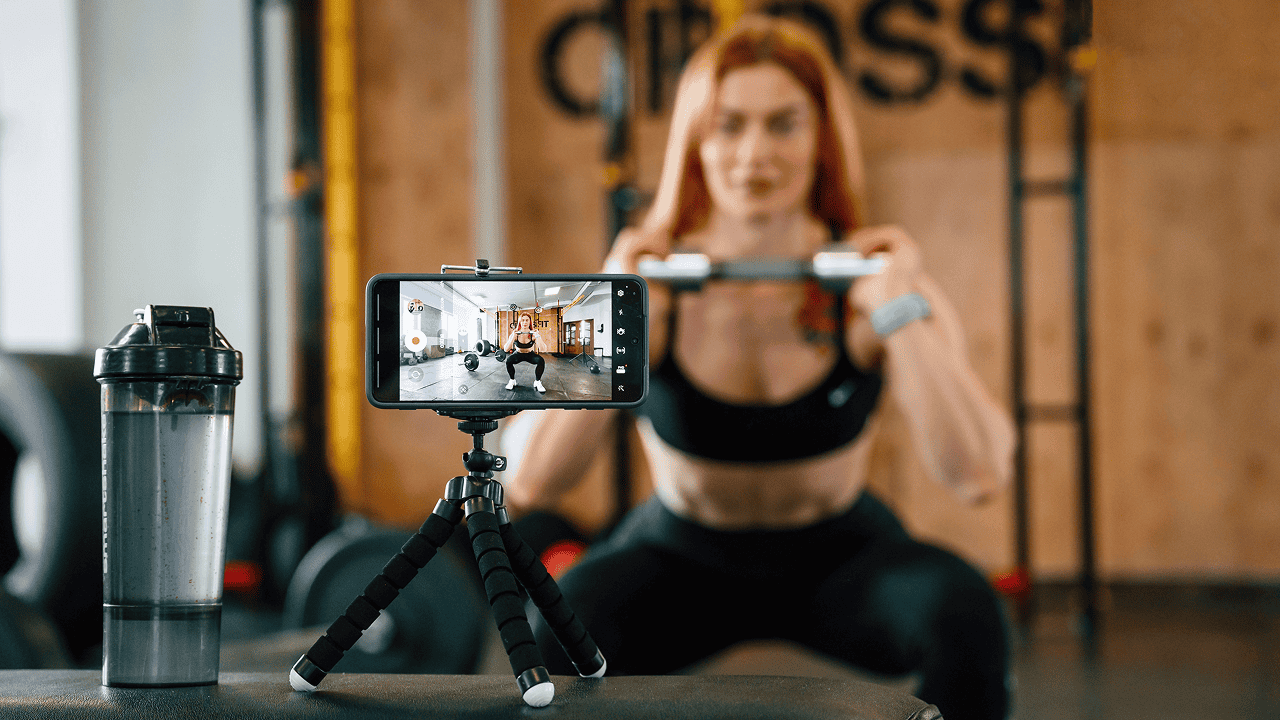
Social media has become one of the most powerful growth channels for gyms and fitness clubs. Potential members no longer discover gyms only through walk-ins or referrals. They see workouts on Instagram, trainer advice on short videos, and real member stories shared online. These digital touchpoints shape first impressions long before someone steps into the facility. For gyms, social media is no longer optional promotion. It is a core part of how the brand is experienced.
Gym social media marketing works best when it feels human, consistent, and community driven. People do not join gyms just for equipment. They join for motivation, support, and belonging. Platforms allow gyms to show their personality, values, and culture in real time. When combined with fitness influencer marketing and active online communities, social media can turn awareness into trust and trust into memberships.

Fitness is a highly visual and emotional industry. People are inspired by progress, transformation, and shared effort. Social media aligns naturally with these motivations by allowing gyms to showcase energy, results, and real stories. Unlike traditional advertising, social media creates ongoing interaction rather than one way messaging. This interaction is what builds familiarity and confidence in a fitness brand online.
Gym social media marketing assists with decision-making during the discovery phase too. Many prospective customers will browse the Instagram marketing of gyms or local postings before deciding where they want to exercise. Visiting an active class and seeing motivated members and smart trainers eliminates uncertainty. Social media marketing for gyms offers a dynamic portfolio that showcases the atmosphere of the gym on a day-to-day basis. If carried out properly, this enhances the decision-making process and results in more enrollments.

Before focusing on platforms or tactics, gyms need clarity on identity. Social media works best when there is a consistent voice and message. A gym focused on functional training will communicate differently than a luxury fitness studio or a community focused neighbourhood gym. This identity should shape visuals, captions, and engagement style across all platforms.
A strong fitness brand online is recognisable even before the logo appears. Gym social media marketing becomes more effective when content feels cohesive rather than random. Colours, tone, and themes should reflect the in gym experience. When identity is clear, influencer partnerships gym campaigns and community posts feel more authentic and aligned. This consistency builds trust and helps audiences understand whether the gym fits their goals and lifestyle.
Not all social platforms serve the same purpose, and gyms benefit from intentional selection. Visual platforms are particularly powerful for fitness content because movement and transformation are easy to showcase. Instagram gym marketing remains one of the most effective channels due to its focus on images, short videos, and stories that capture energy and effort.
Facebook still plays an important role in social media for gyms, especially for local community engagement, events, and groups. TikTok attracts younger audiences through trends and short form educational or entertaining fitness clips. YouTube supports longer content such as workouts, form tutorials, and member stories. Gym social media marketing improves when each platform has a defined role rather than duplicating the same content everywhere.

Content is the foundation of effective social media marketing. For gyms, the most successful content educates, motivates, or connects rather than just promoting memberships. Short workout demonstrations, trainer tips, mobility exercises, and recovery advice position the gym as a helpful authority.
Behind-the-scenes content does well, too. Trainers preparing sessions, updating equipment, or celebrating member milestones humanizes the brand. This approach strengthens the fitness brand online by highlighting people rather than products. When content reflects real daily moments and not just overly polished campaigns, it makes the marketing of a gym on social media even more engaging. Content driven by value spurs sharing, saving, and repeat_engagement, which extends organic reach.
Stories are more persuasive than promotions. People relate to journeys, struggles, and progress, especially in fitness. Sharing member transformations, training consistency stories, or first time achievement moments creates emotional connection. These stories provide social proof while staying relatable.
Instagram gym marketing is particularly effective for storytelling through reels, captions, and highlights. Longer platforms allow deeper narratives around lifestyle change rather than just physical results. Gym social media marketing benefits when storytelling focuses on effort, support, and community rather than unrealistic perfection. This builds credibility and makes the gym feel approachable to people at different fitness levels.
A strong gym community online extends the in person culture beyond physical walls. Social media allows members to support and motivate each other, reinforcing commitment. Engagement through comments, reposts, and messages makes people feel seen and valued.
Gyms can encourage community by responding actively, asking questions, and featuring member content. User generated posts help social media for gyms feel participatory rather than promotional. Over time, this interaction creates a sense of belonging that reduces churn. A connected online community strengthens retention while also attracting new members who want to be part of something supportive and inclusive.
User generated content is one of the most powerful yet underused assets in gym social media marketing. When members share workouts, progress updates, or class experiences and tag the gym, it adds authenticity that brand created content cannot replicate. This content acts as peer endorsement rather than advertisement.
Sharing content requires some planning. Using clear hashtags, sometimes resharing, and rewarding users can stimulate people to participate and contribute content. Members’ content can help increase the fitness brand’s online exposure as people are willing to participate by contributing content voluntarily. Collaborations with influencers gym campaigns can also benefit if they are supplemented by content created by gym members. This blend strengthens trust and reach simultaneously.
Fitness influencer marketing involves partnering with individuals who have credibility and engagement within fitness communities. These creators may be personal trainers, athletes, wellness advocates, or motivated members with loyal followings. Their influence comes from trust, not just reach.
Gym social media marketing using influencers works best when partnerships feel natural. Audiences quickly detect forced promotions. Influencers should align with the gym’s values, training style, and audience. When alignment exists, influencer partnerships gym brands form feel like genuine recommendations rather than advertisements, leading to higher interest and conversion.
Micro influencers often deliver stronger results for gyms than large national accounts. Local trainers, fitness coaches, or dedicated members usually have smaller but highly engaged audiences within the same geographic area. This proximity increases relevance and visit likelihood.
Instagram gym marketing campaigns with micro influencers feel personal and community oriented. These creators often interact closely with followers, increasing comment and message engagement. Fitness influencer marketing at this level is also more affordable and flexible. For gyms focused on local membership growth, micro influencer collaborations often outperform broader campaigns focused on vanity metrics.
Authentic influencer partnerships gym campaigns focus on experience rather than scripted promotion. Inviting influencers to train regularly, attend classes, or lead sessions allows them to share genuine impressions. Content created this way resonates more deeply than one off posts.
Transparency is also important. Honesty builds trust without diminishing efficacy. Consumers respect truth and react well to content that has depth and substance. Gym social media marketing campaigns are better off when creators are given freedom in what message they want to pass to their audience instead of instructed messaging.
Online challenges are a powerful way to engage both existing members and new audiences. Fitness challenges encourage participation, consistency, and sharing. When participants post progress updates, the gym’s visibility expands organically through their networks.
Gym community online challenges work best when they are simple, inclusive, and well promoted. Daily prompts, progress tags, and recognition maintain momentum. Social media for gyms becomes interactive rather than broadcast only. Challenges also provide content ideas that sustain posting consistency while reinforcing community energy.
Live sessions create immediacy and connection that static posts cannot. Hosting live workouts, Q and A sessions, or trainer discussions shows expertise while allowing direct interaction. Live content positions the gym as accessible and responsive. Instagram gym marketing through live sessions allows gyms to answer questions, demonstrate techniques, and address concerns in real time. This transparency strengthens the fitness brand online. Live engagement also helps overcome hesitation among potential members by showing what sessions feel like before committing.
Consistency matters more than volume. Posting regularly helps algorithms surface content while training audiences to expect updates. Sporadic posting weakens momentum and visibility. Gym social media marketing benefits from realistic schedules that can be sustained over time. Planning content in advance reduces last minute pressure. A mix of education, motivation, community highlights, and influencer content keeps feeds balanced. Social media for gyms becomes more effective when consistency reflects commitment rather than bursts of activity followed by silence.
Vanity metrics include likes and follower count, which provide minimal insight. Gyms should track metrics that actually relate to business goals-inquiries, visits, trial sign-ups, and referrals. Success from gym social media marketing is measured more accurately by the quality of the engagement and various other conversion indicators. Fitness influencer marketing campaigns should be evaluated based on relevance and response rather than impressions alone. Comments, messages, and direct inquiries show if content resonates. Data-driven review enables a gym to refine the strategy without repeating ineffective efforts.
Many gyms treat social media as a notice board rather than a conversation. Overly promotional feeds often see low engagement because audiences seek connection, not constant selling. Another common mistake is copying trends without alignment to brand identity. Influencer partnerships gym brands pursue can also fail when reach is prioritised over relevance. Choosing influencers solely by follower count often leads to poor conversion. Gym social media marketing improves when authenticity, relevance, and consistency guide decisions rather than shortcuts.
Social media should reflect and enhance the in gym experience. Promises made online must match reality offline to maintain trust. Featuring trainers, classes, and members ensures consistency between digital presence and physical environment. Gym community online engagement supports retention when members see continuity between what they experience and what is shared. Influencer partnerships gym campaigns are most effective when influencers experience the same environment as members. Alignment strengthens credibility and word of mouth impact.
The greatest strength of social media for gyms lies in building relationships rather than chasing trends. Community driven marketing creates advocates who promote the gym organically over time. This reduces dependence on constant advertising spend. A strong fitness brand online is built through shared stories, consistent interaction, and authentic partnerships. Gym social media marketing that invests in people rather than just posts delivers lasting value. Influencer marketing and online communities work best as part of this broader relationship based approach.
Social media marketing for gyms works when it goes beyond promotion and focuses on people. By creating valuable content, nurturing a gym community online, and forming authentic influencer partnerships gym brands trust, social media becomes a growth engine rather than a distraction. Gym social media marketing succeeds when consistency, relevance, and authenticity guide every decision. Fitness influencer marketing amplifies reach, but community sustains impact. When online engagement reflects real experiences and shared values, social media drives not just visibility but commitment. Gyms that invest in relationships through social platforms are better positioned to convert followers into members and members into long term advocates.
How often should a gym post on social media to see results
Consistency matters more than frequency. Most gyms see better engagement by posting three to five times a week with a clear content plan rather than posting daily for a short period and then stopping. Regular posting helps gym social media marketing stay visible and builds familiarity with followers over time.
Do fitness influencers really help increase gym memberships
Fitness influencer marketing can be effective when influencers are relevant to the local audience and genuinely aligned with the gym. Local trainers, micro influencers, or members with engaged followings often drive better inquiries and visits than large accounts with broad audiences.
Which platform works best for social media for gyms
There is no single best platform, but Instagram gym marketing performs particularly well because fitness content is visual and motivational. Facebook supports local community building, while TikTok and YouTube are useful for reaching younger audiences and sharing longer educational content.
How can gyms build an online community, not just followers
Gyms build a strong gym community online by engaging actively with comments, resharing member posts, running challenges, and highlighting real people rather than promotions. Consistent interaction and recognition turn followers into participants and participants into loyal members.

250 Corporate Blvd
Suite L
Newark, DE 19702


250 Corporate Blvd Suite L Newark, DE 19702
